Hepper is reader-supported. When you buy via links on our site, we may earn an affiliate commission at no cost to you. Learn more.
Cat Emotions: Do They Have Feelings? What the Science Says
In this article
The enigmatic and independent nature of cats has fascinated humans for centuries. Yet, their mysterious demeanor often raises the question: Do cats have feelings? Well, research suggests that cats do experience emotion, but like all things in the cat world, it requires a little more understanding.
As any cat owner can attest, cats display many behaviors that hint at emotional responses. From their purrs of contentment to their displays of irritation, these complex animals seem to possess more than just survival instincts.
With the help of science, we'll discuss cat emotions, examine their evolutionary origins, compare them to dogs, and decipher the signs of emotions that cats display!

Cat Emotions Explained
While cats have often been portrayed as aloof and detached, emerging research suggests a more intricate landscape of emotions within these enigmatic beings. Cats can experience joy, fear, anger, and affection like humans and other animals. However, understanding these emotions requires a deeper exploration of their evolutionary journey.
Cat Emotions: A Result of Evolution?
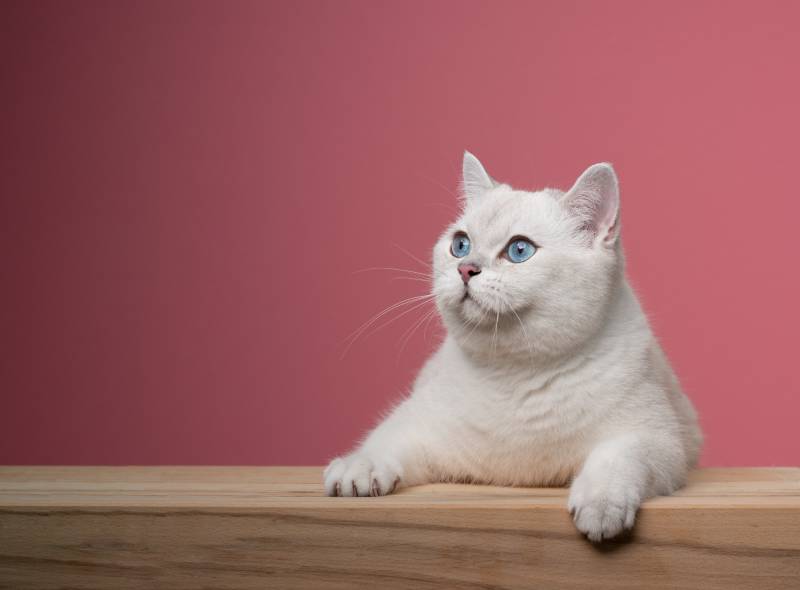
Cats' evolutionary history as solitary predators plays a crucial role in shaping their emotions. The necessity to fend for themselves and protect their territories has fostered self-sufficiency. This has led to behaviors often misconstrued as a lack of emotions. Yet, it's essential to realize that feelings in cats might be expressed differently due to their evolutionary context.
Cat Emotions vs. Dog Emotions
Drawing a comparison between cat and dog emotions can be illuminating. As pack animals, dogs have evolved to be highly social and expressive creatures. Their emotions are often displayed overtly, making it easier for humans to perceive.
On the other hand, cats, stemming from a more solitary background, express their emotions in subtle ways. This contrasting behavior sometimes leads to misunderstandings about cats' emotional lives.
Do Cats Have Feelings?
The question of whether cats truly have feelings can be answered with a resounding yes. Research has shown that cats possess neural structures associated with emotions in humans and other animals.
These structures, such as the amygdala and hippocampus, are responsible for processing emotions and forming memories. While their emotions might not mirror those of humans, they undoubtedly experience a range of feelings.
What Kind of Emotions Can Cats Feel?
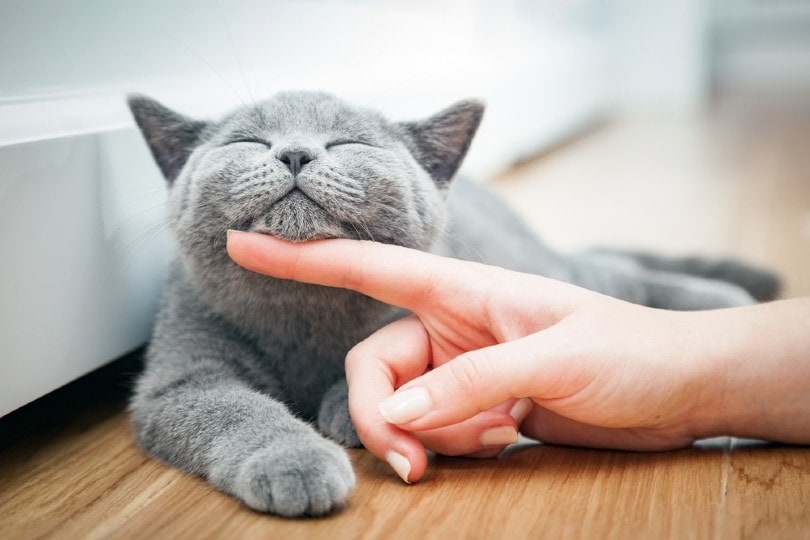
Cats can experience various emotions, some of which may be recognizable to human observers. These include contentment, playfulness, curiosity, fear, anxiety, and aggression. Their ability to experience pleasure and distress is evident in their reactions to stimuli and situations.
Observing their behavior and body language can provide valuable insights into the emotions they are experiencing. Here are some common emotions that cats can experience:
Emotional Response to Pain
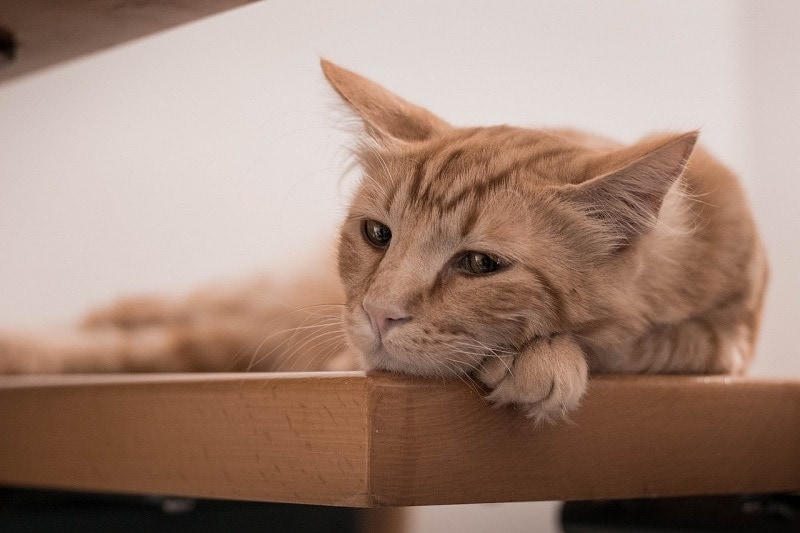
An aspect that often raises concern among cat owners is how felines display emotions in response to pain. Cats, known for their ability to mask discomfort, may exhibit subtle behavioral changes when in pain. These changes can include decreased grooming, altered appetite, and withdrawal. Recognizing these signs is crucial for ensuring the well-being of our feline companions.

Cat Emotions and Body Language
Understanding cat emotions extends beyond verbal communication. Their body language is a rich source of information about how they're feeling. Different parts of their body, from their face to their tail, provide cues that can help decipher their emotions.
Behaviors
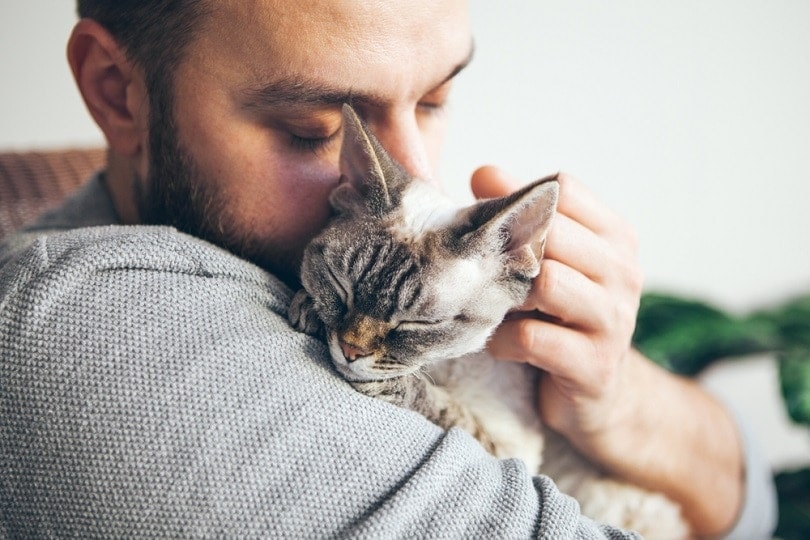
Your cat's behavior offers valuable insights into their emotional state. If your cat is playfully chasing a toy or rolling around, they’re likely experiencing joy and contentment. On the other hand, if they’re hiding under furniture or avoiding interaction, they might feel anxious or fearful.
Vocalizations
The sounds your cat makes can convey a range of emotions. A relaxed purr often signifies comfort and happiness, while a high-pitched meow could indicate excitement or a desire for attention. Aggressive vocalizations like growling and hissing suggest fear, annoyance, or territoriality.
Facial Expressions
Cats communicate a lot through their facial expressions. Wide-open eyes and dilated pupils might indicate surprise or excitement, while narrowed eyes could suggest irritation or aggression. A slow blink is often a sign of trust and affection.
Body Language
Your cat's body language can provide nuanced clues about their emotions. If they’re crouched low to the ground with their ears flattened, they’re likely feeling threatened or scared. Conversely, a cat that's stretching, lounging, or rolling over is likely at ease and comfortable.
Tail Position
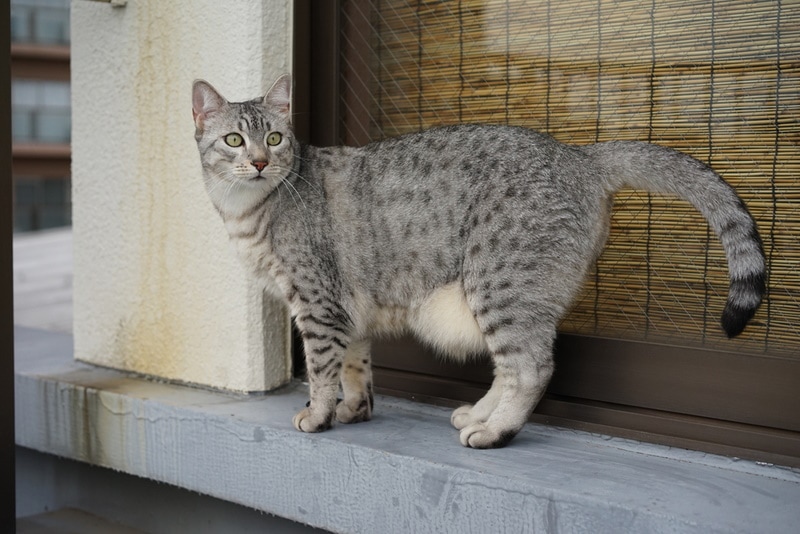
The position of your cat's tail is a prominent indicator of their mood. A tail held high with a slight curve signals confidence and happiness. A puffed-up tail often accompanies fear or aggression, while a twitching tail can indicate curiosity or excitement. A tucked tail suggests submission or anxiety.
Do Cats Love Their Owners?
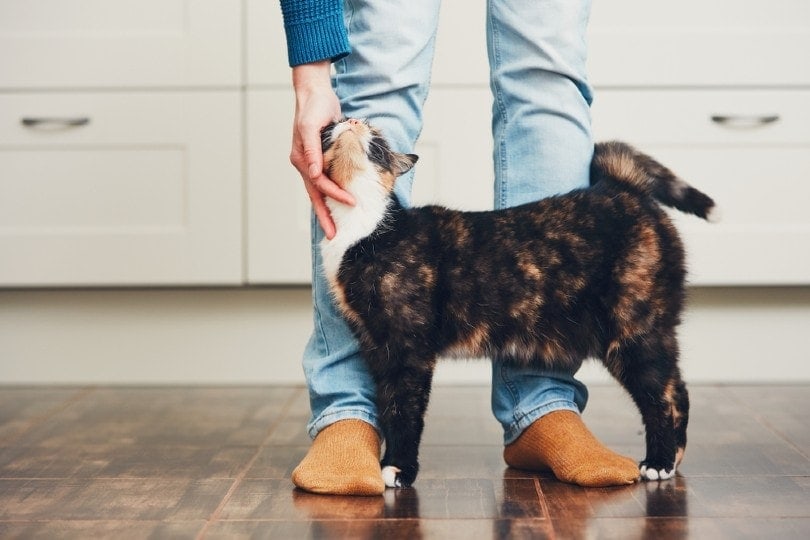
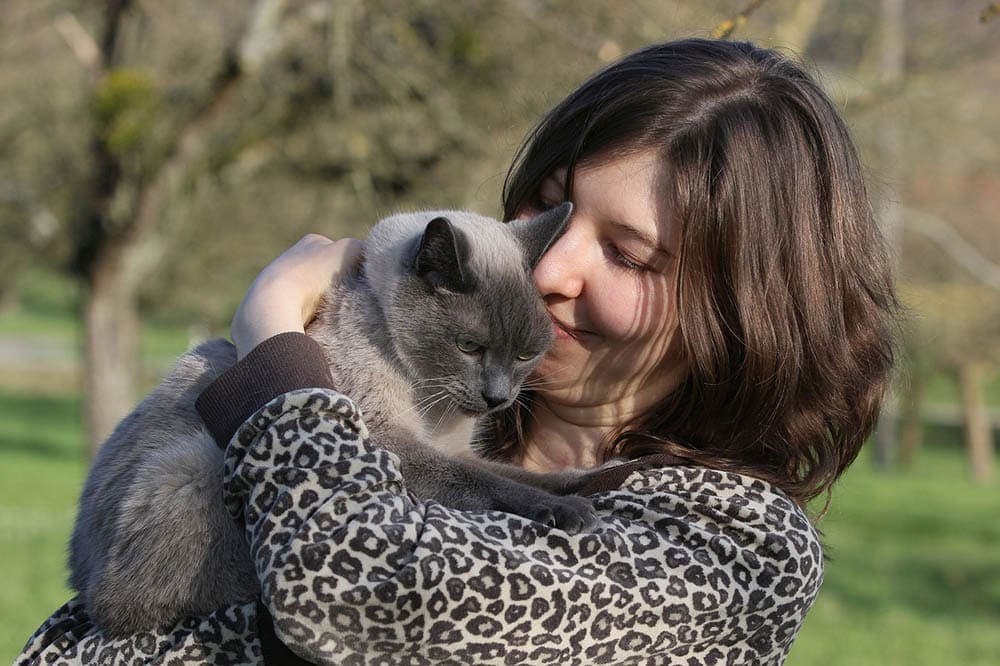
Whether cats love their owners has intrigued pet enthusiasts for ages. While their affection might not mirror that of dogs, cats can form strong bonds with their human companions. These bonds are built on trust, consistent care, and positive interactions.
Are Cats Capable of Forming Attachments?
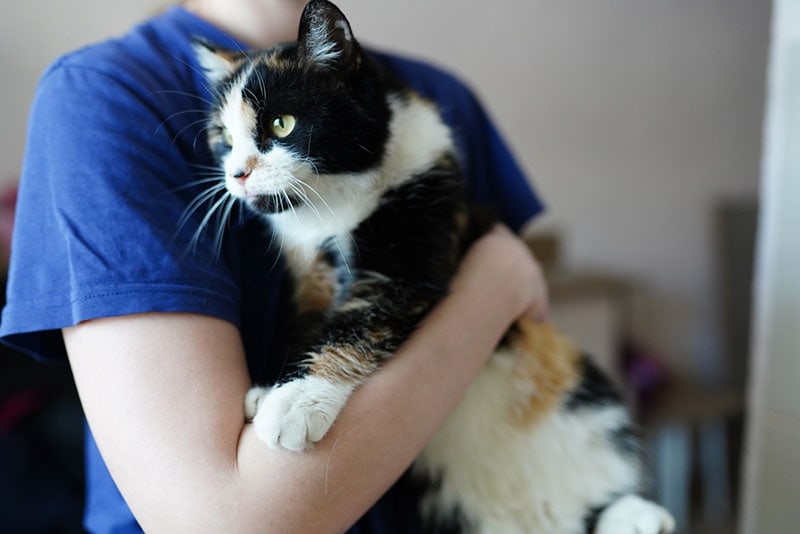
Cats are known for their independent nature but are not immune to forming attachments. Their bonds with humans and other animals can be deep and meaningful. These attachments often develop over time and are rooted in a sense of security and comfort.
Can Cats Perceive and Understand Human Emotion?
Cats' ability to perceive human emotions has been a subject of curiosity. While they might not comprehend emotions like humans do, they can pick up on changes in our behavior and tone of voice.
A study in 2020 revealed that cats can recognize emotion by integrating auditory and visual signals, which shows the complexity of the cat and human relationship. This sensitivity allows them to respond to our emotional states and offer comfort in times of distress.

Final Thoughts
The notion that cats lack emotions is an outdated perspective that fails to recognize the complexity of these fascinating creatures. Just as with other living beings, emotions are an integral part of a cat's existence, shaped by evolution and expressed through various behaviors and body language.
Understanding and respecting the emotional lives of cats deepens our bond with them and enriches our appreciation for the diversity of life on our planet. So, the next time you observe your cat's subtle purrs, playful antics, or wary glances, remember that they reveal a world of emotions that deserves our attention and empathy.
Sources
Featured Image Credit: Svetlbel, Pixabay
Get Hepper In Your Inbox


Pet care tips from our vets and experts, straight to your inbox.
You may opt-out at any time. View our Privacy Policy for more information.

Nicole is a lover of animals of all sizes but is especially fascinated with the feline variety. She’s the proud mom of Baby, a Burmese, and works every day so he can relax in the sunshine or by the fire. She’s always had a cat in her home and has spent countless days with others, observing behaviors and softening up even the grouchiest of the lot. Nicole wants to share her kitty expertise with you so you and your cat can live happy, healthy, and care-free.
Join the conversation
Ask a question, share your story, or send private feedback.