Hepper is reader-supported. When you buy via links on our site, we may earn an affiliate commission at no cost to you. Learn more.
What Were Pit Bulls Bred For? Their History & Origin Explained
In this article
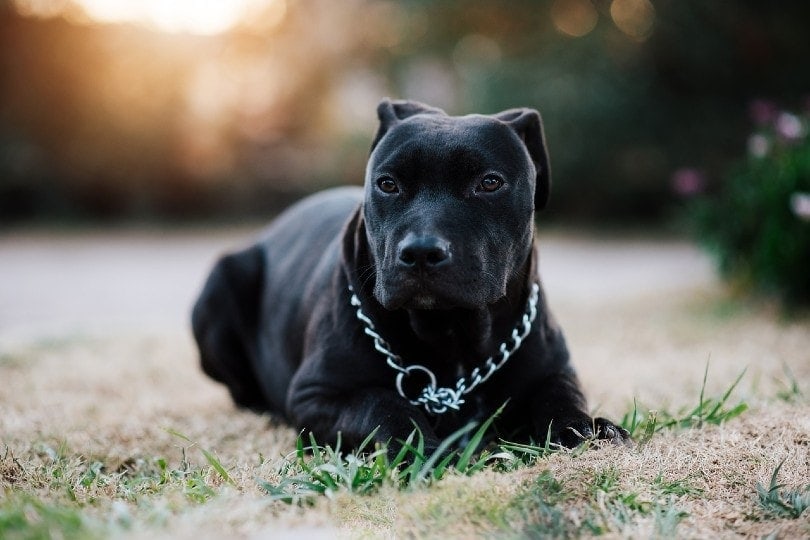
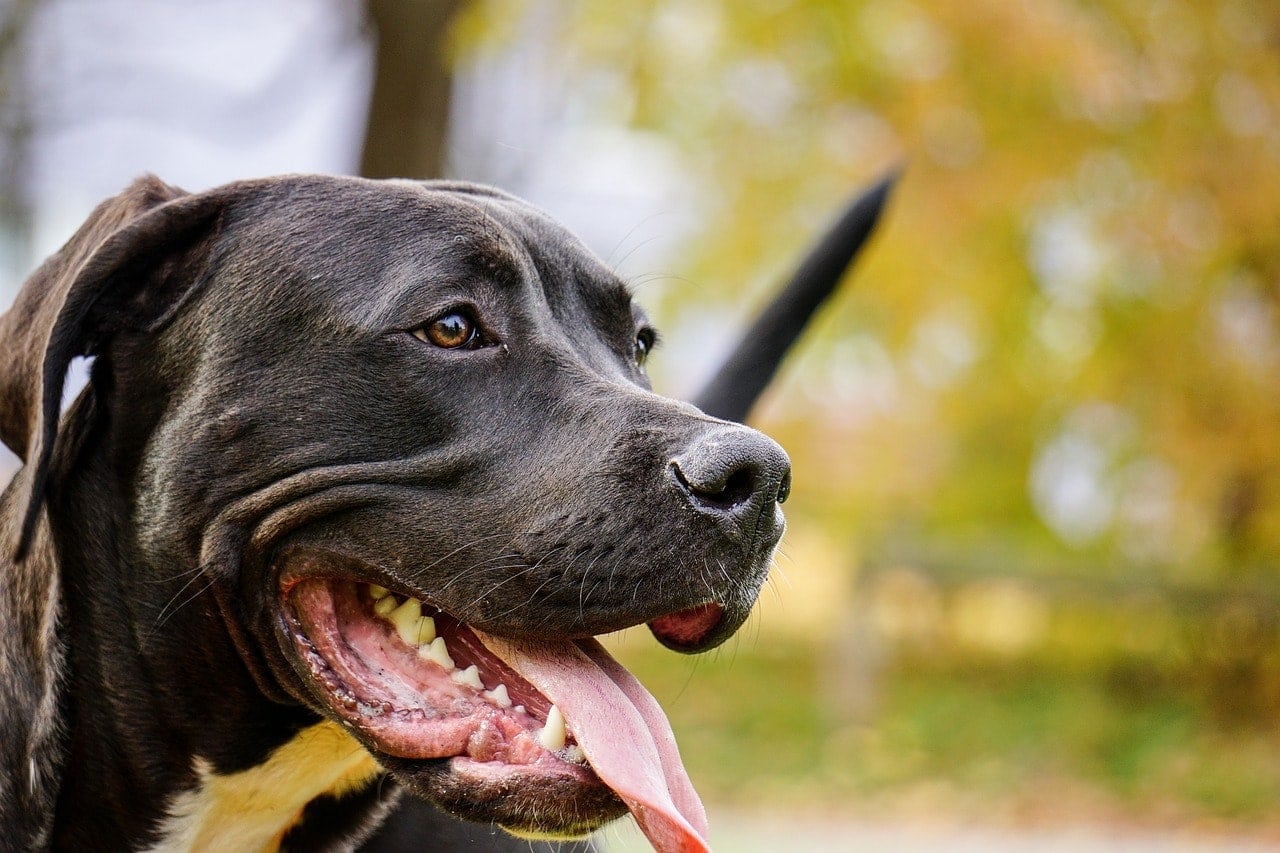
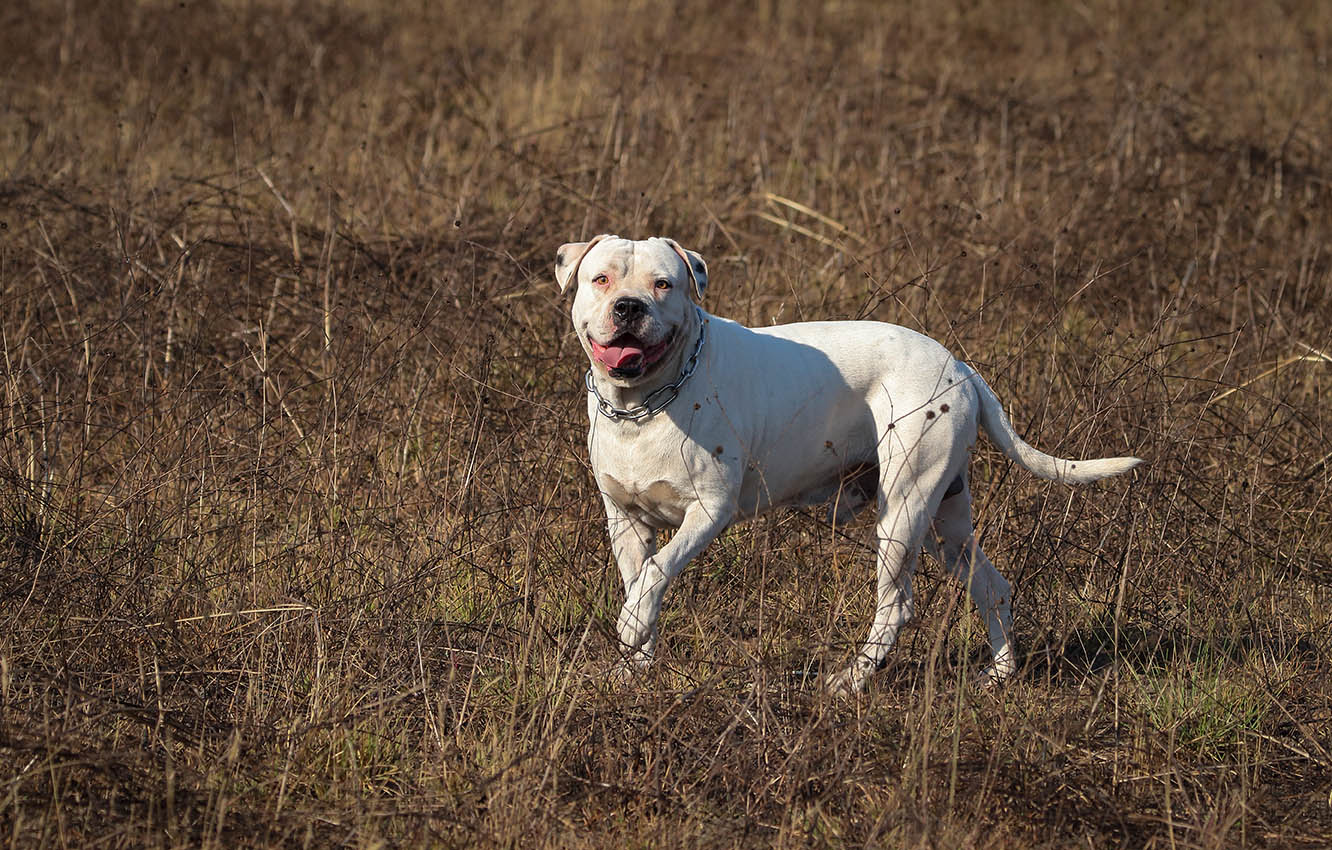
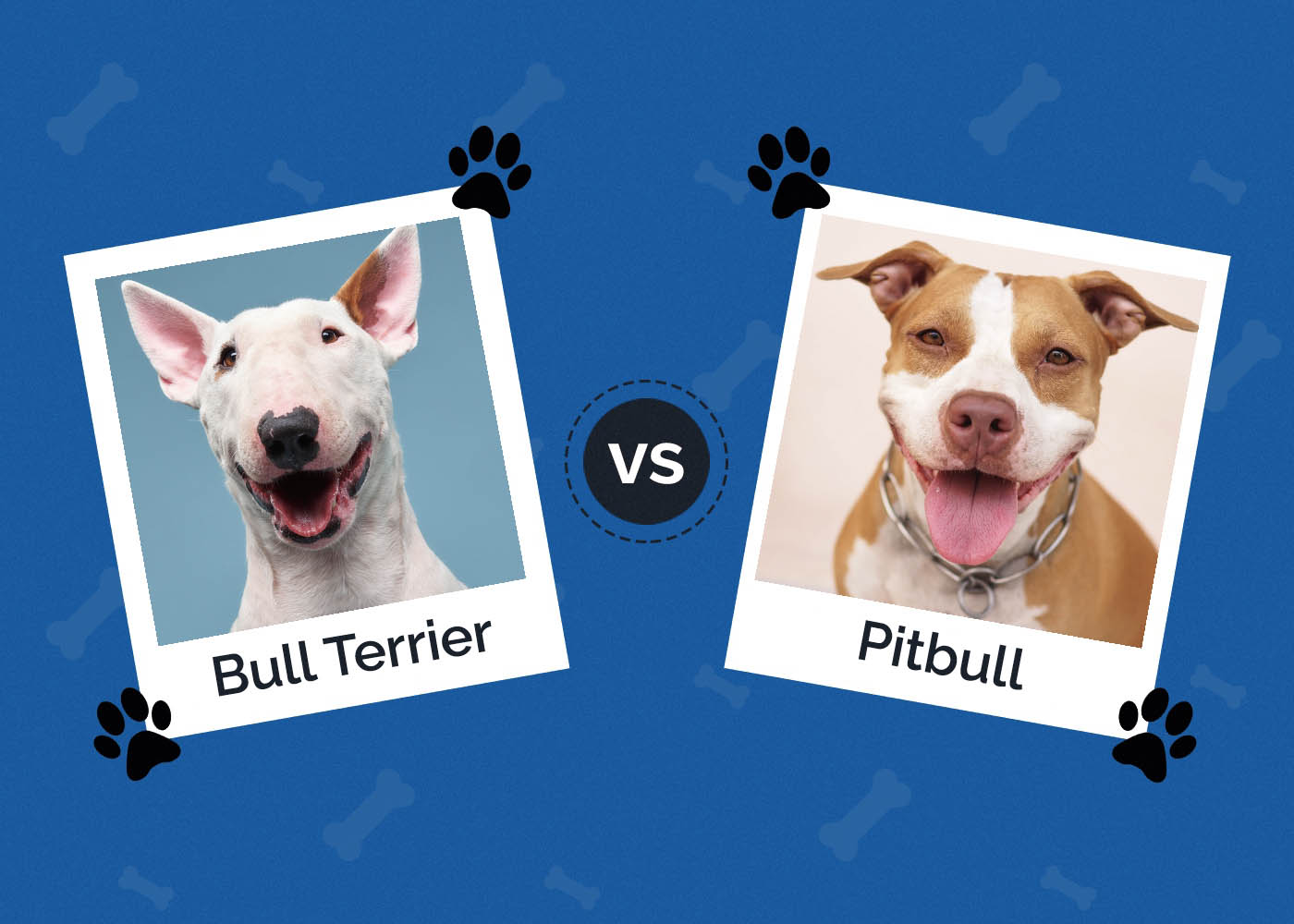
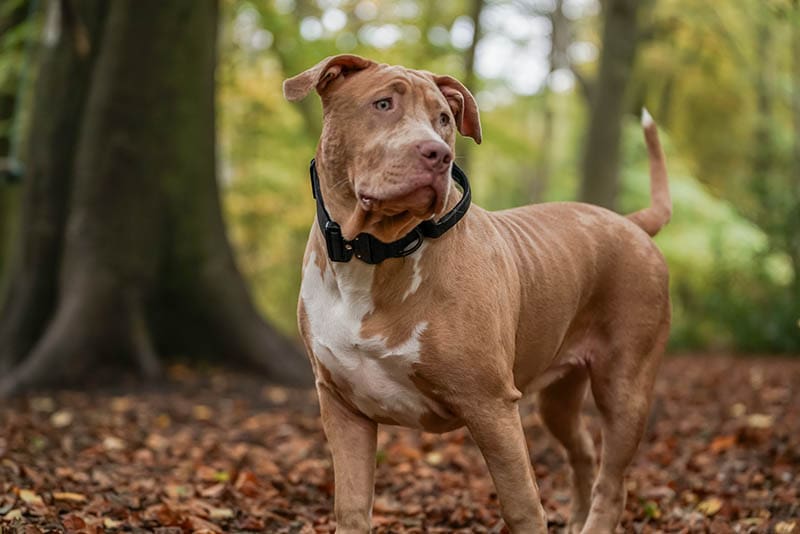
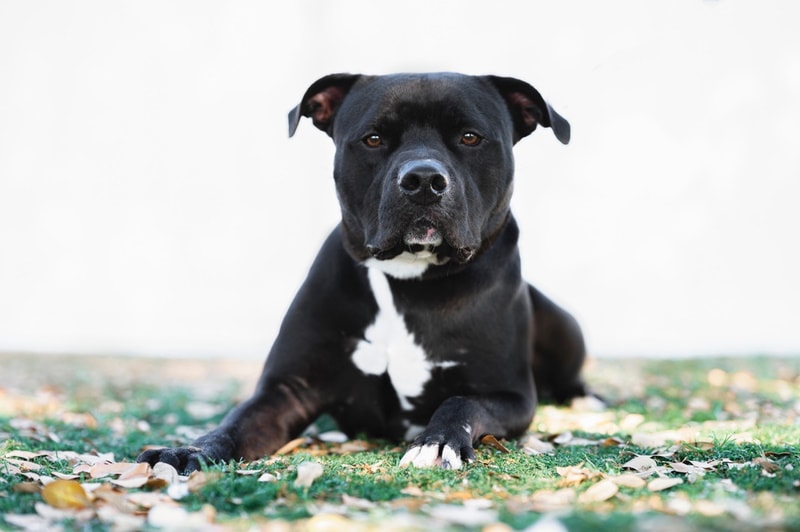
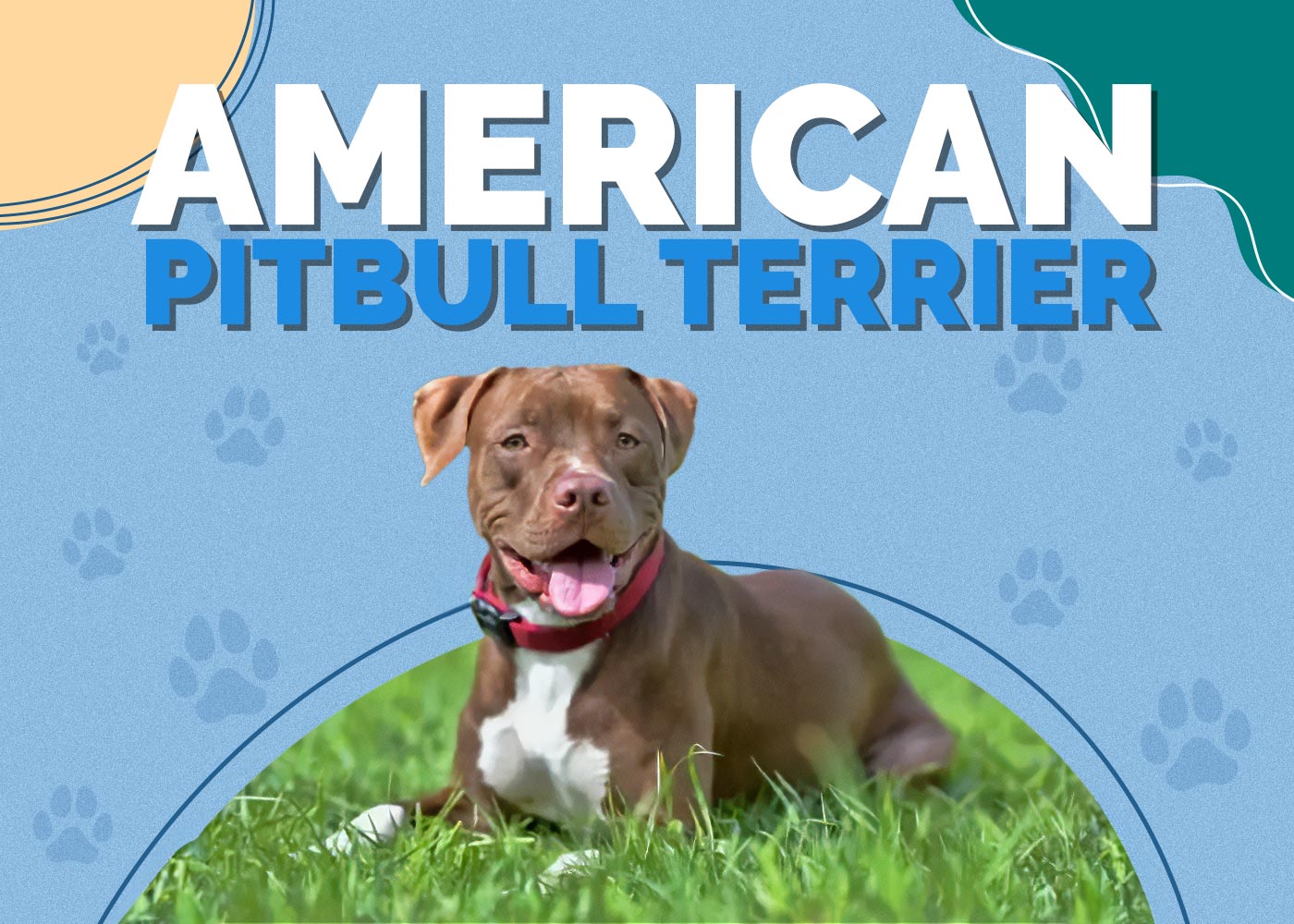
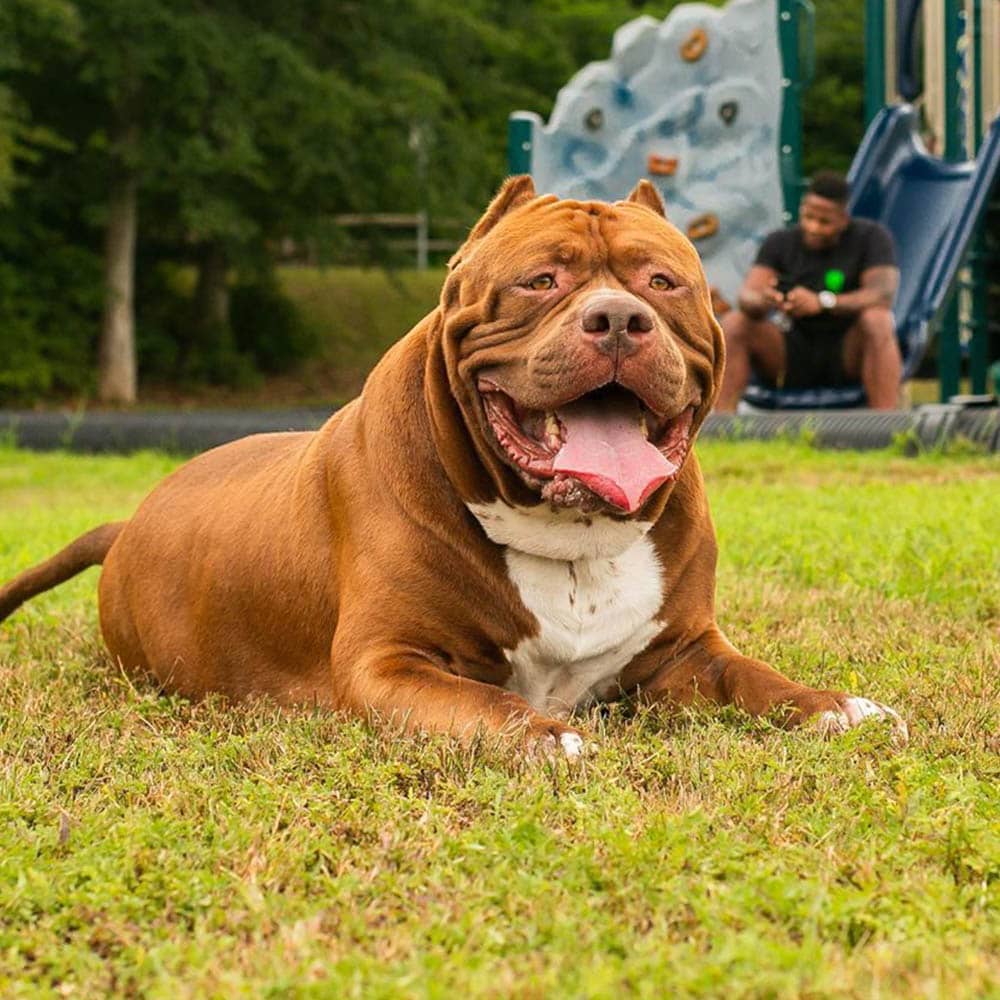
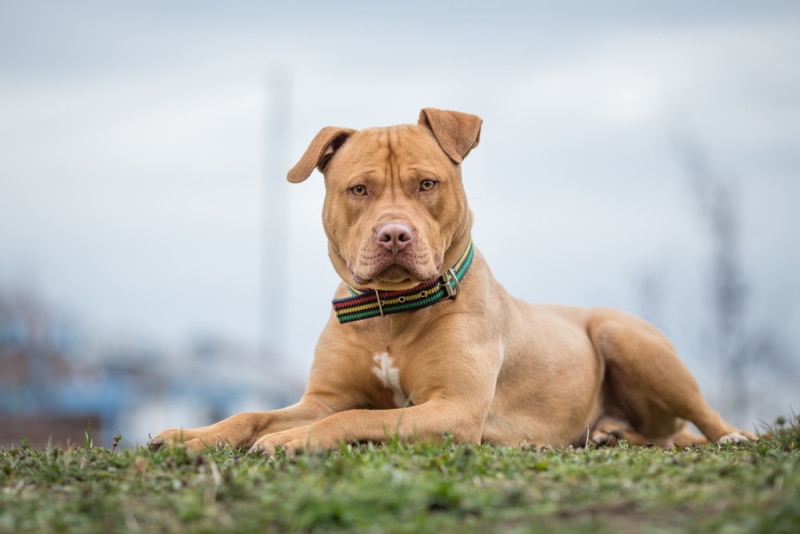
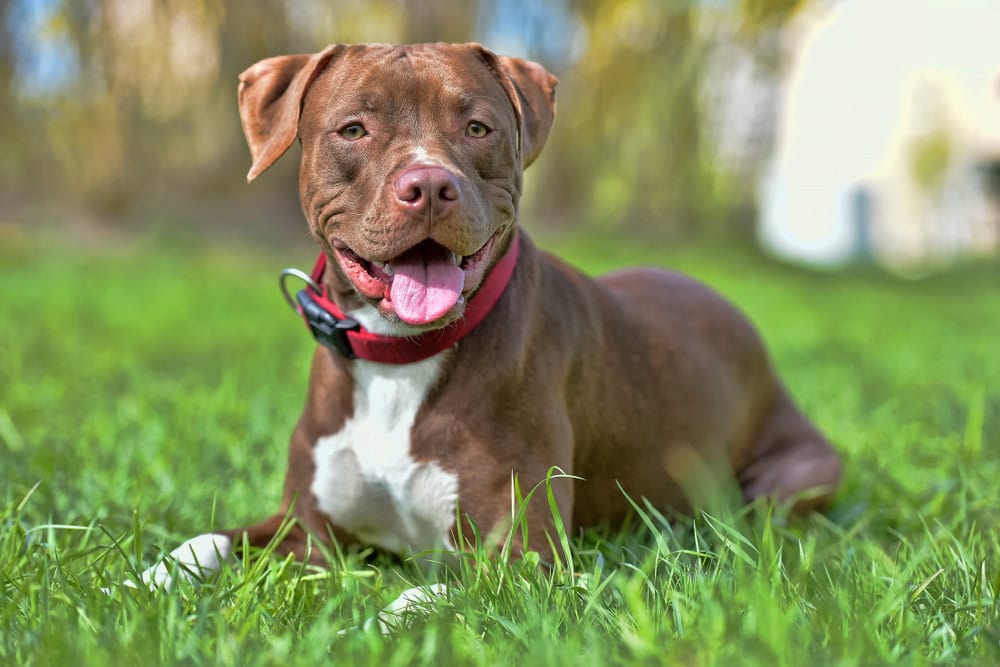
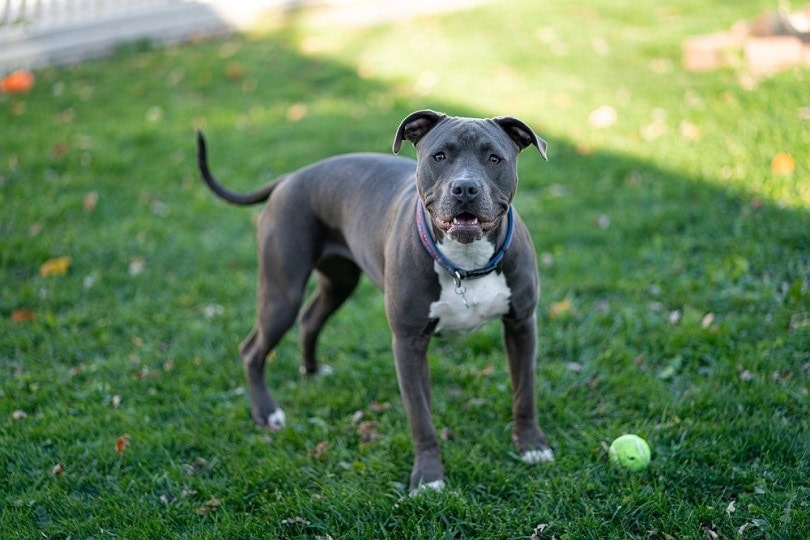
The Pit Bull is a well-known breed in the US, but it’s not actually a breed at all.1 “Pit Bull” refers to a group of breeds that were developed for fighting, bull-baiting, and ratting. Many breeds can fall under this umbrella breed, including the American Staffordshire Terrier and the Bull Terrier.

Understanding Breed Classifications
The Pit Bull is not recognized as a breed by the American Kennel Club, but the United Kennel Club recognized the American Pit Bull Terrier in 1898.
Breed classifications, such as herding dogs, hound dogs, and non-sporting dogs, often include a vast array of breeds. Pit Bull type dogs are more of a breed classification, though its members can be more diverse than some other groups.
For example, herding dogs tend to be agile, high-energy, and responsive to training since that’s their breeding purpose. Hound dogs have a high prey drive and are likely to be more vocal since they were bred and used for hunting purposes.
Origin of the Pit Bull
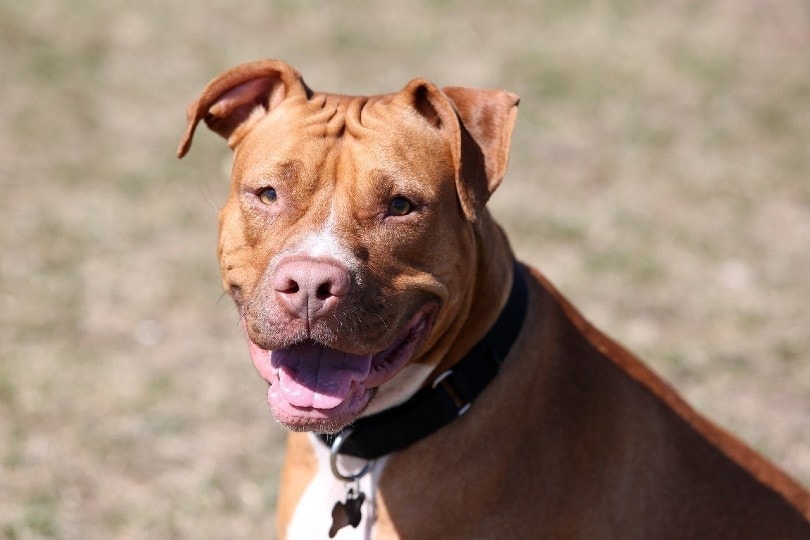
Pit Bull types date back to the early 1800s. They originated in the United Kingdom and were bred from English Bulldogs.
These dogs became popular in the UK for bull-baiting, which is a blood sport. A few Bulldogs were released with a bull and antagonized it until it gave up from fatigue or injury for the entertainment of spectators.
In 1835, British Parliament enacted the Cruelty to Animals Act 1835, which prohibited the baiting of animals like bulls. Once this blood sport was outlawed, the public turned to ratting—another cruel sport that pits dogs against rats. Dogs won by killing the most rats in the shortest time.
Eventually, this evolved to dog-fighting. This prompted the combination of English Bulldogs and Terriers. This mix offered the gamesmanship of the terrier with the strength of the Bulldog (Pit Bull Terrier), ideal for blood sport.
As the sport grew, people began selectively breeding Pit Bull Terriers for certain qualities, such as docility with humans but aggression toward animals. Owners need to be able to enter the dog-fighting pit to retrieve and handle their dogs, and a dog that was fierce in a fight but submissive to humans was desirable.
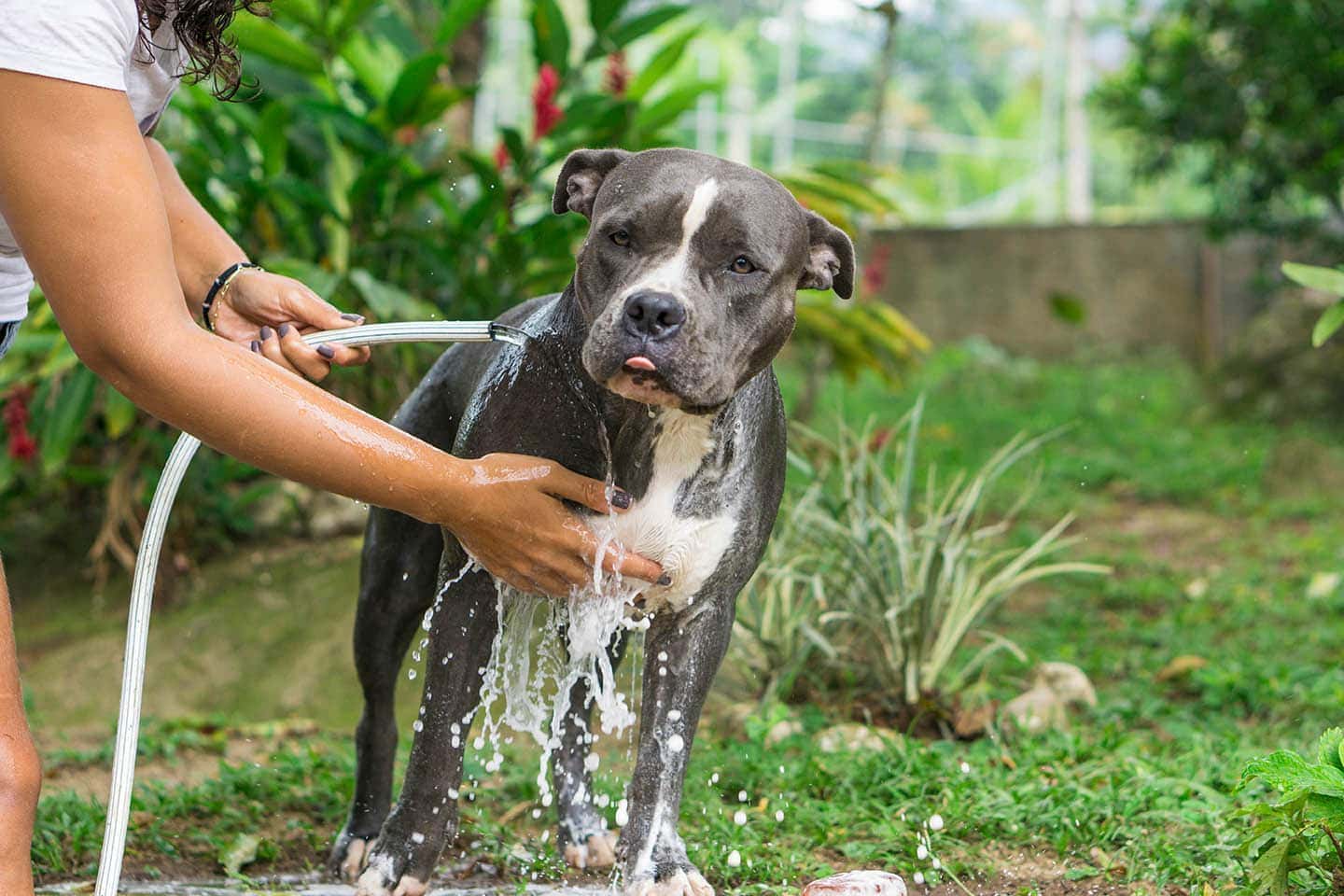
Pit Bulls in America
British immigrants brought Pit Bulls into the US before the American Civil War, which is when it gained its American Pit Bull Terrier name. This is also when they found its use for more than blood sport.
On the frontier, Pit Bulls were used for herding and guarding livestock, protecting owners, exterminating pets, and helping with hunting. Their loyalty and docility with humans—traits bred to discourage biting during dog-fighting—proved useful with children, lending to the myth of Pit Bulls being bred as “nanny dogs.”
Pit Bulls developed more as time went on. They proved themselves as multi-purpose dogs that could be used for a variety of roles, and they became iconic as “All-American” dogs. In fact, Pit Bulls were used as the US mascot during World War I and II. The best-known mascot is Sergeant Stubby in World War I, who served in 17 battles and multiple campaigns.
Thanks to the patriotic symbol, the Pit Bull became a beloved breed following the war. Pit Bulls often appeared on brand logos, in commercials, and on television shows. They also graced the big screen and became a favorite of public figures like Theodore Roosevelt, Fred Astaire, and Helen Keller.
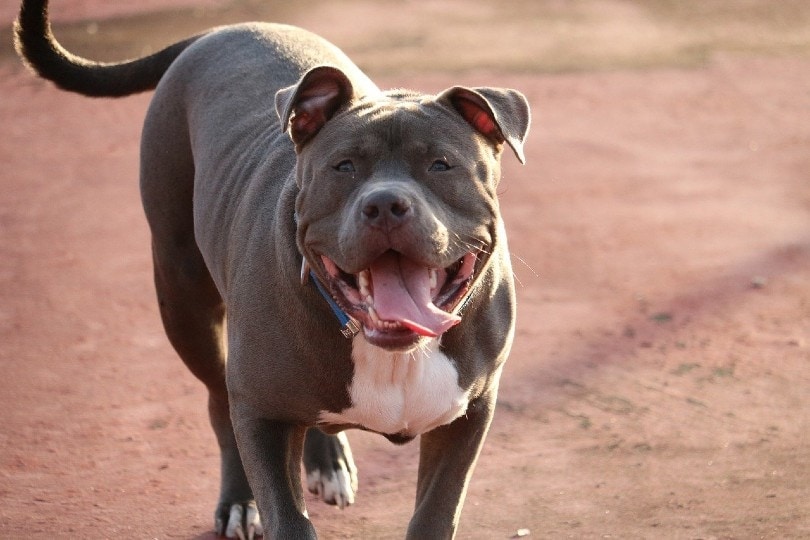
Pit Bulls From the Late 20th Century to Now
In the latter part of the 20th century, the sentiment toward Pit Bulls shifted. The once beloved wartime mascot was taken back to its roots as a fighting dog.
This is likely due to an amendment in 1976 to the Animal Welfare Act of 1966, which made dog-fighting illegal in all 50 states. Its illicit nature made it appealing to the criminal element, as these things often are, and dog-fighting saw a resurgence.
As dog-fighting became more popular in the 1980s, more and more animal welfare advocates brought attention to it, beginning a vicious circle. Some people became interested in dog-fighting and sought fighting dogs, including Pit Bulls, which were then several generations removed from their blood sport ancestors.
Backyard breeding became rampant, dogs were bred without proper socialization or selection, and dogs were sold for the purposes of fighting. Pit Bulls gained a reputation among the criminal element, particularly of low socioeconomic class, and gained an association with organized crime.
Dog fighting can attract people from all walks of life, however, and is more common in the cities. Violent criminals and gang members often engage in dog-fighting, along with drug trafficking and gambling.
The combination of reputation and lack of proper breeding or socialization created dogs that could be dangerous or were at least viewed as dangerous, and the Pit Bull was demonized. Pit Bulls overflowed in shelters by the late 1980s, and breed-specific legislation began to limit their ownership.
The most regulated breeds under breed-specific legislation are Pit types, such as the American Pit Bull Terrier, the American Staffordshire Terrier, the Staffordshire Bull Terrier, and the English Bull Terrier. Other regulated breeds are not Pit types, such as German Shepherds, Dalmatians, Rottweilers, and Doberman Pinschers.
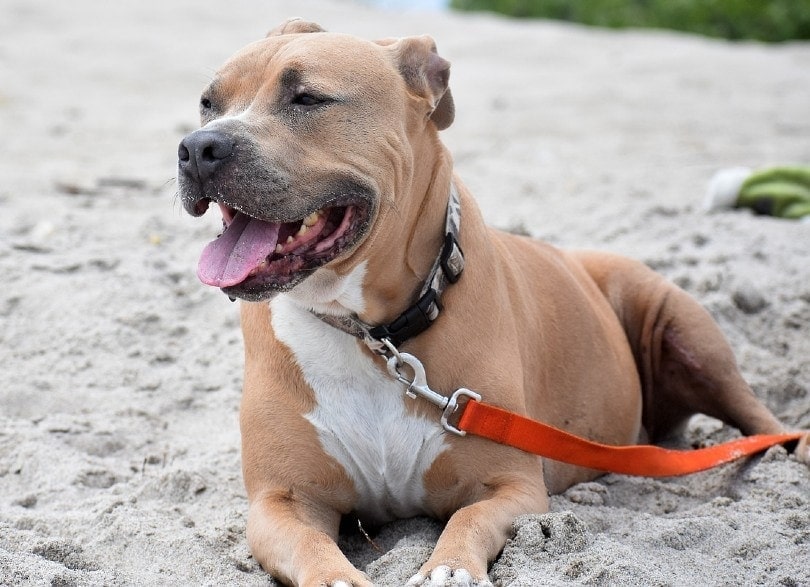
A Shift in Perception and Advocacy
As the poster child for dog-fighting, Pit Bulls only became more feared by the public and gained a reputation as an aggressive and dangerous breed. Until NFL’s Michael Vick, that is.
In 2007, law enforcement raided Bad Newz Kennels, a dog-fighting operation owned by Vick, and the dogs were seized. Unlike most Pit Bulls or dogs removed from such situations, these dogs were given a chance at rehabilitation instead of a death sentence.
Forty-eight of the 51 dogs seized were rehomed or placed in foster situations, often with families. When the Vicktory Dogs success stories were told, these former fighting dogs gave the public an entirely new view of the breed group, proving that Pit Bulls could return to their all-purpose frontier days and wartime glory.
Conclusion
The Pit Bull arose as a dog used for blood sport, and before long, it was exploited that way again. Since Bad Newz Kennels and the success of Vicktory Dogs, however, the public is more educated about Pit Bulls (and other breeds) and their advocacy. Breed-specific legislation is banned in several states, and Pit Bulls are finding new life in roles like service dogs, law enforcement dogs, agility dogs, and therapy dogs.
See also:
Featured Image Credit: J.A. Dunbar, Shutterstock
Get Hepper In Your Inbox


Pet care tips from our vets and experts, straight to your inbox.
You may opt-out at any time. View our Privacy Policy for more information.

Nicole is a lover of animals of all sizes but is especially fascinated with the feline variety. She’s the proud mom of Baby, a Burmese, and works every day so he can relax in the sunshine or by the fire. She’s always had a cat in her home and has spent countless days with others, observing behaviors and softening up even the grouchiest of the lot. Nicole wants to share her kitty expertise with you so you and your cat can live happy, healthy, and care-free.
Join the conversation
Ask a question, share your story, or send private feedback.