Hepper is reader-supported. When you buy via links on our site, we may earn an affiliate commission at no cost to you. Learn more.
Bull Terrier vs Pitbull: The Key Differences (With Pictures)
In this article
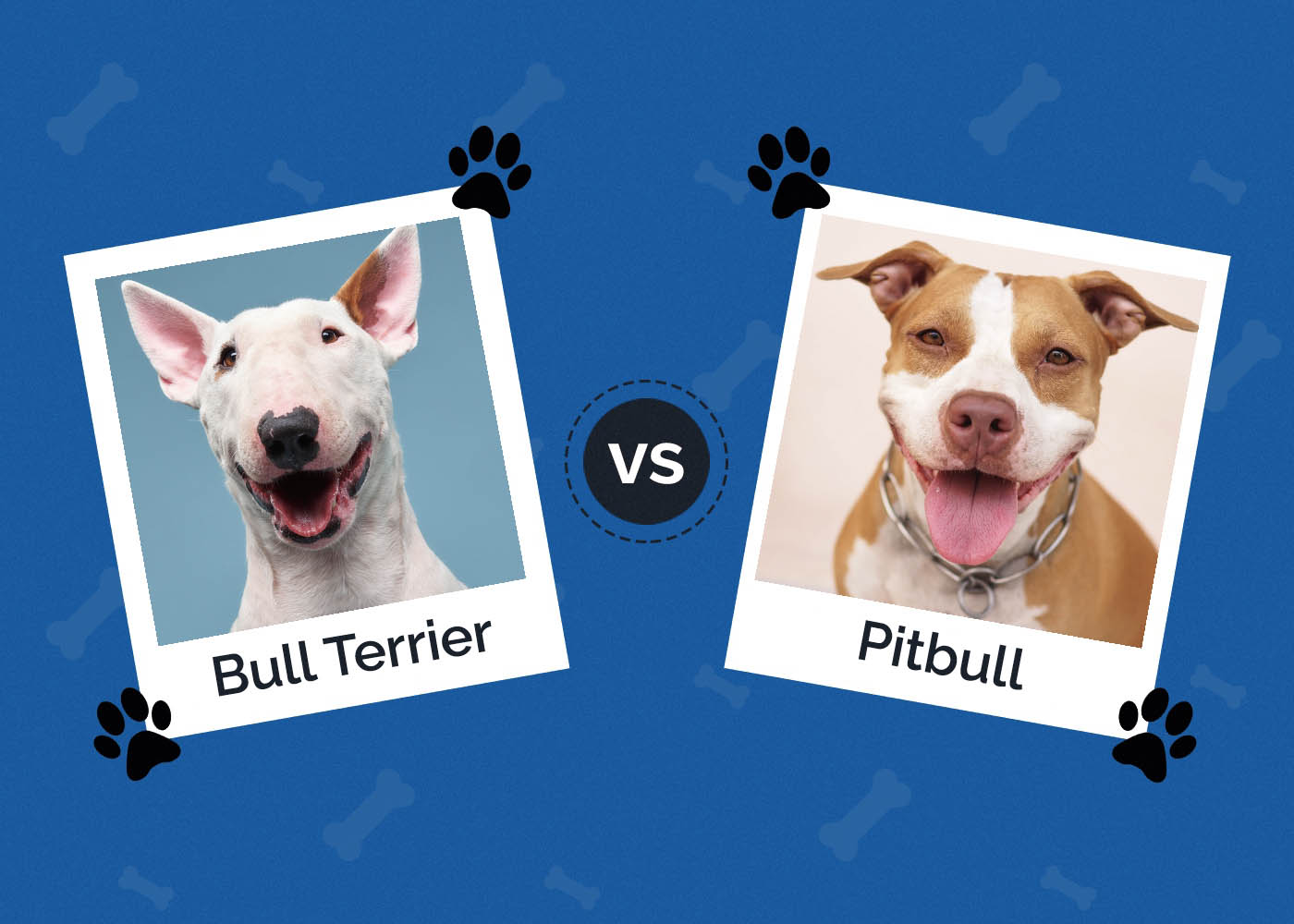
The Pitbull and the Bull Terrier are both considered loyal breeds. Both were bred to fight bulls, bears, and rats before the Pitbull became popular as a working ranch dog and the Bull Terrier became a companion pet. Both breeds can make good family pets, but they do need plenty of exercise and mental stimulation.
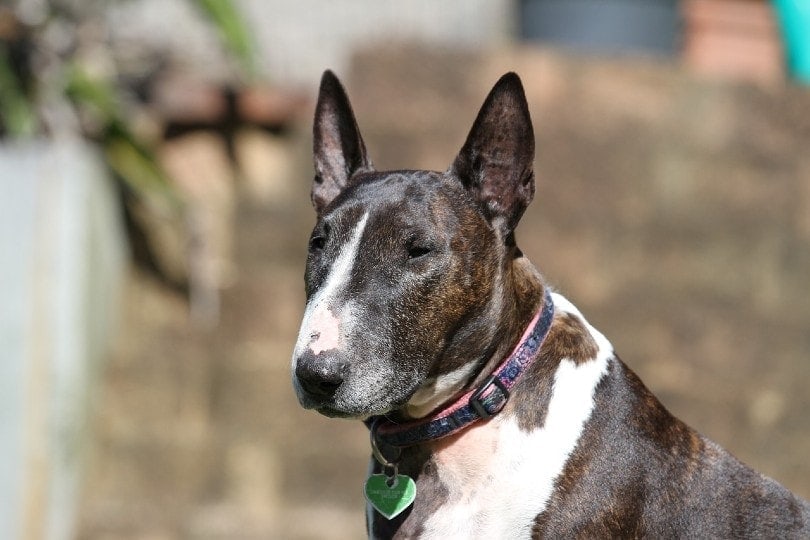
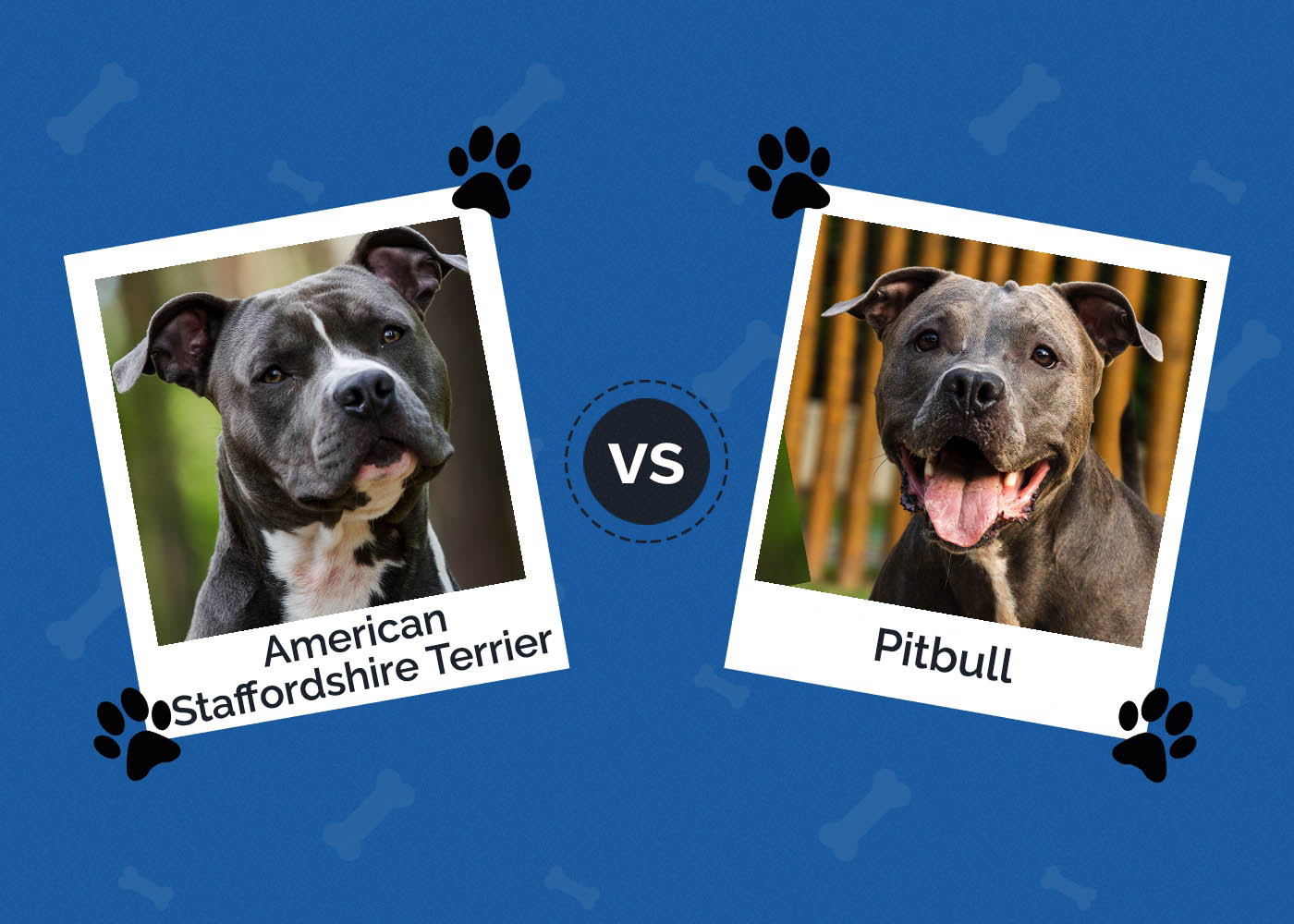
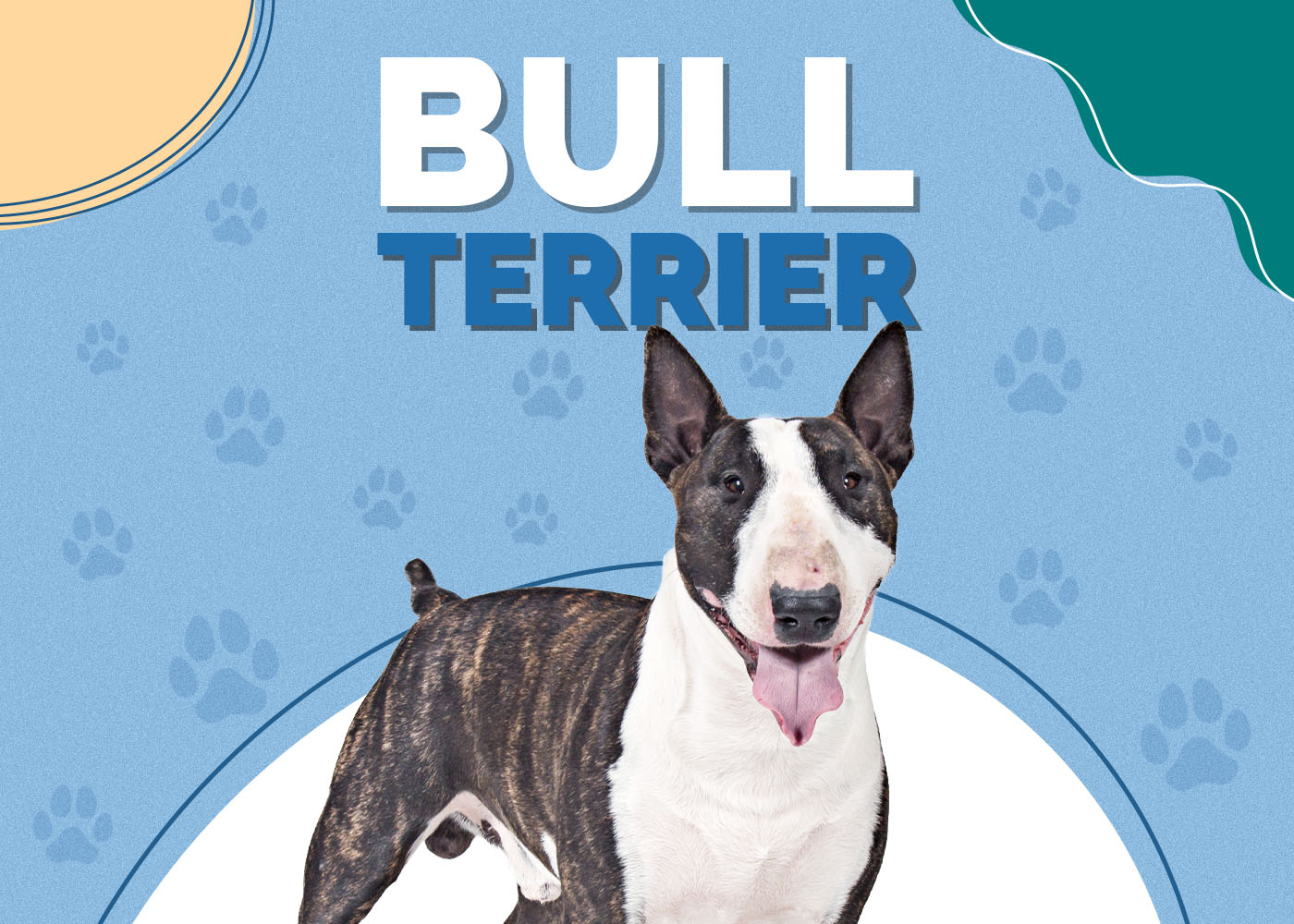
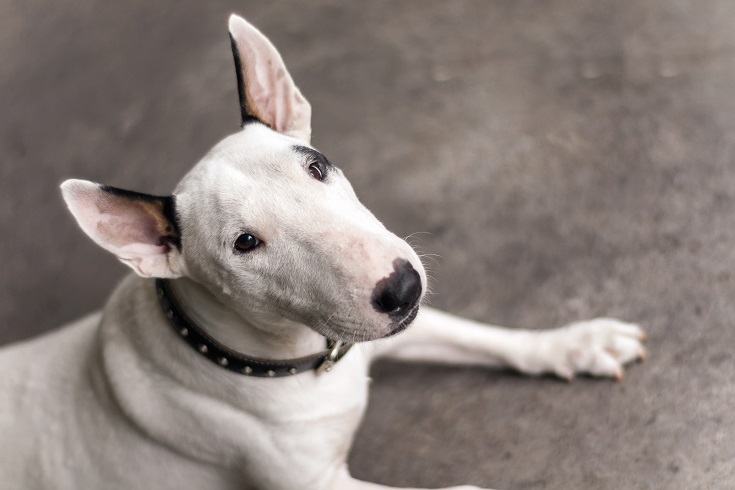
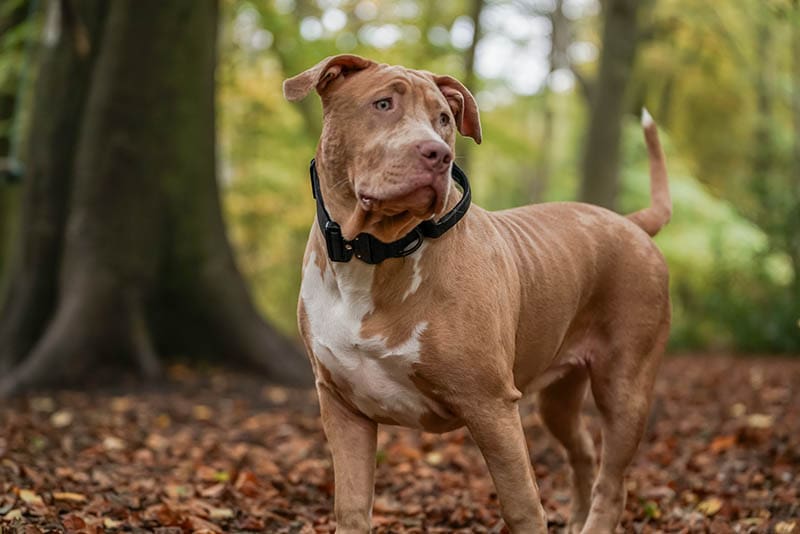
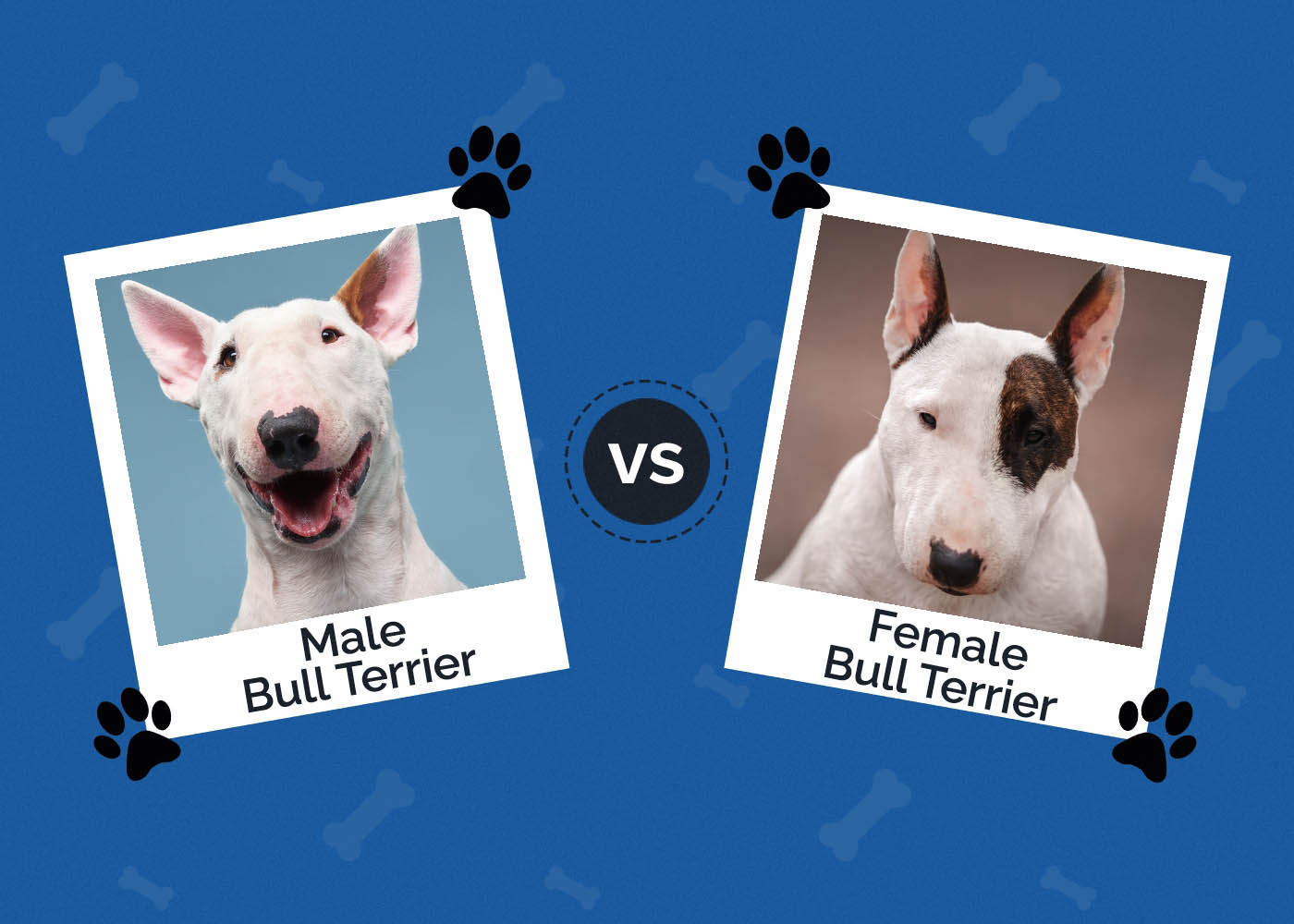
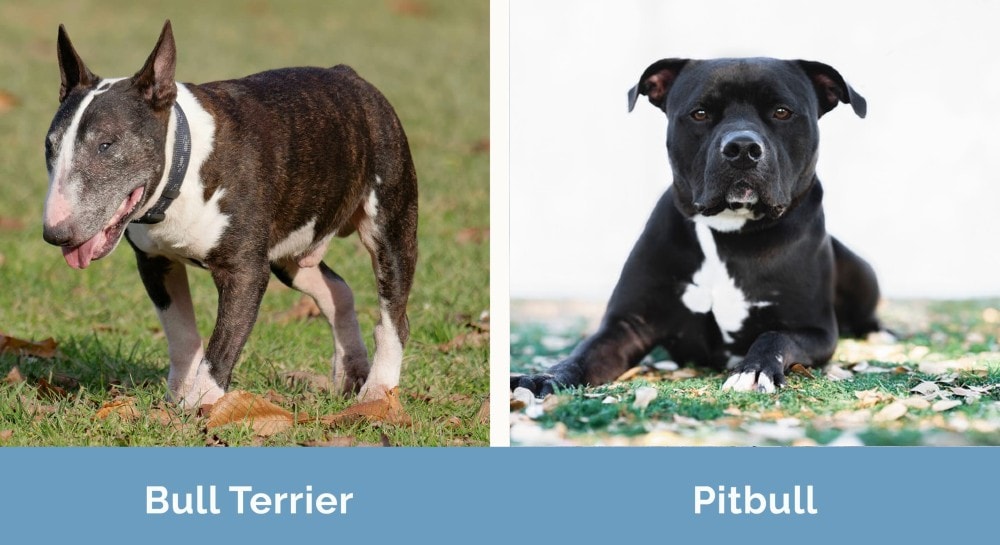
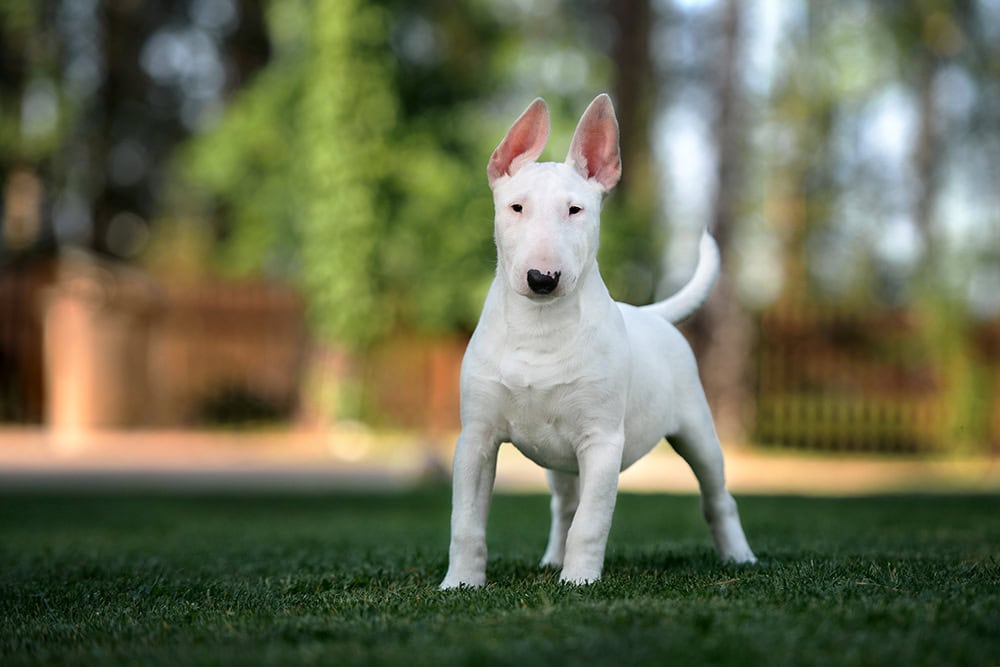
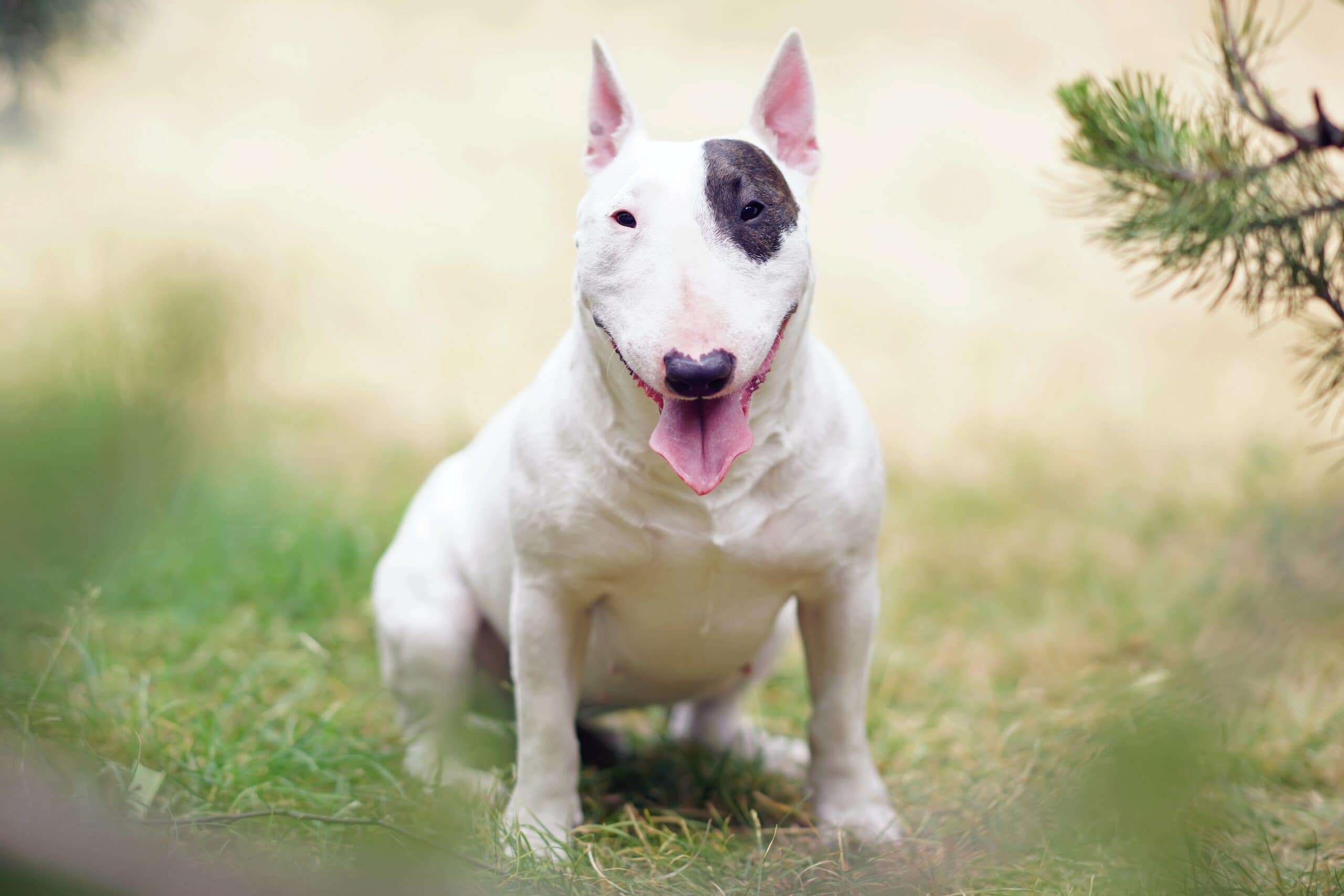
The major differences really come in the physical appearance of the two breeds. The Bull Terrier has a uniquely shaped head, sometimes described as egg-shaped or cone-shaped, which is the most obvious difference when compared to the Pitbull’s wedge-shaped head. They are similarly-sized dogs and are both considered protective breeds that need exercise, socialization, and training to ensure they grow up as well-adjusted dogs.
Below, we look at the two breeds and compare them to see their similarities and differences, so that you can decide which one is the right breed for you.

Visual Differences
At a Glance
Bull Terrier Overview
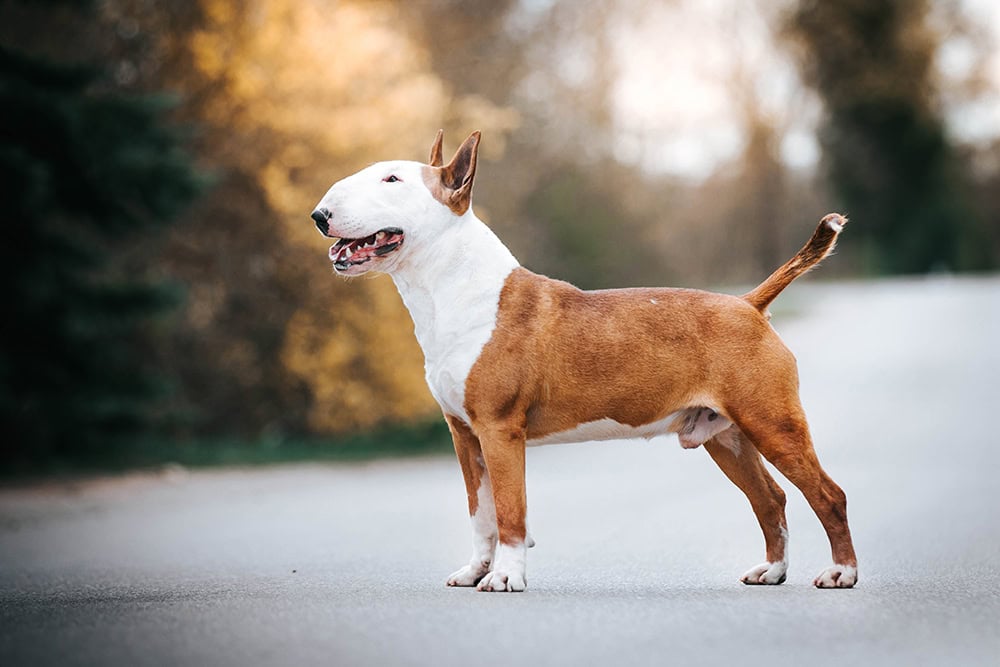
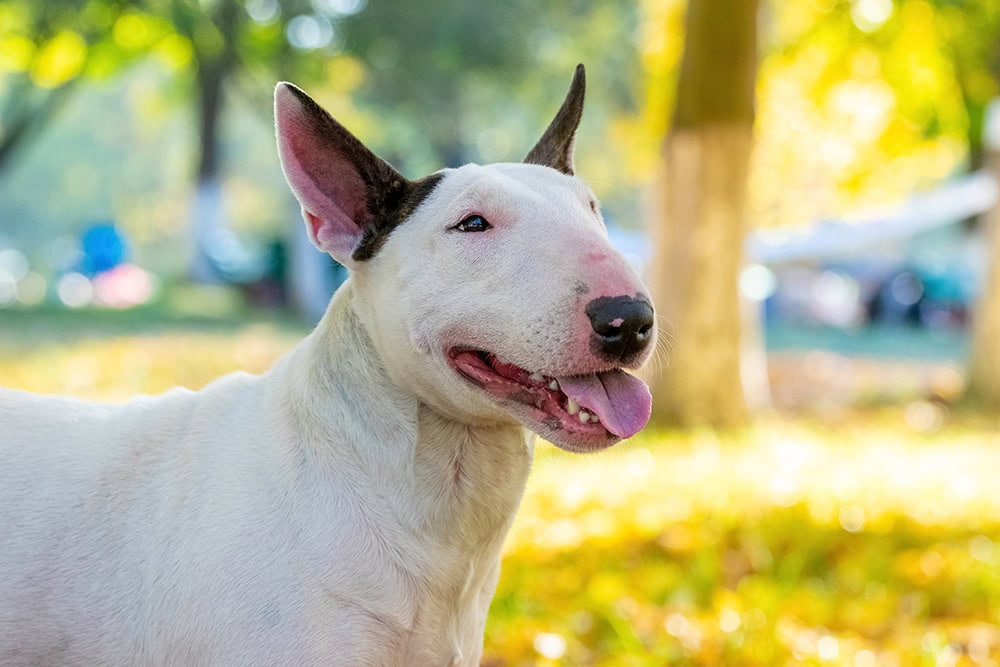
The Bull Terrier is best known for its unique shape of head and snout, but it also has something of a reputation for potentially being aggressive. Early socialization, consistent training, and plenty of exercise will help ensure that a Bull Terrier does not show signs of aggression. The dog is stockily built and has a powerful jaw. It also has a long snout and large head that sets it apart from other dog breeds and makes it instantly recognizable.
History
The Bull Terrier dates back to the 1830s. The Bulldog and English Terrier were likely used to create the breed before being further crossed with Spanish Pointers. They were bred for fighting and were used to fight dogs and other animals. The American Kennel Club accepted their first Bull Terrier in 1885 and the breed got its own official club in 1897. When dog fighting and other forms of fighting were prohibited, the breed largely became a companion pet and has undergone considerable breeding efforts to eliminate the potential aggression of early fighting dogs.
Personality/Character
This breeding has helped considerably, and today’s Bull Terrier is known for being loving and affectionate. It will get on with all family members and is especially good with children. The dog is lively and enjoys playing. It is always happy to welcome you home, but the breed can suffer separation anxiety if left alone for too long and if it has not been acclimatized to spending time alone. The breed is usually friendly with all people, including strangers, but it can still be aggressive with other dogs if it has not had extensive socialization from a young age.
Training
Early socialization of the Bull Terrier is critical. This means introducing the dog to new people and animals, as well as different situations, frequently. Not only does this mean that your puppy will get used to seeing people in uniforms and won’t react when cyclists cycle past, but it means that it will learn that new situations are nothing to be worried about.
Training is also key, and while the Bull Terrier is a generally smart dog, it can be quite stubborn and because it is prone to mischievousness, it may want to play rather than train. Keep training sessions short, use positive reinforcement, and be consistent with all of your training efforts, to enjoy the best results. A key area to train is leaving the dog alone. The breed is prone to separation anxiety so you should get your pup used to being left at home. Start by leaving them for a few minutes at a time and gradually increase the time they are left alone. Walk them before leaving them, provide interactive toys, and, if necessary, leave a radio or TV on.
Health & Care
The Bull Terrier is a short-haired breed, which means that you won’t need to brush too heavily or too often. It is still beneficial to brush a couple of times a week, though, because this helps remove dead hairs and eliminate knots and mats. You will need to brush your dog’s teeth three times a week and ensure that nails are kept trimmed.
Suitable For:
Active families that are looking for a loyal pet. Be prepared to offer plenty of daily exercise, as well as early socialization and training to ensure the breed grows up socially adept.
Pros
- Loving and loyal dog
- Good with family members and strangers
- Lively and fun character
Cons
- Needs a lot of early socialization and consistent training

Pitbull Overview
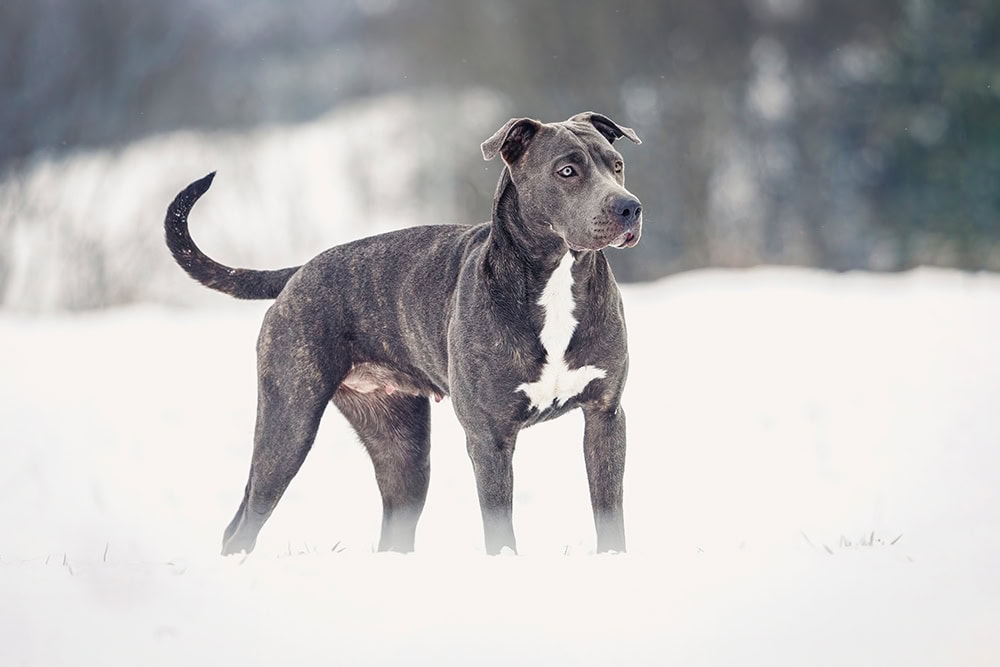
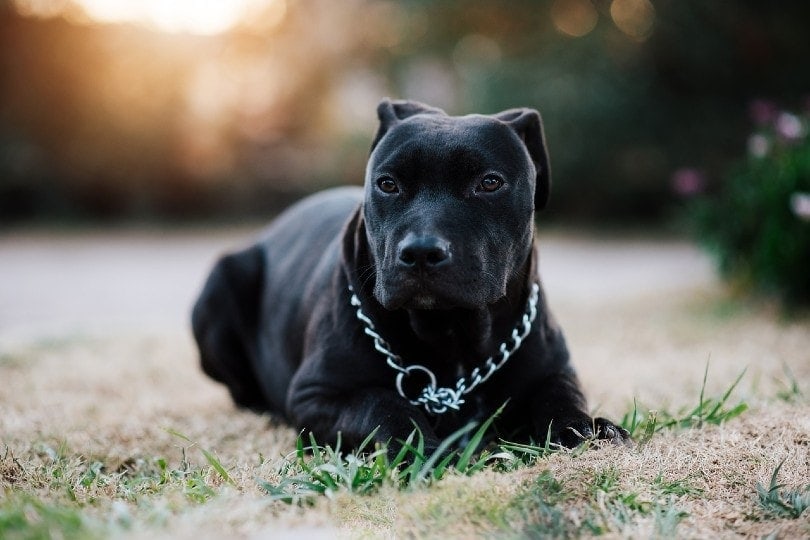
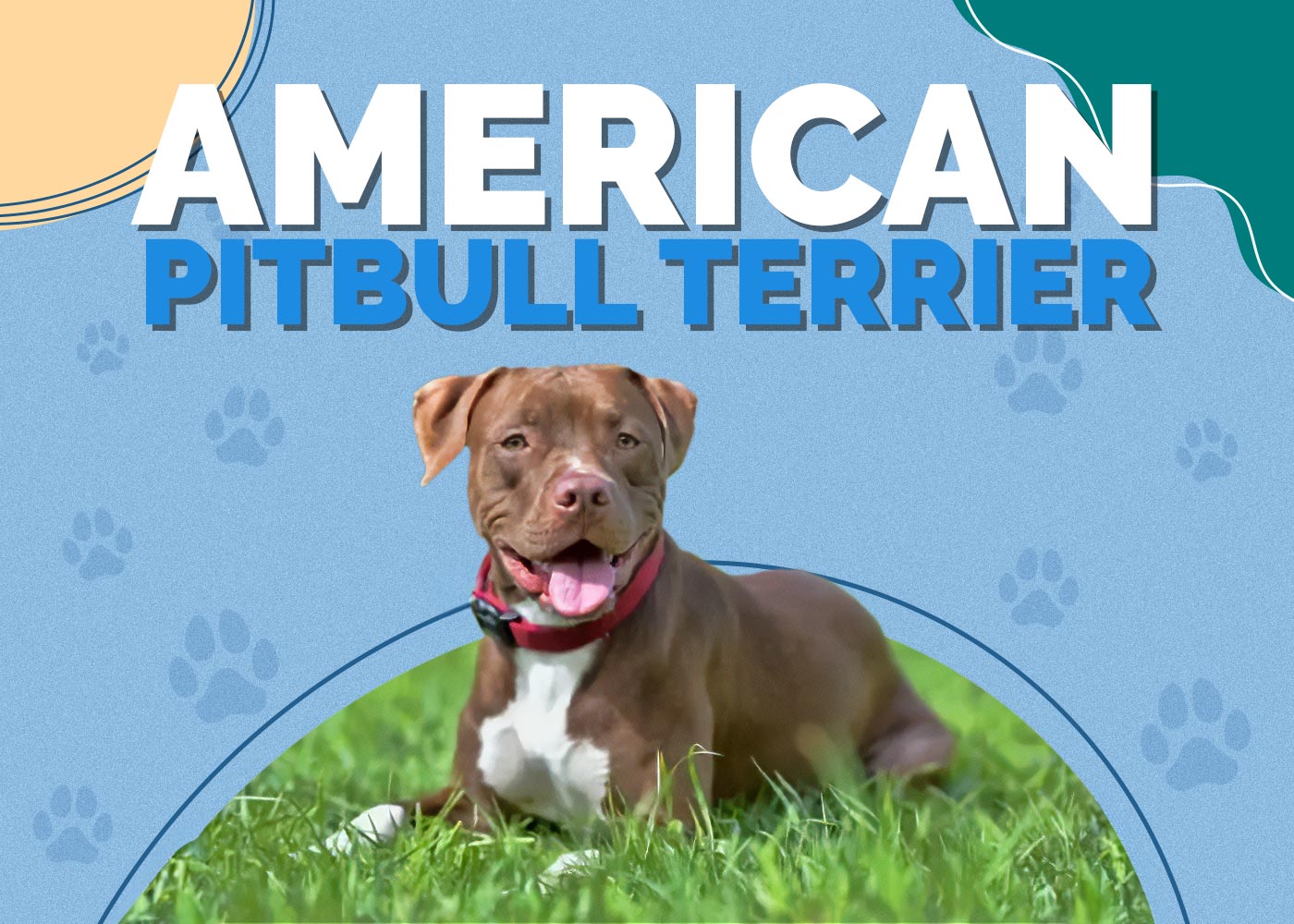
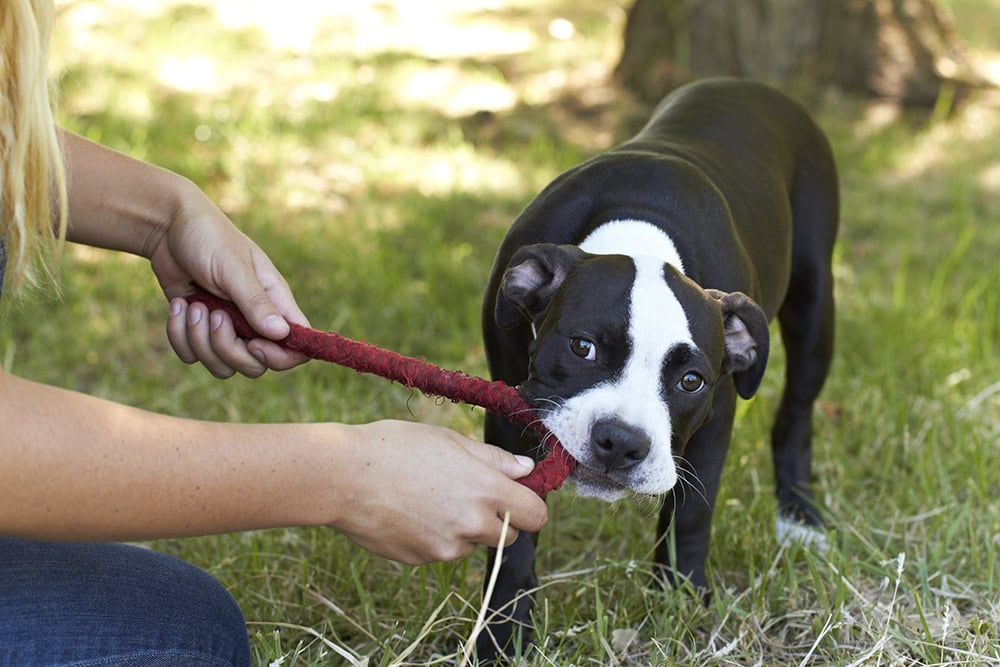
The term Pitbull actually refers to a group of dogs, which includes the Bull Terrier. However, when most people talk about Pitbulls they are referring to the American Pit Bull Terrier. This is the most popular of the Pitbull breeds and the one that we are comparing. The breed is known for being strong but also for being a loving and loyal family dog. Although it is a strong and muscular dog, its size is such that it can live in an apartment, but it would certainly benefit from having a yard or garden to run around in.
History
Early Pitbull-type breeds were first developed in England in the mid 19th Century. They were used to fight dogs, bait bulls, and to fight rats and even one another. The breeds were prized for their strength and tenacity but were also bred to be gentle with their human handlers. As dog fighting and similar sports were criminalized, and the dogs were brought to America, they became popular as farm and ranch dogs.
As well as some herding duties, Pitbulls were especially popular for their ability to fend off intruders. They were also used for hunting big game. When they were brought to the US, they were bred to be bigger and stronger, resulting in the American Pit Bull Terrier that we know today. The resulting breed got the name American Pit Bull Terrier in 1898. In the US it was recognized by the American Kennel Club in the 1930s but was given the name the American Staffordshire Terrier.
Personality/Character
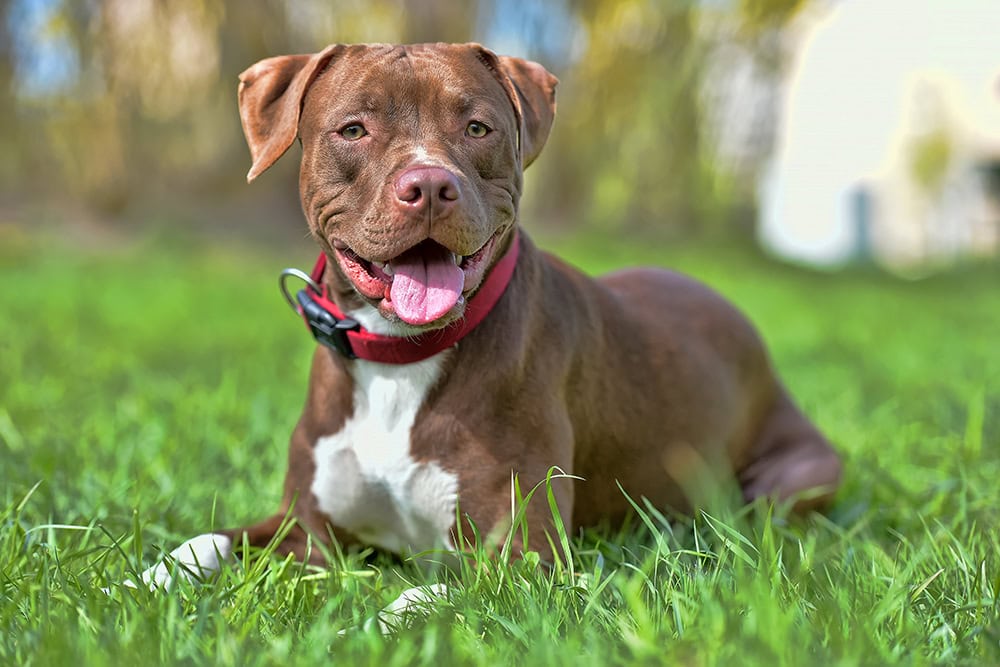
The Pitbull has a similar character to the Bull Terrier in some respects. It is an energetic and lively dog, and it will get along with all family members. It’s sometimes referred to as a nanny dog for its instinctive desire to look after children. They love people and will greet most strangers enthusiastically, but they can be fiercely loyal if they feel their family is under threat. Their history as a dog fighting breed means that the Pitbull will not always get along well with other dogs.
Training
Training and socialization are key, and, again, separation anxiety is a problem that you need to face. The training of a Pitbull may go a little easier than that of a Bull Terrier because the breed is eager to please and intelligent and isn’t usually as mischievous. The strength and high energy levels of the Pitbull also mean that it is a good breed for canine sports ranging from agility to more physically demanding sports.
Health & Care
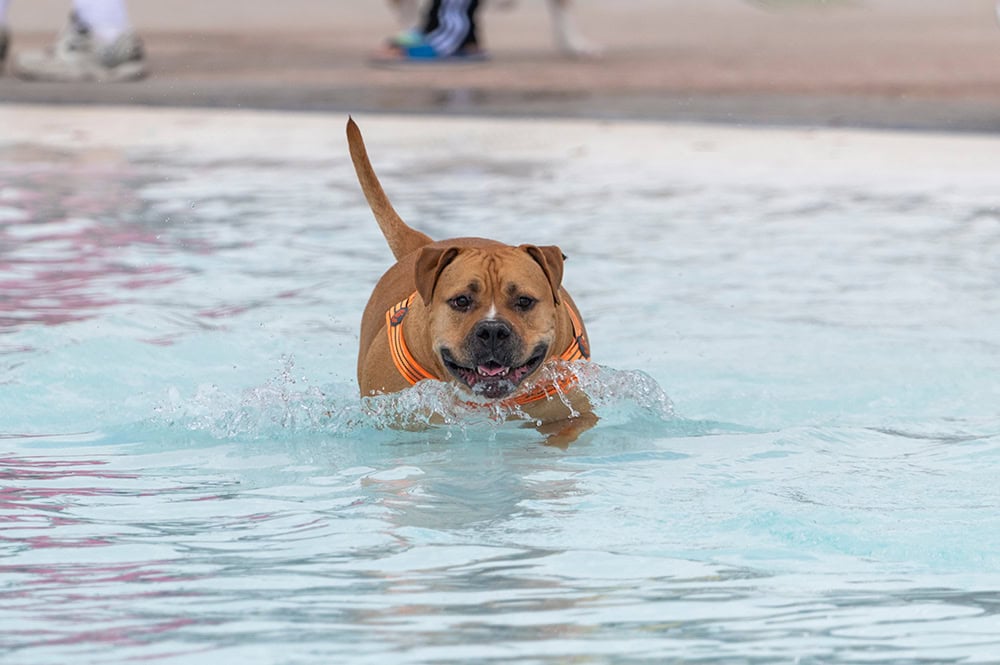
The Pitbull is prone to hip dysplasia, which is a condition where the ball and socket of the hip do not align properly. They are also somewhat prone to allergies and may be more likely to suffer heart disease, so owners should keep an eye out for early signs of any heart problems. Brush your Pitbull’s coat two or three times a week, and brush its teeth often. Again, check claws to make sure they aren’t getting painfully long and aren’t causing discomfort when your dog walks.
Suitable For:
Owners and families looking for a loyal pet dog. The Pitbull may make a good watchdog but will only really bark at people because they want attention. Pitbulls can live in apartments but need plenty of exercise and mental stimulation to ensure they’re happy.
Pros
- Loyal and loving family dog
- Good with children and strangers
- Good at agility and sports
Cons
- Needs early socialization and training

The Differences Between Bull Terrier & Pitbull
Reputation
Both of these breeds were originally bred for fighting. They would have been used in bull baiting and for fighting other dogs, rats, and potentially other animals. When fighting “sports” were banned, the two breed’s paths diverged. While the Pitbull went on to become a farm dog and was used to protect against wild predators while also hunting big game, the Bull Terrier became more of a companion pet. With socialization, training, and a good family environment, both of these breeds can become loving and loyal family members that are good with their own humans and get on with strangers.
Early socialization is key, though, and it means introducing your puppy to new people and new situations so that they get used to as many situations as possible and learn that new environments are not necessarily to be feared.
Training
Training is key to raising a well-behaved dog. It not only teaches essential commands, but it also teaches the dogs how you expect them to behave and how they should behave in certain situations. Enrolling in puppy classes is beneficial because it will give you a good basis for your early training and it will also allow for some early socialization with other puppies and their owners. Classes teach you how to train your dog and they also introduce some basic commands to your dog.
Overall, the Pitbull might be slightly easier to train than the Bull Terrier. The Pitbull has a more work-like attitude which means that it will be more inclined to pay attention during training sessions. The Bull Terrier is more mischievous and may look for ways to make training sessions more fun. If you can turn training into a game, and keep training sessions short, it is still possible to train a Bull Terrier effectively.
Behavior
The Bull Terrier is a playful breed that has a mischievous side. The Pitbull tends to be a little more level-headed but both of these breeds are loving companions that will want to spend time with their owners and families. While this does make for a great companion pet, it also means that they can suffer separation anxiety.
First Time Owners
Neither breed is recommended for first-time owners because they do require heavy socialization and training, and there is the possibility of either breed being aggressive with other dogs, although they will usually be friendly with people. Both breeds do have a bad reputation, too, and this is something worth considering because there is a stigma attached to owning breeds with this kind of reputation. This is especially true of the Pitbull but is also true of the Bull Terrier.
Which Breed Is Right for You?
Pitbulls are a type of dog that includes the Bull Terrier breed, but when people talk about Pitbulls they are usually referring to the most popular of the Pitbull breeds, the American Pitbull Terrier. As they both hail from the same early breeds, the Pitbull and the Bull Terrier are similar in many respects. They are both strong and muscular dogs that require plenty of daily exercise and also need early socialization and training. They are also similar in size, and both have a reputation for being aggressive.
While they can be aggressive with other dogs, especially if they haven’t been socialized from a young age, both breeds tend to be very good with people, including strangers.
Sources
Featured Image Credit: (L) dezy, Shutterstock | (R) Natthapot Chantaraviboon, Shutterstock
Get Hepper In Your Inbox


Pet care tips from our vets and experts, straight to your inbox.
You may opt-out at any time. View our Privacy Policy for more information.

Nicole is a lover of animals of all sizes but is especially fascinated with the feline variety. She’s the proud mom of Baby, a Burmese, and works every day so he can relax in the sunshine or by the fire. She’s always had a cat in her home and has spent countless days with others, observing behaviors and softening up even the grouchiest of the lot. Nicole wants to share her kitty expertise with you so you and your cat can live happy, healthy, and care-free.
Join the conversation
Ask a question, share your story, or send private feedback.