Hepper is reader-supported. When you buy via links on our site, we may earn an affiliate commission at no cost to you. Learn more.
When Do Border Collies Go Into Heat? Vet-Approved Facts


In this article
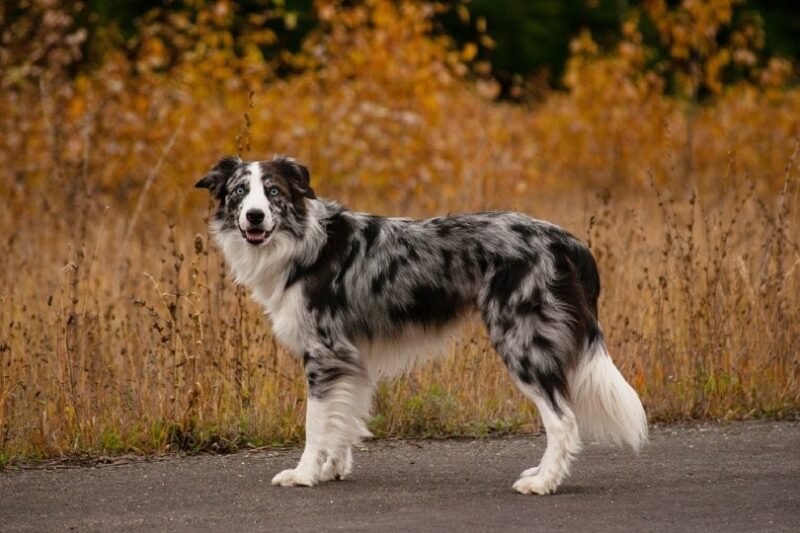
As a Border Collie owner, you have your hands full with these clever dogs. They need a job, tons of exercise, and games to keep them happy and healthy. But if you have a female Border Collie, you've got one more thing to get ready for: their first heat.
In general, Border Collies go into their first heat at 6–8 months old. That said, every dog is different. Some Border Collies can enter their first cycle earlier than six months or as late as 12–16 months. That's perfectly normal.
Knowing the general timeframe will help you get ready for when it happens. Keep reading to learn more about Border Collie heat cycles, including symptoms and how to care for your dog during that time.

Common Signs a Border Collie Is in Heat
Most Border Collies reach sexual maturity by six months. This triggers hormonal changes that, in turn, lead to physical and behavioral changes that indicate their first heat cycle.
As early as four months, start monitoring your pup for symptoms like:
Again, each dog is unique; some may show all these signs, while others might only express a few.
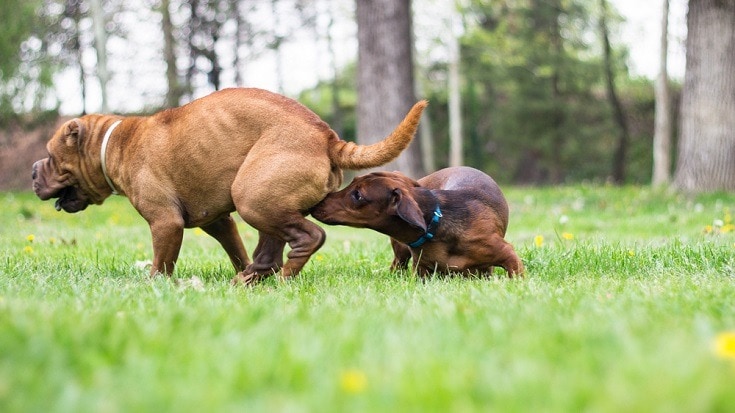
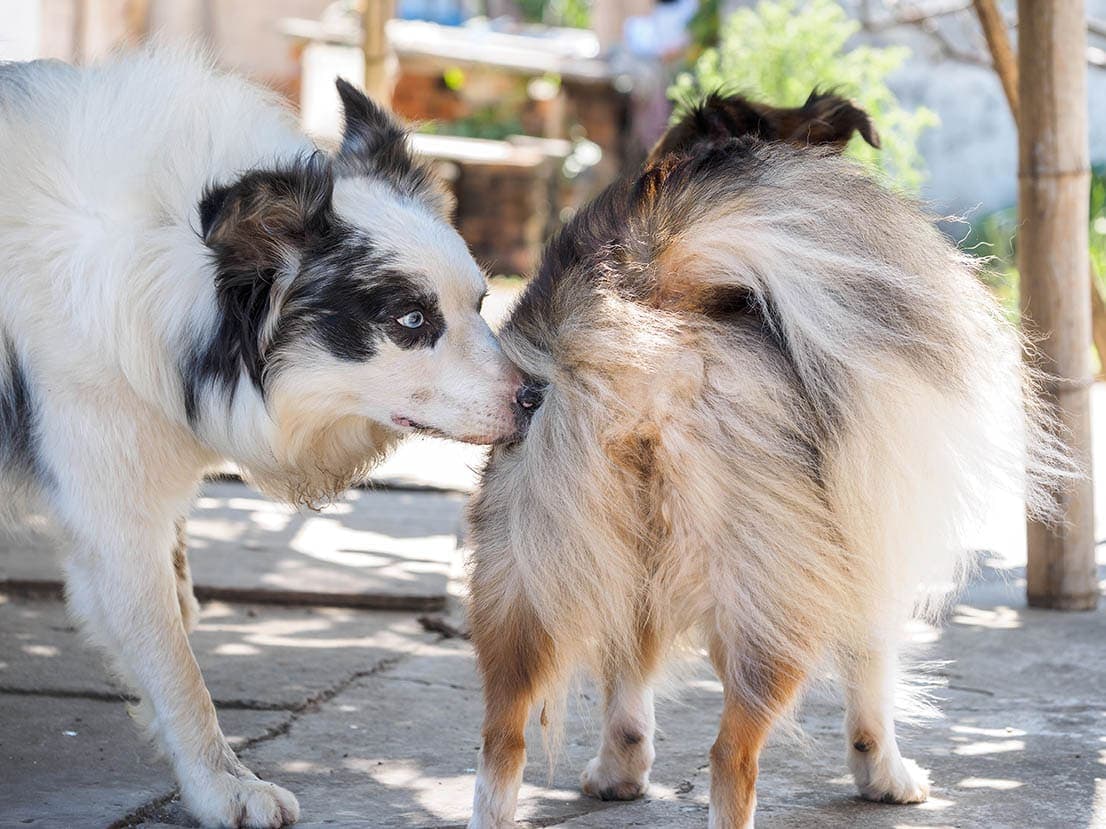
Some dogs, including Border Collies, may experience silent heat. They can still get pregnant but won't show any outward signs of heat. If you have intact male dogs in the house, be extra vigilant. They will still be able to detect a silent heat and will try their hardest to get to the female.
How Often Do Border Collies Go Into Heat?
Border Collies typically experience two heat cycles per year, once every six months.
This can still vary, with some Collies only going into heat once a year or even longer between cycles. The frequency of a dog's heat cycle depends on several factors, such as size, genetics, diet, general health conditions, and lifestyle.
Your dog's cycles may fluctuate the first few times before it settles into a regular pattern. And unlike humans who enter menopause, female dogs will experience heat cycles for a lifetime.
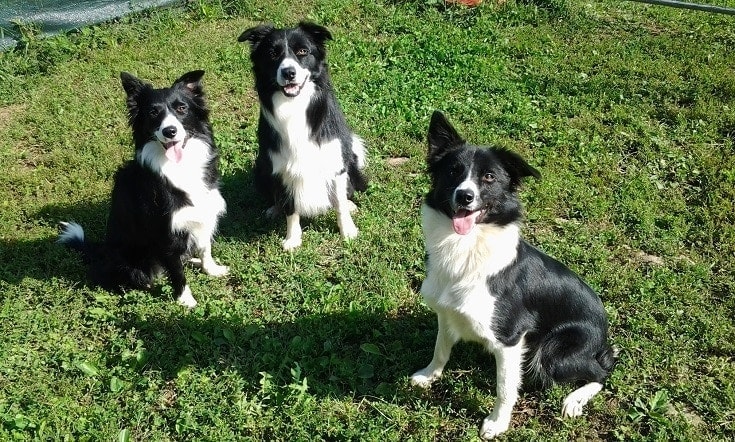
The Stages of a Border Collie's Heat Cycle
A Border Collie's heat cycle has four phases: proestrus, estrus, diestrus, and anestrus. The first two are the most important and constitute most of their heat cycle. Let's break it down below:
Proestrus
This is the earliest stage of the heat cycle, which can last anywhere from 7–10 days. Female Collies are infertile during this stage. Their bodies are only preparing for ovulation, which happens during the estrus stage. They will have a bloody vulval discharge.
Note that most dogs aren't receptive to mating during the proestrus stage of their heat cycle. That's why you may observe increased aggression against male dogs.
Estrus
This is the stage when your Border Collie can become pregnant, aka their fertile window. You may notice your female Collie be willing to seek out—and even to mate with—male dogs. In contrast to the proestrus, they may be aggressive to other females instead. The estrus stage typically lasts 5–10 days. The bloody vulval discharge lessens and may become clear, straw coloured fluid.
Diestrus
At this point, the female Collie is no longer fertile and will start to show signs of her heat cycle waning. As her hormones start to balance, her behavior will return to normal. The diestrus stage may last from 10-14 days.
In case your female Collie conceives during estrus, her body will stay in diestrus for the entire pregnancy.
Anestrus
This is the resting period of your Border Collie's heat cycle and will last until her next one.
Can You Spay a Border Collie Before Their First Heat?
Yes, you can. Spaying a female Collie before its first cycle can help prevent serious health complications, including mammary tumors and infections in the reproductive organs.
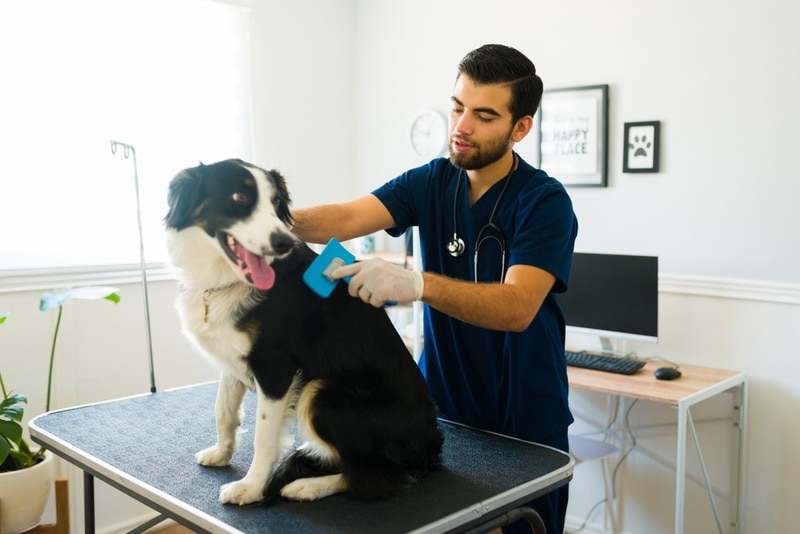
Not to mention, it can also put an end to the side effects of being in heat, including bleeding, aggression, and discomfort. To help you decide, talk to your vet about the best time for spaying your Collie.

The 8 Tips to Take Care of a Border Collie in Heat
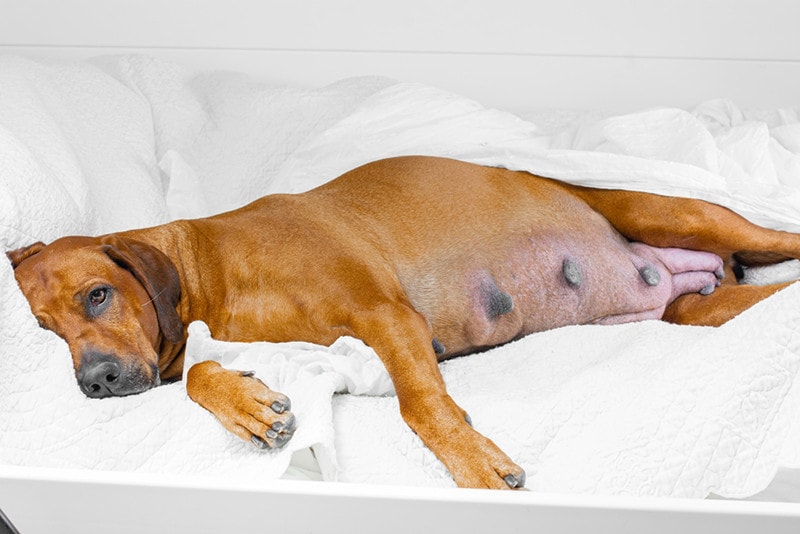
Going into heat is rarely painful for dogs, but it can be uncomfortable. Your Border Collie will need lots of TLC during their cycle. You'll also need to protect them against pregnancies as females should not be mated at their first season.
Use these tips to keep your Collie comfy and safe while they're in heat:
1. Be Patient
First and foremost, be understanding toward your Collie. Your normally sweet pup may start acting out, like not wanting to eat or snapping at other dogs in the house.
Never punish her for this behavior. This is natural; your dog's body is undergoing a hormone storm, and they're not feeling like their normal self. Give her space and a place to retreat to.
2. Ramp Up the Brain Games
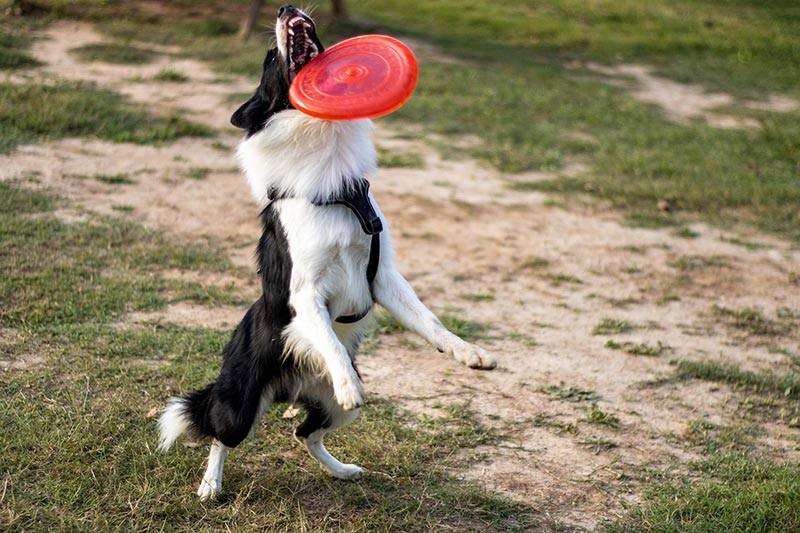
Heat or not, Collies will always be active dogs. Unfortunately they should be kept away from other dogs during their heat and may not be able to go out on their usual walks. To compensate for reduced walkies you can use extended training time, puzzle toys, and playtime at home to distract them.
3. Stick to a Routine
It may be tempting to just want to cuddle up with your Collie all day, but follow their regular feeding, training, and sleeping times.
Dogs thrive with consistency, and even more so during difficult times like their heat. Getting consistent sleep and nutrition can also help to keep them calm.
4. Make Meal Times More Exciting
Your Collie may not want to eat much while in heat, so keep a few tricks up your sleeve. Add extra flavor to their meals, like chicken broth, a spoonful of peanut butter, chicken/turkey breasts, or their favorite fruits and veggies. You can also use a lickimat or food puzzle toy.
5. Keep Your Collie Leashed
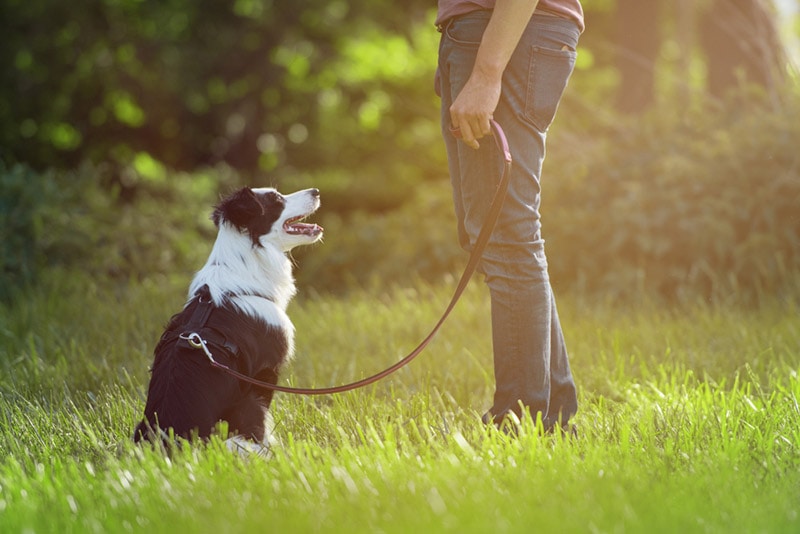
Dogs in heat are more prone to escaping or roaming to find mates. To be on the safe side, don't let your dog go off-leash, even in your own backyard. If she only wears a regular collar during your walks, consider having her wear a harness to give you better control.
6. Limit Interactions with Other Dogs
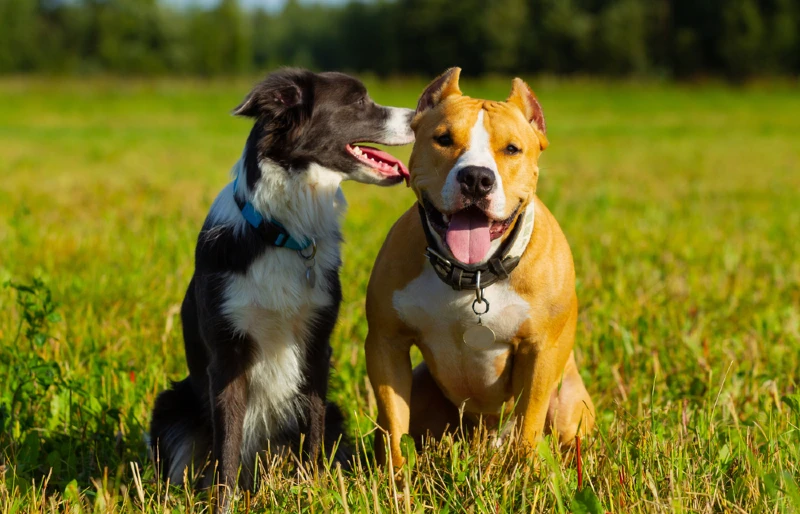
Because Collies in heat can be unpredictable (e.g., aggression during proestrus and estrus), it's best to keep her apart from other dogs until her heat is over. This goes double for dogs who are not your pets. Limiting her interactions can help prevent fights and reduce her agitation. It is also important to keep your distance to avoid accidental matings and causing agitation in other dogs.
7. Create a Calming Environment for Your Collie
Diffuse dog appeasing pheromone products, add more soft blankets to her bed, or ask your vet for calming supplements/treats if your dog seems particularly anxious. Temporarily relocating her bed to a quiet corner of the house can also help her settle down.
8. Clean Up More Frequently
Heat cycles can get messy, and some dogs may breed heavily. Prevent bacteria build-up by wiping down your Collie's coat and any items she has come in contact with. Wash her dog bed every other day or as needed if she's leaving a discharge around. A doggy diaper can also help contain any messes.
Final Thoughts
Dealing with your dog's heat cycle is a natural part of owning a female Border Collie. This can be a challenging time for your dog, so be ready to provide more love and patience while they go through it.
Supplement your Collie's health with exercise, routines, and plenty of distractions to keep their mind off the hormones. Consider having her spayed as well with guidance from your vet. With your help, your Collie should make it through the heat cycle and come out healthier and closer with you than before.
Sources
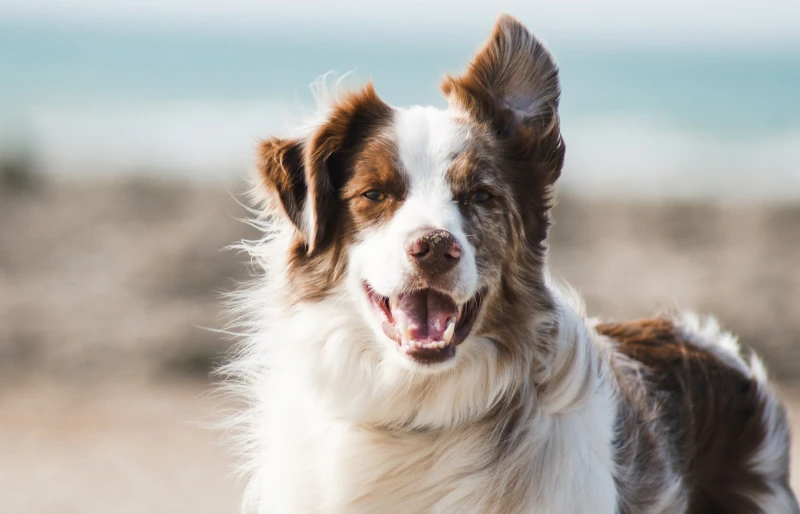
Featured Image Credit: Pauline Loroy, Unsplash
Get Hepper In Your Inbox


Pet care tips from our vets and experts, straight to your inbox.
You may opt-out at any time. View our Privacy Policy for more information.
Nicole is a lover of animals of all sizes but is especially fascinated with the feline variety. She’s the proud mom of Baby, a Burmese, and works every day so he can relax in the sunshine or by the fire. She’s always had a cat in her home and has spent countless days with others, observing behaviors and softening up even the grouchiest of the lot. Nicole wants to share her kitty expertise with you so you and your cat can live happy, healthy, and care-free.
Join the conversation
Ask a question, share your story, or send private feedback.