Hepper is reader-supported. When you buy via links on our site, we may earn an affiliate commission at no cost to you. Learn more.
When Do Bernese Mountain Dogs Go Into Heat? Vet-Reviewed Stages & Care Tips


In this article
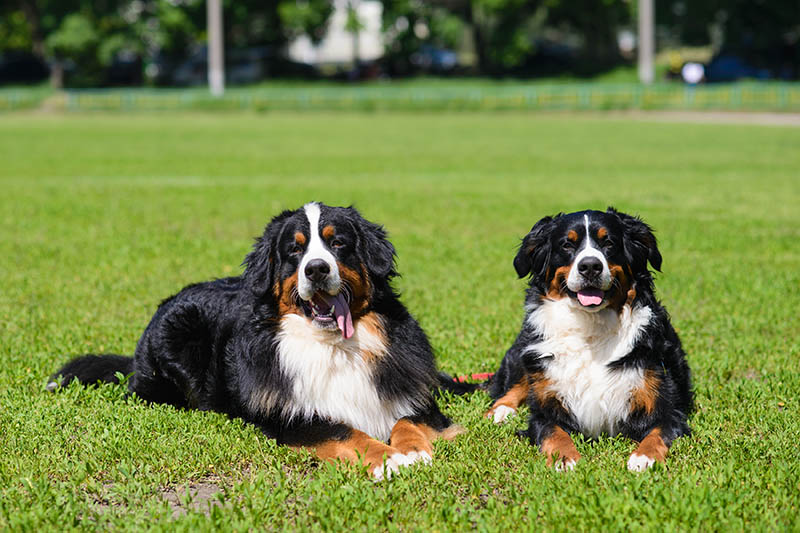
With good care and a healthy lifestyle, there will come a time when a healthy female dog will be ready to breed. This period is referred to as being in heat. In Bernese Mountain Dogs, the females go into their first heat period between 8 and 14 months old. However, it can occur earlier, at 6 months, or even later at 18–24 months.
Before going through their first heat cycle, the dogs can get a little skittish and anxious, but each cycle is unique to a specific dog. The cycle repeats twice every year, lasting approximately 2 to 4 weeks. Bloody discharge from the vulva is normal during heat and usually lasts for 7–12 days.
In this article, we will discuss everything you need to know about a Bernese heat cycle, signs of heat, and tips on how to handle your dog during her heat cycle season.

The First Heat Cycle of a Female Bernese Mountain Dog
As large dog breeds, it's quite common for Bernese Mountain Dogs to experience their first heat later than smaller dogs. As mentioned earlier, this can happen between the 8th and the 14th month of age. Of course, it can happen earlier than the average age or later. In fact, some dogs may not go into heat before their second birthday.
During the first two years, heat cycles in female Bernese tend to be irregular,1 but they normalize with time.
If you intend to breed your Bernese dog, you should only do so if they are over 2 years of age and have been tested for common health issues associated with the breed. The include the following:
Recommended Tests for Bernese Mountain Dogs
Frequency of Heat Cycles in Female Bernese Mountain Dogs
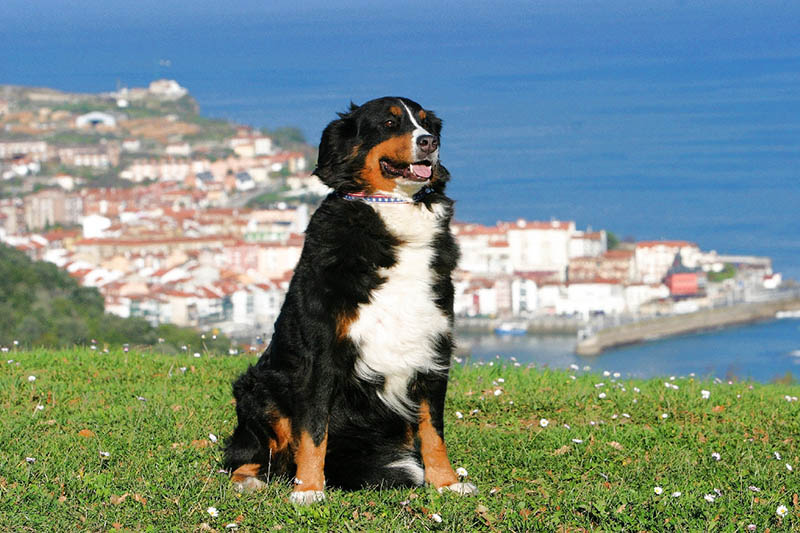
Generally, almost all dogs experience heat cycles every six months after establishing a regular pattern.2 Yet, in large dog breeds like Bernese Mountain Dogs, it can be less frequent. While some female Bernese dogs go into heat every 6 to 8 months, others experience the cycle every 8 to 10 months.
Once the female goes into heat, it can last for about three weeks. But this varies by a few days.
The Four Stages of Bernese Mountain Dog Heat Cycle
For you to get an in-depth understanding of what happens when your female Bernese is going into heat, it's important to know the four stages involved in each heat cycle.3
1. Proestrus
This is the first stage of the heat cycle and lasts about 7–10 days. During this period, your dog will not be ready and willing to mate. Her vulva will swell, and she may have bloody discharge from her vulva which varies in color and intensity for each dog.
2. Estrus
This is the second stage of a Bernese female heat cycle. It is perhaps the most noticeable of the stages because your dog will display signs that they are ready to mate. It lasts for 5–10 days.
Signs of the Estrus stage include:
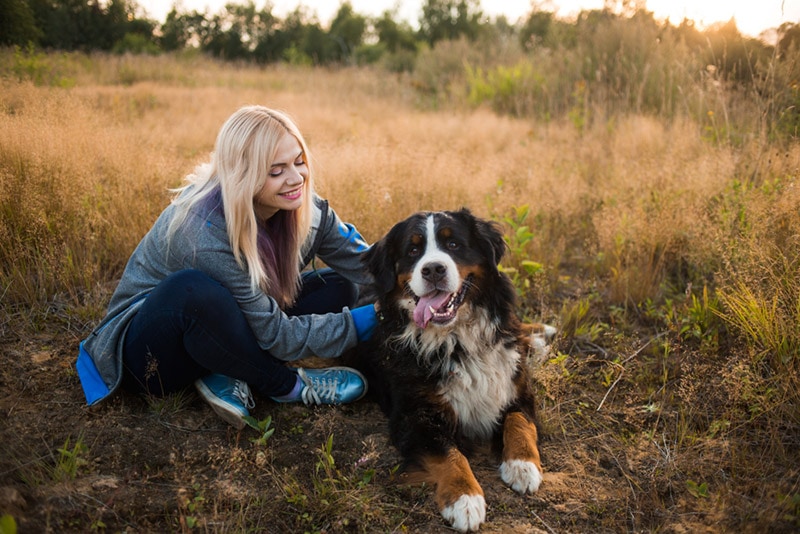
During estrus, females attract and accept males. Ovulation occurs during this time, usually 2 to 3 days after mating.
3. Diestrus
Diestrus lasts anywhere from 10–140 days after heat when your dog is either pregnant or in a resting phase.
Signs of Diestrus:
4. Anestrus
The fourth heat cycle stage is considered the resting stage. Your female Bernese dog will remain in this stage up until the next heat cycle starts in about 6–8 months.
Tips to Keep Your Pet Healthy and Safe While in Heat
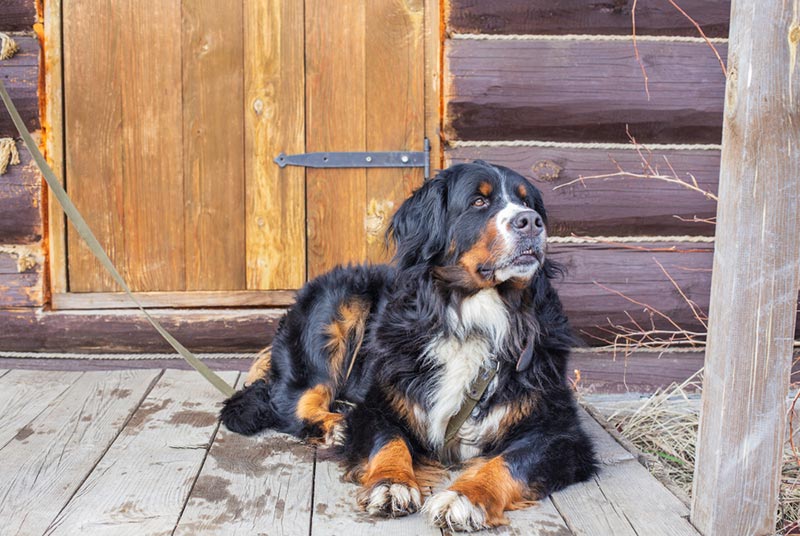
As a Bernese Mountain Dog owner, you should ensure that your females are well taken care of while in heat. The tips outlined below will make the entire process hassle-free and easier to manage. Preparation is the key!
Consider Doggy Diapers or Belly Bands
Because female dogs will have bloody discharges when they're in heat, doggy diapers or belly bands are recommended. These not only prevent a mess in your house but can also help prevent unwanted pregnancies by physically preventing a male dog from accessing your female.
Get Plenty of Old Towels
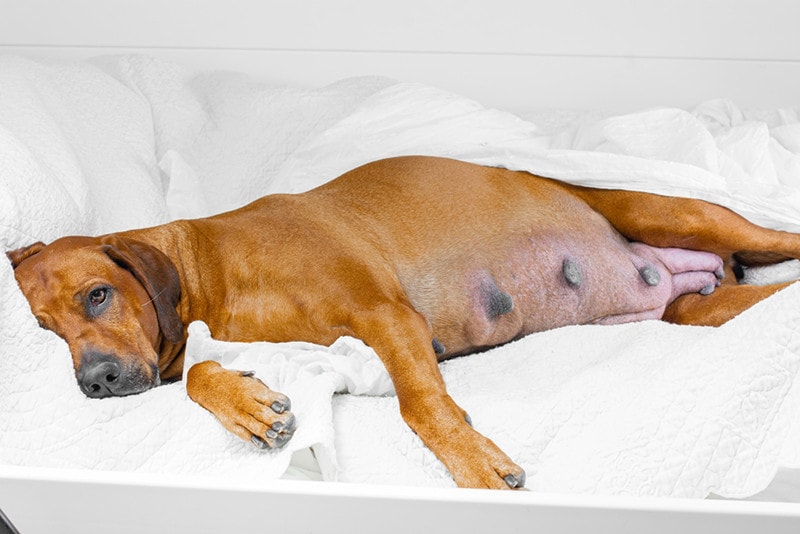
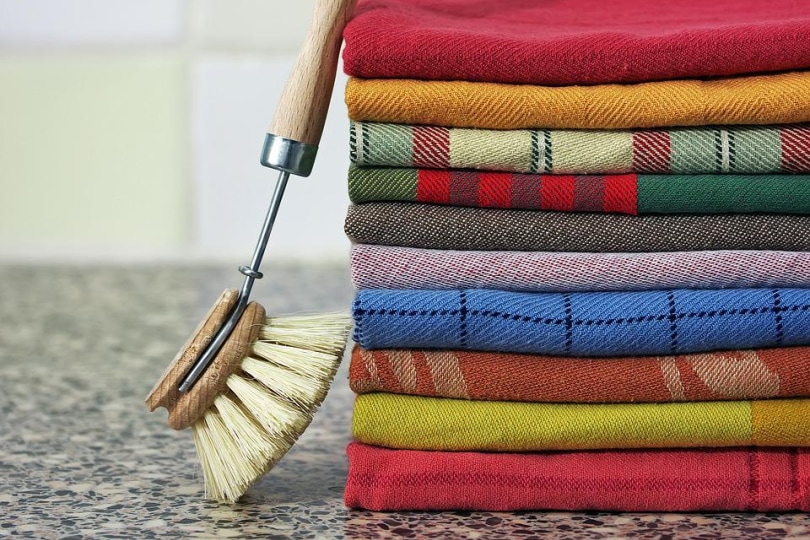
It is not uncommon for a female dog to bleed or have discharge while in heat. To save your couch, carpet, furniture, and even your dog's bed, consider laying down a bunch of old towels, especially where your dog likes to lie. This facilitates easier cleaning while maintaining hygiene around the house.
Make a Makeshift Rest Area
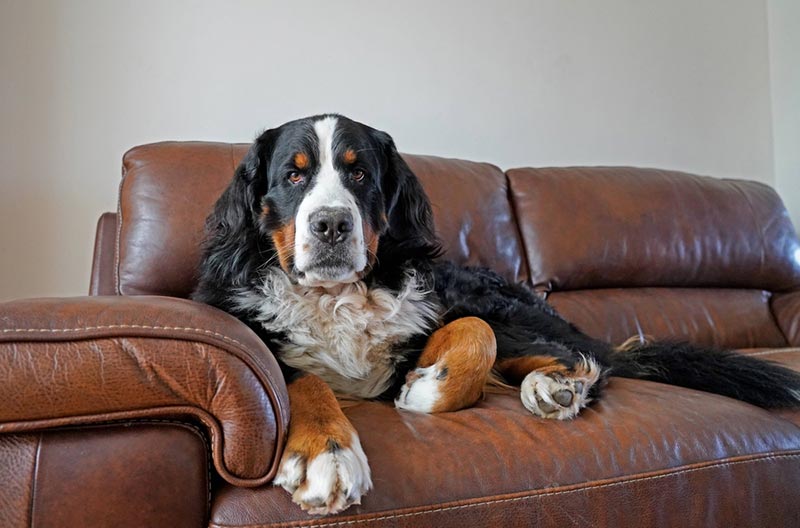
Alternatively, you can create a limited space in your home for them to roam in during the heat cycle. This means restricting your female to easy-to-clean areas that do not have upholstered furniture or carpets.
Expect and Prepare for Change in Behavior
Most Bernese owners are often surprised by the weird change in their dog's behavior, and rightly so. It can be quite disconcerting to see your dog experience mood swings, from an affectionate and cuddly dog to a meanie with evil stares. At times, your female may be loving and extra clingy, while other times, they will just want to be left alone.
So, if your Bernese is experiencing a heat cycle, ensure that everyone in your household understands that it is normal for them to experience random behavior and mood swings during the period. The best thing you can do is give her space when she wants some downtime and support her when she is looking for affection. Her behavior will stabilize and go back to normal after the heat cycle.
Supervise Your Dog While Outdoors
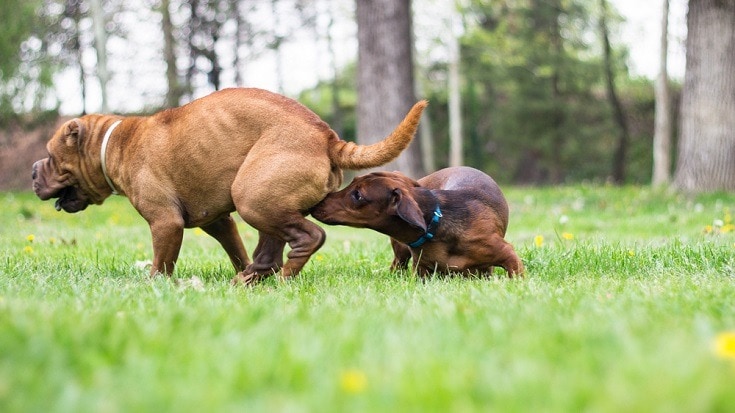
While on heat, never allow your dog to go outside unsupervised, even if it's just in your backyard. During the first two heat cycle stages, her scent can carry for long distances. Not only will your female attract males, but she will also be tempted to try and escape to seek out a mate.
To avoid losing your dog while in heat, ensure she is always supervised while outside. You can also avoid unwanted pregnancy by keeping your dog away from unneutered males.
Adjust Your Dog's Exercise Routine
You should also consider adjusting your dog's exercise routine for the same reasons given above. If you have a big backyard, you can exercise your dog at home for 3 weeks to avoid interactions with other dogs in public. This will help prevent nasty fights.
If you still opt to exercise your dogs in public, it is best to keep your dog on a leash or choose the least busy time to go for a walk.
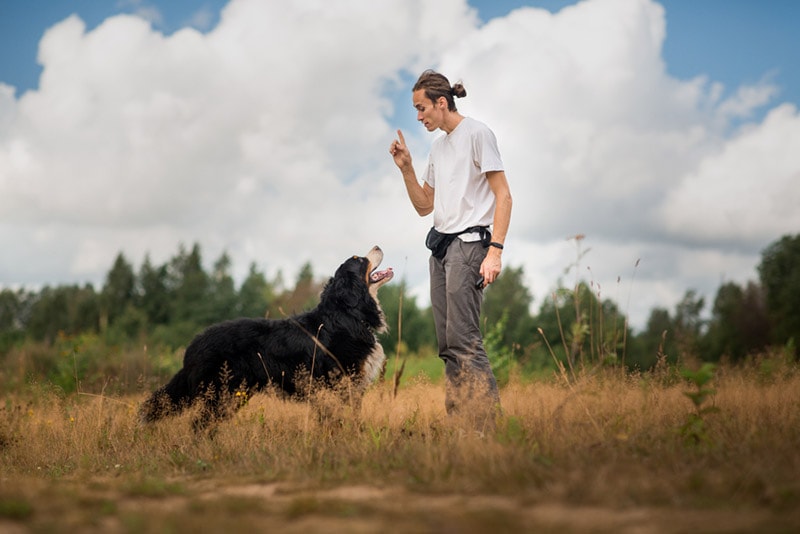
Keep Your Dog's Resting Area Clean
While going through their heat cycles, female Bernese dogs usually spend more time in bed. This means the bed or resting area will quickly get dirty from the discharge and blood from the vulva. To minimize bacterial infections, you must regularly wash their beddings and keep their resting area germ free.
Be Prepared for a Loss in Appetite
Your female Bernese will likely experience changes in feeding habits while in heat. To ensure that she is eating and receiving the required nutrition, it's best to have some tasty incentives ready for the cycle period. If your dog refuses to eat, consult your veterinarian for advice.
Schedule a Vet Appointment After the Heat Cycle
It is a good idea to take your Bernese to the vet post-heat. Though very rare, some health complications can occur after the first heat cycle. Besides, Bernese Mountain Dogs require a routine veterinary appointment after every 6 months, so it would be ideal to time it with the end of your dog’s first heat cycle.
Note
Final Thoughts
Bernese Mountain Dogs typically go into heat between 8–14 months. Female Bernese experience heat twice a year, usually lasting for 3 weeks and is characterized by bleeding/discharge. If your dog is experiencing the first heat cycle, ensure you are prepared for it.
Be on the lookout for mood swings and physical signs like frequent urination, a swollen vulva, and discharge from your dog's vulva. Ensure they are always supervised while outside to avoid interactions with other dogs that could result in pregnancies and dog fights.
We hope the detailed information we have provided above about the Bernese Mountain Dog heat cycle will help you prepare for her first heat.
Sources
Featured Image Credit: Cheese78, Shutterstock
Get Hepper In Your Inbox


Pet care tips from our vets and experts, straight to your inbox.
You may opt-out at any time. View our Privacy Policy for more information.
Nicole is a lover of animals of all sizes but is especially fascinated with the feline variety. She’s the proud mom of Baby, a Burmese, and works every day so he can relax in the sunshine or by the fire. She’s always had a cat in her home and has spent countless days with others, observing behaviors and softening up even the grouchiest of the lot. Nicole wants to share her kitty expertise with you so you and your cat can live happy, healthy, and care-free.
Join the conversation
Ask a question, share your story, or send private feedback.