Hepper is reader-supported. When you buy via links on our site, we may earn an affiliate commission at no cost to you. Learn more.
Why Do Cats Like Catnip? Vet-Verified Feline Facts & FAQs


In this article
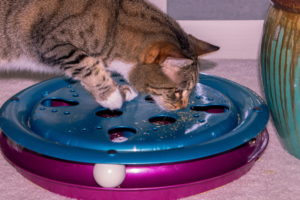
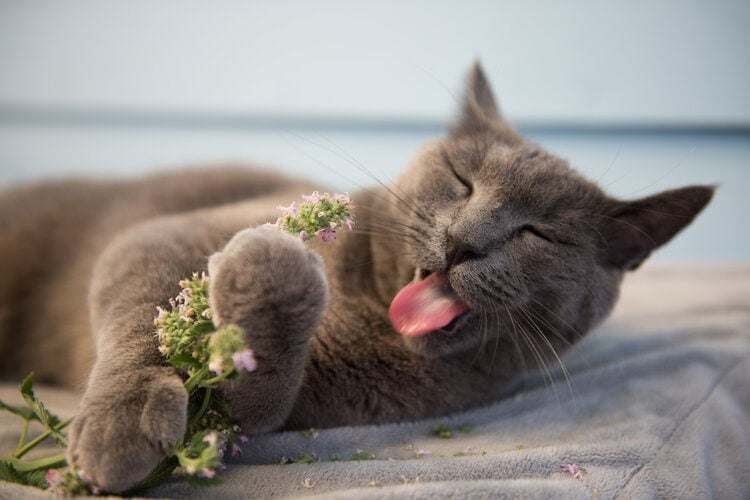
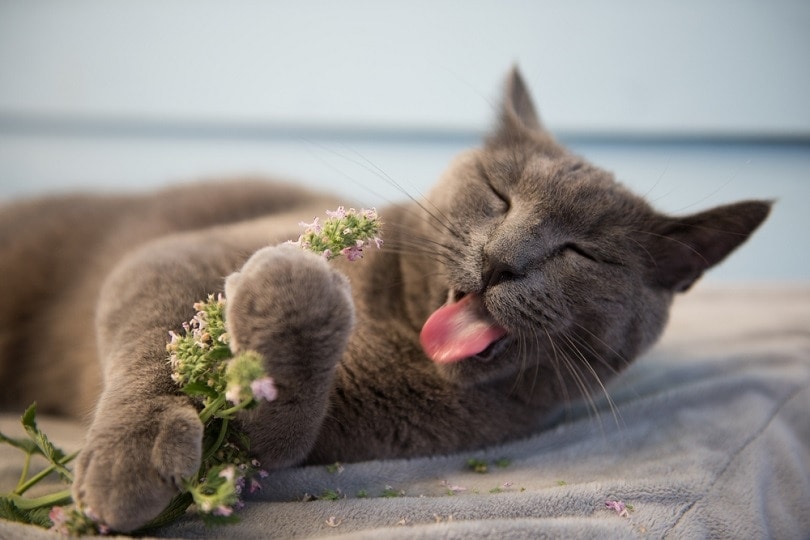
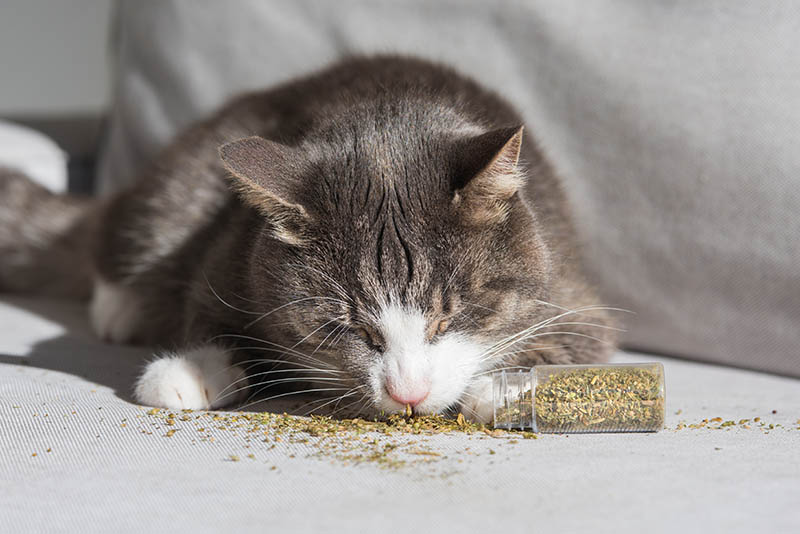
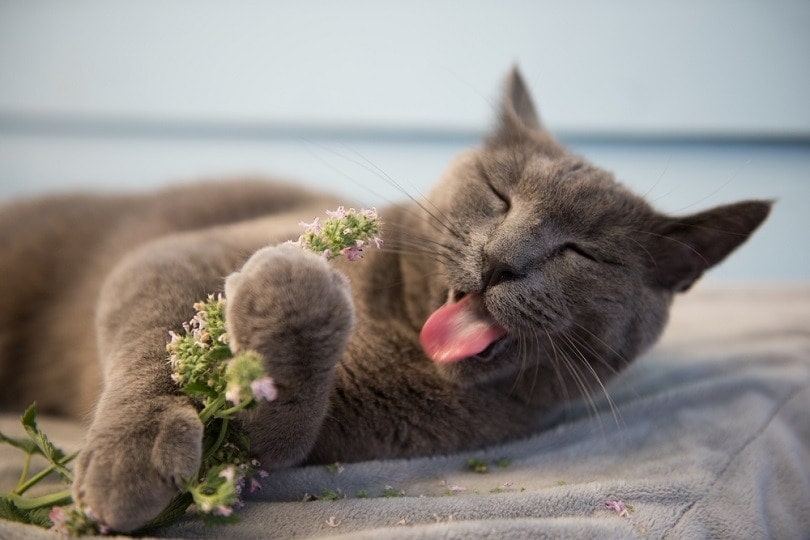
If you have a cat, the chances are you’ve bought your pet some catnip, whether loose or in a toy. It doesn’t take long for its effects to occur. You will notice even older pets will roll around, clutching their toy in their paws and acting like kittens. Undoubtedly, there are thousands of videos on YouTube documenting the antics of felines with their nip.
The fascinating thing about catnip is the reason behind the reaction, which is caused by a chemical called nepetalactone. It’s not food, although cats will often eat it. It may have minimal nutritional value. The question is, what is the appeal of what many people may consider a weed?

The Active Ingredient in Catnip
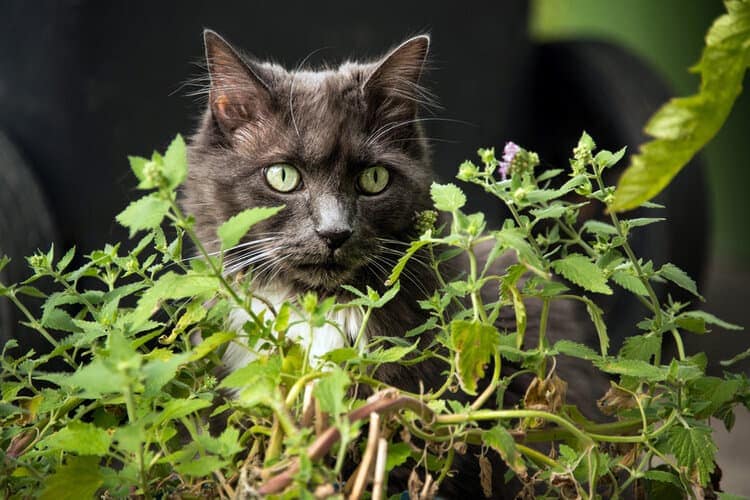
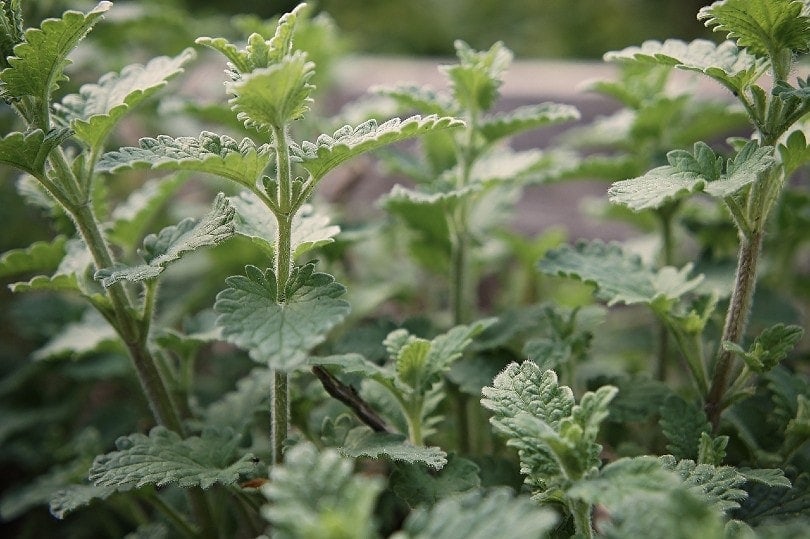
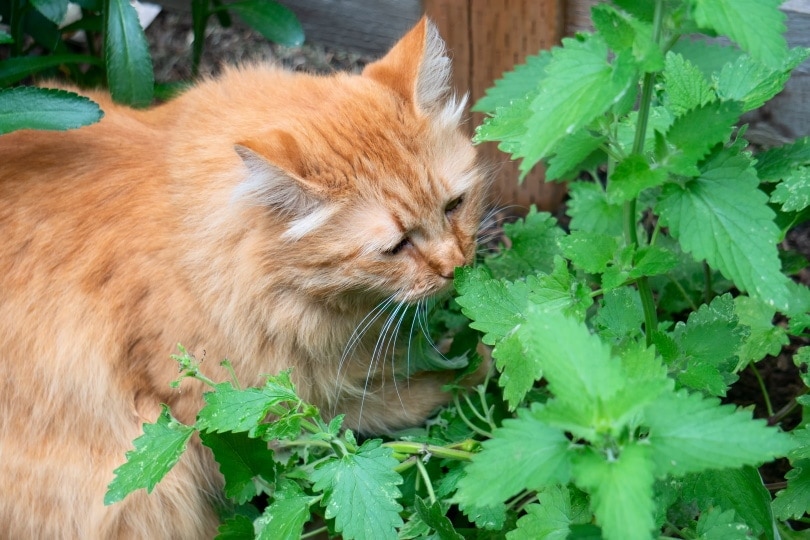
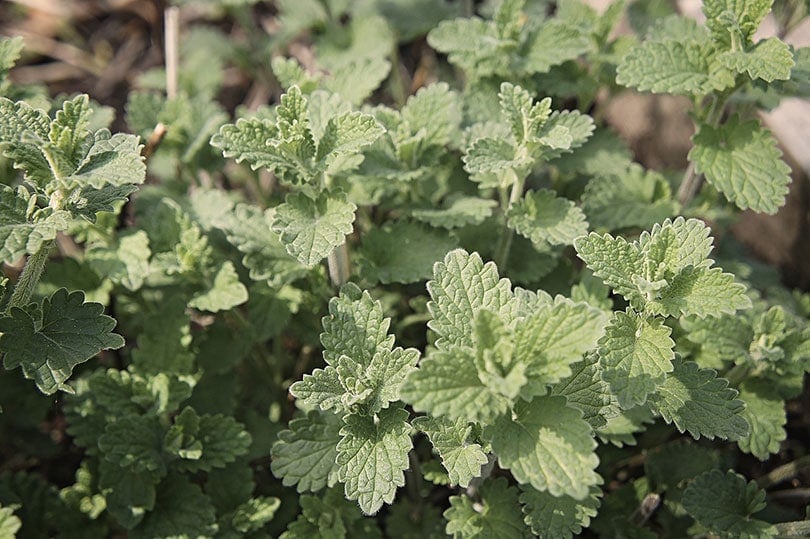
Catnip, or catmint as it’s called in Europe, is part of the Mint family (Lamiaceae) of plants. It includes many familiar aromatic plants, such as rosemary and sage. The scent comes from volatile oils that exist within the plants. Catnip is a perennial plant that typically occurs in a variety of habitats with partial shade and well-drained soils.
Catnip is native to Asia, Europe, and the Middle East. It is an introduced species in North America and is found in the lower 48 states and Alaska, including much of the southern Canadian provinces. Its wide distribution reflects the plant’s ability to spread easily outside cultivation, and it is considered invasive in some areas. It has a square stem, like most mints. Catnip has an unmistakable pungent odor when the leaves are crushed.
The ingredient that puts the nip in catnip is a chemical called nepetalactone. Researchers suggest that this compound may mimic certain feline pheromone signals, which may help explain its effects on some cats. Many cats show a brief period of excitement followed by a calmer phase, which is why your pet may fall asleep after it has had its fill. Its effects are relatively short-lived, with bouts of about 5–15 minutes in responsive cats.
It’s worth noting that not all domestic cats react to catnip. Research suggests that there is a genetic component to the feline reaction. Catnip may trigger behaviors that resemble those seen during reproductive communication in adult cats, and kittens usually do not respond until they are several months old because sensitivity develops as they mature.
The Appeal of Catnip and Other Felines
The native range of catnip means that many other felines probably encountered the plant in the wild. It turns out that it can produce similar behavioral effects on these animals. Scientists have recorded strong reactions in various species, including bobcats, lions, and leopards. Interestingly, they behave in ways similar to domestic cats exposed to catnip. We can’t help but smile, thinking of the king of the jungle rolling around in the grass.
The responses exist just with felines. Other species, such as rodents and birds, don’t react to nepetalactone, although they may investigate the plant because of its odor. While we know that the active ingredient may mimic certain feline pheromone signals, what else about it attracts cats to catnip? For that answer, we can look at human uses for some clues.
Human Use of Catnip
The folklore contains many accounts of using catnip for various medical purposes. It was traditionally used in herbal medicine for a number of health conditions, ranging from colic to toothaches to bronchitis. Some people used the dried leaves as a tea to give to restless children because of their mild calming effects reported in traditional herbal use. Its uses didn’t escape the 1960s generation, who used it as a marijuana substitute, even buying toys to get it.
We can conclude from this anecdotal evidence that perhaps cats like catnip just because it makes them feel good. However, science has uncovered another use that may prove beneficial to both humans and felines. Research by the American Chemical Society has found that nepetalactone can repel certain mosquitoes and, in laboratory conditions, has shown repellent activity comparable to or stronger than some synthetic repellents, though it is not used as a standard replacement for DEET in human insect repellents.
Catnip and its compound nepetalactone have also shown repellent effects against several insects, such as cockroaches, termites, and stable flies. Perhaps it may provide some insect-repelling benefit for cats when they roll around in the plant. Many consider mosquitoes the most deadly organisms on the planet because of the many diseases they transmit to humans and animals, including yellow fever, West Nile virus, and heartworm disease.
Tips for Giving Your Pet Catnip
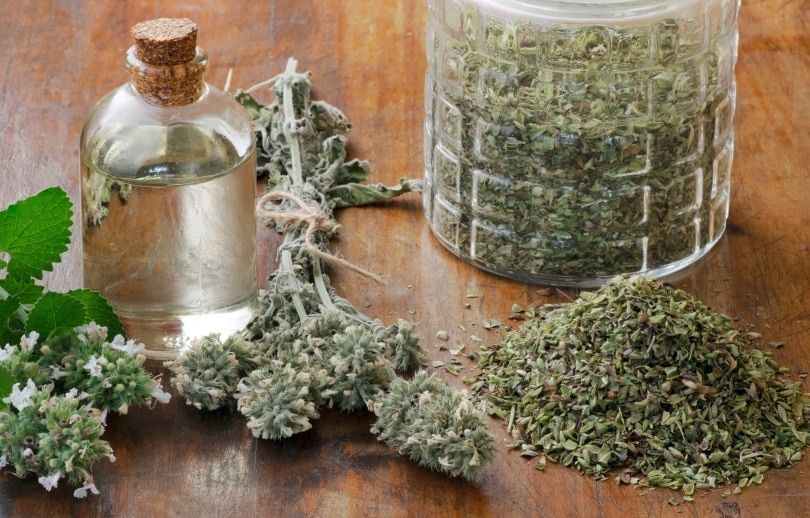
It makes sense that as a pet owner, you’d want to give your kitty something that will make it happy. Catnip certainly fits the bill. If it offers other benefits, it’s an even better choice. You’ll find it in several forms, including loose leaf, dried plant material, and filled toys. You can even grow it in your backyard. However, remember that it can spread readily in some areas and may be considered invasive in certain regions.
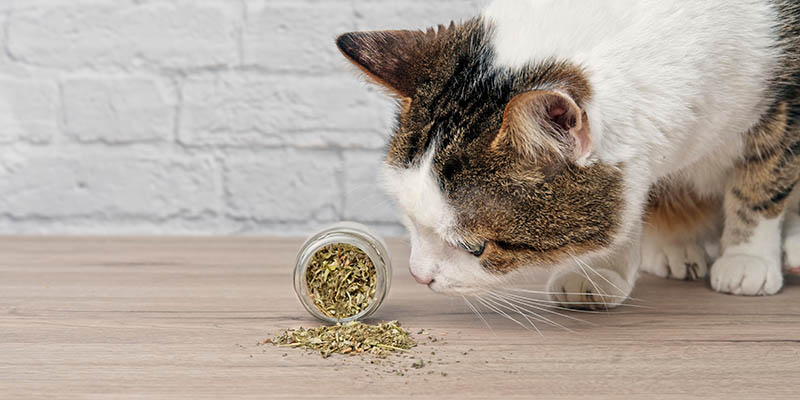
If you use loose catnip, it’s helpful to keep the container tightly sealed in a cool, dark place or in the freezer to help preserve its aroma. The potency will diminish over time since the active ingredient is a volatile compound. If you opt for toys, we suggest checking them periodically. An overzealous kitty may tear them apart to get at the catnip inside of them. Torn pieces could pose a risk of gastrointestinal obstruction if swallowed.
We suggest using catnip as a treat and a way to bond with your pet. Your feline companion will appreciate its effects.
Conclusion
Catnip and felines go hand in hand. The plant provides a pleasurable experience for many cats, both large and small. It may also give them some welcome protection against mosquitoes and flies that can make life miserable for them. For many cats, catnip is best offered as an occasional enrichment treat in toys or loose dried form.
Related Read: Why Doesn’t My Cat Like Catnip? 3 Likely Reasons
Featured Image Credit: Badon Hill Studio, Shutterstock
Get Hepper In Your Inbox


Pet care tips from our vets and experts, straight to your inbox.
You may opt-out at any time. View our Privacy Policy for more information.
Nicole is a lover of animals of all sizes but is especially fascinated with the feline variety. She’s the proud mom of Baby, a Burmese, and works every day so he can relax in the sunshine or by the fire. She’s always had a cat in her home and has spent countless days with others, observing behaviors and softening up even the grouchiest of the lot. Nicole wants to share her kitty expertise with you so you and your cat can live happy, healthy, and care-free.
Join the conversation
Ask a question, share your story, or send private feedback.