Hepper is reader-supported. When you buy via links on our site, we may earn an affiliate commission at no cost to you. Learn more.
What Is the History of Catnip? Vet-Reviewed Facts


In this article
Most people have heard of catnip. Even if you don’t have cats, you’ve probably heard of our feline friends’ reaction to this herb. Surprisingly, it’s not just cats that can benefit from catnip. It has a long past filled with medicinal uses for humans too.
With the advancement of modern medicine, catnip is more commonly found in pet stores these days, but it’s still used in some herbal remedies, like catnip tea.
If you’re curious about how catnip came about or why it makes our cats act so weird, this guide will tell you everything that you need to know about its past, uses, and side effects.

What Is Catnip?
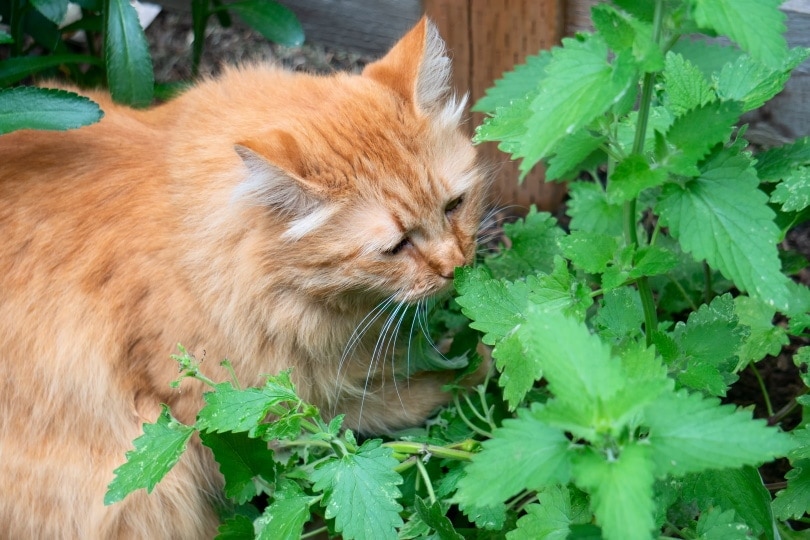
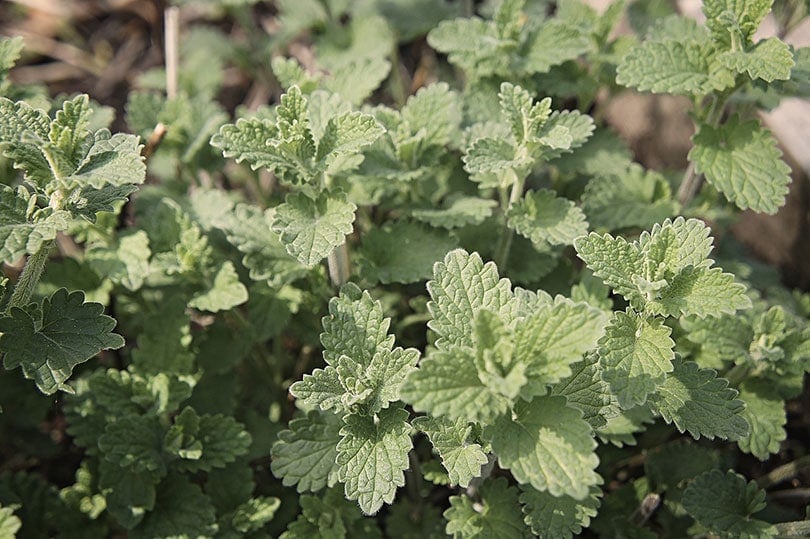
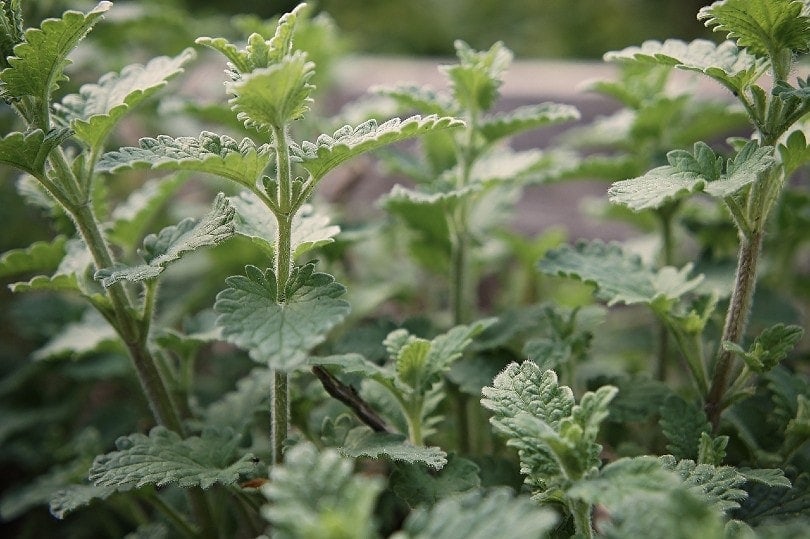
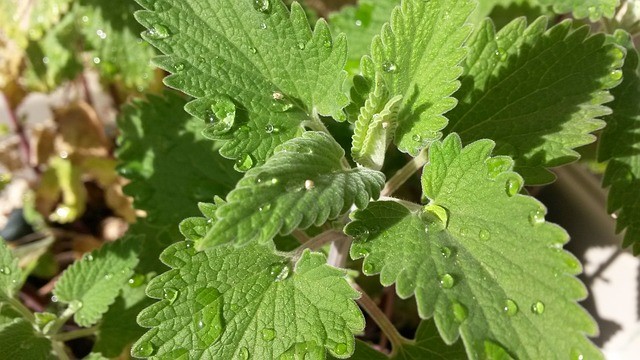
A member of the mint family, Lamiaceae, catnip — is also known as Nepeta cataria. It’s a perennial herb with a short lifespan, dark-green and oval-shaped leaves, and white flowers. While it’s found throughout the world due to its popularity among cats and their owners, it originated in Africa, Asia, and Europe.
The History of Catnip
Catnip has a surprisingly distinguished past, and its use for all sorts of things throughout the ages makes it difficult to tell exactly when it was first found. We can assume that catnip’s original purpose involved its medicinal properties or for adding to cooking, and cats just stumbled upon it that way. Here are a few of catnip’s finest moments in history.
Ancient Egypt
Despite the Egyptians’ love for cats, there aren’t many recorded uses of catnip in that culture. Considering how revered cats were among the Egyptians, though — and the usefulness of the herb in herbal medicine — it stands to reason that they would have given their cats some, especially after they saw the effect on their feline friends.
Romans
After the Egyptians, the first notable use of catnip was by the Romans. This is probably also where catnip earned its name, Nepeta cataria. Nepeta was a Roman city, and the residents were well-known for using catnip in cooking, medicinal treatments, and herb gardens.
18th Century
Considering its uses in all sorts of herbal remedies, it’s not surprising that catnip was quickly shipped across the world. Since it can grow in abundance almost anywhere, adding the herb to the inventory list of long voyages wasn’t much of a challenge.
With all this traveling, catnip eventually found its way to the U.S.A. during the 1700s, where it was used by the colonists in medicine and cooking. Since then, it has become increasingly more popular as a houseplant due to its hardiness and easiness to grow.
The Discovery of Nepetalactone
Even with catnip’s intriguing past, it’s difficult to say when it was first introduced to cats, but it wasn’t until 1941 that the reason that catnip is so attractive to cats was discovered. Samuel McElvain at the University of Wisconsin discovered nepetalactone in catnip essential oils.
Nepetalactone is a volatile oil that mimics the pheromones that cats give off. It’s this similarity to feline pheromones that cats find so attractive. It’s likely that this ability to lure cats is completely accidental.
One thing that nepetalactone can do, though, is repels insects like mosquitoes. Catnip can help to keep invading garden insects at bay protecting other ornamental plants.

The 5 Uses of Catnip
Many people assume that catnip is only used in cat toys. While it might not be used for other reasons as much anymore, it is still in a few things that you might find surprising.
1. Cat Toys
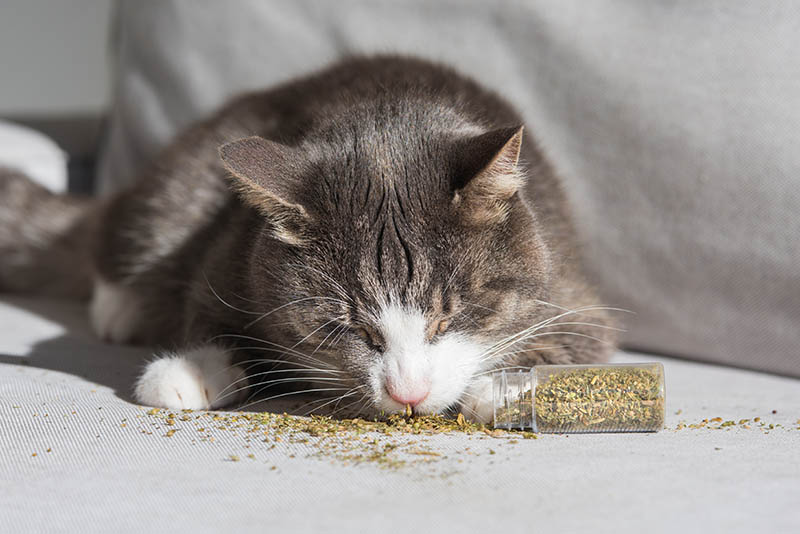
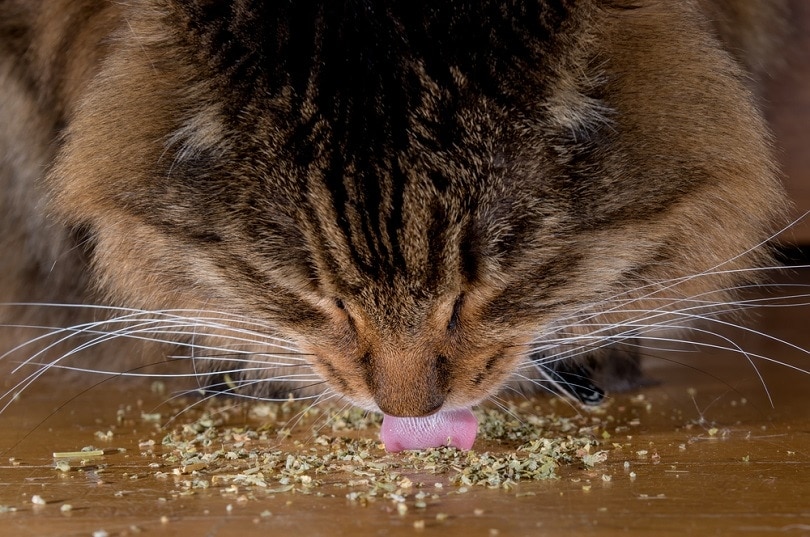
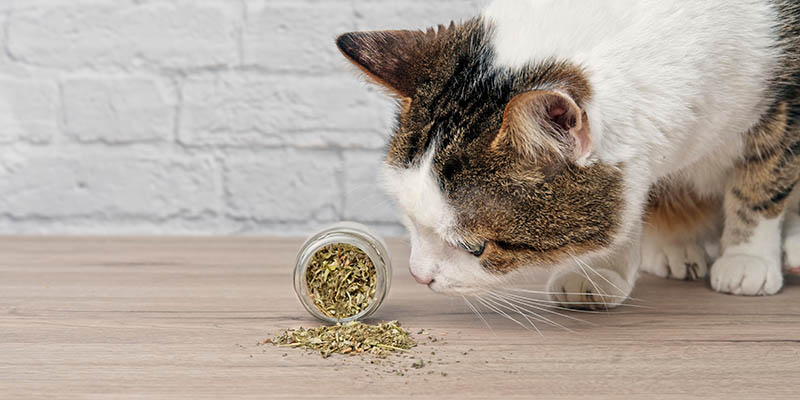
These days, the most common use for catnip is in cat toys. The leaves are dried and placed in stuffed cat toys to entice your cat to play or just to give them a happy buzz for a few minutes.
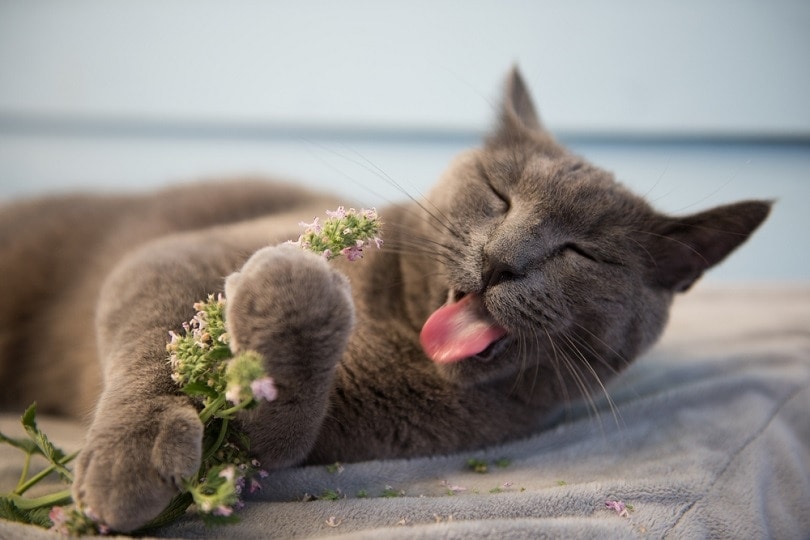
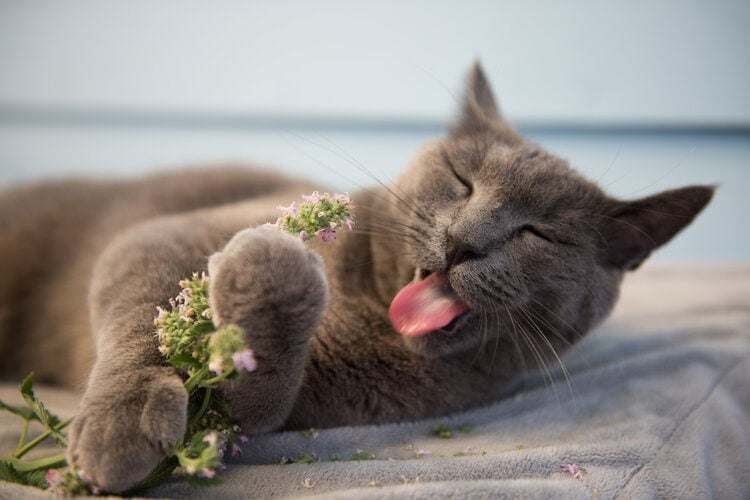
Not all cats react to it the same way, but catnip is well-known among cat owners to coax interesting behavior out of their cats. It can result in rare cases of aggression, but more commonly, it leads to bizarre behavior like drooling, head rubbing, jumping, meowing, purring, and rolling.
Regardless of how your cat reacts to catnip, it's a firm favorite in many cat-friendly households. So, you’re more likely to find it in pet stores than in the herbal remedy section of your local supermarket.
2. Flavor
As part of the mint family, catnip is naturally fragrant, so it’s been used in food. In tropical climates, catnip helps preserve food, and in some countries, like Iran, catnip is used to make cheese, sauces, and soup.
3. Herbal Remedies
Before catnip was found to be attractive to cats, it was used for its medicinal properties. These days, the medical uses are less well known or proven to work. In the past, it was a home remedy for all sorts of ailments, like gastrointestinal issues and even asthma. Here are a few common remedial uses for catnip.
4. Catnip Tea
The nepetalactone compound in catnip makes it a natural relaxant for humans. While it hasn’t been proven to have an effect in recent studies, it was regularly made into tea in the past and sometimes still is.
Similar to catnip-laced cat toys, catnip tea is made with dried leaves. Although it’s not as common anymore, you can buy it as loose tea leaves or in tea bags. The tea itself has a minty, earthy, and slightly bitter taste, and many people add lemon, sugar, or honey.

5. Sedative
With its natural relaxant properties, catnip can be used as a sedative. The presence of nepetalactone makes catnip one of the things that people use to alleviate stress. It’s also been used in the past to treat nervous headaches, hysteria, and insanity.
Only the tea has this effect, though. Chewing on the root of the catnip plant has the opposite effect. Boxers used to chew on the root before matches to make themselves fiercer.
Side Effects of Catnip
Medicine, herbal or otherwise, should be treated with respect. While catnip isn’t used as medicine that often anymore, it does have a few side effects to keep in mind if you want to try catnip tea or use it as a tincture. Most of the time, there isn’t a problem if you stick with the recommended dosages, but some people may be more sensitive to the effects than others. It's important to be careful.
One of the most common side effects is increased urination. Catnip is a natural diuretic, and consuming too much can lead to frequent bathroom trips. Similarly, it can cause an upset stomach in some people or if it's overused, despite being a common home remedy for stomach problems.
The sedative properties should also be treated with caution, especially if you’re planning on using machinery or driving after a cup of catnip tea. You should also carefully consider any interactions with other herbs and medications that you might be using before consuming catnip.
Conclusion
Although almost everyone can recognize catnip due to its famous effect on cats, not many people know that it has a much richer history. Catnip has been around for centuries, dating back to Ancient Egypt, if not further.
In the past, it was commonly used as an herbal remedy for gastrointestinal issues and as a sedative. Outside of your local pet store, you can find catnip as loose tea leaves or in tea bags for a relaxing cup of tea.
Featured Image Credit: lwccts, Pixabay
Get Hepper In Your Inbox


Pet care tips from our vets and experts, straight to your inbox.
You may opt-out at any time. View our Privacy Policy for more information.
Nicole is a lover of animals of all sizes but is especially fascinated with the feline variety. She’s the proud mom of Baby, a Burmese, and works every day so he can relax in the sunshine or by the fire. She’s always had a cat in her home and has spent countless days with others, observing behaviors and softening up even the grouchiest of the lot. Nicole wants to share her kitty expertise with you so you and your cat can live happy, healthy, and care-free.
Join the conversation
Ask a question, share your story, or send private feedback.