Hepper is reader-supported. When you buy via links on our site, we may earn an affiliate commission at no cost to you. Learn more.
Why Do Corgis Sploot? Canine Behavior Explained
In this article
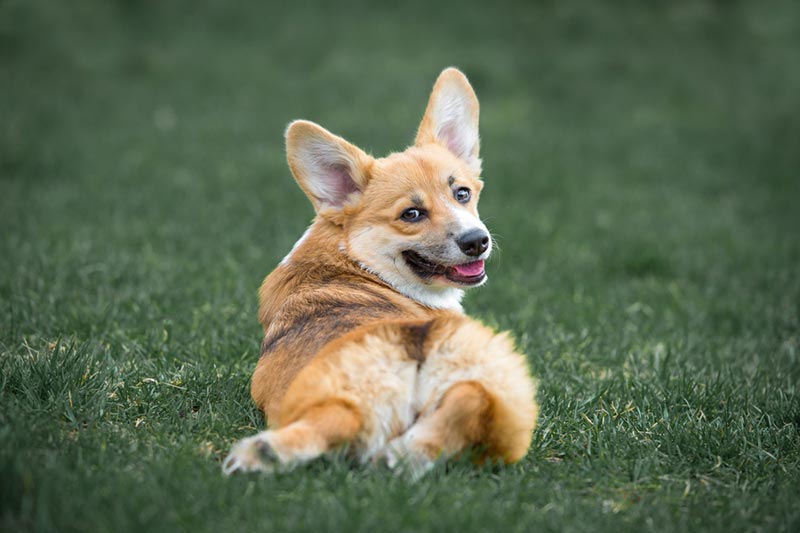
If you've ever seen a Corgi with their hind legs splayed out behind them and their front paws stretched forward, you may have wondered what the heck they're doing. Well, this Superman pose is a quirky behavior known as splooting. Though it might look like your Corgi is just taking a leisurely stretch, there's actually a bit more to their behavior.
Many dog owners report that their furry friends sploot when they are feeling particularly comfortable and content; some believe that splooting provides relief for a dog's joints and muscles, and some believe splooting relieves overheating bodies on sunny days. To learn all about spooting—and why it is such a key position for most Corgis—read on. This article will provide you with all the information you need to know about what it is that makes Corgis lie down the way that they do.

Splooting Corgis: Why Do They Do It?
Corgis are one of the most popular dog breeds and they are known for their unique way of sitting. They often sit with their legs out to the side, which is called "splooting." While it may look odd to us, splooting is actually a comfortable and enjoyable way for Corgis to sit.
There are a few reasons why Corgis like to sploot. One reason is that it helps them stay cool in warm weather. When they sit with their legs out, they can better regulate their body temperature. This is because the hair on a Corgi’s belly is thinner. Hair acts as an insulator, trapping heat against your dog’s skin. As a less insulated part of your Corgi’s body, their abdomen can better conduct heat away from their core.
Additionally, splooting gives corgis a sense of comfort and security. By sitting in this position, they can feel more relaxed and secure, while still monitoring their environment. This is a position your dog can stay relatively alert in. Their head and ears are still up from the ground, so they can look around and take in everything going on around them.
Finally, corgis just seem to enjoy sitting in this position! It makes them happy and comfortable, so why not sploot?
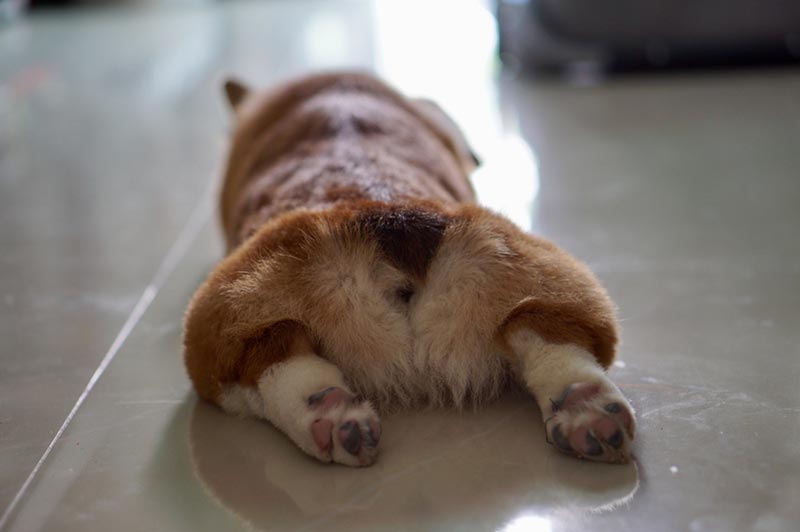
Where Did the Word Sploot Come From?
In recent years, the word sploot has become increasingly popular among English speakers. But where did this unusual word come from? Whatever its origin, sploot is now a widely recognized English word. In fact, it was even included in a recent article in The Washington Post, which told the story of how the word has come into existence. The most likely explanation is that sploot is a blend of the words “splay” and “scoot.” This theory is supported by the fact that these two words have very similar meanings: to spread out or to move quickly in a low position. And these words perfectly describe the position taken up by our Corgi friends.
Another possibility is that sploot is a corruption of the word “splat.” This theory is based on the fact that when a Corgi is spread out over the ground this way they may look as though they have fallen their suddenly.
Are There Variations on the Sploot?
There's no doubt that the Corgi sploot is one of the most adorable dog maneuvers around. But did you know that there are actually several variations on the classic sploot? That's right—the half sploot, side sploot, and upside-down sploot all exist and are equally delightful.
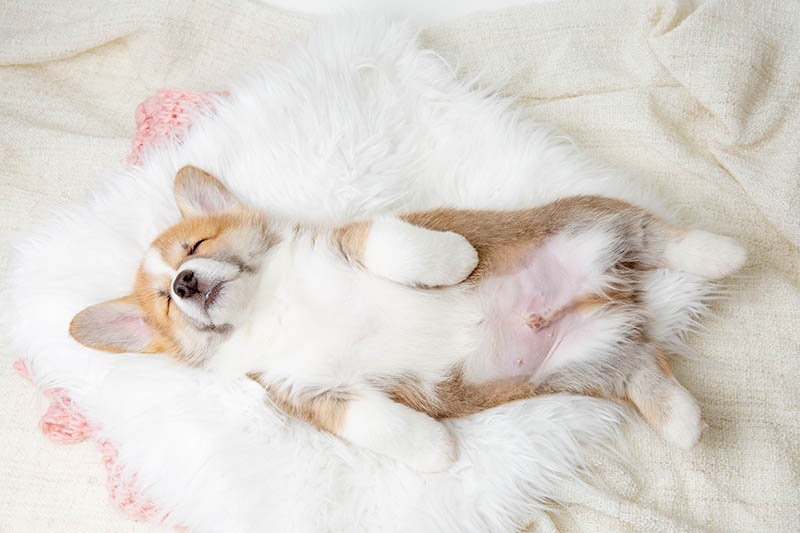
When it comes to the Corgi sploot, there are three main variations that you will see. The first is the half sploot, which is when the dog sploots with only one leg stretched out behind them. The second variation is the side sploot, which is when the dog sploots with their front legs and twists their back legs to one side. The last and most trusting variation is the upside-down sploot, which is when your Corgi displays their whole belly with their legs spread and stretched in the air—giving you a wonderful view of their belly!
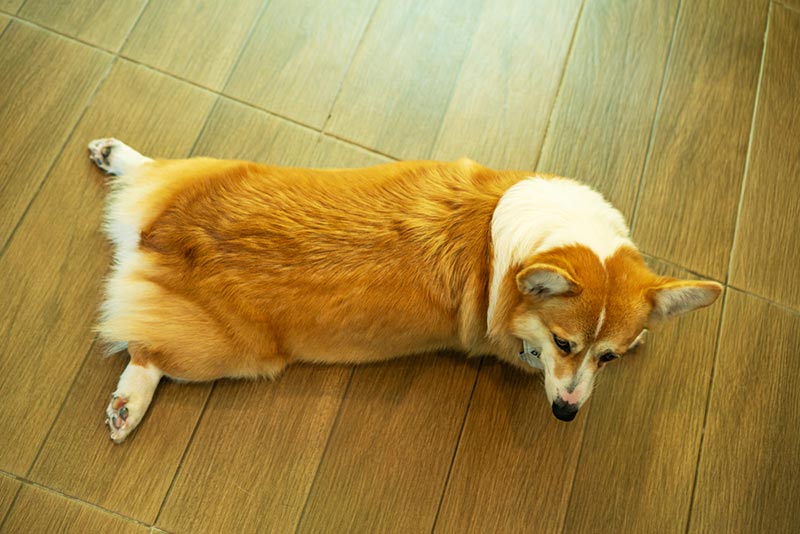
Other Names for Splooting
There are many names for the act of a dog stretching their legs and splooting. Some common names with an amphibious twist are frog legs, dog frogging, and frog dogging. These names celebrate the fact that some people think a sprawling Corgi looks like a frog in mid-leap. For some Corgi owners, this position puts them in a military mindset: because for them it most closely resembles the famous "commando crawl" posture. This position has also been referred to as a pancake, due to its similarity in appearance to the popular breakfast food.
Finally, some people call this position the superman, because to them this posture looks like their Corgi is flying through the air like a superhero on a mission. While the act may have different names, the meaning is always the same; your dog is enjoying a good leg extension and a cold belly.
What Dog Breeds Sploot?
Splooting is most commonly seen in short-legged breeds like Corgis, Chihuahuas, Dachshunds, Pugs, and Basset Hounds. But that doesn't mean taller pups can't do it too! Even taller breeds like Boxers, Bulldogs, Poodles, Retrievers, Labradors, and Collies have been known to sploot from time to time. If your dog enjoys splooting, there's no need to worry. It's perfectly normal behavior. Whether your dog is young or old, big or small, they can all enjoy a good leg stretch. This move helps to increase flexibility and can even be therapeutic for some dogs.

Do Other Animals Sploot?
Yes, other animals besides dogs sploot. Squirrels and cats are two animals that have been documented engaging in the act of splooting many times. Even bears (both brown and polar), rabbits, foxes, and pigs sploot! Given that this is such a widespread (pardon the pun) behavior among mammals, it’s highly unlikely that there is anything unusual or worrisome going on when your Corgi slips into this pose. It’s just a cute moment for you—and them—to enjoy.
Does Stopping Splooting Indicate Something is Wrong?
Splooting is an adorable move that many dogs make, and some people wonder whether a dog not splooting is ever a sign that something is wrong. There are a few reasons why your dog might not sploot or stop splooting. If they’re old, they might have arthritis and their joints might be too sore to manage this position. If your dog is overweight or obese, the sploot also may not come easily to them. Generally speaking, there is nothing to worry about.
If your dog is young and cannot sploot it might be a sign that their hips might not be fully developed yet, or they might just be too stiff to accomplish this pose. If you notice any other concerning symptoms, take action. If you notice your dog stops splooting suddenly, it may be time to take them to the vet for a check-up.
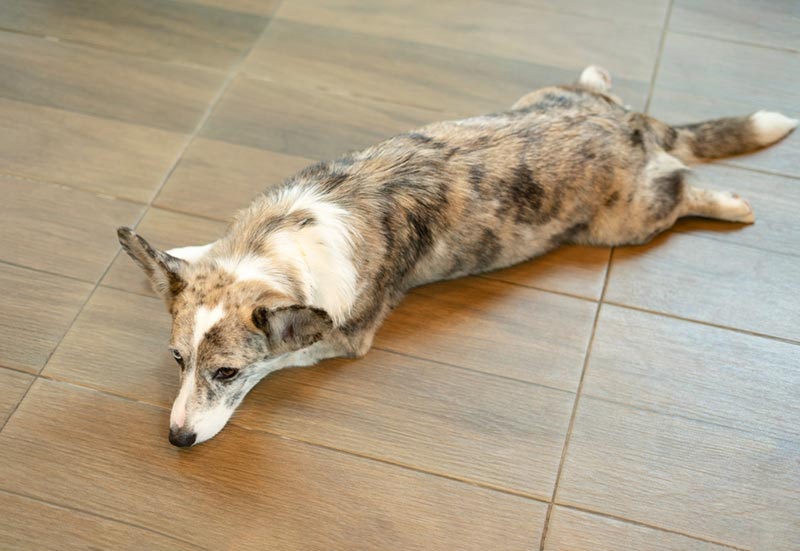
Hip Dysplasia
If a young dog doesn’t have a full range of motion in their hips, the underlying issue could be hip dysplasia. Hip dysplasia is a condition that can affect dogs of all ages, sizes, and breeds. It occurs when the hip joint fails to develop properly, causing pain and lameness. Early detection is crucial to managing the condition and preventing further damage.
Here are some signs to look for:
Conclusion
In conclusion, Corgis sploot because it is a comfortable position for them. Splooting is when a Corgi sticks their hind legs out behind them, their front legs out in front of them, and rests their belly on the ground. It is a sign of relaxation, contentment, or being warm. So, next time you see a Corgi splooting, know that they are happy and relaxed.
Sources
Featured Image Credit: Makarova Viktoria, Shutterstock
Get Hepper In Your Inbox


Pet care tips from our vets and experts, straight to your inbox.
You may opt-out at any time. View our Privacy Policy for more information.

Nicole is a lover of animals of all sizes but is especially fascinated with the feline variety. She’s the proud mom of Baby, a Burmese, and works every day so he can relax in the sunshine or by the fire. She’s always had a cat in her home and has spent countless days with others, observing behaviors and softening up even the grouchiest of the lot. Nicole wants to share her kitty expertise with you so you and your cat can live happy, healthy, and care-free.
Join the conversation
Ask a question, share your story, or send private feedback.