Hepper is reader-supported. When you buy via links on our site, we may earn an affiliate commission at no cost to you. Learn more.
How to Tell If Your Dog Is Happy: 10 Signs to Look For
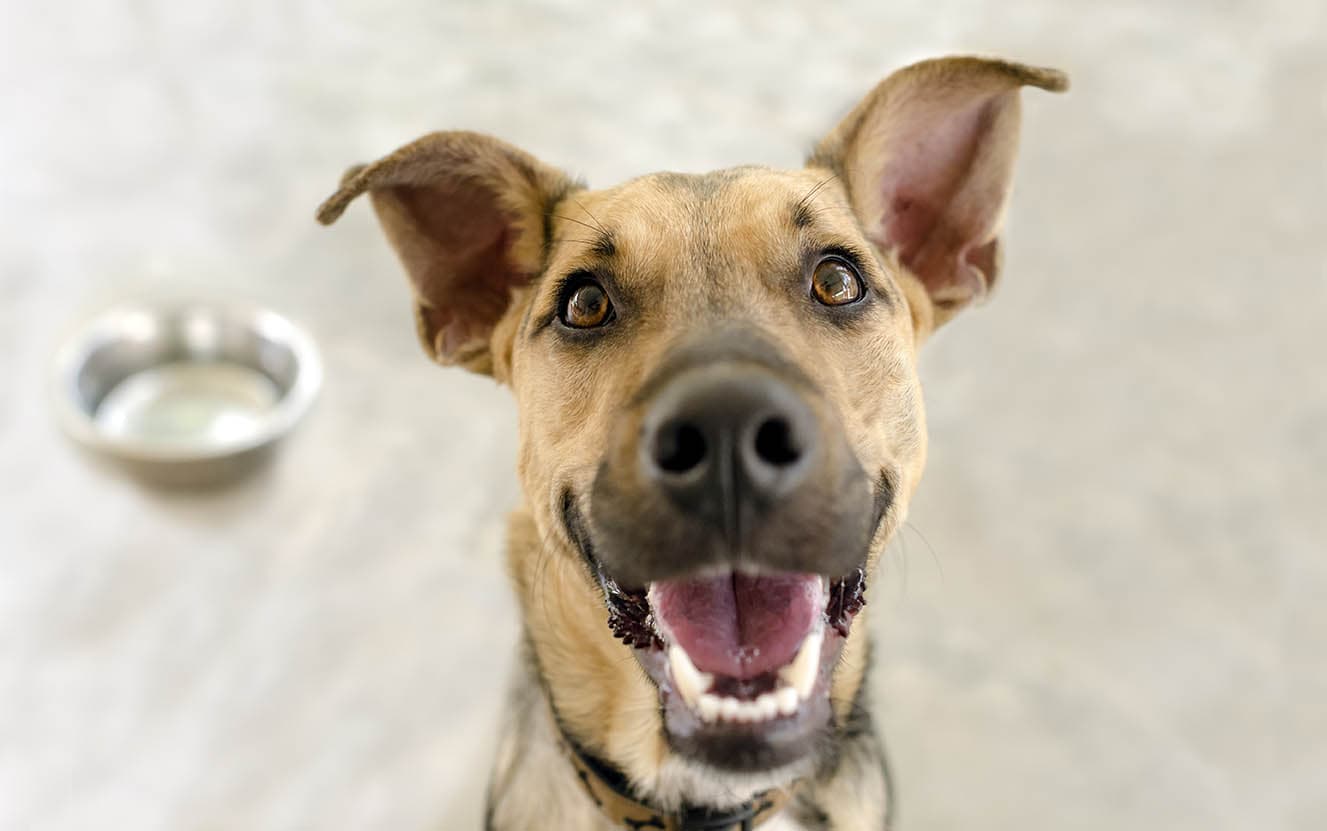
We all want our dogs to be happy. However, they can’t speak the same language as us, so sometimes, it is difficult to tell if they’re actually enjoying themselves or not. Some breeds may be so laidback that they may never seem happy, even though they’re sending subtle signs that they love their life.
While you can’t learn to speak dog, brushing up on the common signals can help you figure out what your pet is feeling.
That said, just because your dog doesn’t display all these signs doesn’t mean that they are happy. Just like people, dogs often express their emotions in different ways. Some may be quite laidback and not show much emotion at all. This doesn’t mean dogs are happy or unhappy. You just have to work a bit harder to understand what they’re feeling.

The 10 Signs Your Dog Is Happy
1. Soft Gaze
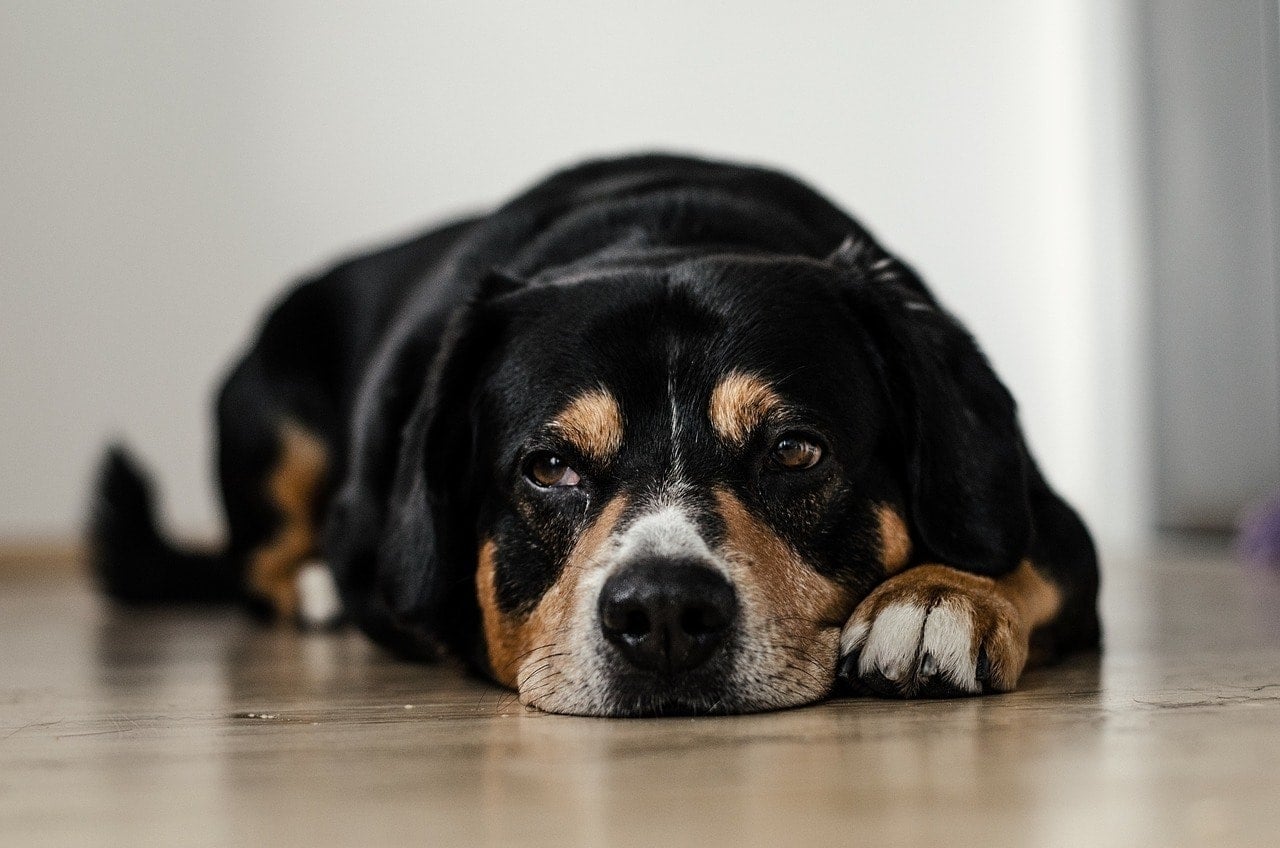
When a dog is intent and focused on something, it is easy to notice by their “hard” gaze. This is also how they’ll look when they are aggressive or fearful of something. All their attention will be focusing on that one thing, and you’ll be able to tell by the look in their eyes.
On the other hand, when a dog is simply enjoying their time, their eyes will be soft and likely wander around the room. Their eyes will be wide, not narrowed. Your dog’s eyes can tell you so much, so we recommend paying close attention to them while you’re interacting with your canine.
2. Loose Ears

When a dog is fearful or aggressive, they’ll slick their ears back against their head. Pricked-up ears are often a sign that your dog is trying to listen to something, which they could be doing playfully or anxiously. For instance, a dog that plays with a squeaky toy will likely perk their ears up, but they aren’t doing so because they’re scared. But a dog that hears something scary outside will likely prick their ears up too.
A dog that isn’t doing anything in particular with their ears is relaxed. This is a sign of contentment.
However, just because a dog’s ears aren’t relaxed doesn’t mean they aren’t happy. Often, while playing, a dog will be happy but likely have pricked ears as well.
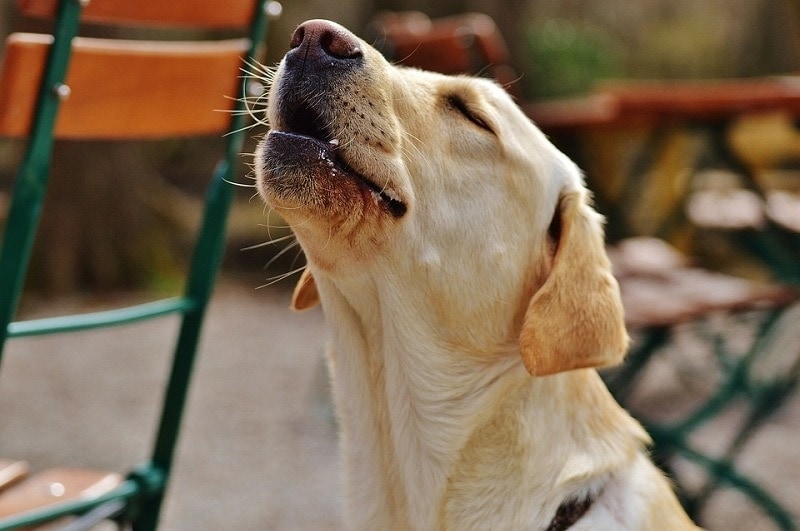
3. Relaxed Jaw
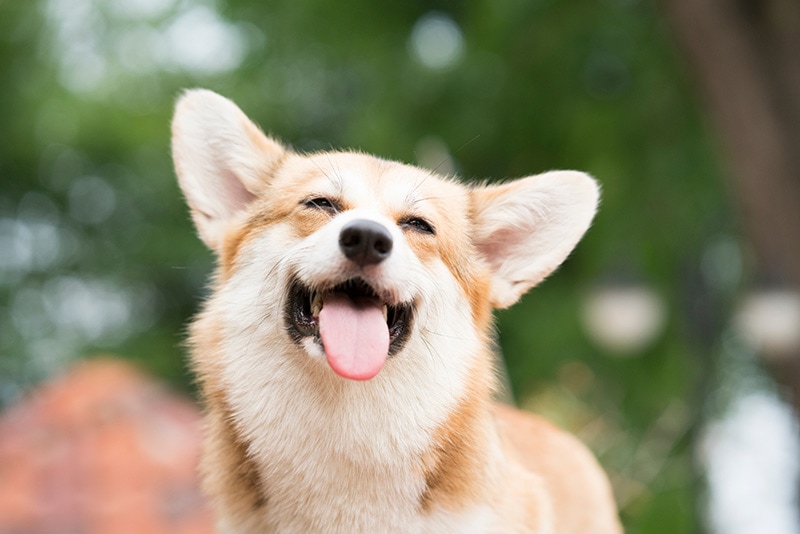
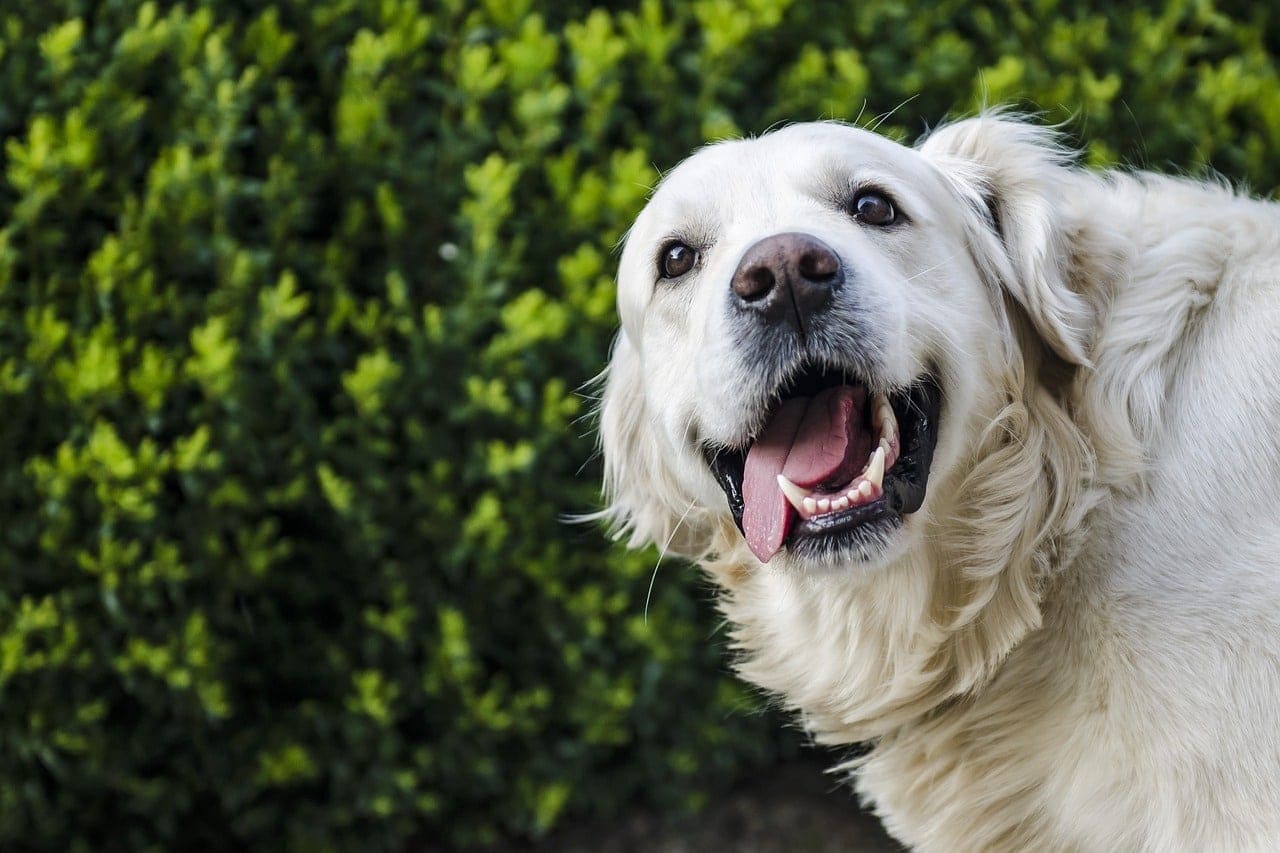
If scared or aggressive, a dog’s mouth will often be stiff, even if they aren’t necessarily showing their teeth. When relaxed, a dog’s jaw may be slightly open. Some of their teeth may be showing, but their teeth won’t be barred. Their tongue may be out of their mouth as well.
However, you shouldn’t confuse a panting dog with one that has a relaxed mouth. Dogs pant for many reasons. They may simply be hot. Panting can also be caused by anxiety and pain. While most panting isn’t anything to be worried about, if your dog is panting for seemingly no reason, it may be time to see the vet.
4. Wagging Tail
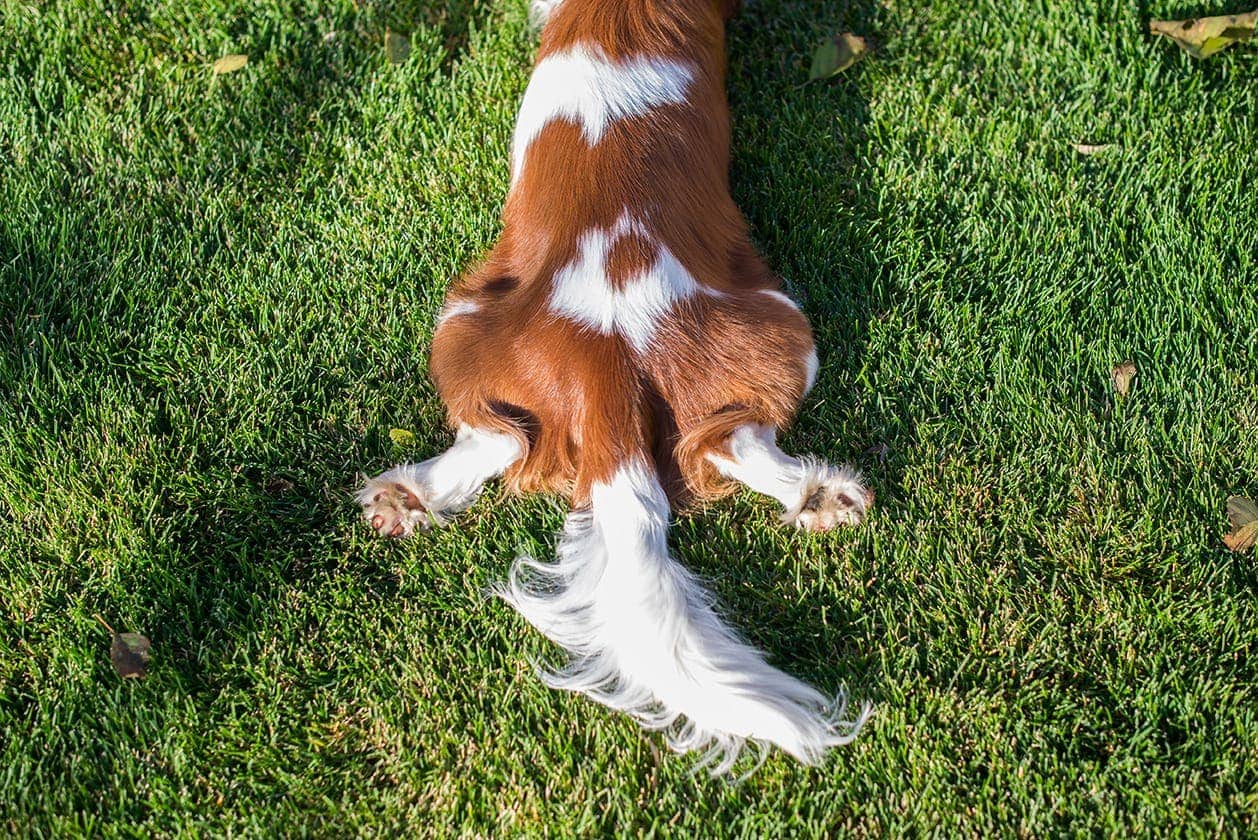
The tail wag is often a bit complicated. Many people know that a dog with a wagging tail is happy. However, this isn’t always the case. Dogs that are happily wagging their tail will have a relaxed body as well, which often makes their butt shake a little bit. If the dog is keeping their body stiff while wagging their tail, it could be a sign that they’re anxious or alert.
Dogs often hold their bodies stiff and wag their tail when meeting a new dog. It’s a potentially fun situation but the dog isn’t so sure yet.
5. Tail Position
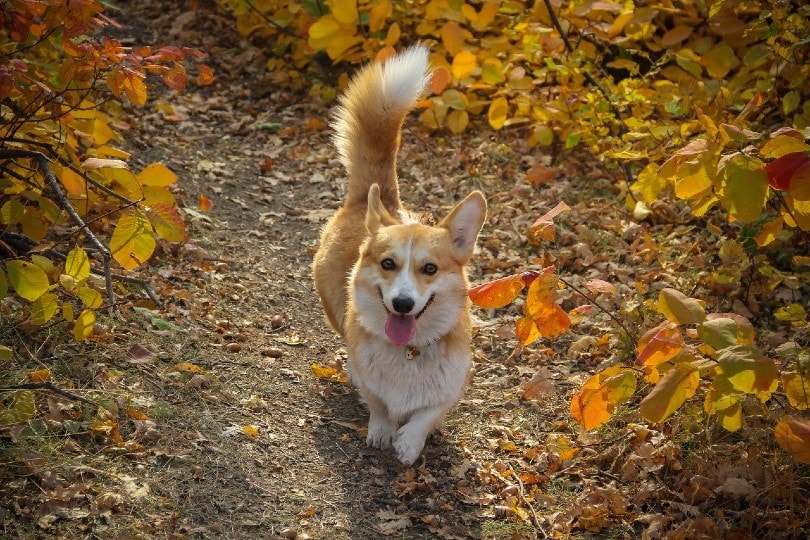
Dogs express many of their emotions through their tail. A relaxed tail is often a sign of contentment. Dogs will have a relaxed tail when sleeping, for instance. When dogs are particularly happy, they’ll likely raise their tail a little bit and wag it. If the tail is stiff and all the way up, though, it is likely a sign of aggression or anxiety. The dog is trying to make themselves look big through the use of their tail.
Scared dogs will often tuck their tails underneath their body or otherwise hold them down low.
6. Good Behavior

Dogs that participate in destructive behavior are often bored, sick, or just untrained. Even the most well-trained dog can become destructive if their mental and physical exercise needs are not met. If your dog isn’t showing any destructive behaviors, it can be a sign that they’re content and happy. Bored dogs will often try to find fun things to do, even if that means eating through your drywall. However, content dogs have enough stimulation. They don’t need to go find more.
If your dog is behaving badly, it may be due to a lack of physical or mental exercise. Consider increasing the amount of time that they spend active each day, spending more time training, or investing in puzzle toys.
7. Playful
Dogs that are happy are often playful. In order to enjoy play, dogs have to be relaxed and carefree. If they are worried about something or in pain, dogs often won’t play much at all, or they may do so stiffly and only for a few minutes at a time. They may hobble over to play with a tug toy but will quickly drop it and return to what they were doing.
Just because your dog isn’t playful doesn’t mean they’re sad, though. Many dog breeds just aren’t playful or may be too laidback to play for more than a few seconds. For instance, many hound dogs are extremely laidback and don’t take part in much energetic activity, but this doesn’t mean they are sad.
8. Appetite
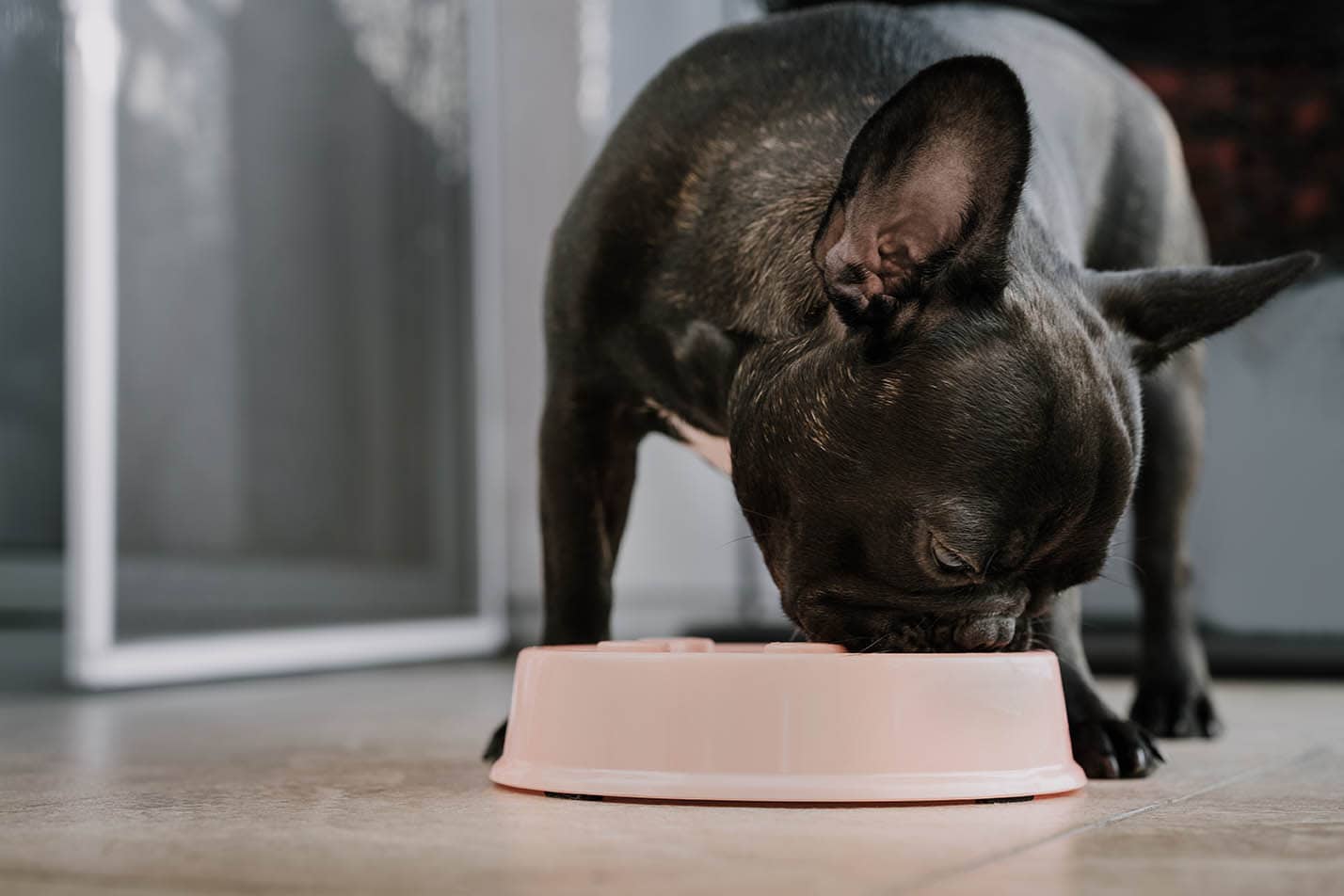
Nervous, anxious, and in-pain dogs often won’t eat well. Dogs that eat too much may be anxious as well. Some dogs start to hoard food when they become nervous, which often results in an increased appetite. Increased appetites can also be caused by certain illnesses, though this is rarer than illnesses causing decreased appetites.
Dogs that have a normal, healthy appetite are likely not sick or feeling anxious. You should be on the lookout for changes in appetite, as these can be your first indicators that something is wrong with your canine.
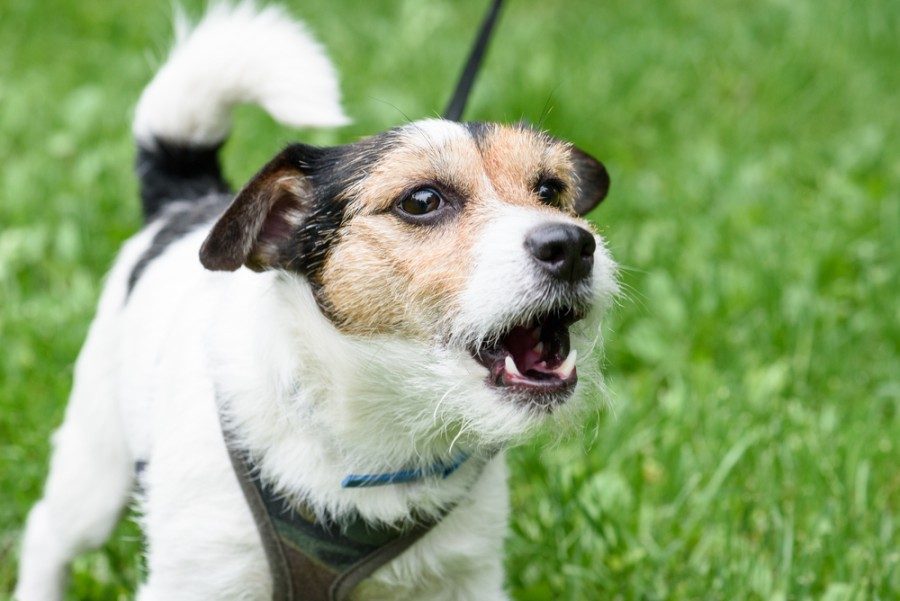
9. Barking
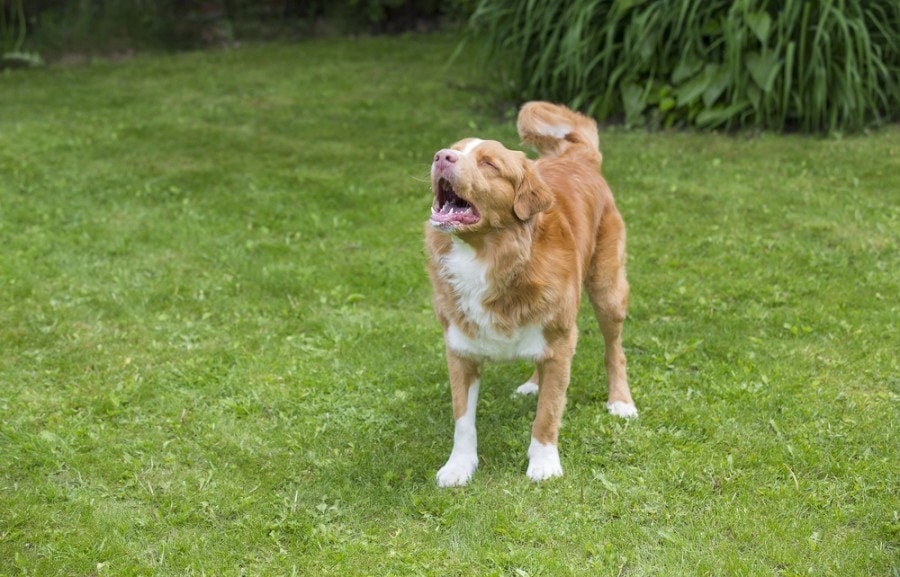
While barking can often be annoying, some barks can indicate that your canine is happy. Short, high-pitched barks are often how dogs ask for attention, and dogs typically don’t ask for attention if they’re nervous or scared. Sick dogs are often quiet, and aggressive dogs are more likely to growl or give a deep bark.
However, you shouldn’t listen to your dog’s barking alone, as it can be difficult to read all your dog’s different barks. Combine their barking with the other signs on this list for a more accurate reading of your dog’s emotions.
10. Sleep

Many dogs need more sleep than the average adult human. For instance, most adult dogs sleep for 16 hours a day. Puppies and seniors sleep for even longer. If your dog isn’t sleeping this much, it may be a sign that something is wrong. Just like people, anxious dogs often find it difficult to sleep. If your dog is fearful, they’ll likely feel like they can’t sleep that much.
Certain illnesses can cause your dog to have difficulty sleeping or conversely, cause them to sleep too much. Be aware of your dog’s routine so you can spot any changes.
Related Read: Why Do Dogs Tuck Their Tails? Common Reasons
Featured Image Credit: David P Baileys, Shutterstock
Get Hepper In Your Inbox


Pet care tips from our vets and experts, straight to your inbox.
You may opt-out at any time. View our Privacy Policy for more information.

Kristin is passionate about helping pet parents create a fulfilling life with their pets by informing them on the latest scientific research and helping them choose the best products for their pets. She currently resides in Tennessee with four dogs, three cats, two fish, and a lizard, though she has dreams of owning chickens one-day!
Join the conversation
Ask a question, share your story, or send private feedback.