Hepper is reader-supported. When you buy via links on our site, we may earn an affiliate commission at no cost to you. Learn more.
Why Do Dogs Lick Their Nose? 10 Reasons for This Behavior


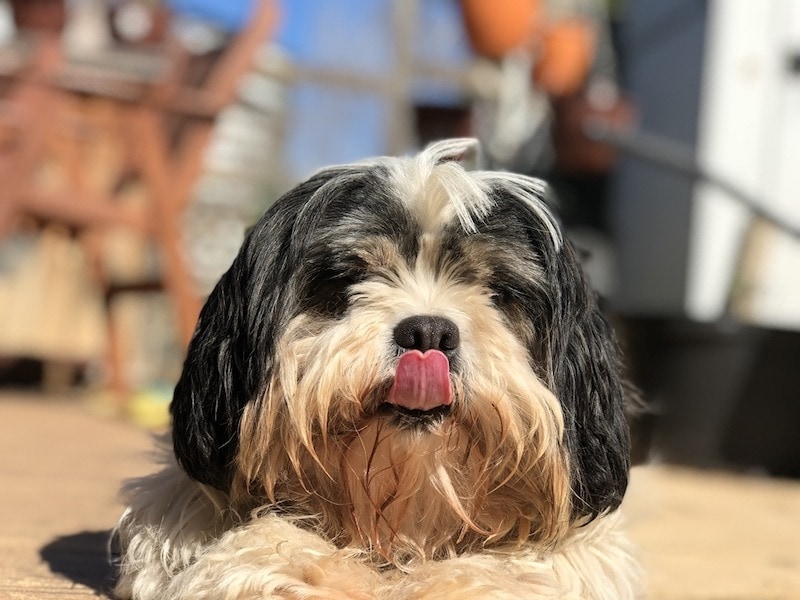
It’s normal for our dogs to lick their nose and lips occasionally. The nose is a vital organ that provides them with crucial sensory information about the world around them. It’s only when your dog starts to lick their nose obsessively that you may become aggravated with the never-ending smacking sound. Sudden changes in your pet’s behavior are an indication that something may be wrong, but how do you distinguish the difference between normal behavior and them trying to tell you that they aren’t feeling well?
Your dog licking their nose here and there isn’t usually a cause for concern. Most dogs lick their noses to calm themselves, remove debris, or keep their noses moist. It is only when the licking becomes persistent and is combined with other abnormal behavior that you should start taking the act more seriously. Pay attention to your dog’s body language and always trust your gut when it comes to their health. If you have an inner voice telling you something is wrong, it is always better to err on the side of caution.

Why Do Dogs Lick Their Nose? (The 10 Reasons)
1. Anxiety
Many dogs tend to lick their noses when they feel anxious, stressed, or confused. Closely observe your dog and make a mental note of how they act in different situations. Does the licking pick up when there is a thunderstorm outside? What about when introduced to new dogs or people? These are all indications that they may be experiencing anxiety and are trying to calm themselves down.
The three most common types of anxiety in dogs are fear-related anxiety, separation anxiety, and age-related anxiety. Fear-related anxiety usually occurs around loud noises or strange environments. Separation anxiety happens with some dogs who don’t like being alone or separated from their family. Age-related anxiety primarily affects older dogs with cognitive dysfunction syndrome, which can cause changes in memory, learning, awareness, and behavior. Aside from nose licking, your pooch might show signs of aggression, drooling, panting, barking, pacing, or urinating inside.

2. Trauma
Accidents happen, and sometimes our furry friends get hurt just like we do. Traumas occur from a cut, abrasion, bite, sting, or puncture, and they all hurt your pup. Most minor nose wounds heal on their own, and the scabs might be itchy for your dog. Taking a quick look in and around the nose is an easy way to identify the scab and understand their behavior.
Keep a close eye on open wounds to ensure they are healing and aren’t becoming infected.
3. Infections
Unhealed wounds are one of the leading causes of nose infections in dogs. There might be discharge coming from inside, accompanied by a foul smell. Some minor superficial wounds may improve with gentle cleaning, but dogs with persistent discharge, swelling, pain, bleeding, or odor should be examined by a veterinarian.
A more dangerous type of infection is called aspergillosis. Aspergillosis happens when the Aspergillus fungus makes its way into your dog’s body, most commonly through inhalation into the nasal passages. This fungus is opportunistic and most often affects animals with weakened immune systems, although nasal aspergillosis can also occur in otherwise healthy dogs. The spores get inhaled from leaves and other outdoor surfaces and can cause a fungal infection in the nasal cavity. Nosebleeds and runny noses are two indications that your pet may have an infection, and your safest choice is to take them to the vet for a diagnosis.

4. Tumors
Cancer can show up in any part of a dog’s body, and even though this is one of the scarier reasons your dog might be licking its nose, it is best to catch it early enough and get started on treatment.
The most frequent nasal tumor found in dogs is nasal adenocarcinoma, although several types of nasal tumors can occur. This cancer originates from the glandular cells and doesn’t always have an exact cause. Some vets believe that cigarette smoke and pollution could be contributing factors, but it is nearly impossible to say what the reason is with 100% certainty.
Dogs with nasal tumors may have pus and blood-filled discharge coming from either one or both nostrils. This discharge may be accompanied by noisy breathing, lethargy, coughing, and weight loss.
5. Allergies
Dogs lead with their noses and rely on them to tell them everything they need to know about their environment. Have you noticed how much sniffing goes on when you take your dog for a walk or let them roam around the dog park? Your pup loves to take it all in, and it’s possible they sniffed up some allergens while exploring.
Environmental allergies don’t happen for all dogs, but some are more sensitive to their outdoor surroundings than others. Even though they love taking in the fresh air, dust, mold, and pollen are always floating around and sometimes cause an adverse reaction. The skin, including the paws, face, and ears, is the areas that most often experience discomfort, and you might notice them licking their nose or biting and scratching their skin to relieve the itch.
6. Foreign Objects
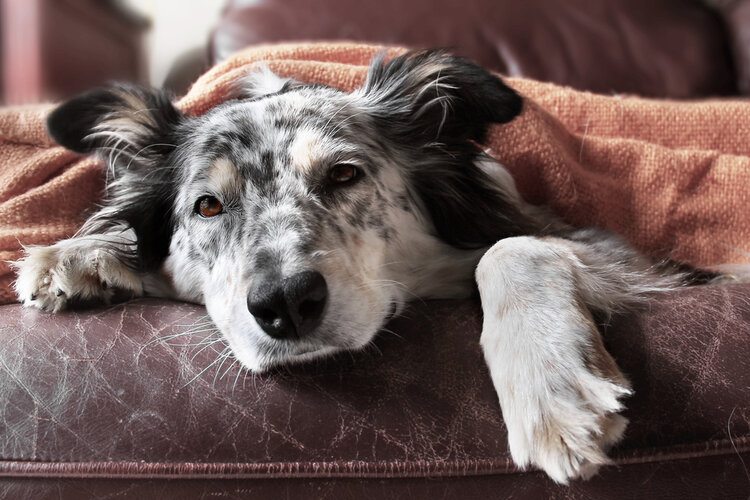
As much as we like to hope our dogs are sweet and innocent all the time, they still love snooping around and stirring up mischief. While they’re on these stimulating adventures, they may also be getting into things they shouldn’t be. Foreign objects getting stuck in dog noses is more common than you may think.
One of the most common foreign objects that makes its way up the nasal passage of a dog is a foxtail. Foxtail is a spiky grass seed that gets into the nose, ears, toes, and other tissues of animals. Your pet might appear panicked with lots of nose licking, sneezing, swallowing, and eating grass. If you suspect your dog has a foxtail or another foreign object in their nose, go to the vet immediately so that they can determine how to remove it safely.
7. Partial Seizures
Even if they haven’t experienced anything like it before, some dogs develop partial focal seizures. These small seizures usually keep your pet responsive and conscious, but they may cause repetitive behaviors such as air licking, fly-biting, facial twitching, or staring episodes. These episodes don’t usually last long, but may leave your dog listless and depressed afterward. If you’ve noticed several of these episodes over the past year, speak to your vet to find the cause of the behavior and rule out epilepsy.

8. Nausea
Nausea in dogs isn’t always an immediate cause for concern, especially when vomiting or diarrhea is an isolated incident. Our dogs are capable of getting sick just like us, and licking their noses and lips helps them get rid of excess saliva. The dog might have eaten an item that didn’t agree with them, and it could take a day for them to feel better and stop the licking.
You have to be mindful of dogs who aren’t feeling their best.
9. Dehydration
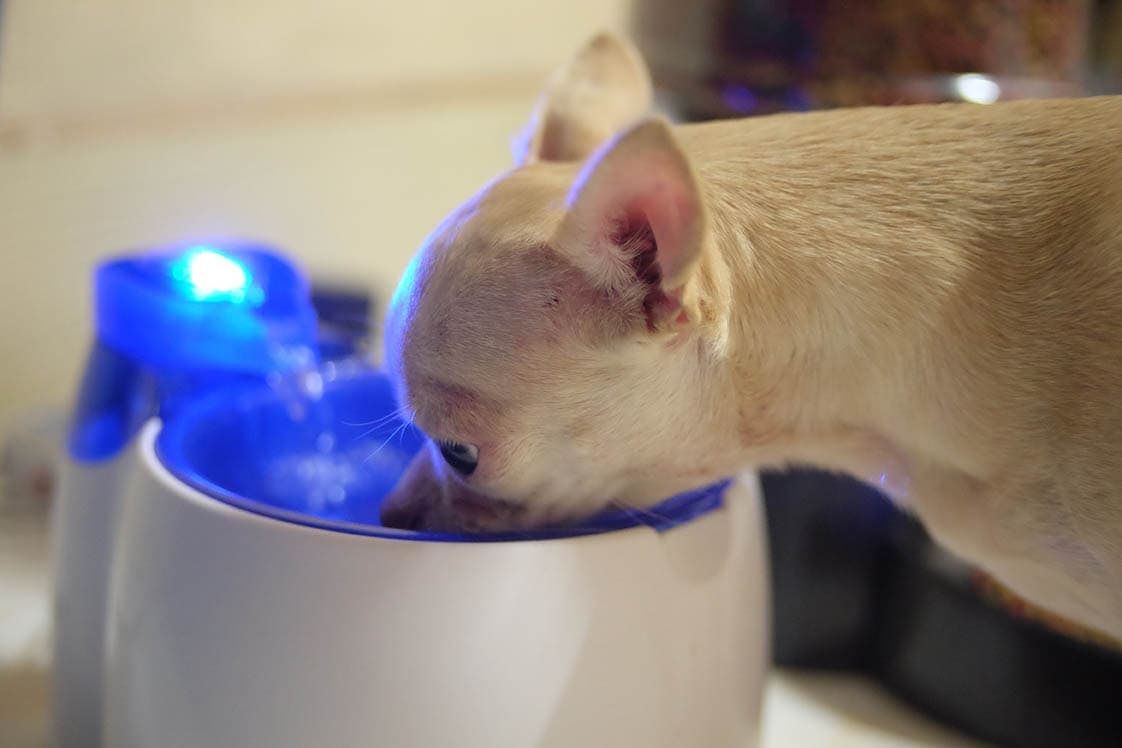
Dogs sometimes lick their noses more often when they are dehydrated. Dehydration can happen for several different reasons, including hot weather, strenuous activity, vomiting, diarrhea, or underlying medical conditions. Some dogs also develop dry or sticky gums and thick saliva when they are not getting enough fluids.
Check their gums for dull color and sticky saliva, as well as reduced skin elasticity and sunken eyes. Keep a cautious eye on your pup to make sure they drink water and take them to the vet if vomiting, diarrhea, or lethargy occurs.
10. Dental Problems
Excessive nose licking could be your dog’s way of telling you that they are in pain. Oral discomfort is common in dogs, but it is not always easy or safe to check for signs of dental disease or embedded objects at home, especially if your dog is painful. Sometimes, dogs experiencing mouth pain have swelling under their jaws and tongue where the salivary glands are located.
Swollen salivary glands could be a sign of sialocele: a condition where fluids accumulate around the surrounding tissues. This condition is rare and most likely to happen in dogs between 2 and 4 years old.

How to Stop Dogs from Licking Their Nose
The only way to get your dog to stop the constant licking is to identify the problem. Perform a gentle physical check over the entire body to make sure they aren’t injured or experiencing pain. Once you’ve ruled out signs of injury on the body, focus on the nose itself and look for medical issues, including nose bleeds, sneezing, or discharge. Remove any hair or other items that might be tickling their nose or causing problems. Avoid placing anything into your dog’s nostrils, and do not attempt to remove deeply lodged objects at home. Do your best to look around their nostrils and inside their mouth to see if there is anything abnormal or unusual.
The surest way to take care of the problem is to consult a veterinarian about what is going on. They will perform a thorough examination, review their history, and ask you questions about this new behavior you have noticed. After the exam, they will tell you whether they suspect a serious medical issue or if it is a behavioral problem, with suggestions or medications that might help.

Conclusion
Even though dogs licking their noses is normal, there are times when it becomes highly annoying and pushes us over the edge. Try not to get too aggravated with your fur child. They might be trying to let you know that something doesn’t feel quite right, and they may need your help, love, and comfort to get back to normal.
See also:
Get Hepper In Your Inbox


Pet care tips from our vets and experts, straight to your inbox.
You may opt-out at any time. View our Privacy Policy for more information.
Nicole is a lover of animals of all sizes but is especially fascinated with the feline variety. She’s the proud mom of Baby, a Burmese, and works every day so he can relax in the sunshine or by the fire. She’s always had a cat in her home and has spent countless days with others, observing behaviors and softening up even the grouchiest of the lot. Nicole wants to share her kitty expertise with you so you and your cat can live happy, healthy, and care-free.
Join the conversation
Ask a question, share your story, or send private feedback.