Hepper is reader-supported. When you buy via links on our site, we may earn an affiliate commission at no cost to you. Learn more.
How Long Can Dogs Go Without Water? Vet-Approved Facts & Safety Tips

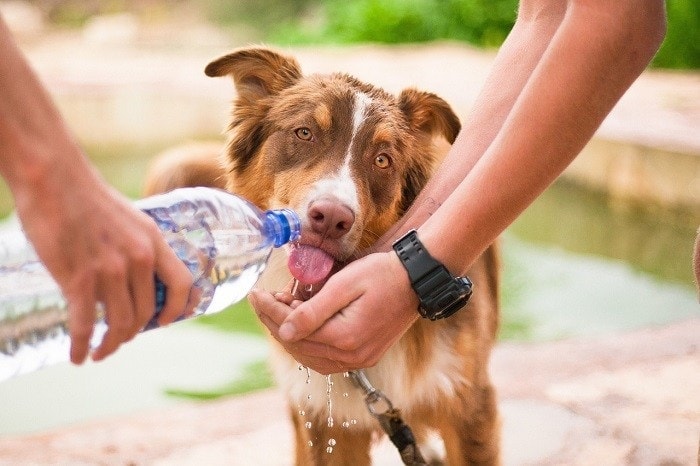
It’s not something that any pet owner wants to think about, but you may have wondered: In case of emergency, how long could a dog live without access to drinking water?
Dogs need to drink water every day. Water is necessary for a dog's body to work; without it, they dehydrate. Healthy adult dogs need to drink approximately 1 ounce of water per pound of body weight per day. A dog that does not drink for over 24 hours needs to see a vet since they are at high risk of dehydration.
A dog cannot go without water for more than 1 day, and that’s a healthy adult dog. A young puppy, an old dog, or a sick dog can get severely ill if they don’t drink for a few hours. For example, dogs with fluid losses such as vomiting, diarrhea, or excessive urination can get dehydrated and ill very quickly because they are not replacing what they are losing.
If you’re worried about your dog, we go over everything that you need to know about canine dehydration in this article.

How Long Can Dogs Go Without Water?
The upper limit that a dog can be without water is 24 hours. However, that number could be drastically reduced if the animal is young, old, already sick, or in extremely hot conditions.
Chances are that you’re worried about more than your dog dying, though. Your dog will start to experience negative effects from dehydration within 24 hours without water.
Generally speaking, healthy adult dogs can go 3 to 4 hours without water without much in the way of ill effects. That means that if you return home to find an empty water bowl and you don’t know when they finished it, there’s little risk that your dog will have fatal consequences as a result. However, the environmental temperature and your dog’s age, health status, and activity levels can greatly influence your dog’s water needs, meaning that they may need to drink every couple of hours or more.
Moreover, there are some serious medical conditions that can change your dog's drinking habits, and you must be vigilant to detect them as early as possible. Some conditions, like diabetes or kidney disease, can make your dog urinate more than usual, meaning that they need to drink more to compensate for such losses. If your dog does not drink enough to make up for the fluid loss, they can get dehydrated, even if they are drinking what they used to.
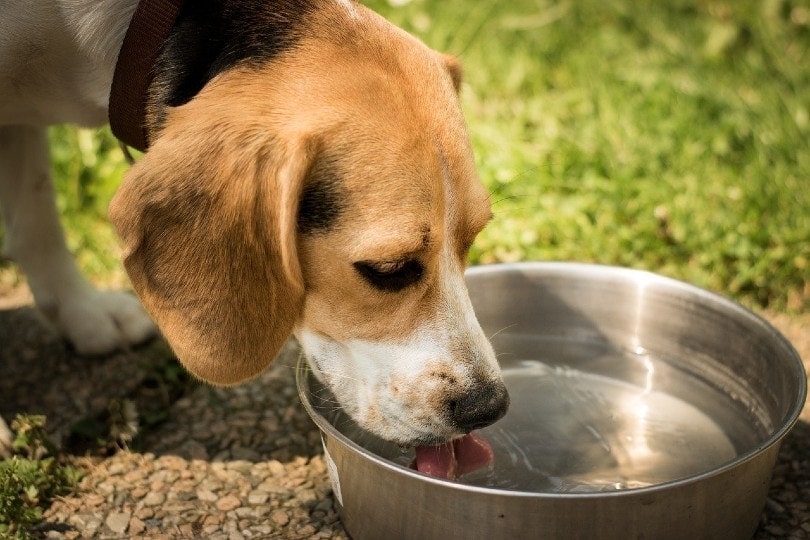
The first signs of dehydration are loss of skin elasticity, loss of appetite, and lethargy. This will likely be accompanied by panting, as the dog will have difficulty cooling themselves off without having had a drink.
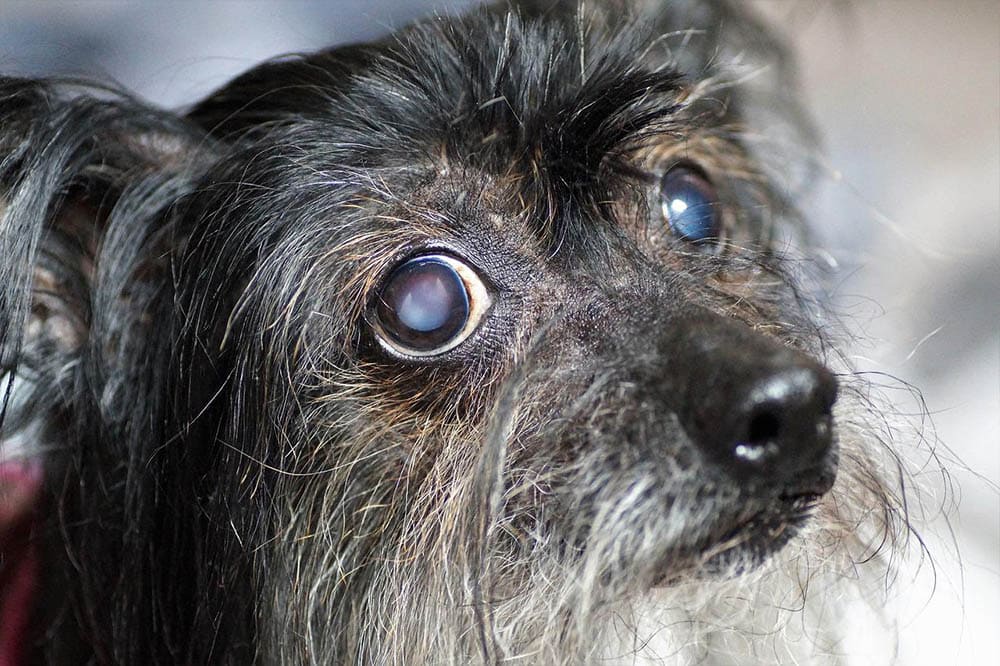
After a few hours, you’ll begin to see serious signs set in. They’ll become extremely lethargic, to the point where they might not be able to move at all. They may also start vomiting or experience diarrhea. Their eyes will look sunken and dull.
If dehydration progresses further, organ failure will set in, and without veterinary intervention, it will have fatal consequences.
Why Would a Dog Stop Drinking Water?
There are a few reasons that a dog would stop drinking water. The most common culprit is a sore mouth or other painful condition. If it’s physically painful for your dog to drink, they’ll naturally avoid doing it as much as possible. Checking their mouth should be your first step to diagnosing the problem.
If everything seems to be fine with their mouth, you may need to get them checked out for other diseases and illnesses. Diabetes, kidney disease, and bladder infections have all been known to put a dog off drinking, so your vet will likely start there.
Sometimes, dogs stop drinking for other reasons, but these will likely be short-term issues. Things such as fear of the water bowl and nervousness over being in a new place may cause them to stop drinking. Eventually, though, your dog’s thirst will win out over these reasons.


How Do I Get My Dog to Start Drinking Water Again?
If your dog isn’t drinking due to pain or disease, there’s little that you can do other than take them to the vet to address the underlying issue. You shouldn’t dawdle when doing this either, as you don’t want your dog to go without fluids for long.
Sometimes, the water bowl is the issue, especially if the dog has had negative experiences around it. In that case, moving the bowl or replacing it entirely may do the trick.
Your dog may also be hesitant to drink from the bowl because it’s dirty. If it’s been a while since you’ve cleaned it out, you should give it a good scrubbing and start over (be sure to rinse it thoroughly first).
If all that fails, you can try mixing food into the bowl or adding water to their food. Your dog may not be interested in drinking, but if they want to eat, at least you can sneak water into them that way. Some dogs will also drink chicken broth or similar liquids; just make sure you give them a low-salt option, as too much salt will only exacerbate the problem.
Ultimately, though, if the refusal to drink lasts longer than a day, you’ll definitely want to consult your vet.
What Are the Warning Signs of Dehydration in Dogs?
There’s a difference between a thirsty dog and one that’s dehydrated. Here are the signs that your dog’s refusal to eat has shifted from a minor issue to something truly worth worrying about:
If you notice any of these signs, take your dog to the vet right away. Most of these are warning signs, so you’ll want to act while there’s still time to save your dog from long-term damage or death.
How Long Can Dogs Go Without Water: Water on Walks
Many instances of dehydration in dogs occur on long walks, especially during the summertime. Remember that your dog is wearing a fur coat, so they can become overheated much more quickly than you can — and they might not have the good sense to realize it either.
As a result, it’s imperative that you take water with you on walks, especially during summer. Depending on the external temperature, anything over 20 to 30 minutes requires toting along a bottle or two.
There are many bottles that are designed specifically for dogs to use on walks. They’re both easy to carry and for dogs to drink out of, so your pup should stay hydrated with little effort on your part.
Don’t rely on your dog’s ability to find water along the way either. Many water sources that your dog will encounter are full of germs like bacteria or protozoa such as Giardia, which can cause all sorts of health issues for your pup. It’s better to bring along your own water that you know is clean.

Don’t Let Your Dog Run Dry
It’s absolutely essential that you make sure your dog has plenty of water to drink every day. Like humans, dogs can go a bit longer without food, but that is not the case with water. Even adult healthy dogs should never go longer than a few hours without water.
If your dog is refusing to drink, you should take them to the vet immediately, as there may be an underlying health condition involved. Even if there’s not, your vet can check if there are any early signs of dehydration and make sure they get fluids in them before there’s any damage to their health.
Nobody likes watching their dog suffer. Having a dog that refuses to drink, though, is an issue that requires immediate action.
Featured Image Credit: Pixabay
Get Hepper In Your Inbox


Pet care tips from our vets and experts, straight to your inbox.
You may opt-out at any time. View our Privacy Policy for more information.
Quincy never intended to be a cat person. He grew up around dogs, and when his wife brought home a kitten one day, he told her she had one week to find it a new home. That week turned into 10 years (his wife moves very slowly), and that kitten turned into three (they got two more, the kitten didn't self-replicate). After a decade of sharing his home with three cats, one horrifying realization finally set in: oh God, he's a cat person now, isn't he???
Join the conversation
Ask a question, share your story, or send private feedback.