Hepper is reader-supported. When you buy via links on our site, we may earn an affiliate commission at no cost to you. Learn more.
Why Do Mother Cats Attack Their Older Kittens? 7 Vet-Reviewed Reasons


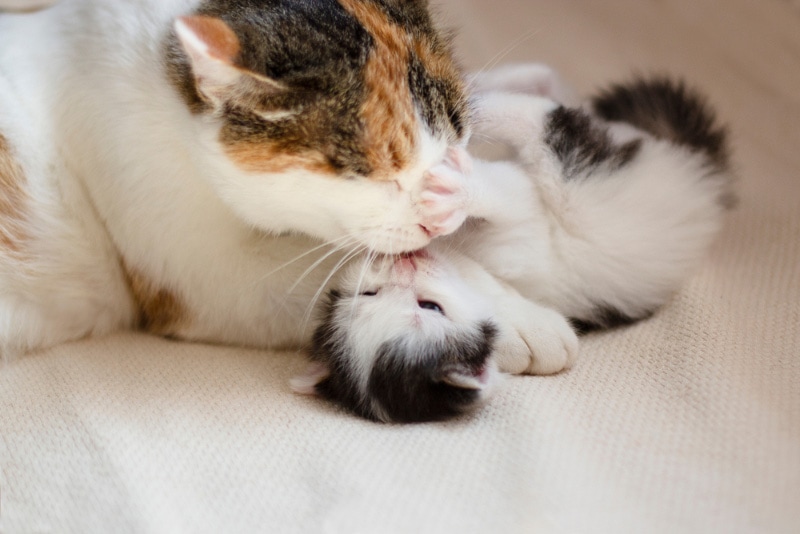
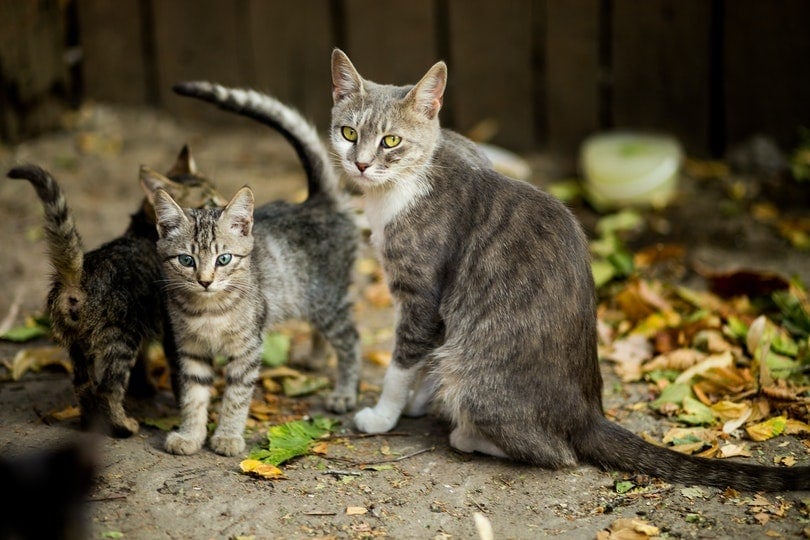
A mother cat spends the first few weeks of her kittens’ lives feeding and nurturing them. However, once those kittens start to get a little older, she may start to get aggressive towards them and actually attack. This is often a normal behavior and part of a kitten’s learning process. Just be sure the mother isn’t getting overly viscous during these times and actually causing the kittens harm. The reasons a mother cat may attack her older kittens are as follows.

The 7 Reasons Why Mother Cats Attack Their Older Kittens
1. She’s in Heat Again
Cats can go back into heat very quickly after giving birth to their kittens. For some cats this means as early as 8 weeks after giving birth. This may signal to the mother that her current litter is ready to be weaned so that she can prepare for pregnancy and a new batch of offspring.
2. The Kittens Have Reached Sexual Maturity
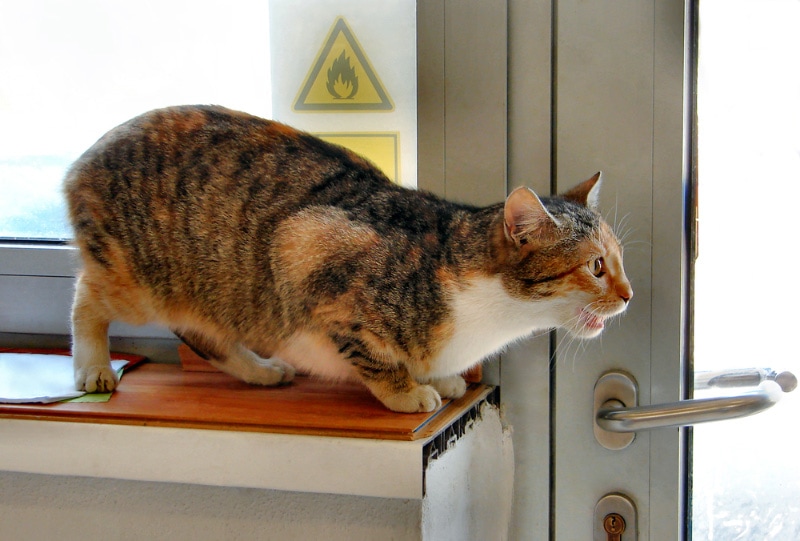
Cats commonly reach sexual maturity around 6 months of age, but some cats may reach maturity as early as four months.
Once your kittens reach sexual maturity, their behaviors will begin to change because of their hormonal shifts. Female cats may go into heat, while male cats may become aggressive toward each other and begin seeking a mate.
If your mother cat is still with her kittens when they reach sexual maturity, she is likely attacking them because she may begin to view her kittens as competition for reproduction or she may begin to be harassed by the male kittens.
3. She’s Protecting Her Territory
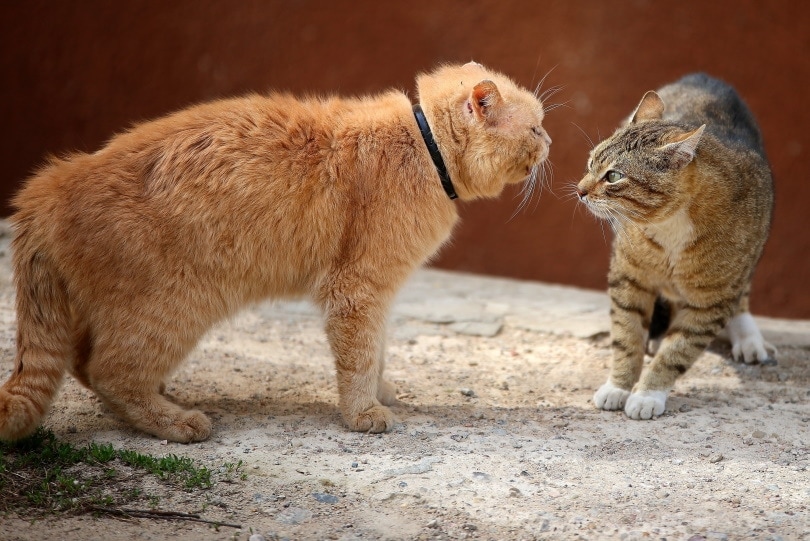
Many people know that male cats are territorial, but female cats can be equally so. Most cats will defend their territory by attacking or chasing other cats away. As your kittens age, the mother cat may begin to see them more as cats that are encroaching on her territory rather than her babies. This can lead to your cat attacking the kittens in an attempt to get them out of her space.

4. She’s Redirecting Aggression
There are multiple reasons for redirected aggression in mother cats. This behavior occurs when your cat is fearful or feeling aggressive toward someone or something and instead redirects the aggression toward someone or something else. This can mean that your cat is upset about a dog being in the room, but unable to attack the dog, she may instead attack the closest kitten.
5. She’s Weaning the Kittens
There comes a time in every kitten’s life when they must be weaned from nursing their mother. Weaning is a process that can occur over days or weeks, and may require some aggressive behavior from the mother in order for the kitten to get the point.
6. She’s Teaching the Kittens
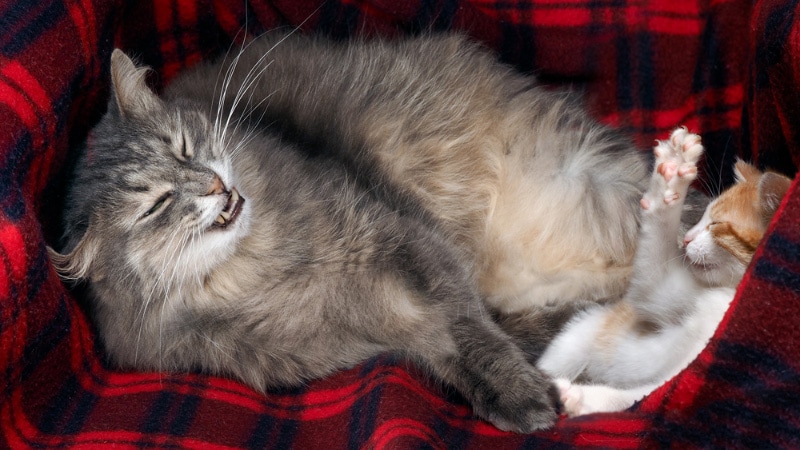
Kittens are born with a set of instincts intact, but there are a lot of social interactions and behavioral cues that cats must learn from their mother. This is why it’s important for kittens to stay with their mother until they’re at least 8-10 weeks of age. Staying together provides all of the kittens with the necessary socialization that helps them learn how to interact with other cats, as well as the world around them.
Sometimes, a mother cat will use aggression to show a kitten that they shouldn’t be doing something or that they’ve crossed a boundary. This is usually a gentle correction but may go as far as a mother cat lashing out and attacking her kitten if she feels their behavior is inappropriate.
7. They’re Playing
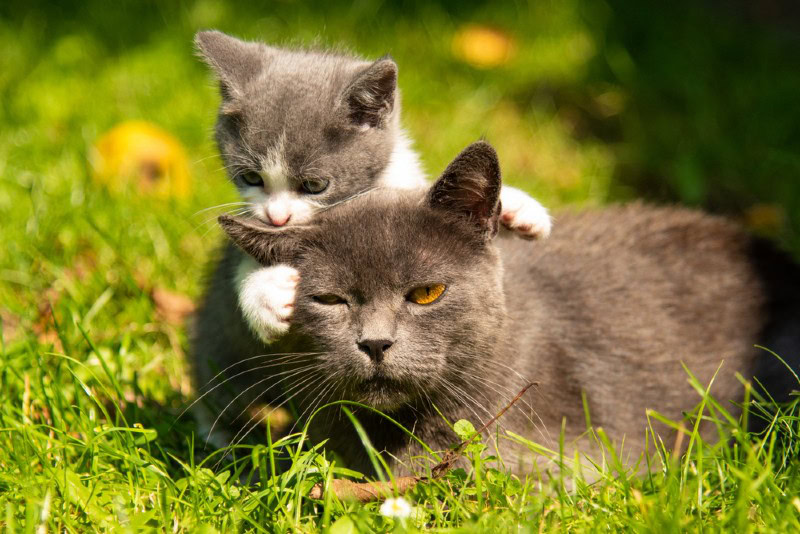
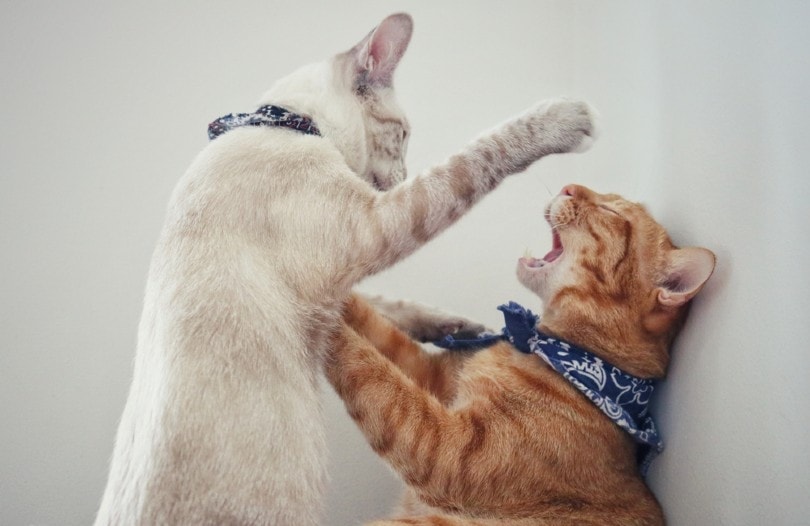
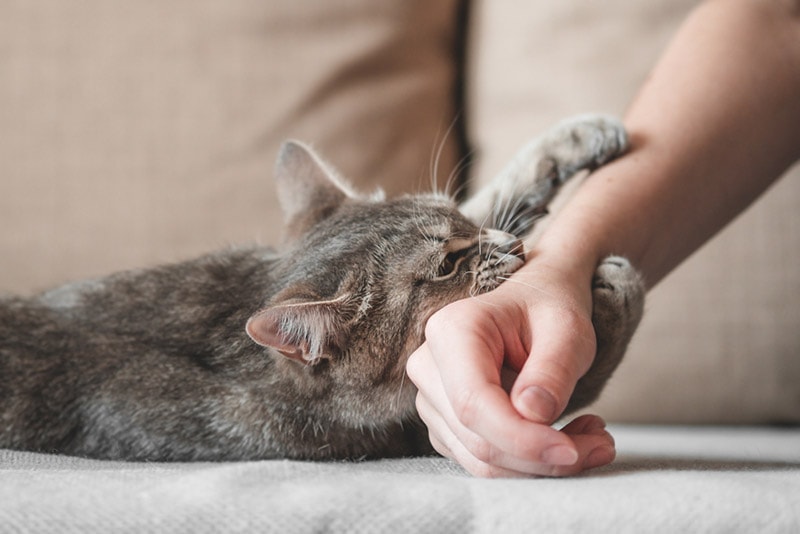
A common cause of “aggression” between a mother cat and her older kittens is actually play. When cats play, they can be very rough with each other, sometimes even making it look like they’re actually having a fight. During play, cats may bunny kick each other with their back feet, bite, swat, chase, and tackle each other.
These are all normal parts of play, as well as integral parts of socialization and learning for your kittens. If your cats are walking away from these situations uninjured and not seeming to be nervous or upset, then they are likely just having playtime with their mother.
When Should You Intervene?
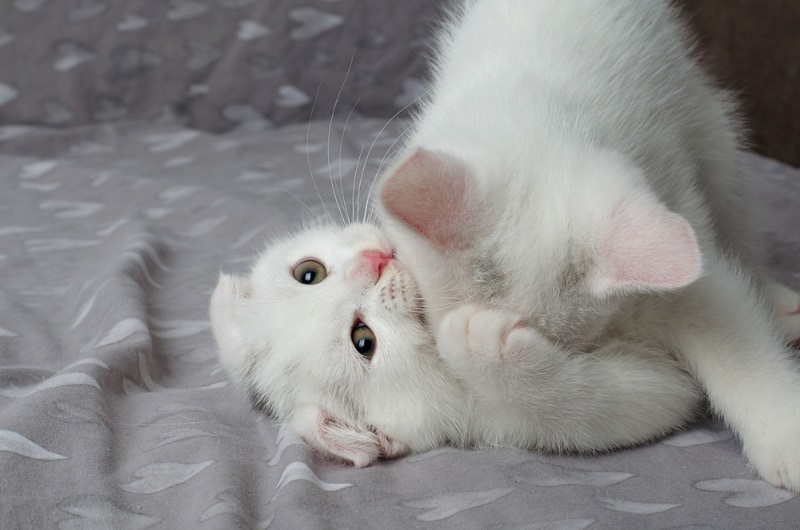
If your mother cat is showing aggression toward her older kittens, it can be difficult to know when to intervene. This is especially true if you’re not sure if what you’re witnessing is true aggression or something more benign, like play or teaching. If one of the cats involved in the aggressive episode appears to be actively hurt or overly stressed, then it’s time to take action.
Try to determine what is causing the mother cat’s aggression. Has something changed in the environment that is causing her to feel stressed or unsafe? Have the kittens reached sexual maturity or has your cat gone back into heat? If what you’re seeing is truly aggression, you need to find a way to remedy the cause. In some cases, this may mean rehoming the kittens if weaned, spaying or neutering if old enough, or safely separating all parties.
If all the cats are walking away from these events seemingly without injuries or stress and not showing behavioral changes associated with stress or fear, then there’s a good chance that your mother cat is simply playing with or teaching her kittens.
Final Thoughts
It’s unsettling to see your cat attacking her kittens, but there are some positive reasons that this behavior may be occurring. True aggression needs to be addressed, though. This may mean a vet visit to rule out medical problems, as well as to determine if behavioral support, like separation or training, is needed.
Sources
Featured Image Credit: Elena Mitusova, Shutterstock
Get Hepper In Your Inbox


Pet care tips from our vets and experts, straight to your inbox.
You may opt-out at any time. View our Privacy Policy for more information.
After nine years as a veterinary assistant, Brooke Billingsley transitioned to a career as a nurse in 2013. She lives in Arkansas with her boyfriend, sharing their home with three dogs, two cats, five fish, and two snails. A dedicated animal lover, Brooke has a special place in her heart for special needs pets, including a three-legged senior dog and a famous cat with acromegaly and cerebellar hypoplasia. Fish keeping is one of her hobbies, and she is constantly improving her knowledge to care for her aquarium pets. Brooke is an active yoga enthusiast, having obtained her 200-hour yoga teacher certification in 2020. She believes in the importance of continuous learning and dedicates time each day to developing new skills and expanding her knowledge.
Join the conversation
Ask a question, share your story, or send private feedback.