Hepper is reader-supported. When you buy via links on our site, we may earn an affiliate commission at no cost to you. Learn more.
How Do Mother Cats Discipline Their Kittens? Vet-Reviewed Facts & FAQ


In this article
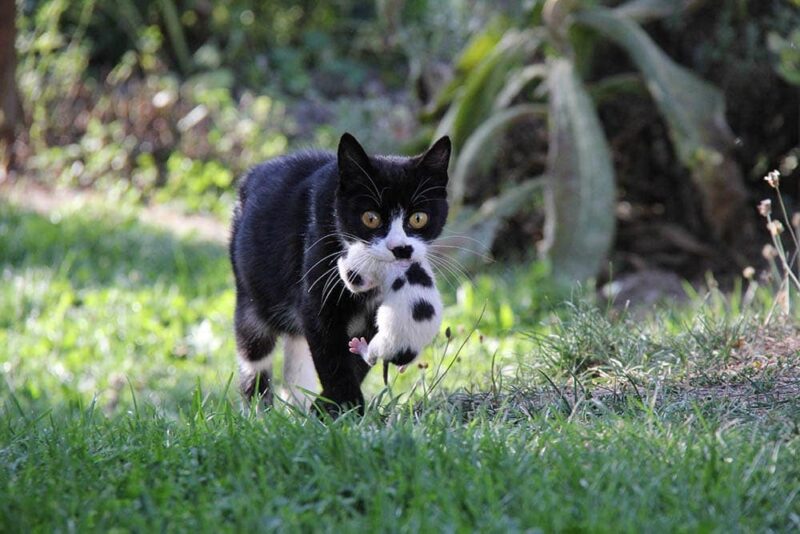
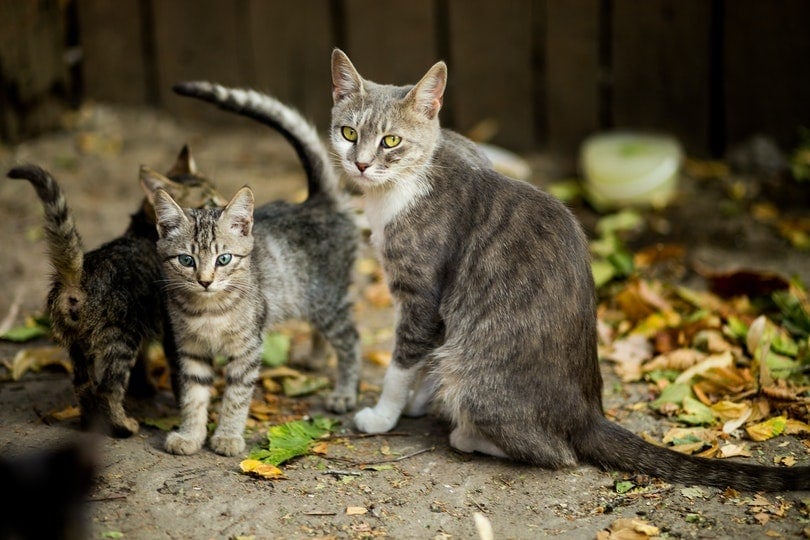
Mother cats discipline their kittens as a part of normal feline behavior and socialization. Moms help their kittens understand how to interact with other cats, safely play with their littermates, and teach them what behaviors are off-limits. But how do they do this?
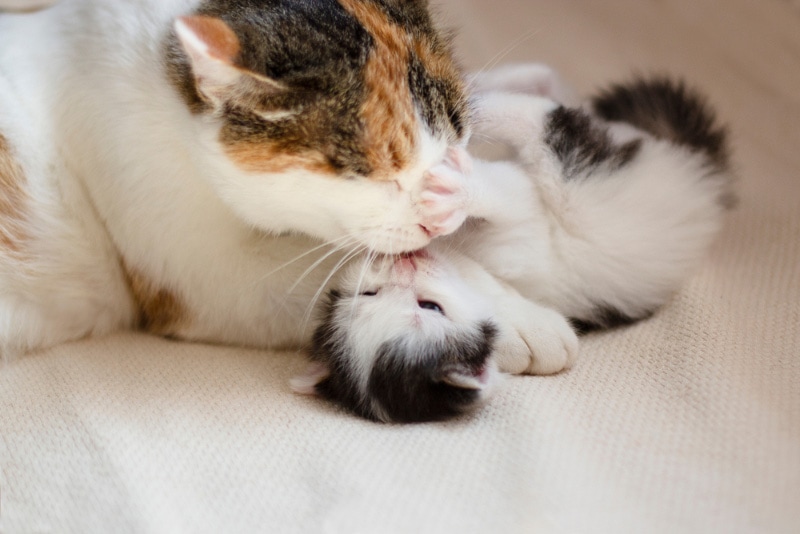
Most mother cats, also called queens, start by removing kittens from the situation where they are behaving badly. This sends a clear message to the kitten that they have to do it on Mom’s terms if they want to get attention or play. If the kitten persists, the queen will escalate the correction by hissing at the kitten or bopping them on the head.
Let’s take an in-depth look at how mother cats discipline and correct their kittens.

Discipline vs. Correction
With regard to behavior modification in animals, there is a difference between discipline and correction. Most people consider discipline to be a punishment, or negative consequence, for undesirable behavior. When you think about disciplining human children, grounding them or taking away a privilege is considered discipline. This method of behavior modification works with humans because we can explain to them why they are receiving the punishment.
For animals, especially dogs and cats, you can’t explain the consequences in the same way. For example, if your kitten pees on the floor instead of in the litter box and you don’t find it until 2 hours after the event, yelling at them does no good. They have no idea why you’re upset and cannot make the connection between them urinating on the floor and you being mad. This is why many pet parents struggle with training young animals. You have to think differently because animals think differently.
For example, if you catch your kitten in the act of urinating on the floor and immediately move them to the litter box with a reprimand, they will associate the reprimand and the correction with their actions. How Do Mother Cats Discipline Their Kittens? In order for your cat to make the association, though, the consequence must be immediate.
In most cases, mother cats don’t discipline but correct their kittens. A hiss or a swat on the head is a way for them to say, “Stop that.” The biggest reason corrections from mother cats work is that they are immediate, which is important.
Mother Cats Walk Away
One of the most powerful training tools for young kittens is attention. Whether it’s from a cat mom or a human mom, walking away during rough play or when a kitten gets too demanding sends them a clear signal that their behavior doesn’t get them what they want. This is often the first method queens use to correct their litter.
You can watch this in action when it’s time for kittens to be weaned and start eating regular cat food. The mother will, at some point, walk away from her kitten when they try to nurse. The kitten may go back and try a few times before the message sinks in, but the mother will walk away each time, not allowing the behavior. Eventually, the kitten will realize that they will not get to nurse and choose to eat cat food.
Vocal Corrections
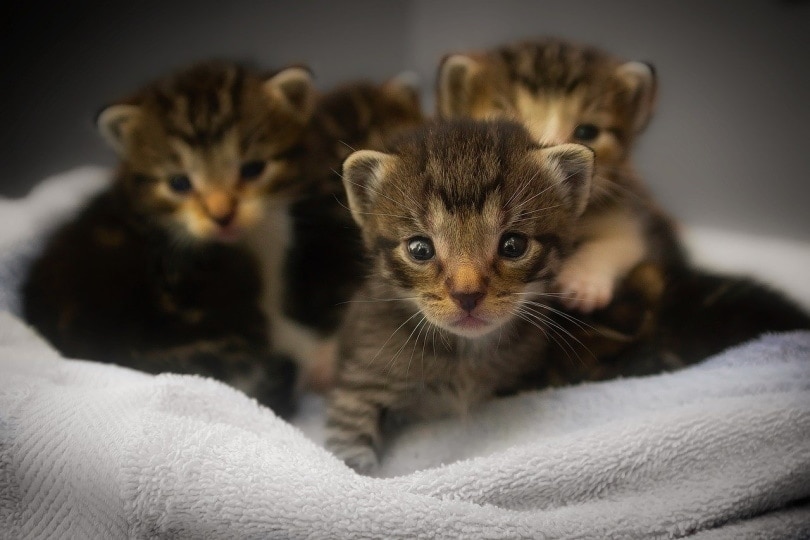
When walking away doesn’t correct a behavior, mother cats take things up a notch and correct their kittens with growls, assertive meows, or hissing. These are considered distance-increasing behaviors, and kittens instinctually understand them from birth. Any time you introduce a young kitten to adult cats, you will see them hiss. This is kitten socialization at its finest.
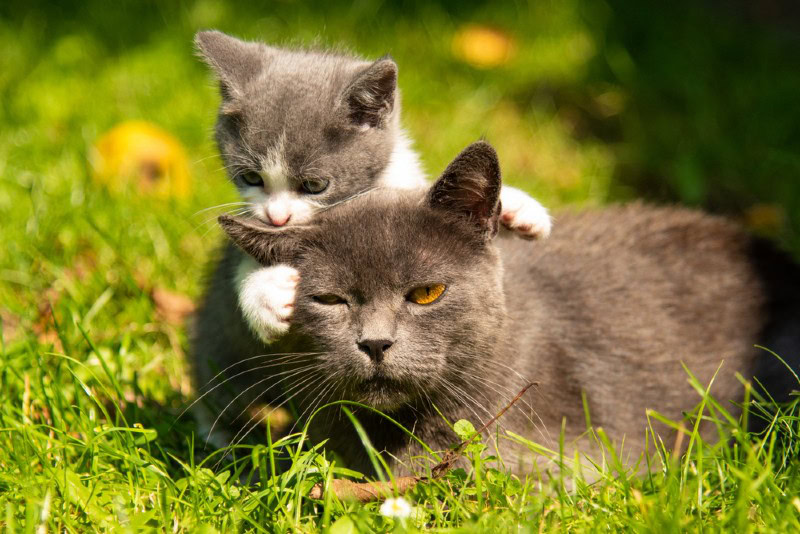
Kittens like to swat other cats’ tails, bite at them, and pounce on them in an effort to play. Adult cats hissing at them is essentially cat language for, “Knock it off!” It startles the kitten into stopping the behavior and teaches them to be gentle in their play.
Physical Corrections
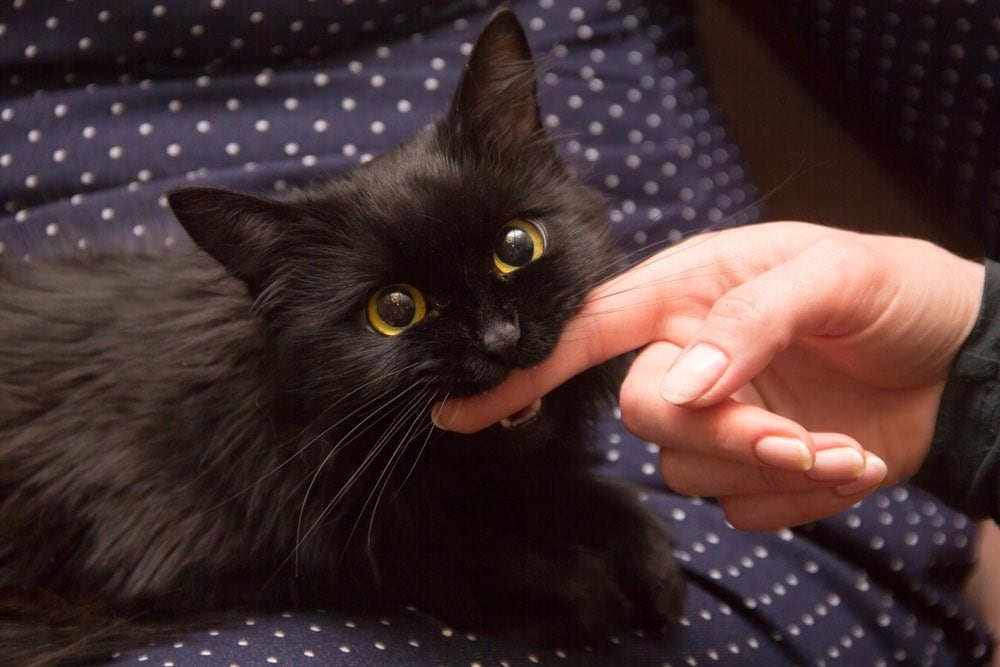
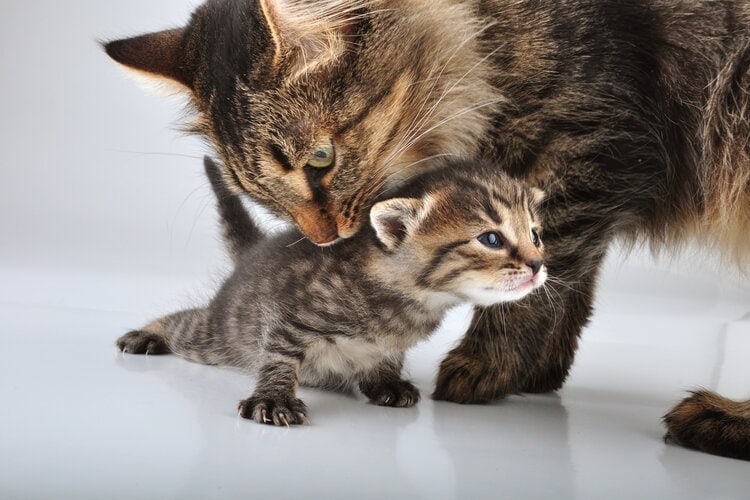
Mother cats will use short physical corrections with their kittens. This is effective discipline from a mother to her kittens, but it’s a form that humans shouldn’t mimic. Mom will lightly bite or tap the kitten on the head when they aren’t getting the message to stop a behavior. The mother knows exactly how much physical pressure to use to get her point across without hurting the kitten.
Taking Cues From Littermates
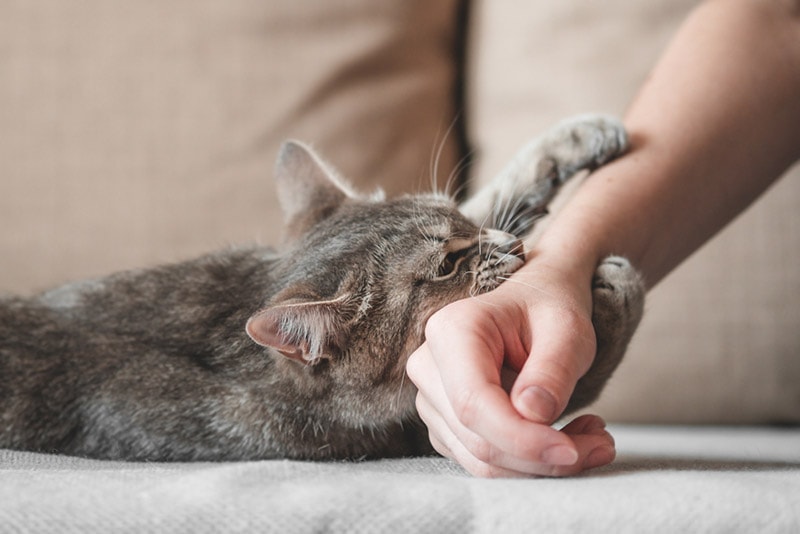
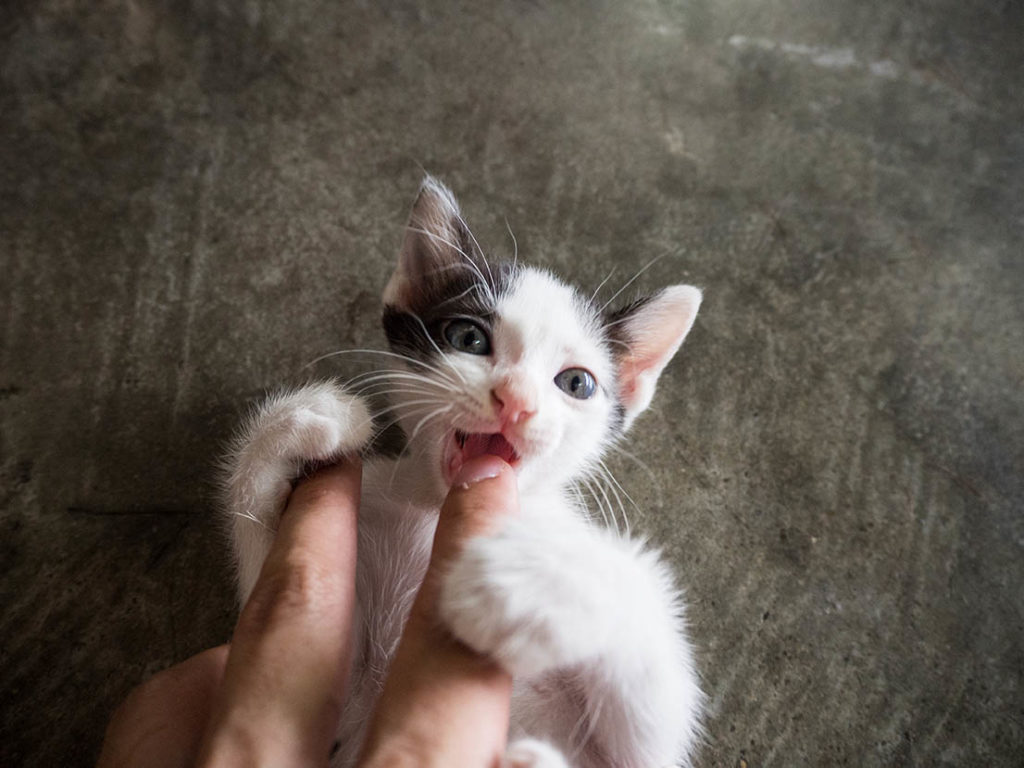
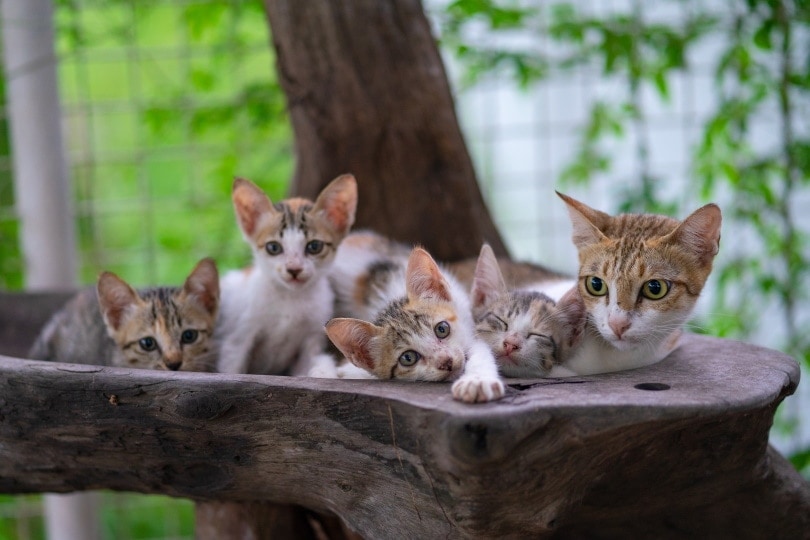
Kittens don’t just learn from their mothers; they learn from everyone and everything around them, including other kittens. Interaction with littermates is a key part of early socialization. The most important concept learned from this interaction is bite inhibition (this is true of puppies too). Bite inhibition is the concept of moderating how much power they put behind their bite. It’s how kittens learn to put their teeth on your hand during playtime without biting down and causing harm.
They learn this because any time they bite their littermate too hard, the kitten on the receiving end of the bite lets out a loud cry and runs away. This ends playtime, which is a negative consequence of the behavior. Over time, kittens learn that they have to moderate their bite force if they don’t want playtime to end.
Kittens or puppies that grow up without their mothers or littermates often have behavioral problems as they grow up because they lack the important socialization typically received in the first weeks of life. Bottle-fed kittens that are orphaned should be socialized with safe adult cats and other kittens for healthy development.
Should I Discipline My Kitten Like a Mother Cat?
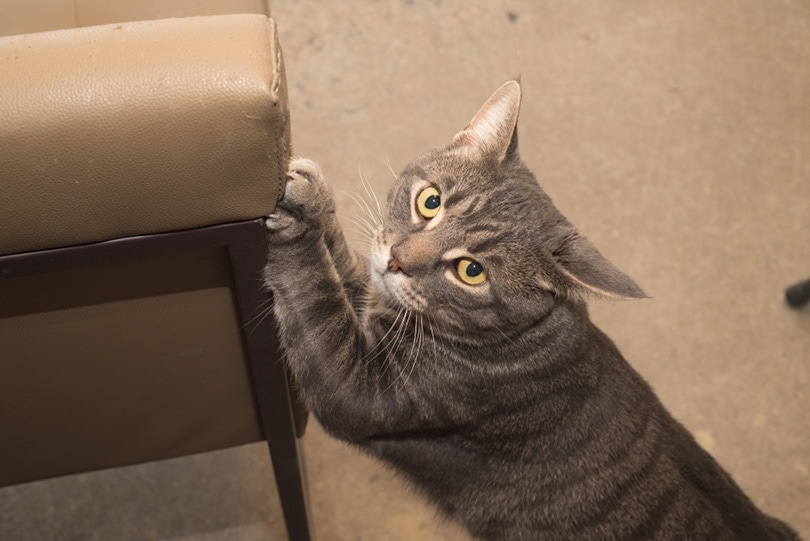
Yes and no. While you can and should use the same principles of discipline and correction that a mother cat uses, you don’t want to bite or hit your kitten. Here are a few ways that you can use these principles to correct your kitten:
- Walking away from bad behavior. When your kitten behaves badly, give them the cold shoulder. Your attention is what your kitten wants most, so when you remove it, they’ll quickly get the hint that you don’t like their actions. This is often the best and the easiest way to correct cats’ bad behaviors, especially when they’re young. Ending playtime sends them a clear signal that their behavior won’t be tolerated.
- Vocalization. To enforce your “no,” you can use vocalization, but you have to use feline-friendly language to do it. Hissing sounds or loud-pitched yelps make sense to kittens. As with all behavior modification, timing is critical. If your kitten bites your hand too hard, the yowl must happen immediately. Then take yourself away and end the play session.
- Redirection. Simple redirection of the behavior goes a long way for things like litter training. If you catch your cat urinating anywhere but the litterbox, immediately moving them to the litterbox and then rewarding urination in the box with attention or treats as positive reinforcement will help.

Conclusion
Mother cats don’t always discipline their kittens, but rather give them subtle behavior corrections. According to the infraction, these corrections escalate in intensity, but they are always immediate. The type of behavior and how many times the kitten has misbehaved determine the intensity of the consequence. What’s most important for correcting kittens is the timing of the correction. Incorporating the timing and the principles of their mother’s corrections can help raise well-socialized happy cats.
See Also:
Featured Image Credit: EVG Kowalievska, Pexels
Get Hepper In Your Inbox


Pet care tips from our vets and experts, straight to your inbox.
You may opt-out at any time. View our Privacy Policy for more information.
Chelsie is a freelance writer who is passionate about helping pet owners and beloved animals live their best lives. She lives in rural Alberta, Canada with her husband and two sons. She is also currently a pet parent to four horses, four cats, and a border collie.
Join the conversation
Ask a question, share your story, or send private feedback.