Hepper is reader-supported. When you buy via links on our site, we may earn an affiliate commission at no cost to you. Learn more.
Why Do Shih Tzus Snort So Much? 10 Reasons
In this article
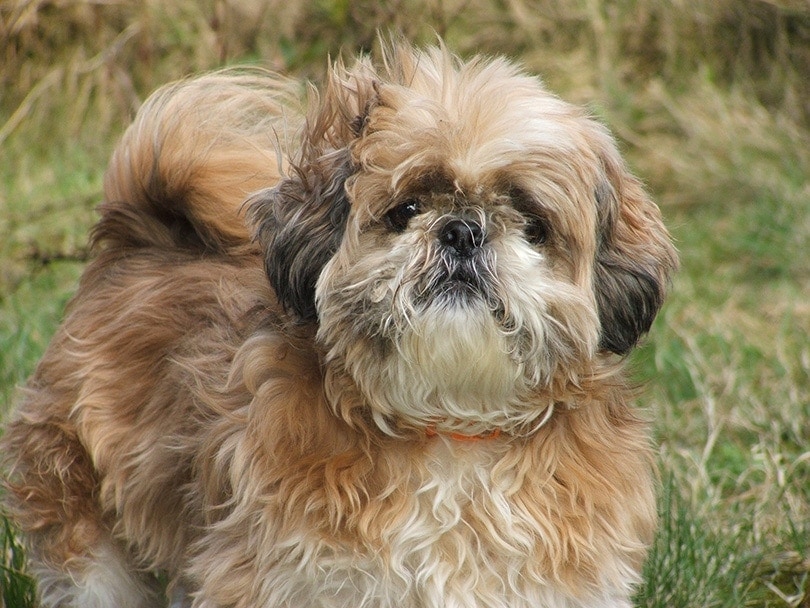
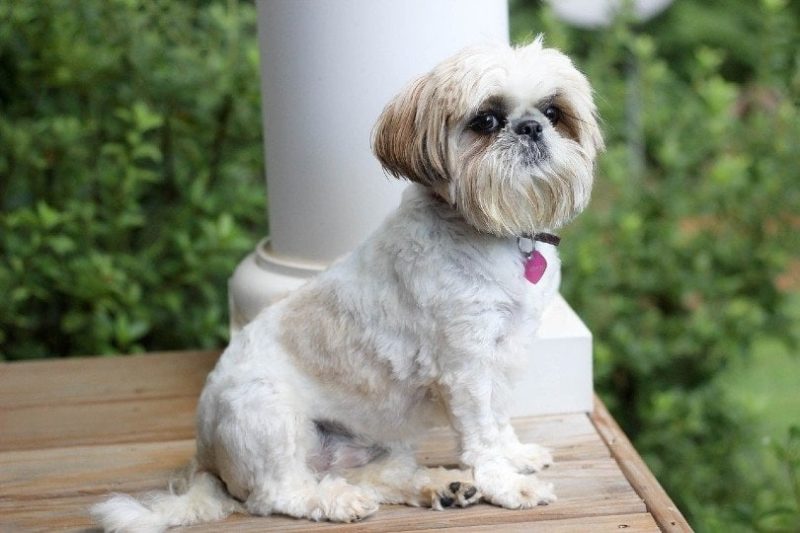
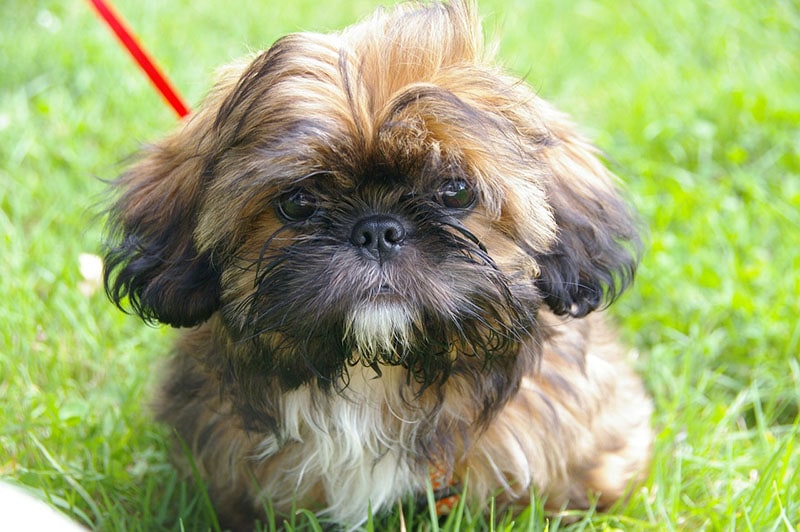
Shih Tzus are the most adorable little dogs. With oodles of love to give and an appealing character, they are a joy to own. They are a dominant presence in the home, not least because they are so audible. Their snuffling, snorting, rasping, and honking make them hard to ignore and easy to locate at any time.
Although they’re not the yappiest breed of toy dogs, those other sounds they make might get on your nerves if you’re trying to have a quiet moment! On the other hand, you may find their interesting array of vocalizations to be the most endearing thing about them.
You may have wondered about the cause of some of the wonderful sounds your pooch makes, and we hope this article will enlighten you. Read on to find out why your Shih Tzu snorts so much.

The 10 Reasons Why Shih Tzus Snort So Much
Several reasons can cause a dog of any breed to snort, and we’ll have a look at these a bit later on. There are, however, a few reasons that cause your Shih Tzu to snort that are due to their specific breeding. Let’s take a look at these first.

Brachycephaly
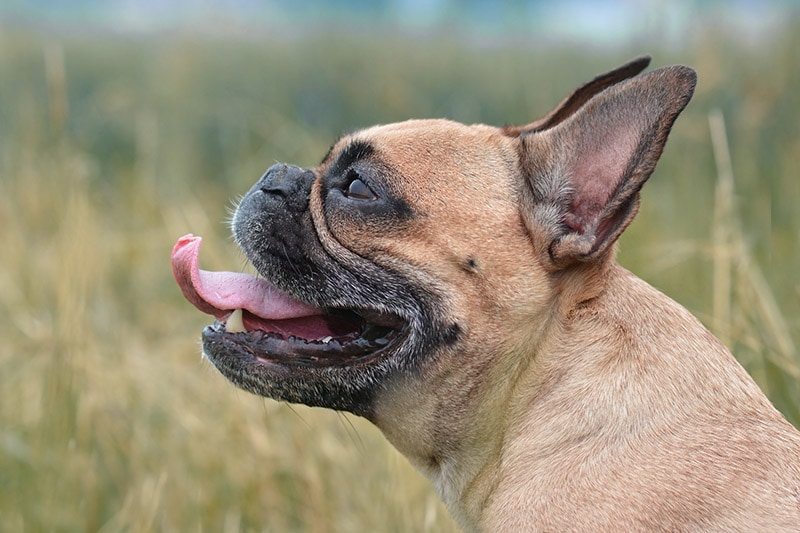
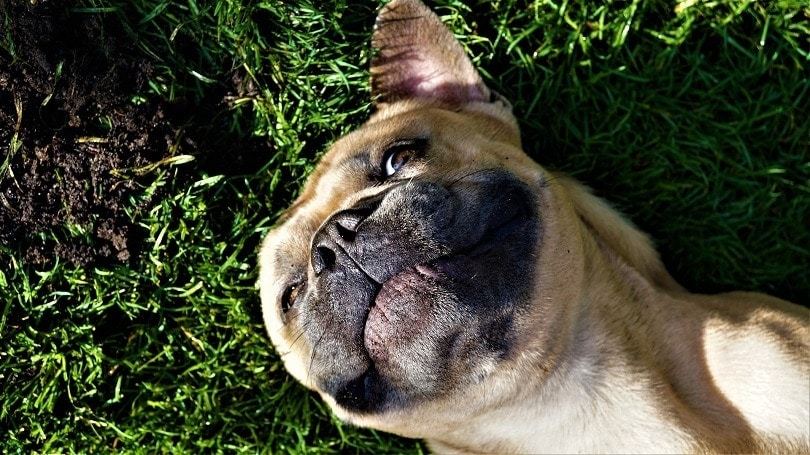
Shih Tzus are characterized by their brachycephalic head shape. This means that they have a short head that has been derived through selective breeding. This head shape, though giving them a cute appearance, is associated with an undesirable disease called Brachycephalic Airway Syndrome (BAS).1 It can cause them great discomfort and even result in poor health. The following five conditions are symptomatic of the syndrome and are more than likely the reason for your Shih Tzu’s trademark snorting.
1. Small Nostrils
Also referred to as pinched nostrils, and medically known as stenotic nares, this is a narrowing of the nostrils and/or nostril openings. This causes the dogs to have difficulty breathing. As well as causing noisy breathing and panting, it can result in this breed having a higher risk of overheating.
2. Elongated Soft Palate
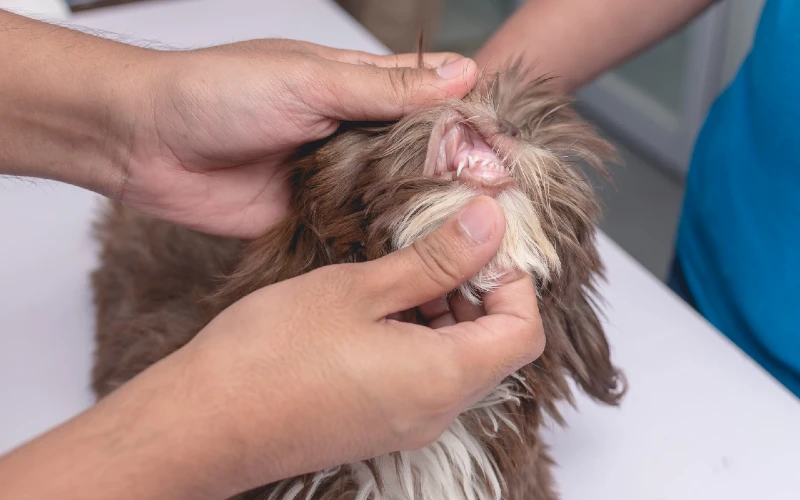
The soft palate is the firm, fleshy roof of the mouth. In short-snouted breeds, this part of the mouth is often too long to fit in its head. It may extend backwards over the windpipe opening, essentially creating an obstruction, resulting in difficulty inhaling and exhaling.

3. Tracheal and Laryngeal Collapse
The trachea (windpipe) and/or the larynx (voice box) are at greater risk of collapse in dogs with this disease, due to the stress exerted from the effort required to breathe. The trachea or larynx collapses inward blocking the flow of air.
4. Everted Laryngeal Saccules
The laryngeal saccules are two little pockets at the back of all dogs’ throats. In brachycephalic breeds, the extra effort required to breathe can result in these sacs turning inside-out. When this happens, they then protrude into the windpipe, creating an obstruction and resulting in even greater difficulty breathing for the poor little dogs.
5. Hypoplastic Trachea
This is a condition where the trachea (windpipe) is narrower than normal. The result is that it requires a considerably greater effort for the dog to breathe. To get an idea of this, think about how difficult it would be to drink your smoothie through a normal soda straw.
Other Reasons Your Shih Tzu Is Snorting
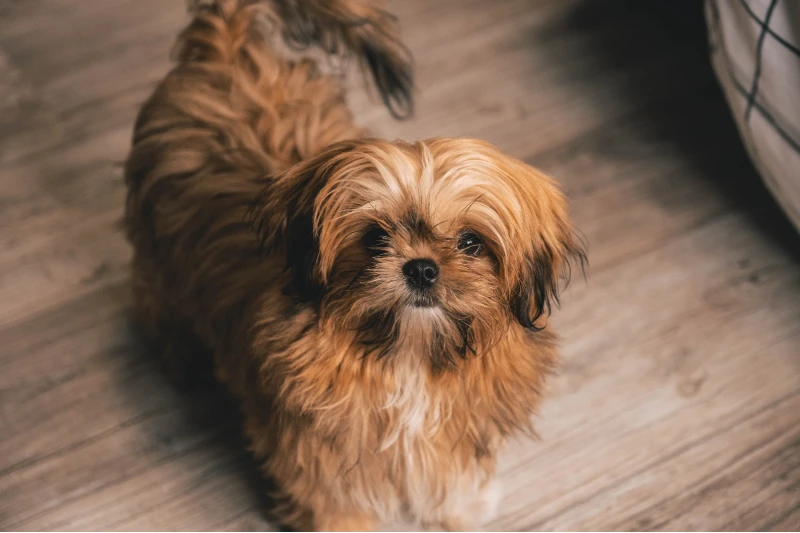
Other reasons for snorting are not breed-specific and could happen to any dog. If your Shih Tzu’s snorting sounds different to how it normally does, one of these other reasons may be the culprit.
6. Respiratory Ailment
Your dog could have an upper respiratory tract infection,2 like a cold or flu. Depending on the severity, it might be necessary to take your precious fur child to the vet for medication. Look out for other symptoms, such as coughing, sneezing, or wheezing that could confirm this diagnosis.
7. Foreign Object
If your Shih Tzu’s normal snorting noises suddenly change and are accompanied by a sense of panic or restlessness, this is cause for concern. It may have involuntarily inhaled or swallowed a foreign object that has become lodged in the airways of the nose or throat.3 If this is the case, the dog may also be pawing at its nose or mouth in an attempt to dislodge the object. Should you suspect this to have happened, then you need to seek veterinary assistance immediately.
8. Reverse Sneezing
As the name suggests, reverse sneezing is the exact opposite of normal sneezing. Instead of a violent, involuntary expulsion of air, the air is forcefully and rapidly inhaled. It is common in dogs and of no cause for concern.
Reverse sneezing often happens in fits and can last several minutes, causing alarm to both dog and owner. Although they are not dangerous or harmful, they can cause dogs distress so try to soothe and reassure your little guy or gal while it’s happening.
9. Obesity
Being overweight or obese could exacerbate your little Shih Tzu’s already compromised respiratory system. The excess fatty tissue presses in on their windpipe and larynx, putting them under additional pressure. This could make their snorting even worse.
10. Tumor
More rarely, a tumor in the nasal passage, throat, or another part of the respiratory tract can result in snorting noises. Snorting may not be a good diagnostic symptom of a tumor in Shih Tzus, since they already snort and snuffle so much.
If you suspect the snorting has slowly gotten worse over some time, then perhaps have your doggie checked out by the vet. This will either confirm your suspicions or give you peace of mind.

How Can I Help My Shih Tzu Breath Easier?
While you cannot magically elongate your precious fur baby’s head, there are a few things you can do to help it breathe easier. Some of these are at-home strategies that could include simple lifestyle changes, while others are more drastic, albeit sometimes necessary.
- Be discerning when choosing a collar for your fur baby. It must not be too tight, as this will put further pressure on its restricted airways. Always walk your Shih Tzu in a Y-shaped harness.
- Be careful to not expose your Shih Tzu to overly hot conditions. If you live in a region that experiences very hot days, allow them to enjoy exercise outdoors during the cooler part of the day. They are at greater risk of overheating than non-brachycephalic dogs.
- Try to ensure that your little hound doesn’t get over-excited. The physical exertion and heavy breathing associated with highly excited states may be more than your doggie’s compromised respiratory tract can handle.
- Your Shih Tzu’s bed should be firm and supportive. A soft or uneven bed might result in an unsuitable sleeping position that closes up its airways. If possible, provide your doggie with a little pillow so that it can elevate its head.
- Your Shih Tzu might struggle to breathe in very dry environments. If you suspect dry air may be causing them discomfort, then it may be worth investing in a humidifier that can be placed near its bed at night. The moisture-laden air can soothe inflamed and strained airways.
- When all else has failed and your precious bundle of joy is still suffering intolerably, it may be necessary to consider a more extreme course of action. In consultation with your veterinary surgeon, you may decide that corrective surgery will be required to provide your Shih Tzu with a better quality of life. Surgical procedures can be performed on the nostrils, soft palate, and trachea to partly rectify genetic deformities caused by selective breeding. Surgery is not without risk, and the tracheal procedure is particularly risky compared to those to correct stenotic nares and an elongated palate.
Conclusion
Your little Shih Tzu’s snorting is chiefly a result of their genetics. Their characteristic short head means that their respiratory pathways have been deformed beyond the point of optimal functionality. Fortunately, there are some things that can be done to improve your little darling’s quality of life. If you own one of these adorable little pups, you probably intuitively already do many of them.
There are a handful of other reasons that could be resulting in a change or worsening of your little dog's snorts. Hopefully, this article will have given you some insight into the wonderful world of Shih Tzu snorts, and how to distinguish between the various causes thereof.
Featured Image Credit: Werner, Pixabay
Get Hepper In Your Inbox


Pet care tips from our vets and experts, straight to your inbox.
You may opt-out at any time. View our Privacy Policy for more information.

Nicole is a lover of animals of all sizes but is especially fascinated with the feline variety. She’s the proud mom of Baby, a Burmese, and works every day so he can relax in the sunshine or by the fire. She’s always had a cat in her home and has spent countless days with others, observing behaviors and softening up even the grouchiest of the lot. Nicole wants to share her kitty expertise with you so you and your cat can live happy, healthy, and care-free.
Join the conversation
Ask a question, share your story, or send private feedback.