Hepper is reader-supported. When you buy via links on our site, we may earn an affiliate commission at no cost to you. Learn more.
What Is a French Bulldog’s Reverse Sneeze? Vet-Reviewed Facts


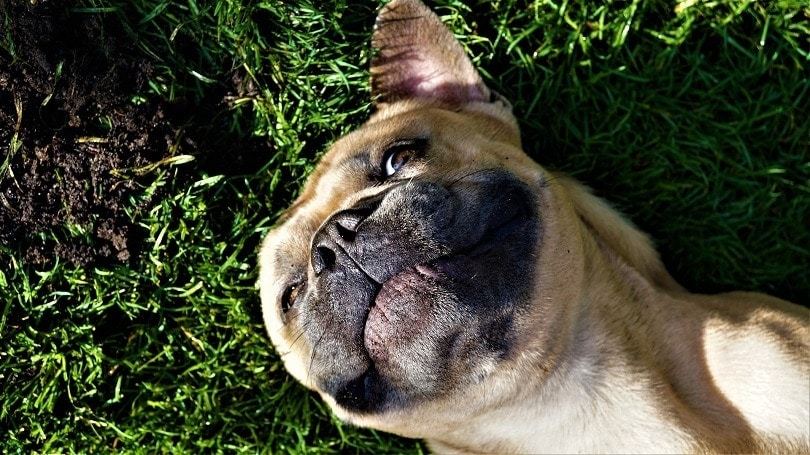
If you’re new to French Bulldog ownership, the reverse sneeze might be scary at first, but the good news is that it’s a relatively benign occurrence. Reverse sneezing or “backward sneezing” occurs when a dog’s soft palate becomes irritated. Reverse sneezing occurs most often in dogs, but cats have been observed reverse sneezing, albeit much more rarely.

What Is Reverse Sneezing?
The soft palate is a muscular area in the back of the roof of the mouth. This muscle assists with vocalization, swallowing and breathing.
When the soft palate becomes irritated, the muscle spasms and narrows the trachea. The dog will usually extend their neck, trying to expand the chest so they breathe, but the narrowed trachea prevents them from inhaling correctly.
After the dog is unable to inhale, they will attempt to forcefully inhale through the nose, which causes them to sneeze in reverse.
What Does Reverse Sneezing Sound Like?
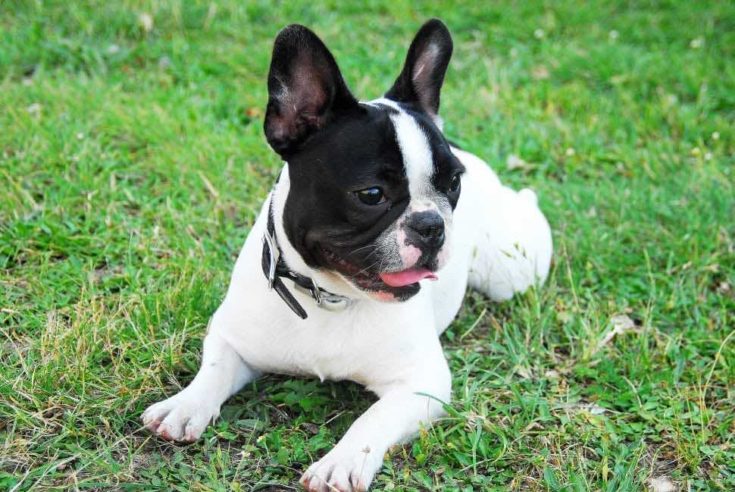
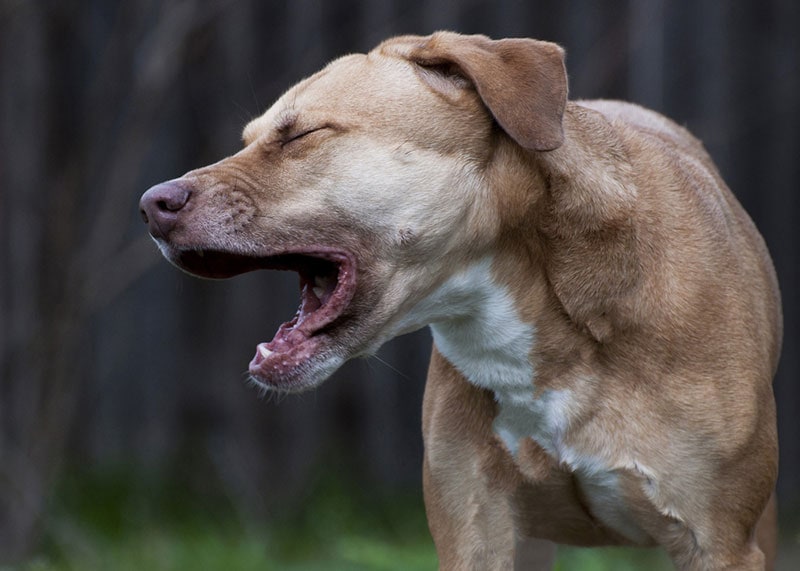
Reverse sneezing sounds like a dog is inhaling while sneezing, hence the name “reverse sneeze.” (Sneezing is a type of exhalation, technically.) It is a loud snorting noise that can sound like a honking goose which is much scarier than it first seems because geese are pretty aggressive, and no one wants a goose in their house.
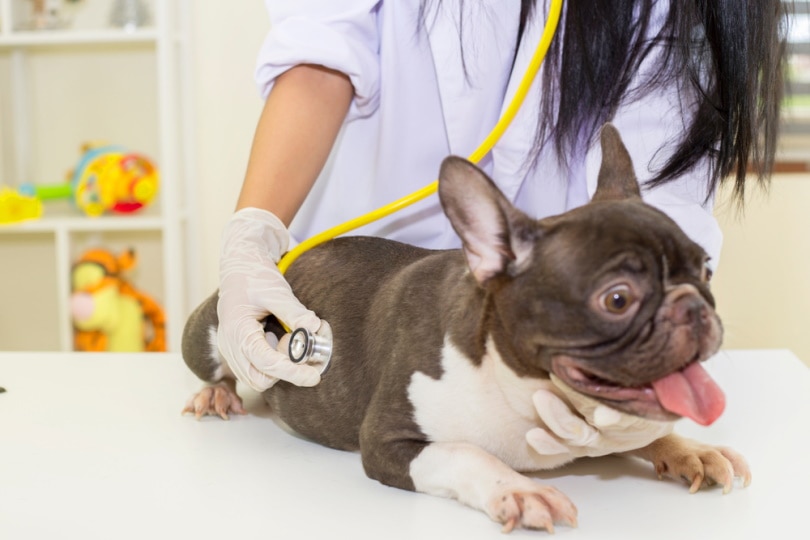
The first few times you hear your dog reverse sneeze might be scary since it can be loud and unusual sounding. It’s best to have your dog evaluated by a veterinarian to ensure that they’re actually sneezing in reverse and not coughing or choking. Take a video for your veterinarian if you can. If you think your dog is choking, get them veterinary help immediately.

How Long Does Reverse Sneezing Last?
Most episodes of reverse sneezing will last 30 seconds or less, but it might feel longer if you’re worried about your dog. If your dog is regularly having long bouts of reverse sneezing, there may be something more sinister at play. So, keep an eye on it and let your veterinarian know if it’s a consistent problem.
What Causes Reverse Sneezing in Dogs?
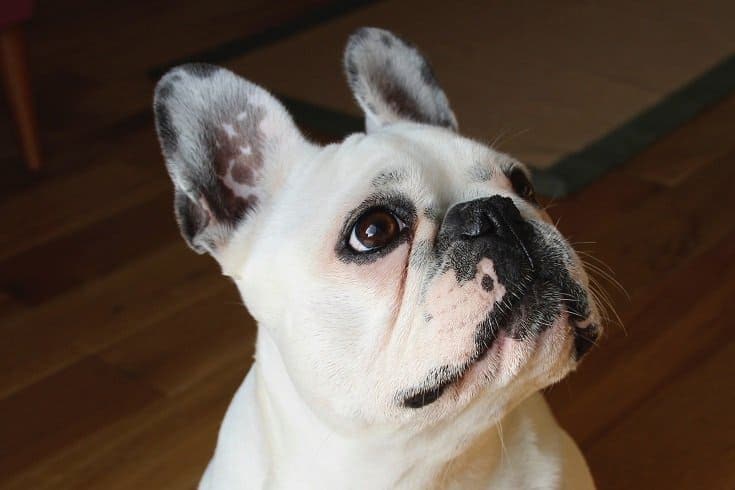
Dogs reverse sneeze primarily for the same reasons they normally sneeze: to expel an irritant in their airways. Regular sneezing expels irritants in the nasal cavities while coughing expels irritants further down in the trachea. A reverse sneeze goes even deeper than that, expelling irritants from the nasopharynx, the area by the soft palate. French bulldogs may be more likely to reverse sneeze due to their commonly elongated soft palates.
Some irritants of the soft palate include:

Is Reverse Sneezing Dangerous for Dogs?
As long as the episodes are fairly infrequent, there’s no cause for concern when your dog reverse sneezes. Reverse sneezes are generally benign, but if your dog has never reverse sneezed before you should have them evaluated by a veterinarian to ensure that they are actually reverse sneezing and not experiencing something more insidious like coughing or choking.
If your dog starts to reverse sneeze regularly or the episodes become more severe, have your dog evaluated by a veterinarian. They’ll probably take chest X-rays and maybe examine the nasal cavity to look for abnormalities in the dog’s airways.
How to Stop Reverse Sneezing in Dogs
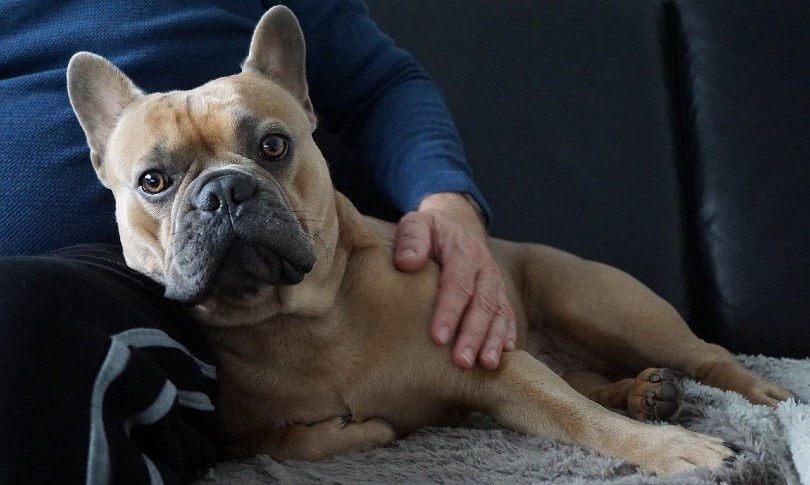
It is not necessary to intervene when your dog reverse sneezes unless they’re doing so regularly or experiencing severe episodes of reverse sneezing. Here are some quick fixes that can help your dog stop reverse sneezing episodes.
Some people suggest briefly covering the dog’s nostrils to force them to swallow. Swallowing will help rid the soft palate of whatever is irritating it and end the episode. You can also try massaging your dog’s throat gently to dislodge or soothe the muscle spasm in the throat.
If your dog has regular episodes of reverse sneezing, a veterinarian will want to examine them to diagnose an underlying cause of the episodes and provide treatment for the cause, such as allergy medications or removing the foreign object in their throat.

Final Thoughts
Reverse sneezing can certainly be a surprising and scary thing when you first experience it, but it’s a relatively benign occurrence, luckily. If your dog has problems with reverse sneezing, your veterinarian should be able to recommend a relatively non-invasive treatment to deal with the underlying cause of reverse sneezing.
Related Reads:
Featured Image Credit: Mylene2401, Pixabay
Get Hepper In Your Inbox


Pet care tips from our vets and experts, straight to your inbox.
You may opt-out at any time. View our Privacy Policy for more information.
Luxifa is a freelance writer with a passion for animal science and technology. She loves to share the world of animal science with people to help them make informed decisions for themselves and their pets. Luxifa has worked in professional pet care for over six years and realised she could help change the world of pet care by bringing the information people needed to them in terms they could understand. Knowledge is power and she loves to help everyone become the most informed they can be.
Join the conversation
Ask a question, share your story, or send private feedback.