Hepper is reader-supported. When you buy via links on our site, we may earn an affiliate commission at no cost to you. Learn more.
Why Does My Dog Put His Paw on Me? 5 Vet-Verified Reasons Why


In this article
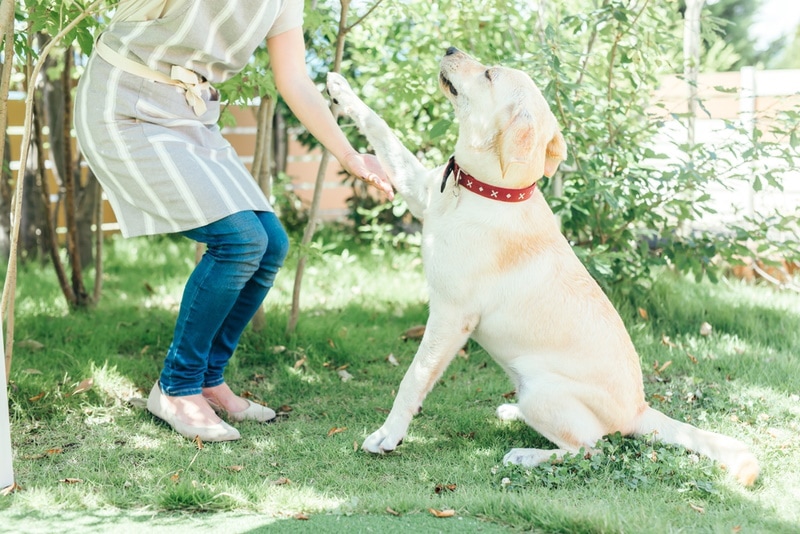
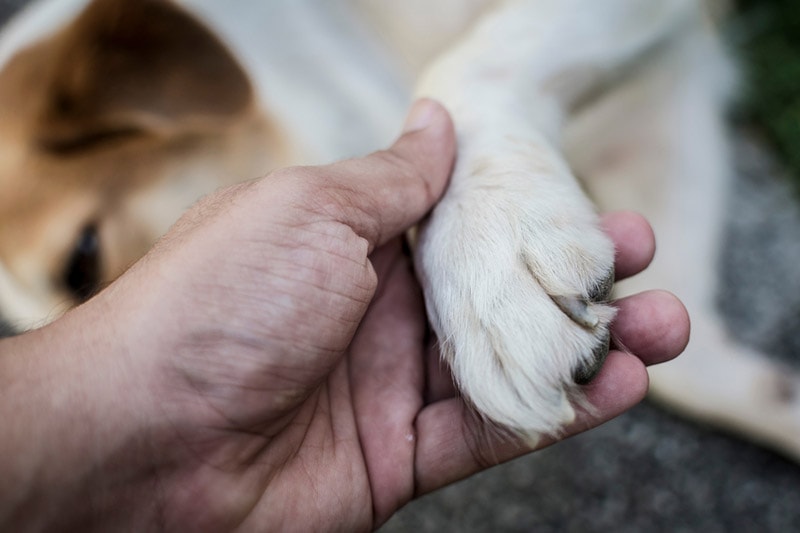
Dogs display several behaviors that can range from adorable to annoying. One of the gestures is putting a paw on their owners or pawing repeatedly at them. If your dog frequently lays their paws on you, you might wonder what’s going on. Here are five reasons why your dog might put his paw on you.

The 5 Reasons Why Your Dog Puts His Paw on You
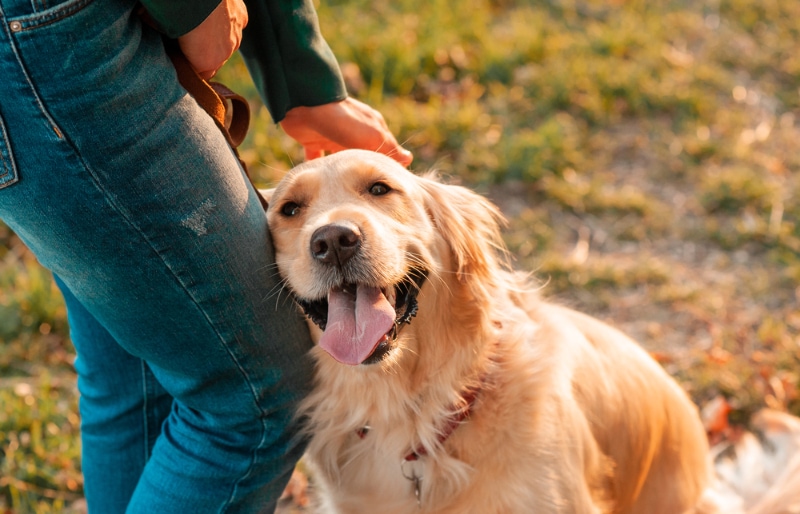
1. They Want Attention
While it may seem cute, dogs often put their paws on their owners to demand attention. For example, does your dog frequently start pawing at your arm while you’re scrolling through your phone or place a paw on your leg while you’re talking to someone else?
Your pup might be using the pawing behavior to turn your attention towards them instead. Dog owners often reinforce this behavior by engaging or reacting to their pet’s pawing. Even if your response is to say “No!” and move away, it might give your dog the interaction with you they were looking for.
2. They Need Something
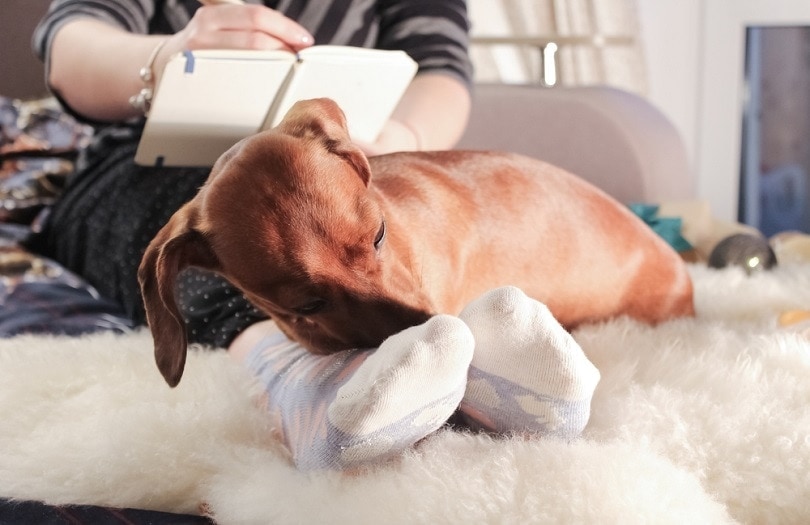
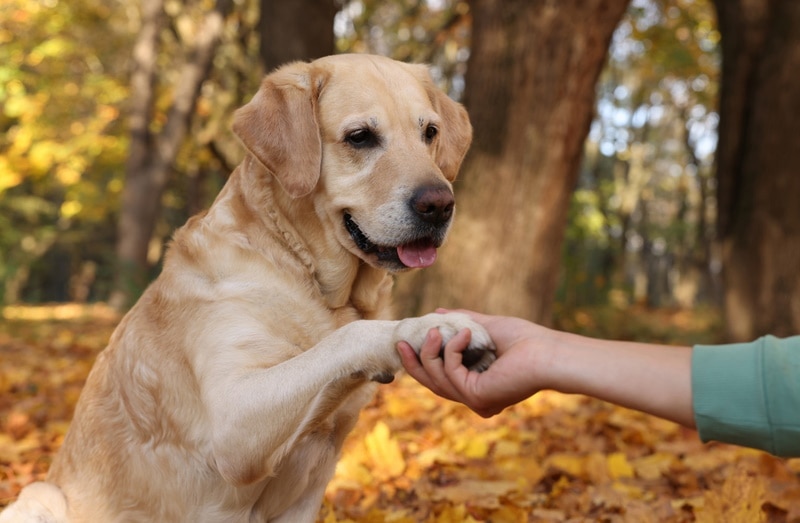
Your dog may also put a paw on you because they need something specific, not just your attention. Is it getting close to dinner time? Your impatient, hungry dog might start pawing at you to get their bowl filled faster.
Maybe your pup needs to head outside for a walk, but you haven’t reached for the leash yet. While this is a simple explanation for why your dog is putting a paw on you, it’s also a tricky habit to break. It’s easier to fulfill your dog’s demand rather than train them to ask for what they need.
3. They Are Feeling Insecure
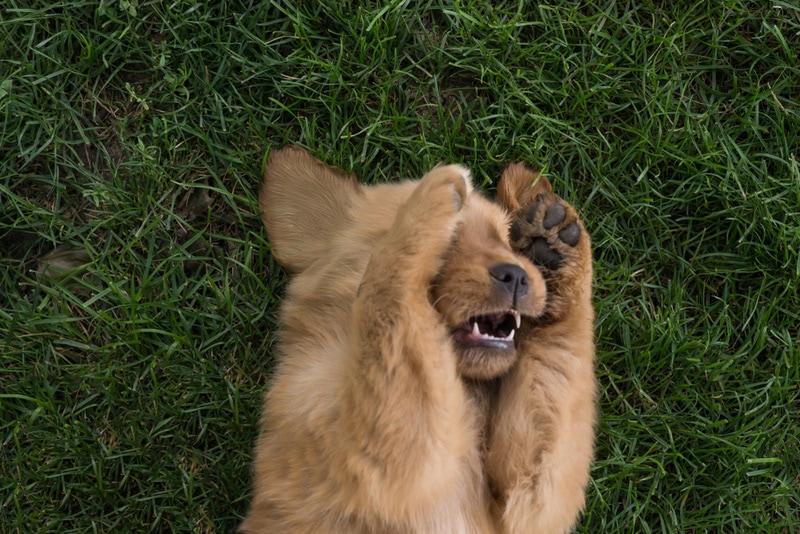
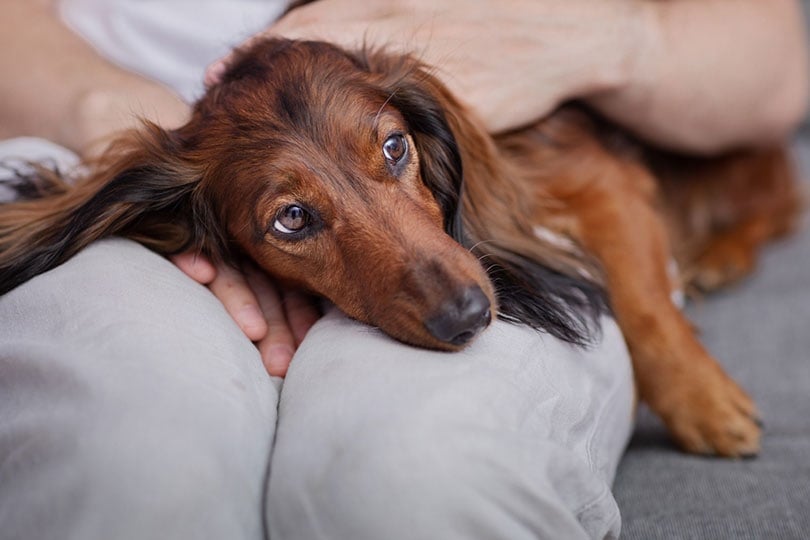
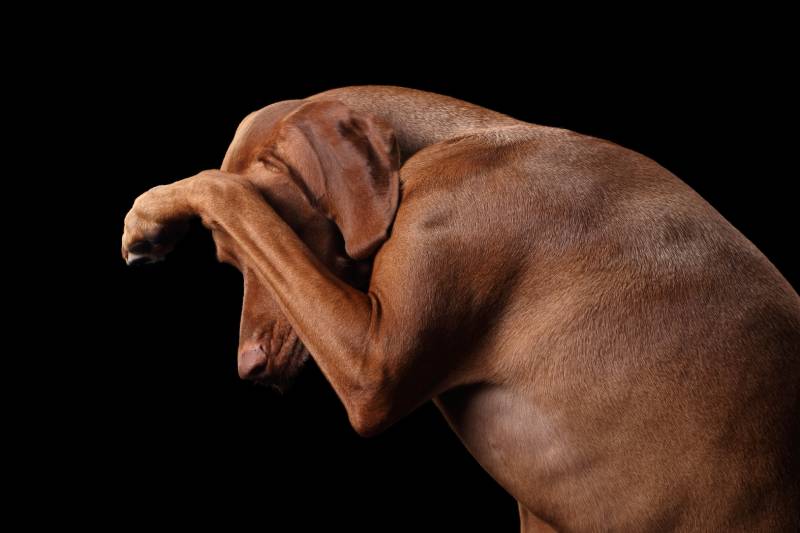
Stressed, uncomfortable, or frightened dogs can start pawing to communicate their negative emotions. If your dog holds a paw off the ground without touching anything, it’s typically a sign of stress. Dogs can also paw or push at you or other people to demonstrate a need for space or as an attempt to avoid interaction. This gesture should never be ignored because it’s their way to communicate that they’re feeling uncomfortable.
Nervous dogs can paw at you if they encounter a new person, animal, or situation. Try removing your dog from the situation to help them relax or redirect their attention with treats and toys.
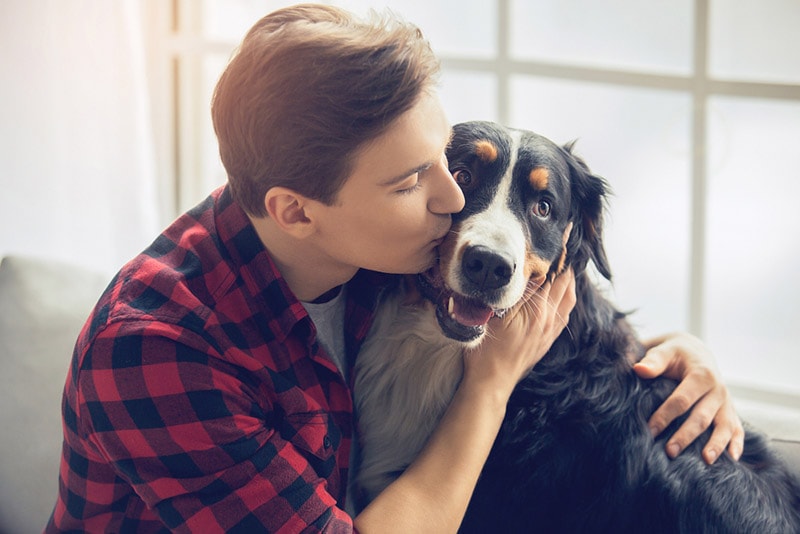
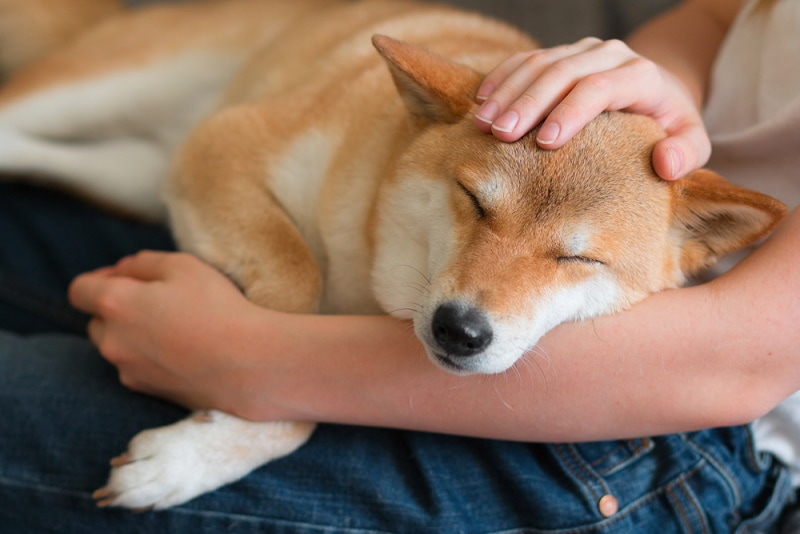
4. They Are Showing Affection
If you and your dog share a moment together, they may gently place their paw on you as a sign of affection. Dogs can experience the same chemical reactions humans associate with “love,” such as dopamine and serotonin.
When they do, they often display physical signs of love, including pawing the person who is triggering the happy feelings. Affectionate dogs often place a paw on the person who is scratching their chest or rubbing their belly.

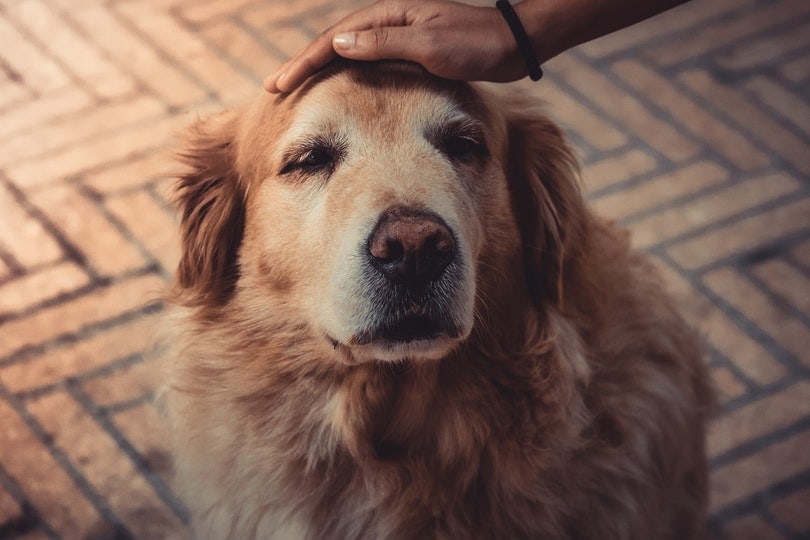
5. They Sense Your Emotions
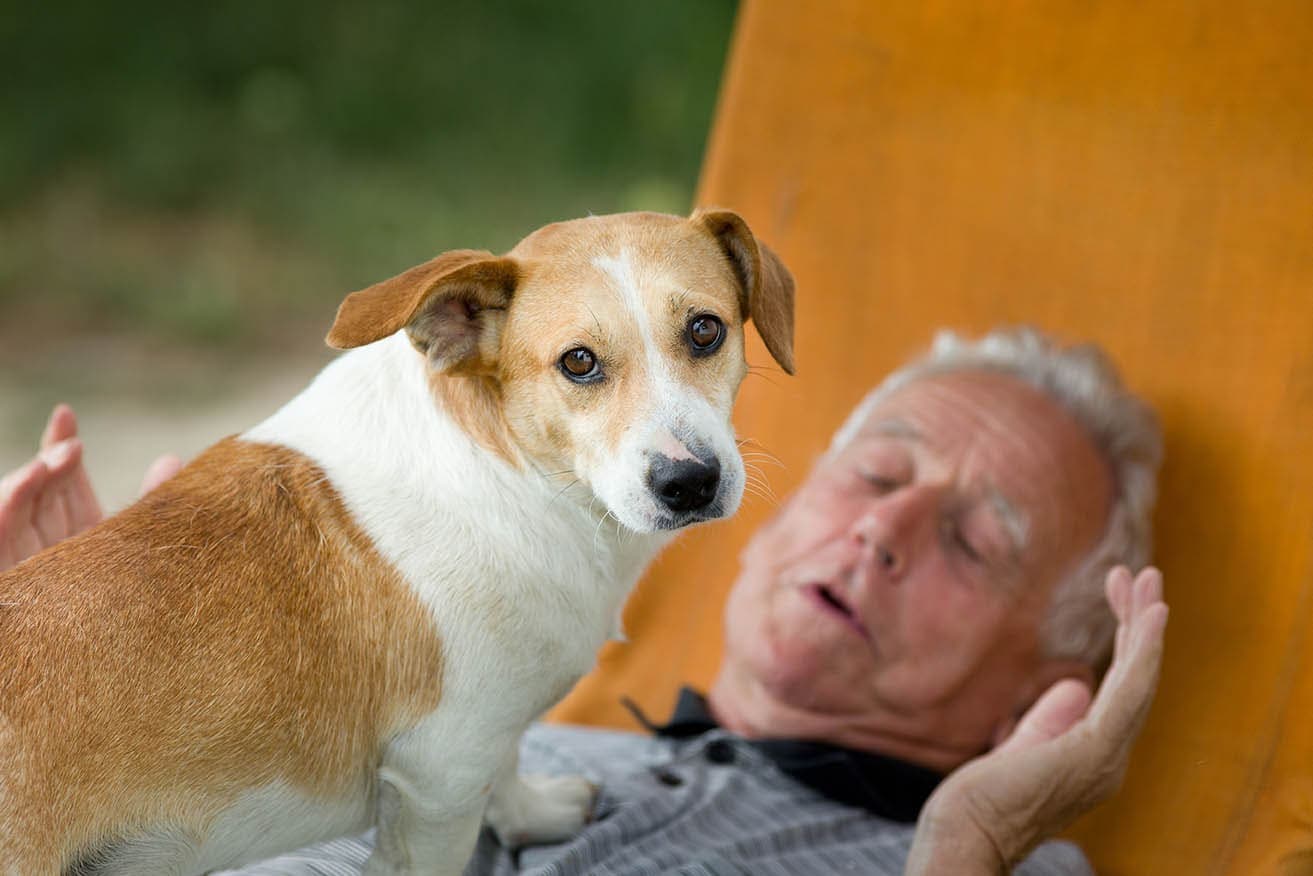
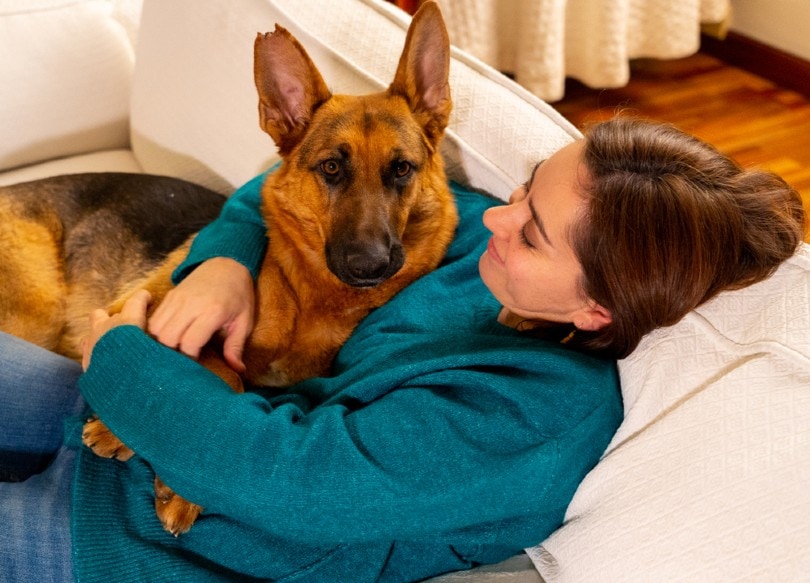
Dogs are excellent at sensing our emotions because of their long history as human companions. If you’re sad, lonely, or anxious, your dog may paw you to provide comfort or reassurance. It’s your pet’s way of offering you a hug or a shoulder to cry on.
Some breeds are especially in tune with human emotions. It doesn’t always have to be people they know, either. Some dogs are just naturally empathetic, like trained therapy pups.

Should I Let My Dog Put a Paw on Me?
As we learned, dogs can put their paws on us for loving and affectionate reasons or demanding and needy ones. If your dog demonstrates affection calmly, it’s usually okay to let them gently put a paw on you.
However, if your dog is pawing to indicate stress or to demand something, you might not want the behavior to continue. Learn to identify other signs of stress in dogs, such as flattened ears, a tucked tail, or a crouched body position. If these are present, you’ll need to manage your dog’s behavior.
Try to identify what’s stressing them out first. You may need to take your dog away from a new situation and reintroduce them to it slowly, using treats to encourage positive associations. If your dog is stressed by a big life change, such as a new baby or new pet, talk to your vet about strategies to help them cope.
If your dog is pawing at you to ask or demand something, it’s a good idea to train them out of this behavior rather than give in. For example, ignore your dog when they paw at you for attention and ask them to sit or follow another command to receive it instead. Teach your dog to sit at the door or by their food bowl if they want dinner.
Conclusion
If your dog loves to use their paws to communicate, it’s a good idea to keep their nails trimmed to avoid painful scratches. Putting a paw on you is just one of many behaviors or gestures dogs use to communicate. Learning to interpret your dog’s body language will strengthen your bond and help you avoid problematic behaviors in the process.
Sources
Featured Image Credit: IAKIMCHUK IAROSLAV, Shutterstock
Get Hepper In Your Inbox


Pet care tips from our vets and experts, straight to your inbox.
You may opt-out at any time. View our Privacy Policy for more information.
A lifelong lover of all creatures great and small, Elizabeth got her first cat at 5 years old and at 14, she started working for her local veterinarian. After spending more than 20 years working as a veterinary nurse, Elizabeth decided to step away to become a stay-at-home parent to her daughter. Now, she is excited to share her knowledge with our pet parents. Elizabeth lives in Iowa with her family, including her two fur kids, Linnard, a husky mix and Algernon, the worldʻs most patient cat. When not writing, she enjoys reading, watching soccer, and spending time outdoors with her family.
Join the conversation
Ask a question, share your story, or send private feedback.