Hepper is reader-supported. When you buy via links on our site, we may earn an affiliate commission at no cost to you. Learn more.
Why Does My Cat Eat My Hair? 5 Vet-Reviewed Reasons


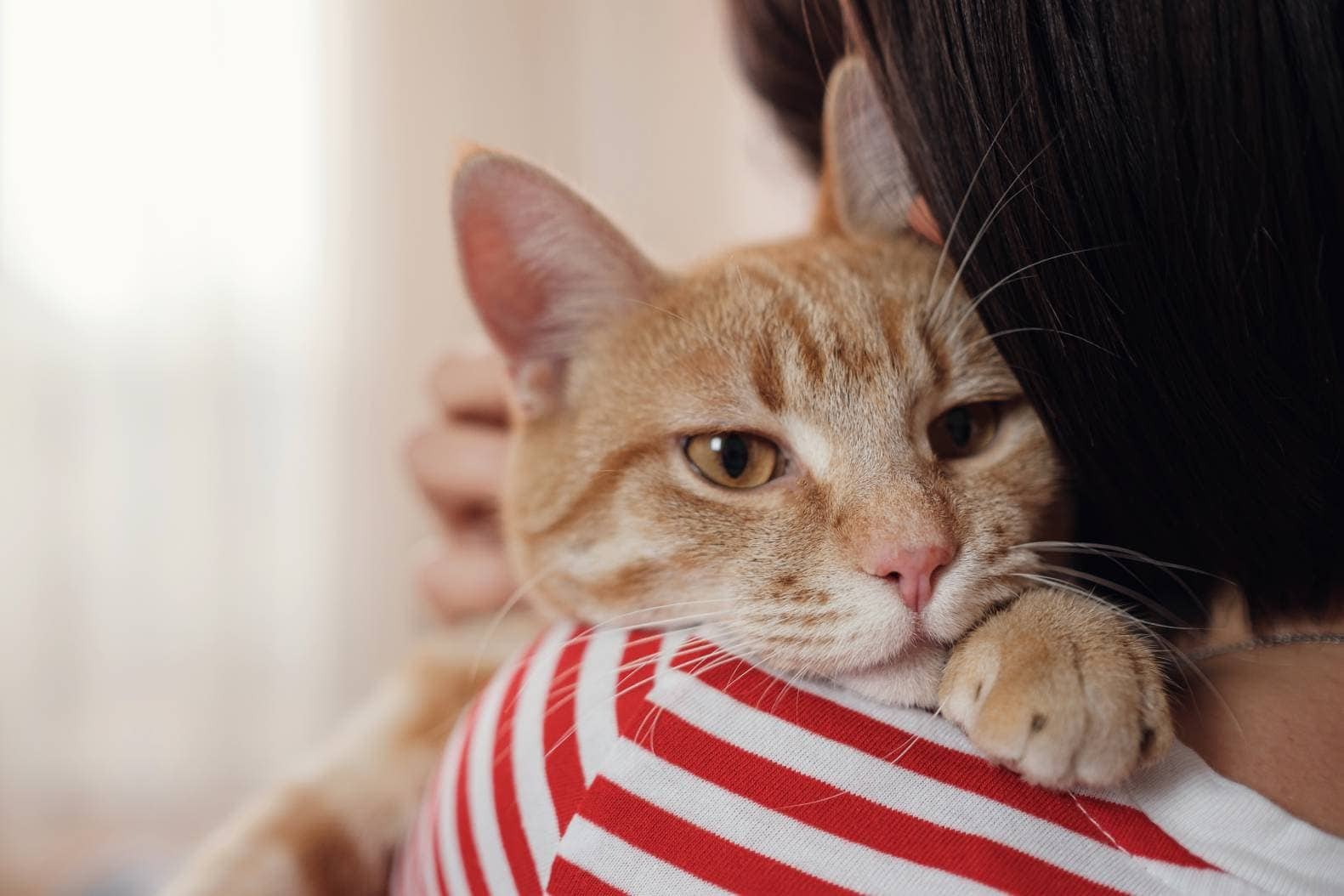
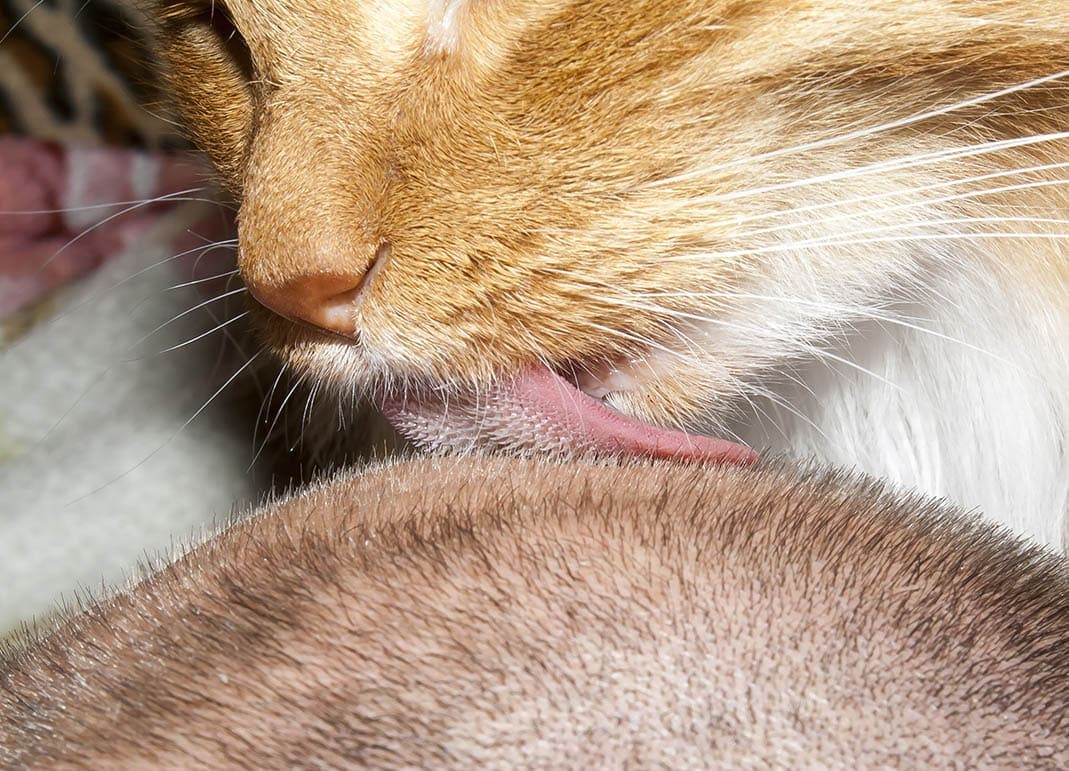
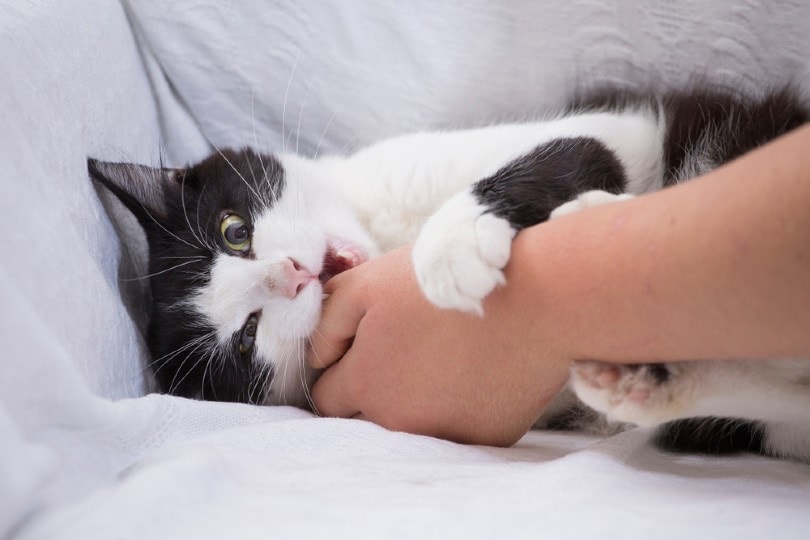
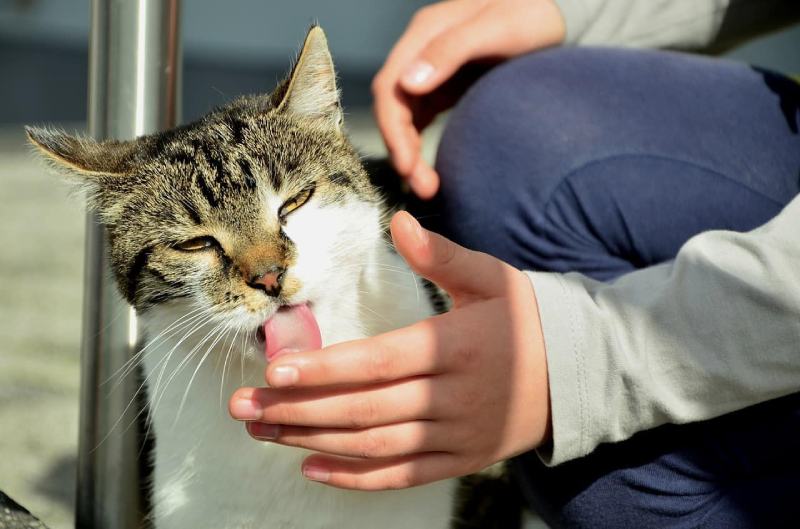
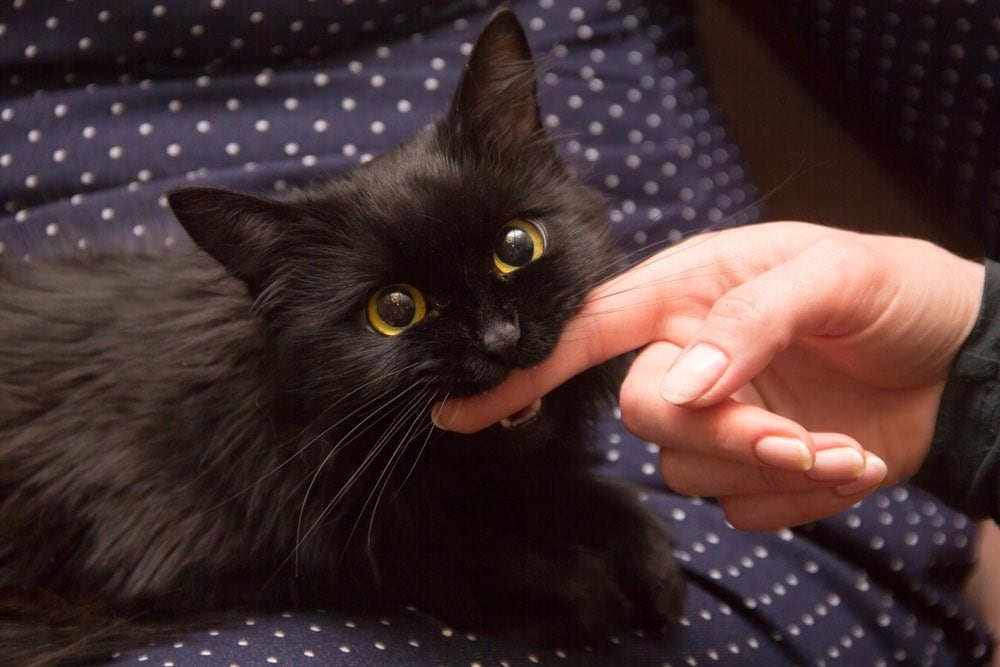
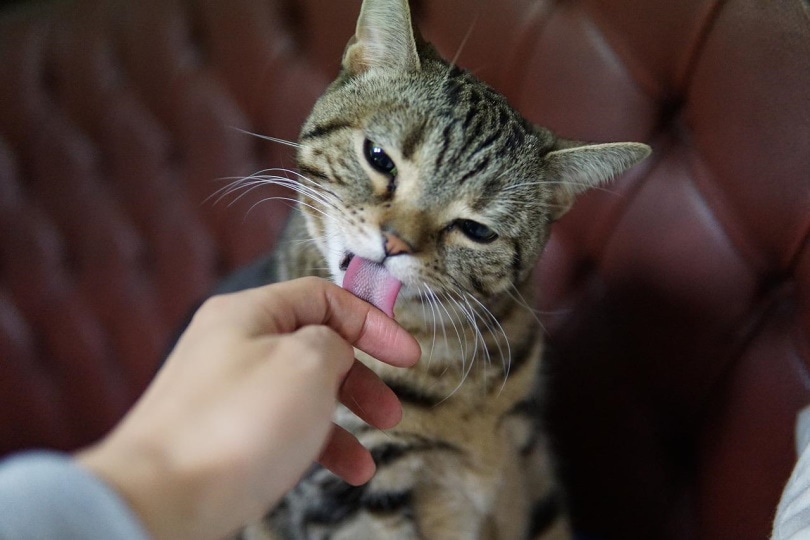
Our feline friends are very peculiar little animals that can exhibit some unusual behaviors from time to time. We must learn to identify certain behaviors in our pets and understand the reasons behind their quirks. If your beloved cat has begun licking, chewing, or eating your hair, you will undoubtedly be left wondering why. We will go over five different reasons why your cat may be doing this.

The 5 Reasons Why Your Cat Is Eating Your Hair
1. They Are Stressed
If your cat suddenly begins biting, chewing, or eating your hair, it could be a sign that your cat is stressed or anxious and is attempting to soothe itself. This is generally the result of a bigger life change that has occurred in your cat’s life, such as a new pet or baby being brought into the home or a recent move.
You will want to keep in mind that cats can be very sensitive to stressors, and it may not be a large change that leads to this behavior but a minor stressor that you may not even pick up on, such as strange sounds or other people visiting the home.
Some cats can be compulsive and typically exhibit compulsive chewing behaviors as an outlet. The signs of compulsive chewing won’t just include your hair, but many other objects around the house. If you feel like your cat is exhibiting signs of chronic stress, it may be a good idea to contact your veterinarian. Stress can stand alone or be a sign of underlying health conditions.
2. They Are Showing You Affection
Cats will sometimes lick, chew, and seem interested in eating your hair as a sign of affection. If this behavior is normal for your cat and only occurs in small to moderate amounts, it's likely just your cat’s way of showing you they care.
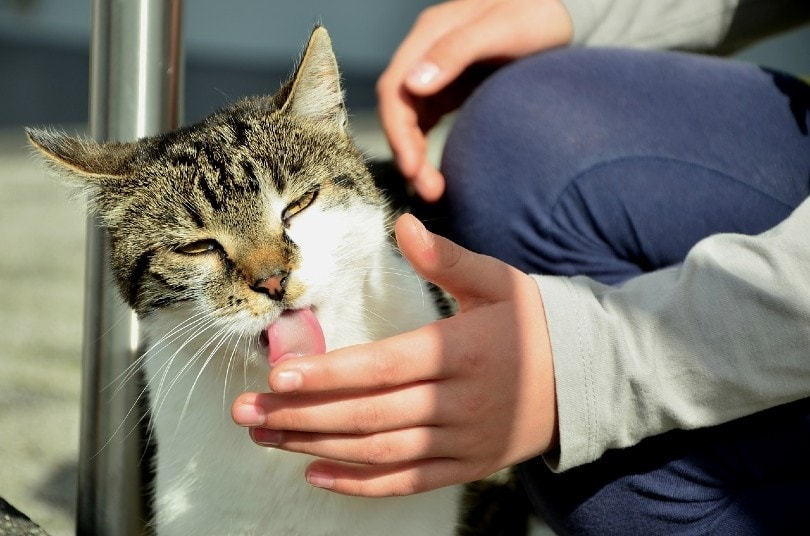
Mutual grooming is a large part of a cat’s social life. You will notice if you have multiple cats that you may catch them licking or grooming one another, and this is just their way of exhibiting that behavior to you.
When they lick, bite, and rub against you, it's a means to spread their scent. This is your cat’s way of marking you as one of theirs. Typically, the closer bonded you are to your cat, the more likely this is to occur. You may realize they do not exhibit this behavior toward others in the household that they are not as closely bonded with.
You can reciprocate the display of affection by setting aside time for petting or brushing.
3. To Soothe Themselves
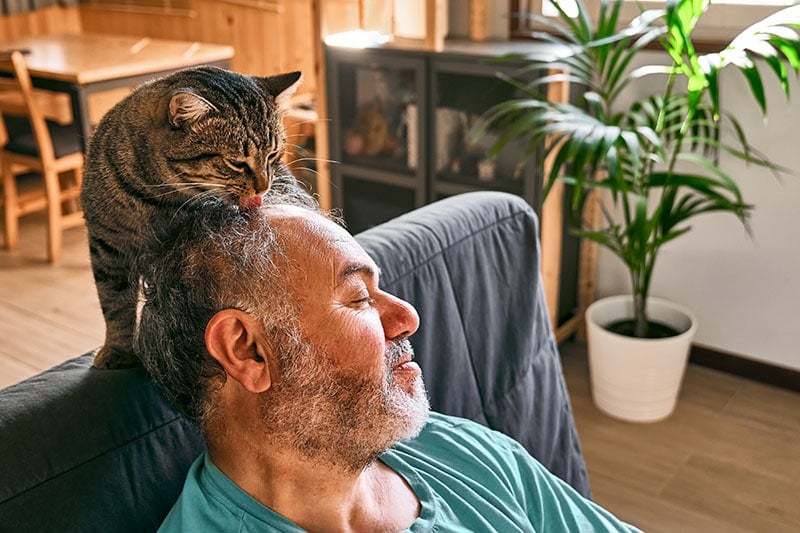
The act of chewing on your hair can be a self-soothing mechanism that makes them feel more secure when they are near you. You can compare this to a baby using a pacifier to calm themselves. If you feel this is a behavior that is a result of stress, you’ll want to keep an eye out for what may be triggering your cat so that you can help ease their anxiousness.
4. They Are Being Playful
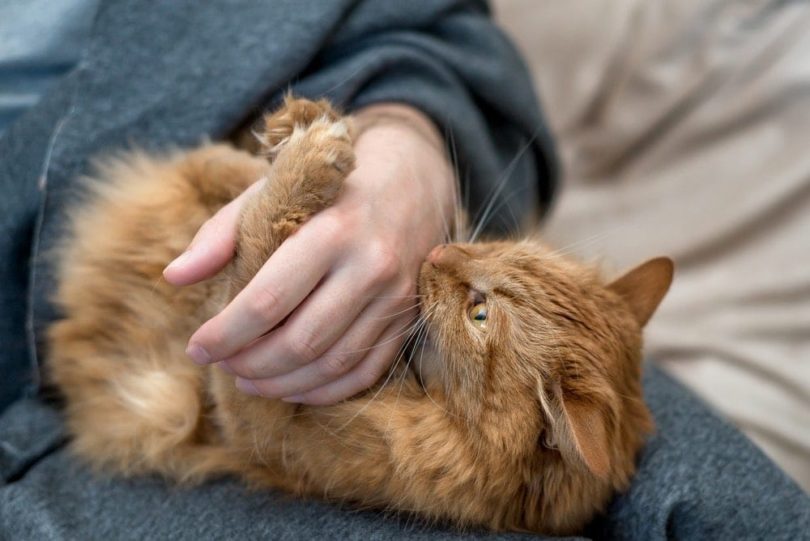
Your cat may begin chewing and eating your hair as a means of play. Cats like to stay mentally stimulated, and hair can certainly keep them entertained. If it is a more playful behavior, they will likely include batting it around with their paws as well.
When your cat is simply being playful, there is usually no cause for concern. You just don’t want them swallowing any of your hair, and if this becomes a frequent go-to for playtime, it may get a bit annoying.
5. To Get Your Attention
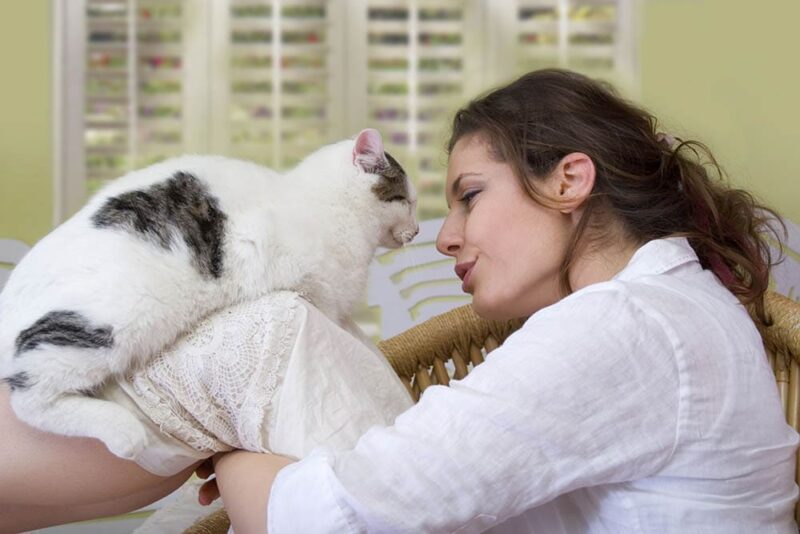
Licking, chewing, biting, eating, or pulling on your hair may just be a desperate cry for attention. Some cats can be aloof and keep to themselves while others will pine for their owner’s attention.
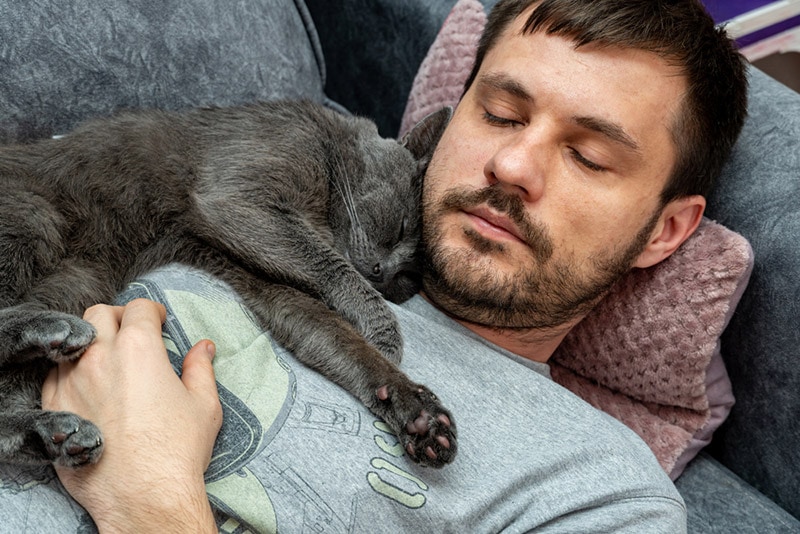
Cats are nocturnal animals and tend to get into their shenanigans at night while you’re asleep. They may become bored and decide they want to include you in their fun. You may notice your cat starts doing this around their feeding time or if they want to wake you up from a good night’s sleep.
If you think about it, it is a well-thought-out tactic. After all, who can ignore a tiny little predator trying to rip the hair from their head? Now they’ve got your attention.

Is It Okay for My Cat to Eat My Hair?
If your cat is chewing and eating your hair as a means of affection, it may be annoying but also a bit heartwarming. You do need to ensure your cat is not attempting to ingest your hair. Under no circumstances is a cat swallowing your hair a good thing.
Even if your cat is simply biting, licking, or chewing your hair, you must be mindful that we humans tend to use a lot of chemical products in our hair that will not be good for your cat. It can also cause an intestinal obstruction, which can be fatal.
As we have discussed, hair chewing might not always be a social behavior. If your cat is excessively gnawing at your hair and eating other non-food objects, it may be a sign of a condition known as pica. If you notice these behaviors, it is best to contact your veterinarian for the sake of your cat’s health and well-being.
How to Stop My Cat From Eating My Hair

Conclusion
Your cat could be eating your hair for several reasons, from socializing and affection to stress and other health-related conditions. Regardless, it's not the healthiest behavior they can exhibit, and there are ways to deter and eventually correct the behavior so that your head of hair can live in peace with your pet.
Related Reads:
Why Does My Cat Lick My Hands And Fingers? (8 Possible Reasons For This Behavior)
My Cat Is Pulling Hair Out Along Their Spine: Vet Reviewed Reasons
Featured Image Credit: Yuriy Seleznev, Shutterstock
Get Hepper In Your Inbox


Pet care tips from our vets and experts, straight to your inbox.
You may opt-out at any time. View our Privacy Policy for more information.
Nicole is a lover of animals of all sizes but is especially fascinated with the feline variety. She’s the proud mom of Baby, a Burmese, and works every day so he can relax in the sunshine or by the fire. She’s always had a cat in her home and has spent countless days with others, observing behaviors and softening up even the grouchiest of the lot. Nicole wants to share her kitty expertise with you so you and your cat can live happy, healthy, and care-free.
Join the conversation
Ask a question, share your story, or send private feedback.