Hepper is reader-supported. When you buy via links on our site, we may earn an affiliate commission at no cost to you. Learn more.
Why Does My Cat Look Sad? 4 Vet-Reviewed Reasons & Tips


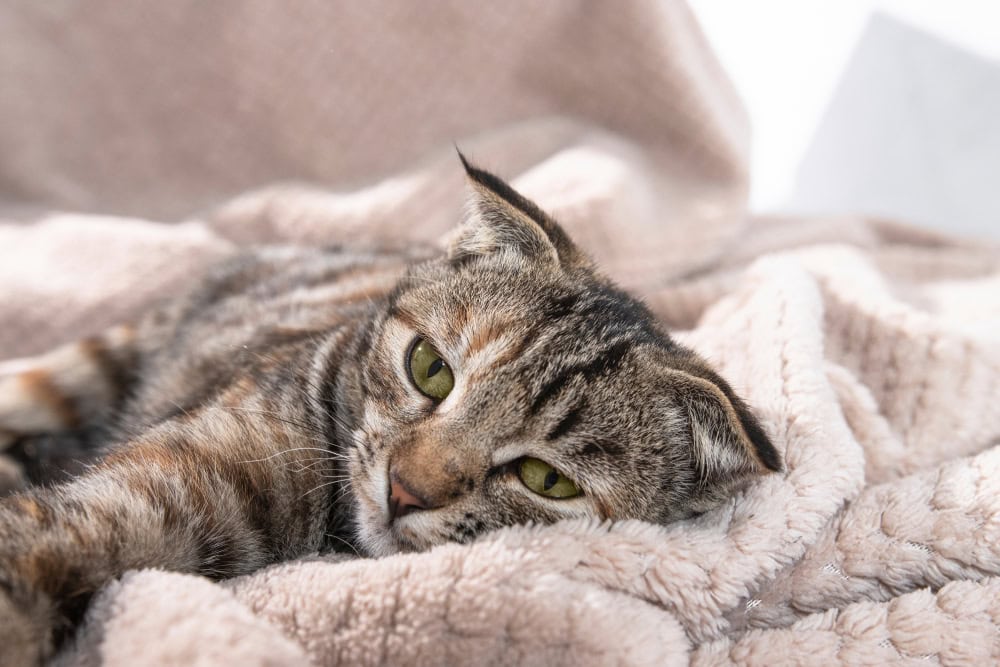
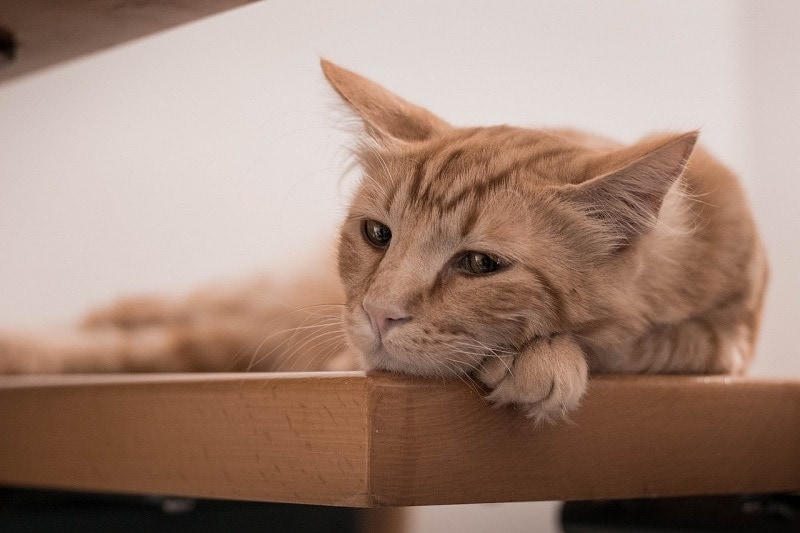
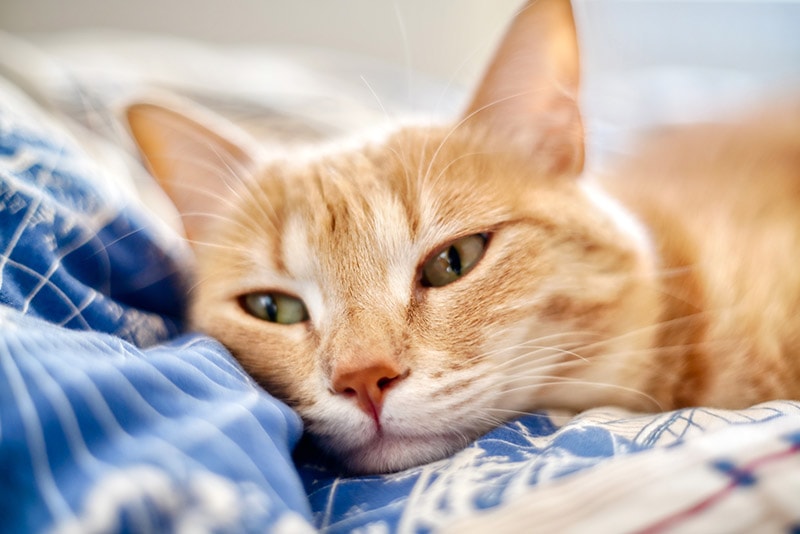
Although we should never assume cats express their feelings the same way that humans do, it’s still assumed by many that our feline friends can experience complex emotions, including sadness. Cats hide their feelings due to their survival instinct, but observant pet parents may still notice a difference. Here are four reasons your cat might look sad, plus tips to help your pet feel happier.

The 4 Common Reasons Your Cat Looks Sad
1. Injury or Illness
If your cat is sick or in pain, this may be the main reason why they look sad and depressed. Because hurt or ill cats in the wild are an easier target, they don’t usually make a big fuss when they don’t feel well.
You might notice your cat is quieter than usual or reluctant to eat and move like they usually do. Sometimes, you’ll notice more obvious signs like limping, vomiting, or diarrhea. If you notice any of these, it’s time for a trip to the vet.
2. Loss of a Loved One
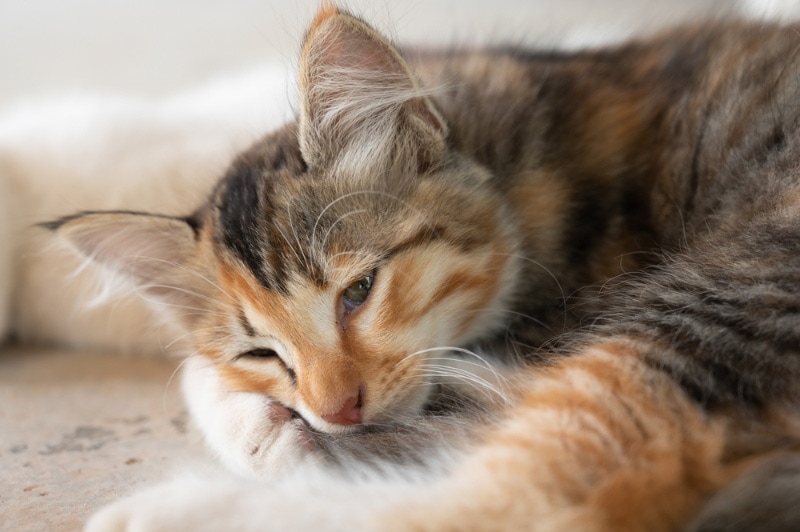
Like humans, cats can become sad if they lose a person or animal with whom they share a close bond. For example, sibling cats may have a tough time if they lose their littermate. Cats can also look sad if they lose a human friend or family member.
Despite their reputation for being independent, cats can form strong emotional bonds with their owners. They can become upset if one of their owners moves out or starts working longer hours.
3. Change in Routine
Cats tend to be creatures of habit, and any change in their routine, whether moving to a new house or their owners changing their working schedule, could make them sad. Some cats don’t tolerate being left alone for long periods and could develop behavioral problems as a result.
Your cat also doesn’t necessarily understand that you’ll come back for them once your vacation is over and experience sadness. Outdoor cats may look sad as they transition to living indoors.
4. Loneliness
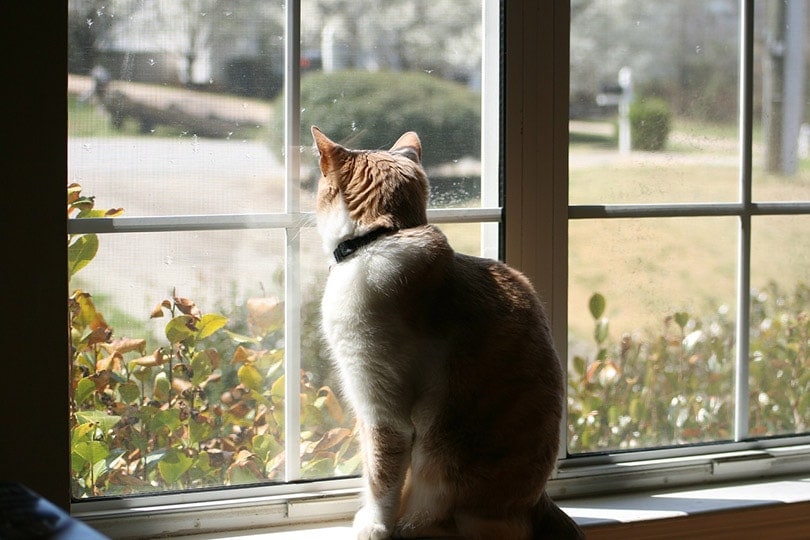
Most cats are more social than the stereotypes would have you believe, and they can look sad if they’re lonely and bored. Cats need plenty of social interaction and attention to stay happy.
Some cats who live alone are especially at risk of getting lonely, especially if their owners are busy and out of the house frequently. You could consider getting another cat to keep them company or hiring a pet sitter to play with them during the day.
How to Cheer Your Cat Up
The first step in cheering your cat up is to determine why they’re looking sad in the first place. Most importantly, you’ll want to rule out sickness or injuries by having your cat checked out by a veterinarian. Once physical signs of sadness and depression are ruled out, you can address your cat’s emotional needs.
Some causes of sadness are temporary and easier to adjust to than others, such as a cat that shows signs of depression while their owner is out of town. Others may take longer, especially if the reason is permanent and won’t be solved with time.
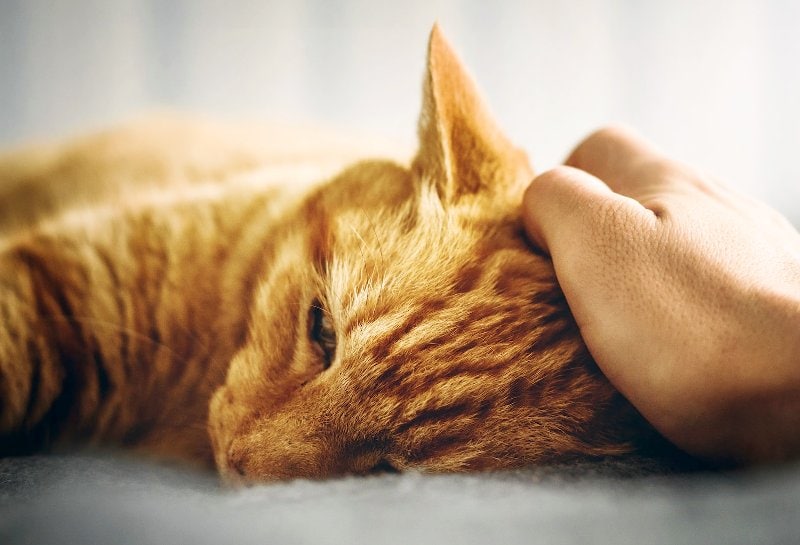
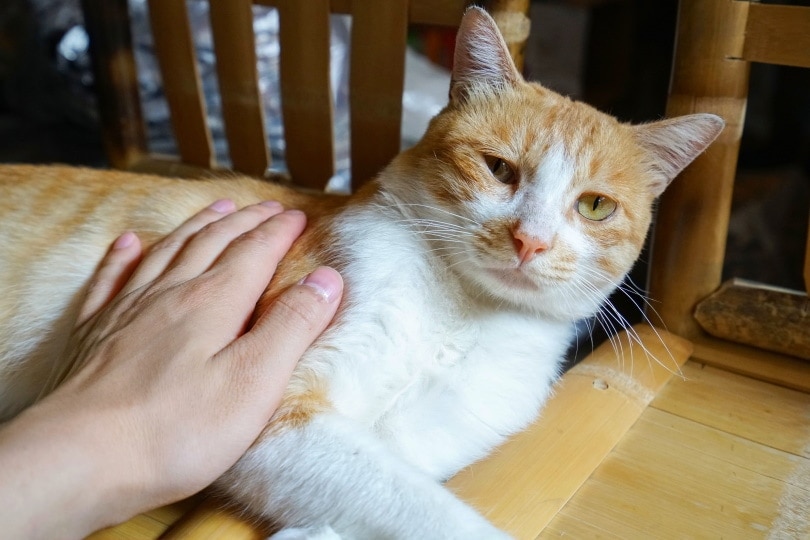
You can help your cat cheer up by giving them more attention, including playtime, petting, and snuggling. Introduce new toys, fresh catnip, or other types of environmental enrichment to boost their mood. For example, a dose of safe outdoor exploration on a leash or in a catio may do the trick.
Some cats may need medication, pheromone products, or even a consultation with a feline behavior expert to deal with their feelings appropriately. Don’t hesitate to ask your vet about these options if you’re struggling to deal with your cat’s sadness.
Final Thoughts
Sadness in cats may not look like what you expect, but that doesn’t mean they don’t experience this powerful emotion. The signs of sadness can also mimic those of other physical and behavioral issues, and your cat must see a vet when you first notice them. You can help your cat return to normal, with the help of your vet, when you determine what made them sad.
Sources
Featured Image Credit: Julia Cherk, Shutterstock
Get Hepper In Your Inbox


Pet care tips from our vets and experts, straight to your inbox.
You may opt-out at any time. View our Privacy Policy for more information.
A lifelong lover of all creatures great and small, Elizabeth got her first cat at 5 years old and at 14, she started working for her local veterinarian. After spending more than 20 years working as a veterinary nurse, Elizabeth decided to step away to become a stay-at-home parent to her daughter. Now, she is excited to share her knowledge with our pet parents. Elizabeth lives in Iowa with her family, including her two fur kids, Linnard, a husky mix and Algernon, the worldʻs most patient cat. When not writing, she enjoys reading, watching soccer, and spending time outdoors with her family.
Join the conversation
Ask a question, share your story, or send private feedback.