Hepper is reader-supported. When you buy via links on our site, we may earn an affiliate commission at no cost to you. Learn more.
Do Cats Get Lonely? Facts & Care Tips
In this article
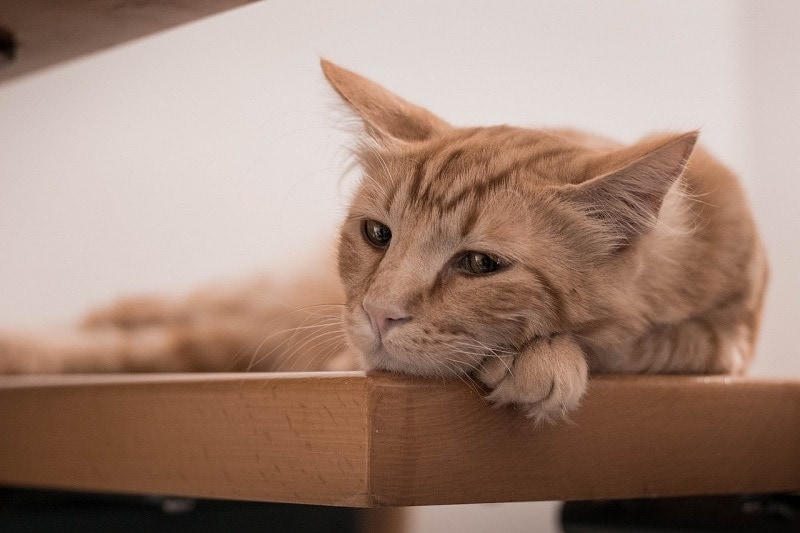
Every pet owner thinks their pets love and need them. While science has proven that dogs do get lonely when their humans are away, the evidence on cat loneliness is a little less definitive. According to PetMD, cats do experience loneliness, in a way.1 For cats, loneliness is not so much about missing you but instead is about the interruption of their normal routine.
Cats thrive on routine. This is why your cat will jump on you when you’re trying to sleep in on Saturday morning during their usual breakfast hour. Or, if you move your furniture around, your cat might meow at you and need to investigate the new placement thoroughly before they settle down. So, while it’s not loneliness as we feel it, cats do negatively experience your absence when it disrupts their routine.

Cats and Humans
Cats and humans have coexisted for over 5,000 years. The earliest records of humans keeping cats come from farmers in China, where felines were used for rodent control. It is believed that wildcats may have learned to domesticate themselves to remain close to humans because that was where the most prey could be easily found.
Since then, cats have been used for pest control around the world. They did not become the beloved house pets that they are today until the late 1800s. Since the end of the 19th century, cats have become one of the most popular pets kept in human homes. They provide companionship, entertainment, and affection. However, scientists question whether or not that love is one-sided or if our cats feel affection for us in return for the care we bestow upon them.
Either way, humans and cats have depended on one another for centuries. This shows no sign of changing anytime soon as cat ownership continues to grow.
What Do Cats Need?
While it is debatable whether or not you are necessary to your cat’s happiness, there are things a cat definitely needs to be happy and healthy. According to Dr. Liz Bales, VMD, there are five critical needs you should provide for your cat. These include:
1. Climbing Places
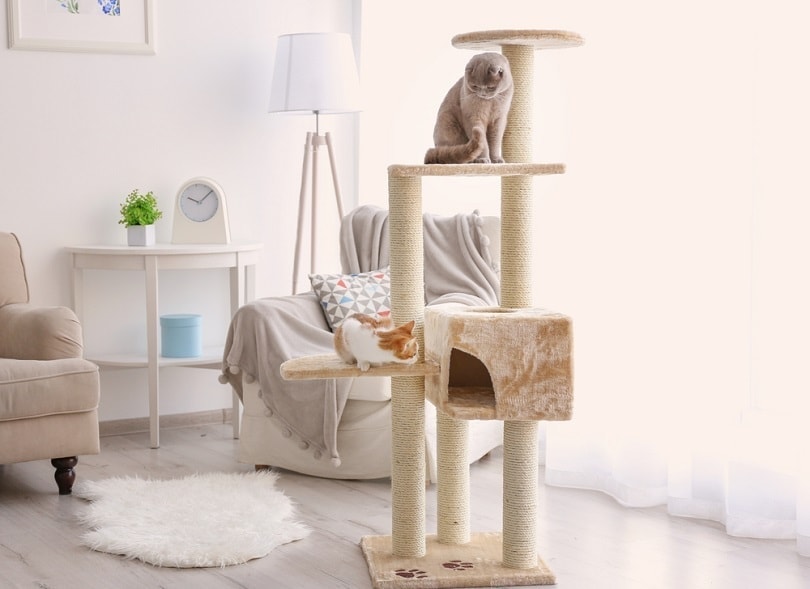
Cats love to climb and survey the area. Cat trees, cat shelves, or other perches where your cat can see what is going on from above are a must. This helps them to feel safe and secure in their surroundings.
2. Hiding Places
Like climbing places, hiding places help your cat feel safe. They need a place to retreat when it gets too loud or busy around them. Cats also like to sleep in dark, quiet places like cat caves, boxes, under furniture, or in a cat bed.
3. Hunting Activities
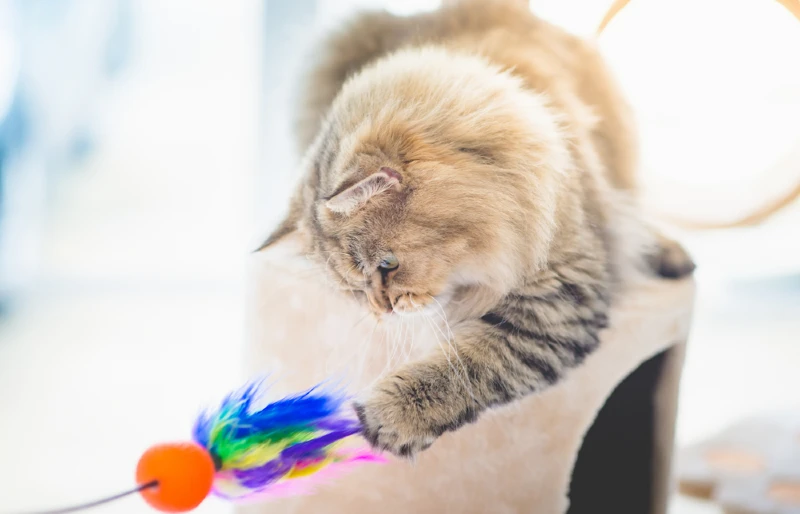
Studies show that cats spend a majority of their time awake hunting. Therefore, they need plenty of mental stimulation to keep themselves active and healthy when they live in a house. Balls, springs, cardboard tubes, crumpled paper, feather toys, soft mice, and other cat toys make great choices for cat activity boosters. Without opportunities to work on their hunting skills, cats can become anxious and stressed, so don’t skimp on playtime.
4. Litter Box or Boxes
You should have one litter box per cat plus one extra in your house to ensure that your cat doesn’t have problems using the litter box. So, if you have two cats, you need at least three litter boxes. Scooping the litter box daily and changing the litter at least every 2 weeks are both musts to prevent illness or infections in both you and your cat.
5. Scratching Places
Like hunting, scratching is an instinctive need for cats. It helps to keep their nails healthy and to clean their feet. It is also a way for your cat to vent frustration or keep themself busy. You should have several types of scratchers around the house for your cat. Placing the scratchers near your furniture will also help keep your cats from scratching the furniture.

- Premium Materials - Hepper's cardboard scratcher is made with dense, B-flute cardboard, and a metal core. Encased in a 1/2" plywood frame with gloss coating. Stable and beautiful, use after use
- High, Low and Lower - A single cat scratch pad won't keep your cat engaged. 3 unique positions keeps them coming back, and back, and back again. Finally, something to get them away from the couch!
- Activates Muscles - The Hi Lo isn't just a cat nail file to stop the chief cat couch scratcher. The deep cat scratcher wave encourages maximum musculoskeletal activation for a healthier workout
A cat scratcher can provide hours of fun daily for any cat, especially our Hepper Hi-Lo Cat Scratcher. It's a cardboard scratcher built to last and amuse (all while looking stylish in any room). It can be adjusted to three different positions – high, low, and lower – and is guaranteed to keep your feline companion engaged and entertained, away from getting into
mischief or scratching things they shouldn't. You can click here to learn more about this piece of modern cat furniture and kitty play haven.
Cats and Companionship
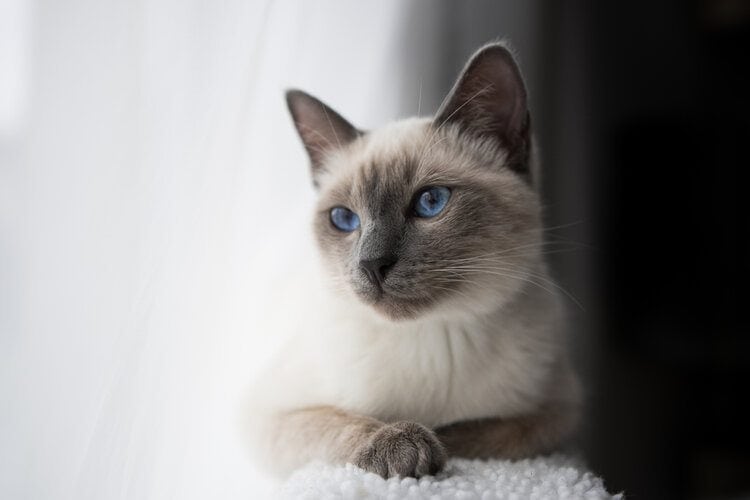
While some cats get stressed out by feline companionship, others seem happier and healthier when they are around other cats. Early socialization is likely a key factor in how your cat will feel about other cat pals. Some breeds are also known to be more friendly and likely to enjoy fellow felines. Maine Coons, Persians, Bengals, Ragdolls, and Siamese are all breeds that tend to do well with other cats.
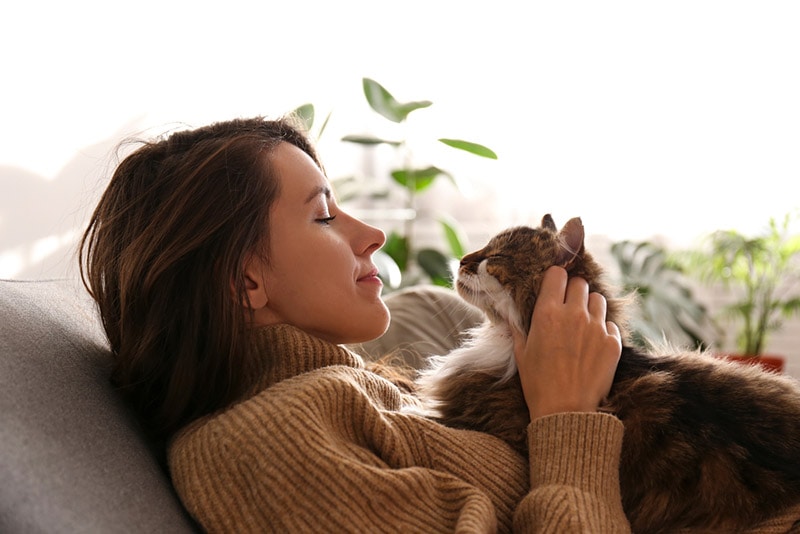
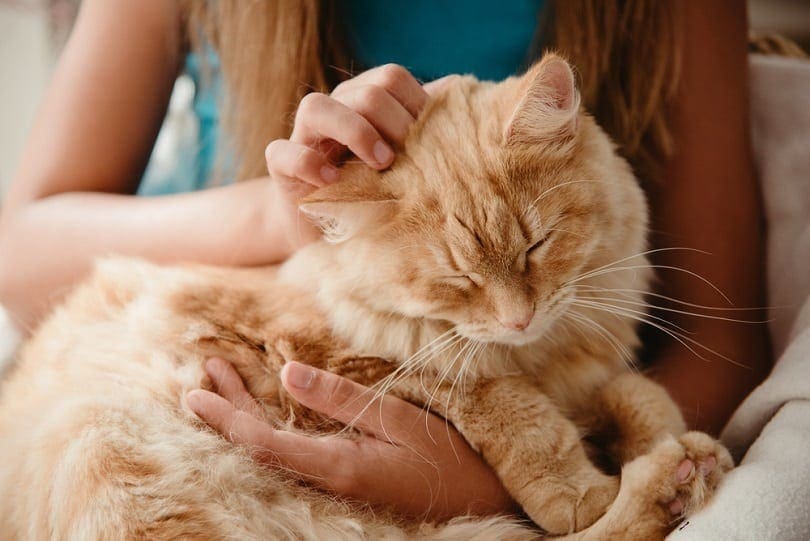
The same is true of human companionship. Early exposure to human handling and affection is important if your cat is going to grow up comfortable with human interaction. It is also important that you respect your cat’s space and needs for perching, hiding, scratching, hunting, and cleanliness. Your respect for these basic needs will ensure your cat is relaxed and stress-free in your home.
In Conclusion
While your cat may not experience loneliness in the same way you perceive it, they do feel stress and anxiety when their routine is disrupted. While it may not be possible for you to be home with your cat all the time, you can ease their feelings of discomfort by providing them with interactive toys, plenty of food and water, and comfortable surroundings when you are away. You may even be rewarded with extra purrs and head butts when you get home!
See Also:
Featured Image Credit: Lucie K, Shutterstock
Get Hepper In Your Inbox


Pet care tips from our vets and experts, straight to your inbox.
You may opt-out at any time. View our Privacy Policy for more information.

Nicole is a lover of animals of all sizes but is especially fascinated with the feline variety. She’s the proud mom of Baby, a Burmese, and works every day so he can relax in the sunshine or by the fire. She’s always had a cat in her home and has spent countless days with others, observing behaviors and softening up even the grouchiest of the lot. Nicole wants to share her kitty expertise with you so you and your cat can live happy, healthy, and care-free.
Join the conversation
Ask a question, share your story, or send private feedback.