Hepper is reader-supported. When you buy via links on our site, we may earn an affiliate commission at no cost to you. Learn more.
Why Don't Cats Like Car Rides? 7 Likely Reasons


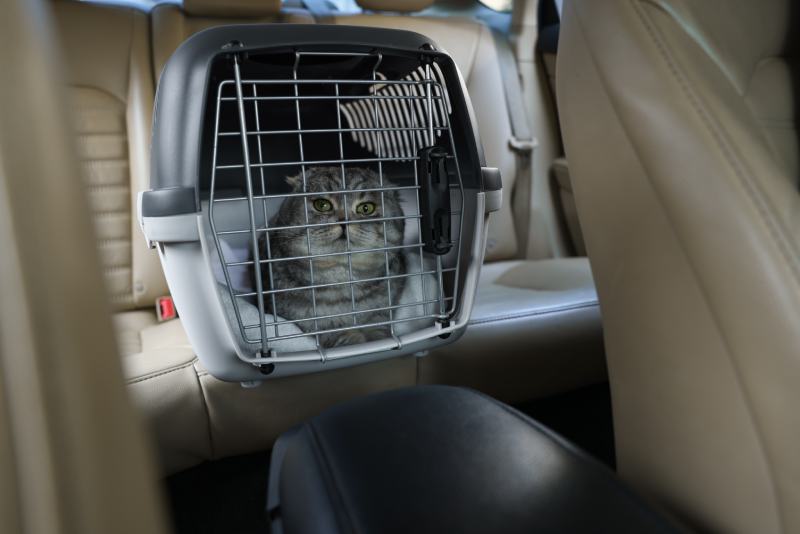
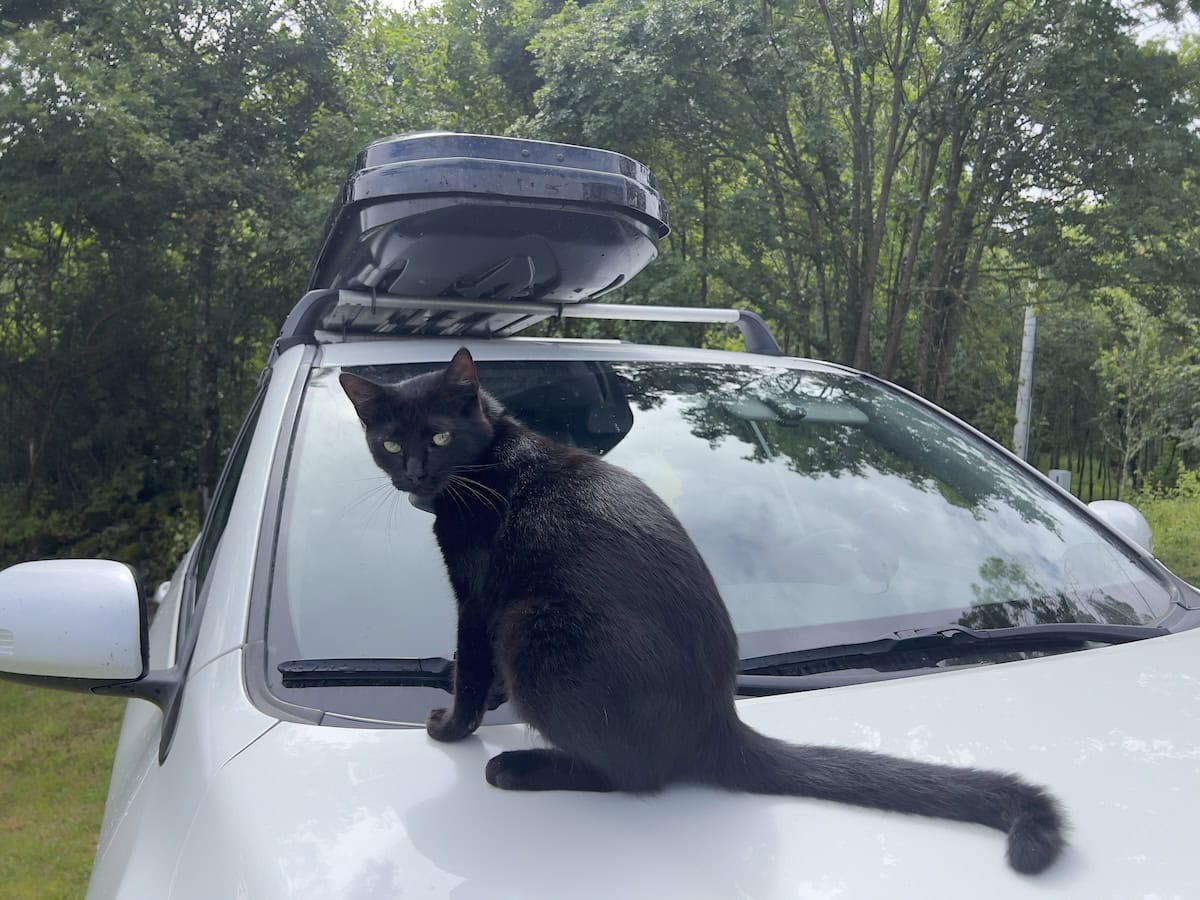
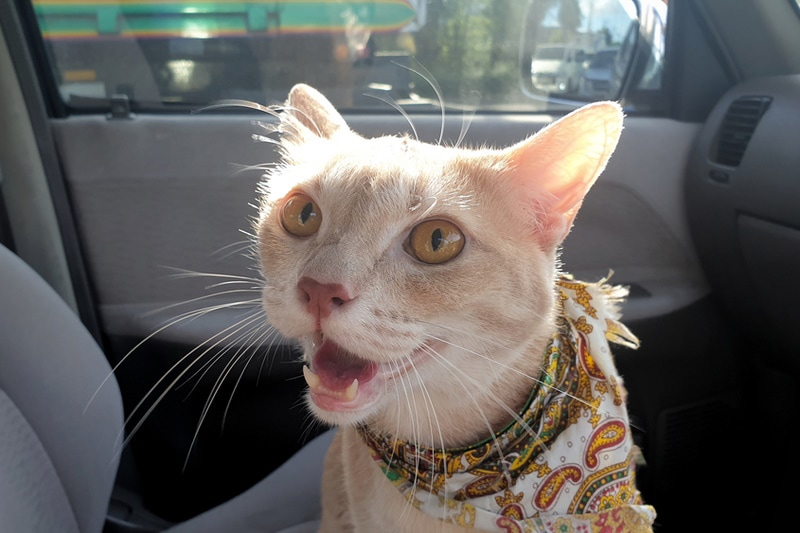
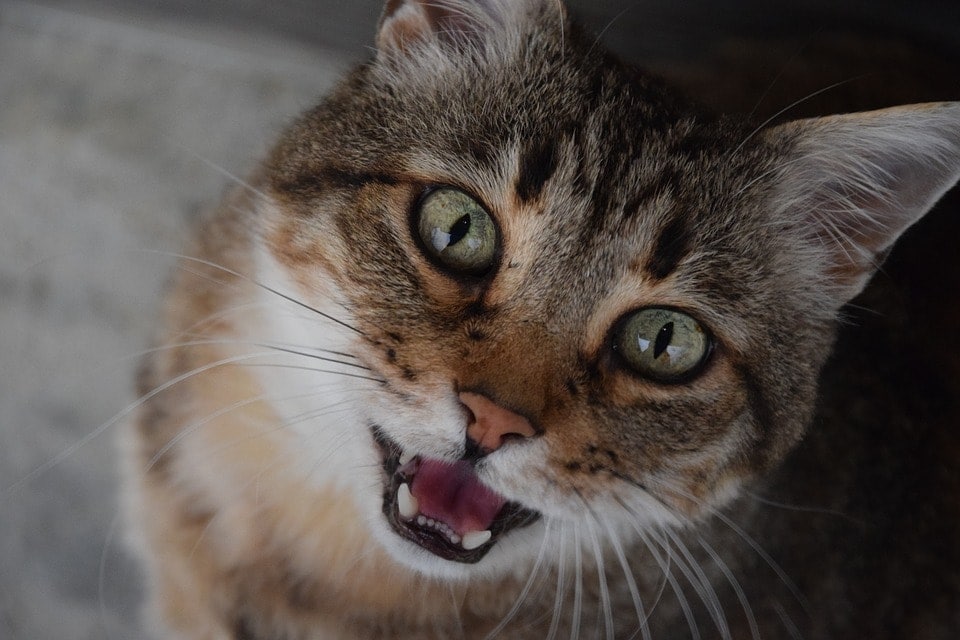
Whether you are moving across the country, or you just need to nip around the corner to the vet, putting your cat in the car can be a seriously challenging test. Guttural growls, manic meowing, and an array of unearthly feline noises accompany the journey—not to mention the days of feline moods that follow.
For many owners, cats and car rides just don’t go together, so why do they hate being in a car so much? Indoor cats might get stressed about leaving the house or enduring a change in their carefully crafted routine of cat naps and feeding time. Motion sickness is another possible cause, and even if your cat doesn’t get sick, they may dislike the movement, the vibrations, and the noises of the car itself.
Below are 7 likely reasons that your cat may dislike getting in the car.

The 7 Reasons Why Cats Don't Like Car Rides
1. The Routine
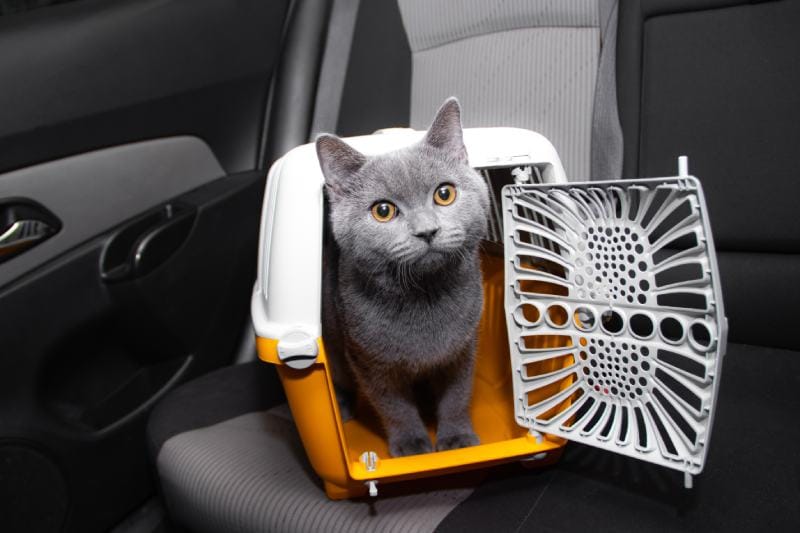
It isn’t just car journeys that can turn otherwise placid felines into savage beasts. A lot of cats have a particular disdain for being bundled into a cat carrier. For a lot of cats, the only time they get in a car is to visit the vet, which is another stressful experience. If your cat hates the carrier and isn’t used to car journeys, you’re committing a litany of “sins” against your feline friend. And they will let you know in no uncertain terms.
2. A Change in Surroundings
This is usually more of a problem for indoor cats but can be a problem for outdoor cats, too. Cats become accustomed to their surroundings. They have their favorite spots to sleep, places they like to eat, and territories that they like to patrol. Generally, the car is not part of this territory, and your cat may not appreciate being dragged away from their usual surroundings.
3. An Unusual Experience
Cars and car journeys are not natural for cats. They don’t exist in the wild, and while a curious cat might occasionally climb into a car and endure a relatively short drive unless you get your cat desensitized to being in that situation, an occasional car drive will prove difficult every time.
4. Motion Sickness
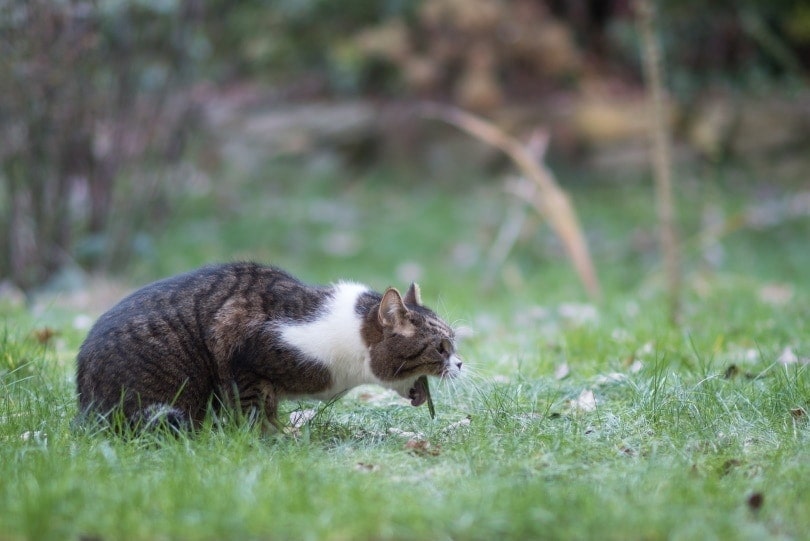
Just like people, cats can suffer motion sickness. Essentially, motion sickness is caused when the eyes see movement that is different from what the inner ear is experiencing. Although some techniques can be used to help reduce the symptoms of motion sickness, like giving calming tablets or using a calming pheromone, there isn’t much you can do to cure or prevent the motion sickness itself. Consult your veterinarian for medication if you feel your cat's motion sickness is too severe for safe trips.

5. Unusual Vibrations, Noises, and Smells
Cats are creatures of habit and they become accustomed to the sights, sounds, and smells that they are surrounded by every day. These sights, sounds, and smells are not likely to be the same in a car as they are in your cat’s environment.
The engine and motion of the car cause vibrations that can be uncomfortable. The engine, and the friction caused by the car moving on a hard surface, cause noises, which are exacerbated by the noise of wind beating on the windows and the noise of other traffic on the road. And while you might be used to the smell of the inside of your car, your cat’s sensitive nose is likely picking up aromas of gasoline, scents of tarmac, and the pungent stench of the air freshener hanging off the mirror.
Your cat might hate being in the car because their senses are being overwhelmed and shocked by the environment inside and surrounding the car.
6. Long Memories
Cats can have very long memories, and some owners swear they bear a grudge. If the only time you take your cat in the car is to visit the vet, they will associate getting in the car with the unpleasant experience at the end of the journey. Similarly, we often put our cats in the car to take them to the cattery, which is another experience that they potentially dislike.
7. It Could Be You
If your cat starts to cry and yowl while in the car, and you react negatively, you could be making things worse. Also, if you’re nervous and apprehensive, your sensitive cat is likely picking up on these negative emotions and getting nervous and anxious.

The 6 Tips to Make Car Journeys Easier
If you only ever plan to take your cats on short car journeys to the vet, you may be able to put up with the noise and the retching coming from the cat carrier. But there are steps you can take to improve the situation for your cat and you.
1. Get Them Used to the Carrier
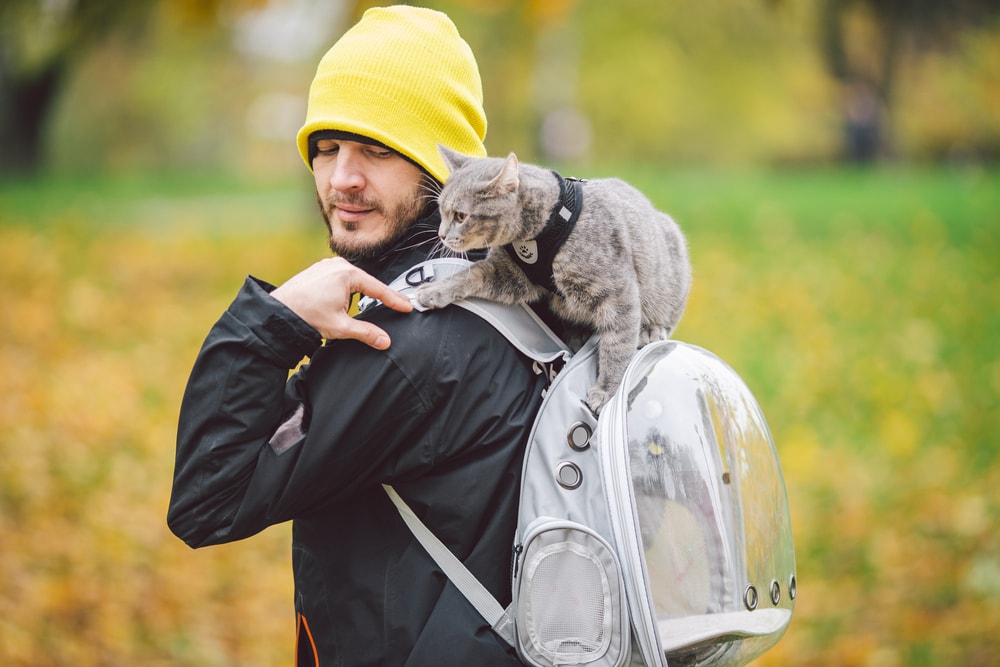
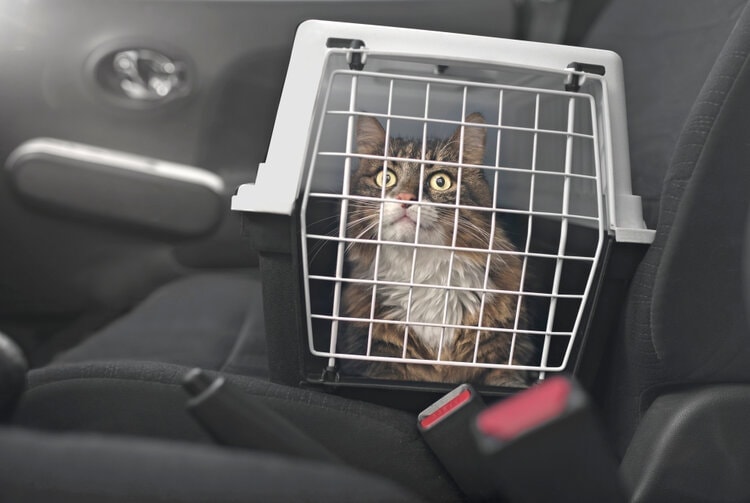
It may not be the car journey itself that is stressing your cat out. It could be the carrier. Cat carriers are functional and useful, but they can also be uncomfortable and constricting. Get an appropriately sized cat carrier that is easy to use. Become accustomed to quickly opening and closing the carrier. Ensure it has a blanket inside, and then get your cat used to the carrier.
Leave it out for your cat to smell, and then try putting your cat in the carrier for a few minutes at a time before progressing to longer periods.
2. Desensitization
If you only put your cat in the car once a year, they will likely never get used to the sensations or the experience of being in the car and you will always suffer the same fate. Pop your cat in their carrier and take them from a drive every now and then. Start with a short drive around the block and build up the length of the drive gradually.
3. Bring a Litter Tray
If you’re going on a long journey, you will need to take appropriate provisions. Depending on the length of the journey, this might include water and some food. It should also include a litter tray because if your cat is forced to pee or poop in their carrier, it will make the rest of the journey uncomfortable and unpleasant.
4. Avoid Feeding Your Cat Right Before Leaving
If your cat gets motion sick, avoid feeding your cat before setting off. Time meals so that you can feed your cat when you arrive at your destination, although it is beneficial to leave a short gap after the journey so that your cat’s tummy has a chance to settle down.
5. Familiarity
Take a blanket, a bed, or a couple of your cat’s favorite toys along for the journey. Your cat will recognize the look and the smell of the items, and it will make them feel more at home so that alien objects won’t surround them and smell.
6. Be Calm
When getting your cat ready for the journey, remain calm, even if you’re feeling anxious about things yourself. Cats pick up on human emotions and your cat may mirror the anxiety and panic you’re exhibiting.
Conclusion
Cats and cars are rarely a good combination, and there are many possible reasons that your cat dislikes car journeys. The single biggest cause of anxiety in cats on car journeys is that car journeys are an unnatural experience for our feline friends. Try desensitizing them to the experience, adding some home comforts, and being calm before and during the journey to help make the experience a more positive one for your feline friend. You will both benefit.
Featured Image Credit: New Africa, Shutterstock
Get Hepper In Your Inbox


Pet care tips from our vets and experts, straight to your inbox.
You may opt-out at any time. View our Privacy Policy for more information.
Nicole is a lover of animals of all sizes but is especially fascinated with the feline variety. She’s the proud mom of Baby, a Burmese, and works every day so he can relax in the sunshine or by the fire. She’s always had a cat in her home and has spent countless days with others, observing behaviors and softening up even the grouchiest of the lot. Nicole wants to share her kitty expertise with you so you and your cat can live happy, healthy, and care-free.
Join the conversation
Ask a question, share your story, or send private feedback.