Hepper is reader-supported. When you buy via links on our site, we may earn an affiliate commission at no cost to you. Learn more.
How to Make Moving Houses With a Cat Easy: 11 Vet-Approved Tips for a Seamless Transition


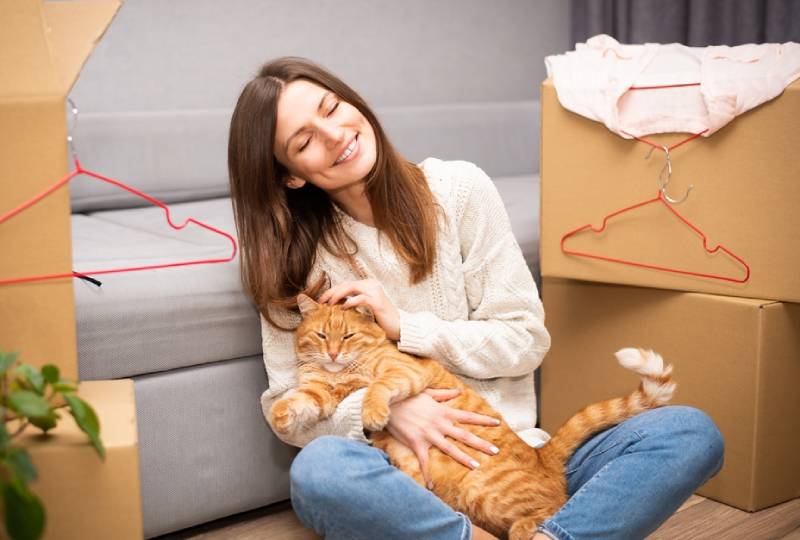
Are you packing up and leaving for a new home? In between boxes, packing tape, and change-of-address forms, you’ll have to deal with the cat (who isn’t as excited to move). But that’s okay. In this post, we’re giving you tips to transition your cat to new territory without piling on the stress.

The 11 Tips for a Seamless Move With Your Cat
Prepping for the Move
Moving begins long before you load up the first truck. You have to gather boxes, wrap fragile items, and donate anything you don’t want to bring into your new place. Moving a cat to a new home is similar. Here’s how to do it:
1. Introduce the Cat Carrier
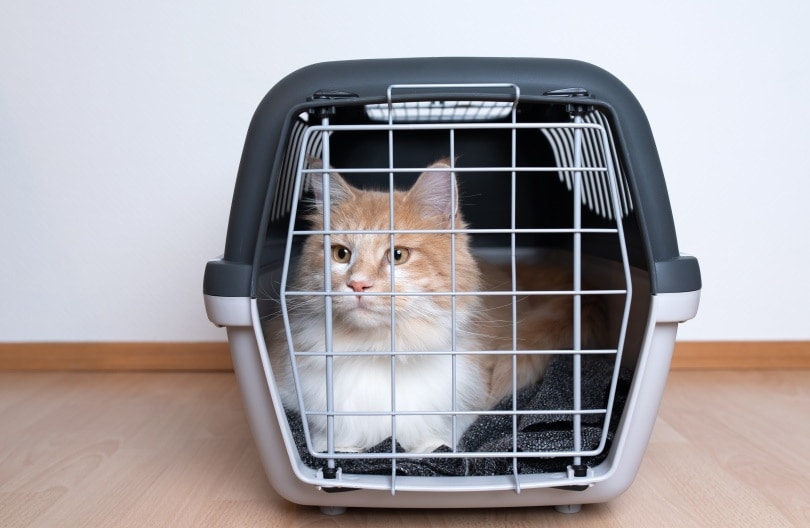
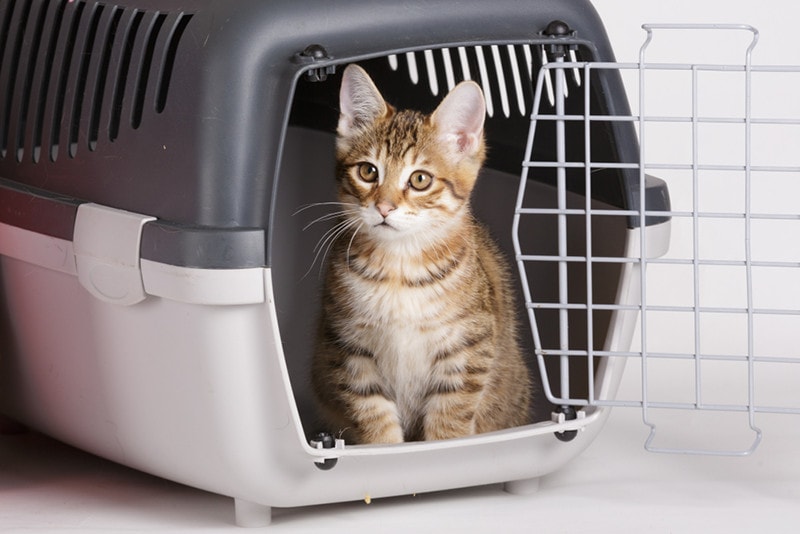
You don’t want to toss your cat into the carrier the day you move and hope for the best. This will only stress your kitty out even more. Plus, your cat will start to despise the cat carrier. Instead, keep the carrier out for your kitty to enjoy at their leisure. The carrier will soon become a place for solitude instead of a stressful transportation device.
2. Update Veterinary, Microchip, and Subscription Information
As soon as you know your new address, update your information with your vet's office and your cat’s microchip company. This step is often overlooked, but it’s just as crucial as updating information with other doctors and insurance companies.
Veterinarians and online pet stores need a current address to send reminders, food subscriptions, and fill prescriptions. Likewise, if something happens to your cat during the move, vets and shelters need an up-to-date address and phone number to help return your kitty to their proper home.
3. Set Up a Safe Space
Imagine having your entire bedroom torn down before your very eyes, and there’s nothing you can do about it. No food and no entertainment to distract you until the job is done—it wouldn’t be very fun, would it?
This is why setting up a safe space for your cat is a good idea. A safe space not only keeps your cat calm during the chaos but also maintains trust between you and your kitty. No matter what happens, your cat can feel safe around you.
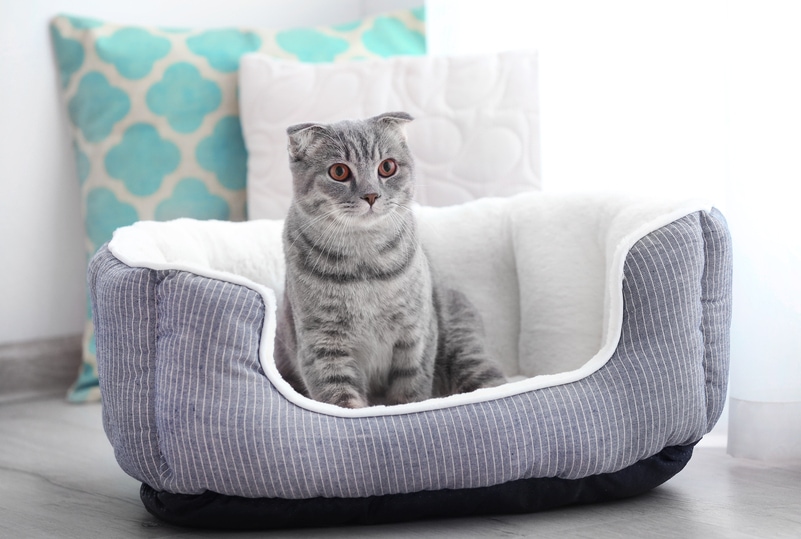
Be sure to set up a safe space for your cat in a room away from the front door. When you move boxes and furniture out of the house, close off the room so your cat doesn’t escape.
Cats and Car Rides
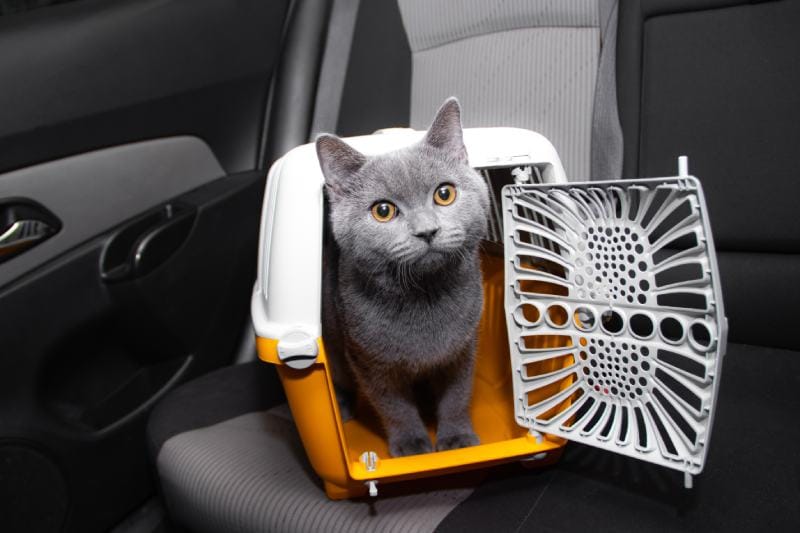
The big day is here and it’s time to load up the car. The car ride is the hardest part of the move for many cats. Cars are cramped, unstable, and lack hiding spots. Usually, cats enter cars to go to the vet, so they don’t have a good association with them already. Here’s how you can make your cat’s car ride much easier:
4. Use Feliway
Feliway is a product that helps cats stay calm and reassured during difficult situations. It is made of synthetic feline facial pheromone, which is released by a mother cat to calm her kittens. Most people use the at-home diffuser, but you can also try the spray for on-the-go help.
5. Try a Sedative
Some cats require stronger substances beyond Feliway. Thankfully, you can speak to your vet about possibly giving your cat sedatives for the car ride if necessary. These can help your cat be asleep during the entire trip. Schedule an appointment with your vet to discuss using a sedative to help your cat transition into the new house.
6. Use a Larger Carrier
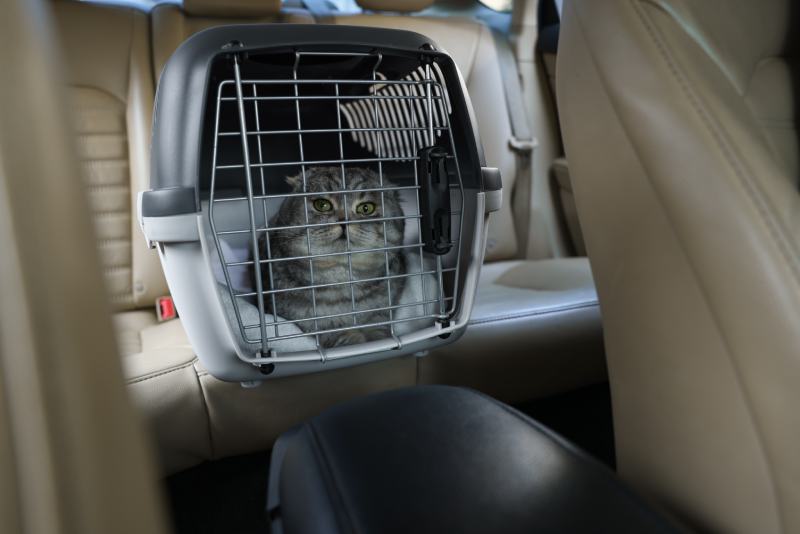
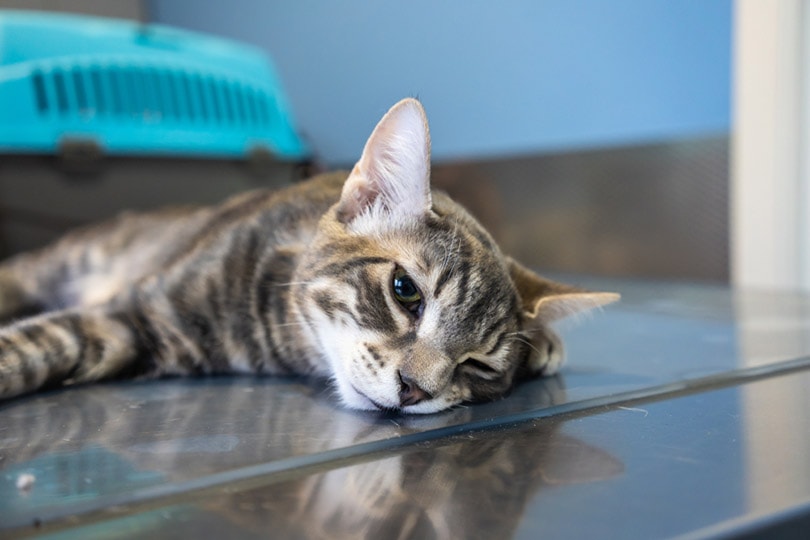
Sometimes, it is not the car that freaks cats out; it is the carrier. Small carriers feel too enclosed and don’t offer much space and breathability. Opt for a larger carrier so your cat can comfortably sprawl out and nap if they want. This is especially useful for longer drives.
Transitioning Into a New Space
You’re in your new house and now it is time to unpack. But before you do, let’s take care of the cat’s needs first.
7. Set Up the New Cat Space
Cats are territorial and need control of an area to keep relaxed. Place cat trees, toys, and food bowls in a new space close together. This can be a corner in the bedroom, a large closet, or a spare bathroom. As everyone settles, you can allow your cat time to explore. Until then, limit exploring time to this new territory and give your cat space until they’re ready to make their debut.

8. Offer Enticing Treats and Meals
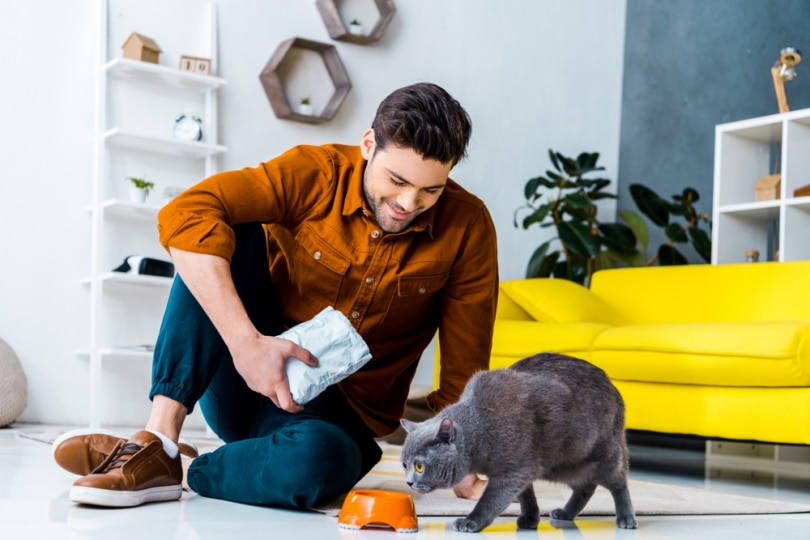
What better way to celebrate a move than with delicious food? Bring the cat in on it and grab a can of wet food. This will put your cat in a good mood and encourage them to eat since most cats refuse food under stress.
9. Set Up a New Schedule
Schedules give cats something to look forward to, even during stressful times. It helps to have a constant when everything feels up in the air. Set up a new feeding schedule and your cat will soon feel at home.
10. Pay Attention to the Litter Box
When cats experience too much stress, they can show signs of urinary tract problems. Make sure your cat likes their new litter box (or boxes) location and pay attention to their toileting habits to ensure they remain unaltered.
Take your cat to the vet if you notice:
11. Snuggle and Play
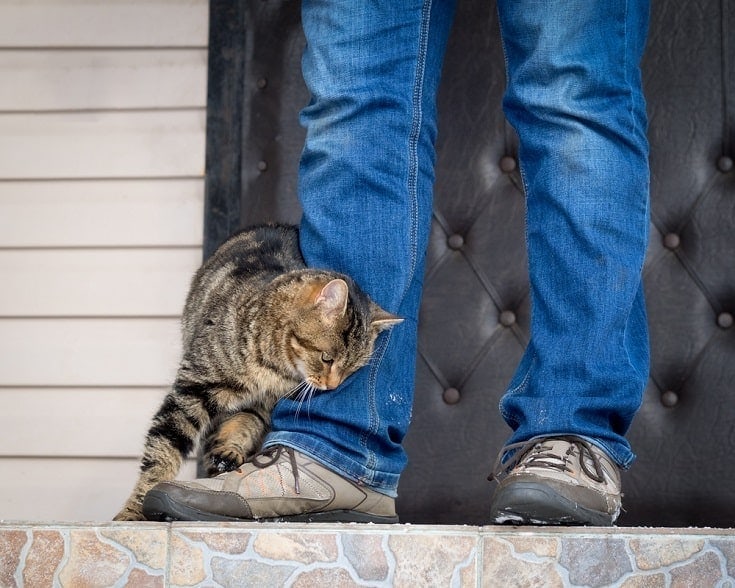
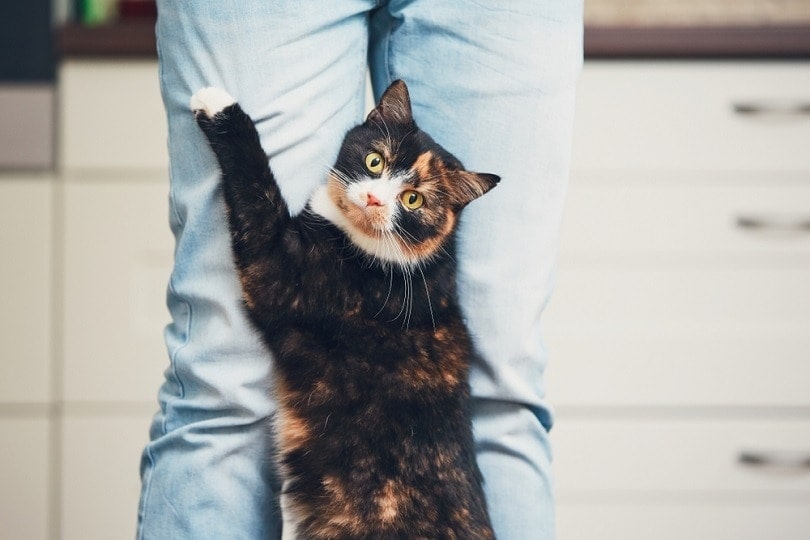
Your kitty is probably scared. Everything they once knew has now changed. The only constant is their toys, meals, and you. Maybe that’s all they need, but it is difficult for cats to adjust to new changes. Show your cat that they’re loved and have nothing to fear with some cuddles and playtime.


Adjusting to a New Home: How Long Do Cats Need?
When you move with a cat, expect days to weeks before your cat feels comfortable with the new surroundings. Some cats will adjust immediately but don’t expect this from yours.
Conclusion
Now that you understand how to relocate a cat, are you ready to start moving? If you are worried your cat won’t like the new place, don’t worry! Cats are resilient creatures and now you know how to make the transition much easier. Just make your cat as comfortable as possible, keep a routine, set up their space, and monitor their toileting habits. Your cat will come around in time.
Sources
Featured Image Credit: Tetiana Volkonska, Shutterstock
Get Hepper In Your Inbox


Pet care tips from our vets and experts, straight to your inbox.
You may opt-out at any time. View our Privacy Policy for more information.
Cassidy is a vet tech and pet sitter who has more recently become a pet writer. She loves cats and dogs and has had dozens of pets over the years. Her specialty is the human-animal bond.
Cassidy and her husband currently live in Kansas with a German Shepherd named Raven, two cats named Lucy and Streudel, and several backyard chickens.
Join the conversation
Ask a question, share your story, or send private feedback.