Hepper is reader-supported. When you buy via links on our site, we may earn an affiliate commission at no cost to you. Learn more.
Why is My Dog's Stomach is Making Noises? 8 Reasons & What to Do About It

If your dog's stomach has started making loud noises that are unfamiliar and alarming, your first response might be to call the emergency vet. However, if your dog isn't vomiting or having diarrhea, there might be a simple explanation for the noises.
Loud stomach noises occur in most dogs at some point in their lives. If you're only hearing grumbling, gurgling, and squeaking from your dog's stomach for the first time, it's safe to say that it probably won't be the last. Occasional stomach grumbling is normal, but when other signs accompany the noise or it has continued for several days, there might be something more serious going on.
We'll discuss which reasons for the loud noises are not severe and which require a visit to the vet.

The 8 Possible Reasons Your Dog's Stomach is Making Loud Noises
1. Hunger Pains
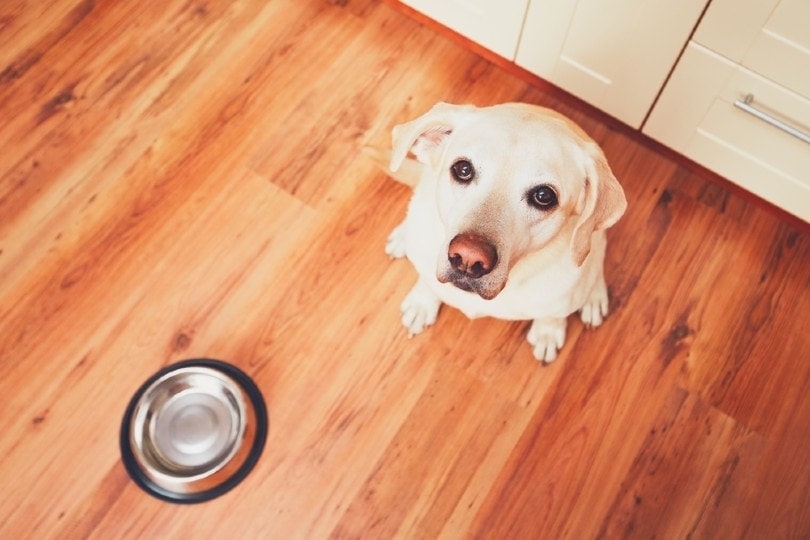
As simple as it is, hunger pains might be what is causing the loud noises to erupt from your dog's stomach. That doesn't mean that they're starving or skipped a meal; it's just an indication that they require a little more.
Giving your dog a small portion of kibble before bed may quieten their stomach, but you need to consider changing their feeding schedule. Giving your dog smaller meals throughout the day instead of two big meals several hours apart may keep the hunger pains at bay. Regardless, hunger pains aren't a severe health issue and can be stopped easily.
2. Swallowing Air
Have you ever gulped down a glass of water or a bottle of soda so quickly that you've belched out air once you've stopped drinking? A similar thing happens to your dog if they down their food too quickly—they end up swallowing air. The air needs to be released, and sometimes that happens through belching and other times, it moves down the gastrointestinal tract.
Although not particularly dangerous, air doesn't belong in your dog's intestines and will cause noise as it moves along the tract. Your dog may experience discomfort when this happens, but eating their food too quickly can also cause vomiting, choking, and gas. You can prevent it by placing their food in a slow-feeder dog bowl that forces them to consume it slowly.
3. Diarrhea
If your dog is about to have diarrhea or has been having diarrhea throughout the day, their stomachs will likely make loud noises due to the fast movement of food through their intestines. There are many reasons why your dog might be experiencing diarrhea, which can range from mild to severe, especially when accompanied by other symptoms.
Sometimes, your dog's gut may need a break, and withholding food for a day may sort out the issue as long as they have plenty of water. Once the fast is over, a small, bland diet, such as plain white rice, is recommended. You can start adding more of their regular food when you see an improvement. However, if this remedy doesn't stop your dog's diarrhea, you need to take them to the vet.
Our top pick for cleaning up pet messes is the Hepper Advanced Bio-Enzyme Pet Stain & Odor Eliminator Spray.
Yes, it’s our product, but we love it so much, we have to share! Not only does it permanently remove the very worst smells and stains (yes, everything you can imagine!), but we offer a 100% satisfaction guarantee!

- ADVANCED ENZYMATIC CLEANER - Penetrates the most stubborn smells and stains at the deepest molecular levels to dissolve any pet mess you encounter and lift it away at the source.
- FOR ANY MESS, ON ANY SURFACE - This pet odor eliminator cleans your carpets, floors, furniture, fabrics, and more. Whether it's urine, feces, vomit, or drool, you can erase all foul spots and smells!
- FRESH, NATURAL ODOR - Our unique formulation doesn't rely on dangerous or unpleasant chemical fragrances to get the job done. We eradicate smells and stains, not just cover them up.
4. Intestinal Parasites
Intestinal parasites, such as roundworms, heartworms, tapeworms, hookworms, and whipworms, can cause severe issues for your dog. One sign of intestinal parasites is loud noises in your dog's stomach since they cause their abdomen to swell and cause vomiting and diarrhea.
The parasites can be life-threatening to puppies but are less dangerous to adult dogs with robust immune systems. Regardless of your dog's age, you need to ensure they are protected from parasites by deworming them when necessary and giving them tick and flea treatments.
5. Foreign Body
If you've had a dog long enough, you're probably aware that they love to chew on things they shouldn't. Unfortunately, their mischievous behavior can sometimes cause regret, especially if they've swallowed something they shouldn't have, such as a sock, plastic, or another undigestible foreign body.
A foreign body causes an obstruction in your dog's intestines, which causes more rumbling and gas. It may also cause your dog to stop eating, gag, vomit, become constipated, experience stomach pain, and display unusual behavior. This is a serious matter, and your dog needs to be seen by a vet since it could be a life-threatening condition if your dog cannot pass the foreign object naturally.

6. Junk Food
It's not just an indigestible foreign body that can cause loud gurgling in your dog's stomach; junk food can cause the same thing. Sometimes, junk food can be hard to digest. Thankfully, your dog will likely be fine, as an upset stomach usually isn't as dangerous as an obstructed one from a foreign body.
Your curious dog may have gotten into your trash or been given food their stomach doesn't agree with. Keep an eye on them to ensure no other serious signs arise. They may experience a bit of diarrhea or vomiting but should recover quickly. However, if your dog has consumed a large portion of chocolate or another toxic ingredient, you should take them to the vet.
7. New Food
Changing your dog's food every few months benefits them by giving them a wider variety of nutrients and preventing food allergies from developing. However, there are essential steps to take when starting them on a new food, and you must transition them over slowly.
Immediately starting your dog on new food will cause gastrointestinal upset, potentially resulting in diarrhea, vomiting, excessive gas, and loud stomach noises. Sometimes, even with a slow transition, you may still hear loud noises coming from your dog's stomach accompanied by gas, which could be caused by sensitivities to some of the ingredients in the new food.

8. Inflammatory Bowel Disease
If your dog's stomach frequently makes loud noises accompanied by diarrhea, vomiting, and weight loss, they may have inflammatory bowel disease (IBD). It is caused by an imbalance in the gut's bacteria, a food intolerance, or an abnormal immune response. Some breeds are more prone to this inflammatory condition, but it can occur in any dog.
Treatments available from your vet can help your dog experience less discomfort, such as an adjusted diet, antibiotics, supplements, and immunosuppressive drugs.
When Do Loud Stomach Noises Become Concerning?
As you've seen from the text above, there are many reasons why your dog's stomach might be making loud noises. Although it can sound alarming, it often isn't, and the noises will either quieten down on their own or once you've given your dog something small to eat.
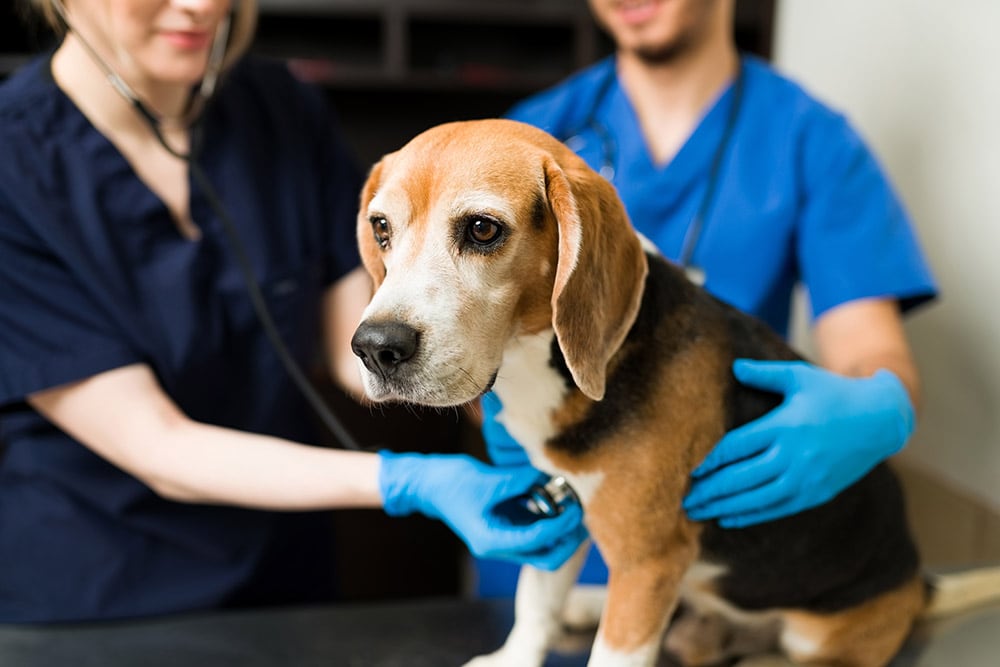
Loud stomach noises only become concerning if they continue for a long time or are accompanied by other signs. If you ever notice vomiting, diarrhea, blood in the vomit or feces, a loss of appetite, lethargy, pain, aggression, or a bloated stomach, there's reason for concern, and you should contact your vet.

Conclusion
Your dog's stomach might be making loud noises for several reasons. Most of the time, the noises don't indicate anything concerning. However, if other signs accompany the grumbling, gurgling, and squealing, the reason might be more serious, and you need to reach out to your vet for advice.
Sources
https://vcahospitals.com/know-your-pet/ingestion-of-foreign-bodies-in-dogs
https://iheartdogs.com/the-top-8-foods-that-make-dogs-gassy/
https://www.akc.org/expert-advice/nutrition/right-way-switch-dog-foods/
https://www.petmd.com/dog/conditions/digestive/c_dg_immunoproliferative_enteropathy_basenji
https://www.petmd.com/blogs/nutritionnuggets/dr-coates/2015/august/how-get-dogs-eat-slower-33018
https://blog.healthypawspetinsurance.com/why-is-my-dogs-stomach-making-noise
https://wagwalking.com/symptom/why-is-my-dog-stomach-making-noises
https://www.petmd.com/dog/general-health/dog-stomach-noises-what-do-they-mean
Featured Image Credit: Diana Grytsku, Freepik
Get Hepper In Your Inbox


Pet care tips from our vets and experts, straight to your inbox.
You may opt-out at any time. View our Privacy Policy for more information.

Keri-Beth is from South Africa and is a freelance writer who specializes in the pet niche. She has grown up with a range of pets, volunteered at countless pet shelters, and is highly passionate about pet care. Currently, Keri-Beth is raising two dogs - Benji, the Golden Cocker Spaniel, and Gracie, the Boerboel. With so much information out there, Keri-Beth has made it her mission to make pet care as easy and straightforward as possible.
In her spare time, Keri-Beth enjoys camping, photography, and spending time with her husband, who is a professional drummer. She not only has a heart for pets but people too.
Join the conversation
Ask a question, share your story, or send private feedback.