Hepper is reader-supported. When you buy via links on our site, we may earn an affiliate commission at no cost to you. Learn more.
Why Is My Dog Throwing Up Undigested Food? 8 Potential Issues


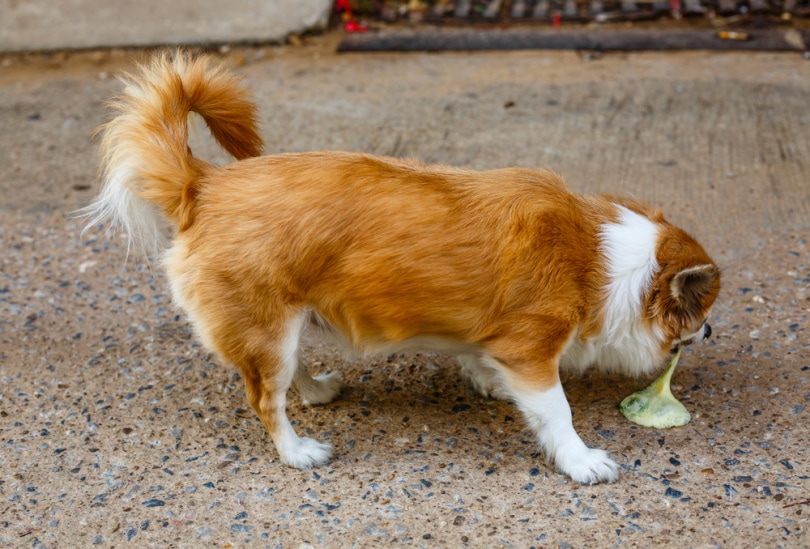
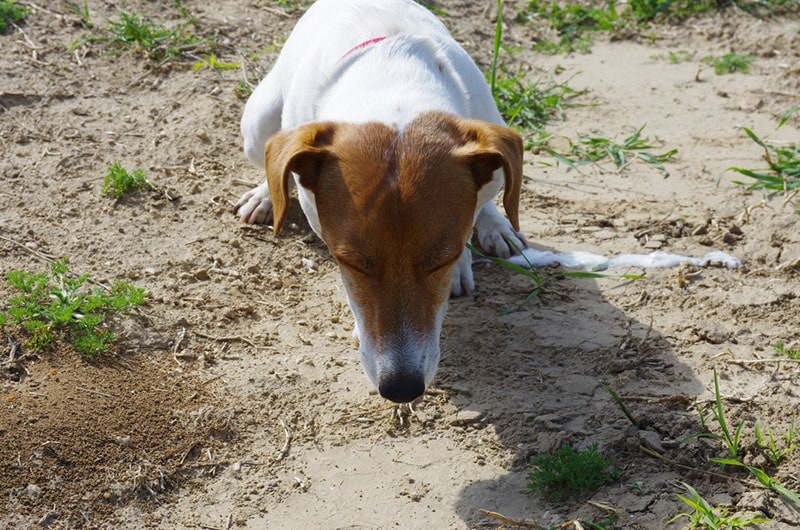
Dogs vomit and regurgitate from time to time, so it’s not a big deal if it happens occasionally. However, you’re probably reading this because your dog keeps throwing up undigested food. In that case, we want to help you figure out what could be the reason.
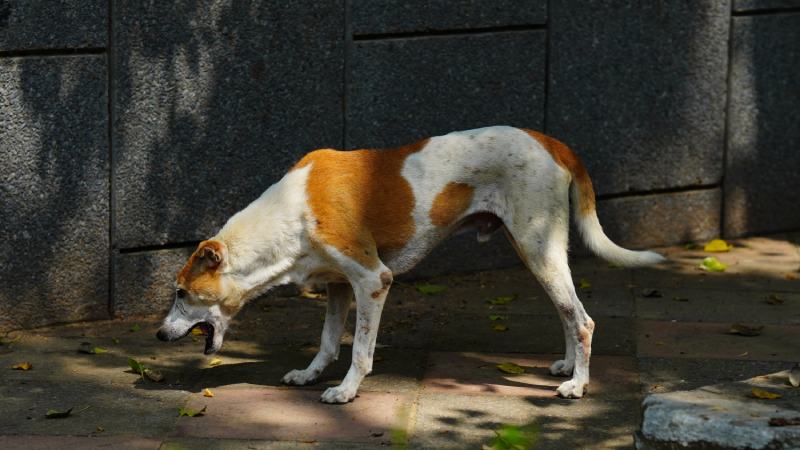
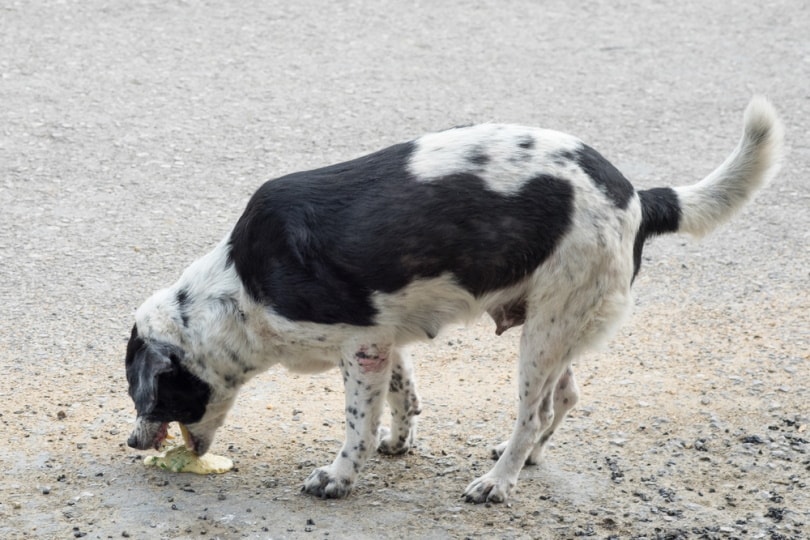
Before we begin, we should clarify something. If your dog is throwing up undigested food, it’s actually not vomit—it’s regurgitation. Regurgitation is when food and liquid sloth around in the esophagus (the tube that connects the mouth and stomach) and passively comes back up. There’s no nausea or retching like is typically seen with vomiting. And, as you know, food is undigested.
So, let’s discuss eight potential reasons why your dog could be experiencing regurgitation.

Why Is My Dog Throwing Up Undigested Food?
1. Megaesophagus
Megaesophagus is when the esophagus expands and loses the ability to move food into the stomach. When this happens food and liquid actually have a harder time moving to the stomach because the throat muscles can’t function properly.
For this reason, regurgitation is a common sign of megaesophagus. There are a few breeds that are predisposed to megaesophagus, such as:
- Wire-Haired Fox Terrier
- Miniature Schnauzer
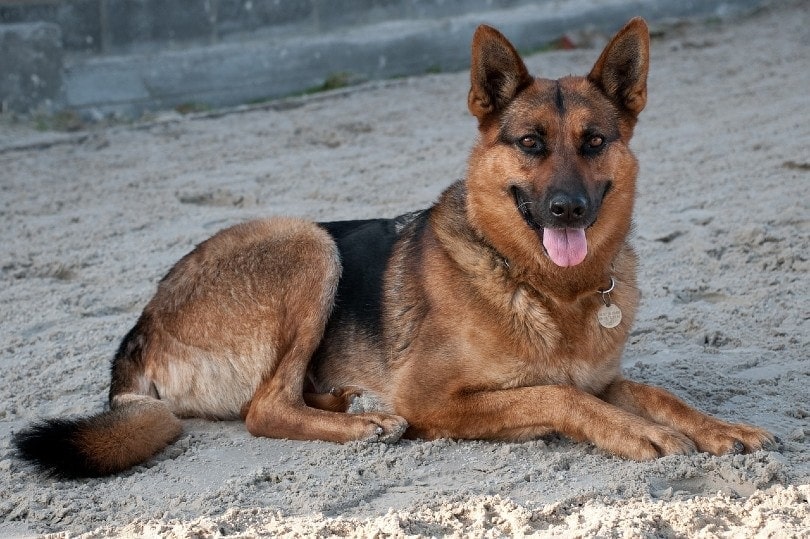
- German Shepherd
- Great Dane
- Newfoundland
- Irish Setter
- Shar Pei
- Labrador Retriever
- Greyhound
How to Help:
2. Eating Too Much
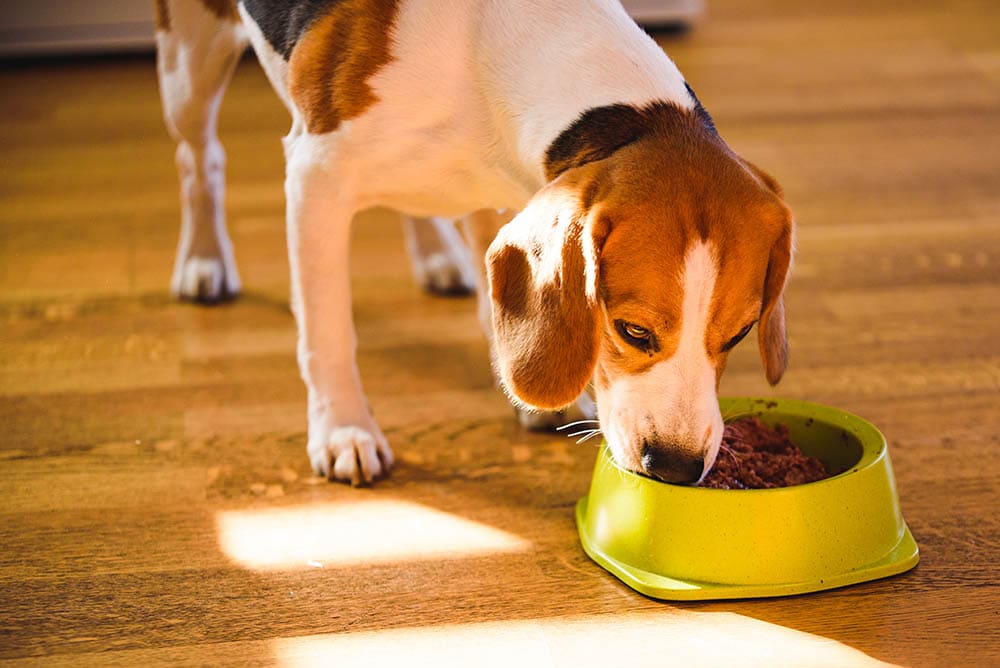
You know that pain in your stomach after eating way more than you should have? You feel like you have to vomit even though you just ate, and maybe you actually do! When your dog overeats, the same thing occurs. The excess ingesta applies pressure, so your dog simply regurgitates the food.
How to Help:
Optimize the benefits of your dog's diet with our calorie calculator here.
3. Eating Too Fast
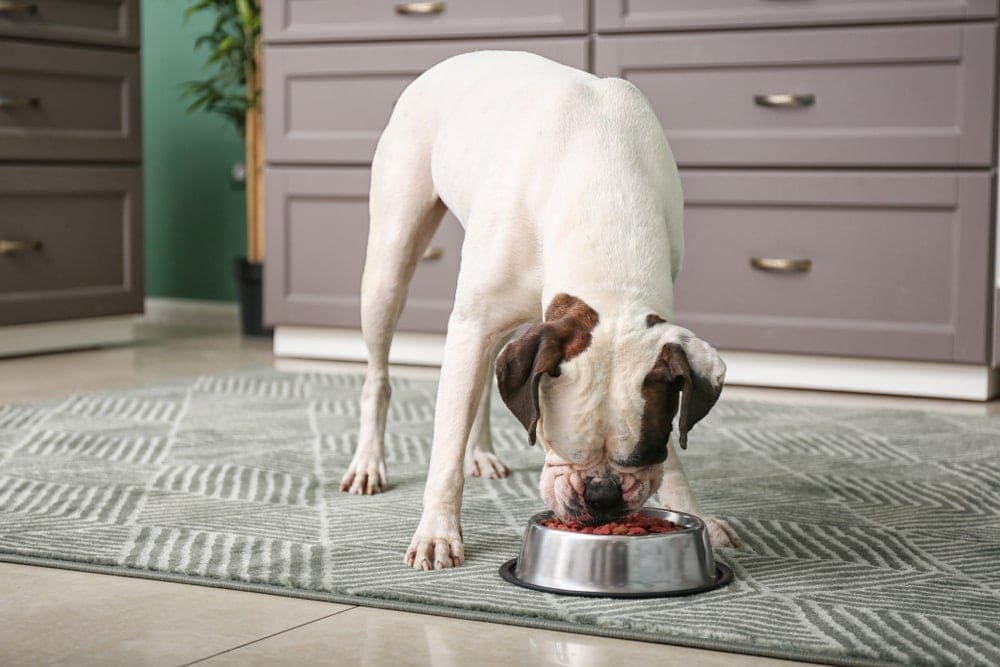
Sometimes, our dogs eat way too fast, and it’s difficult for them to properly swallow the food. This may lead to the unpleasant act of your dog regurgitating the food and eating it again. Often, when a dog eats too fast, he inhales air along with the food, which may cause distension in the GI tract, which we all know to be an uncomfortable feeling.
How to Help:
4. Gastric Reflux
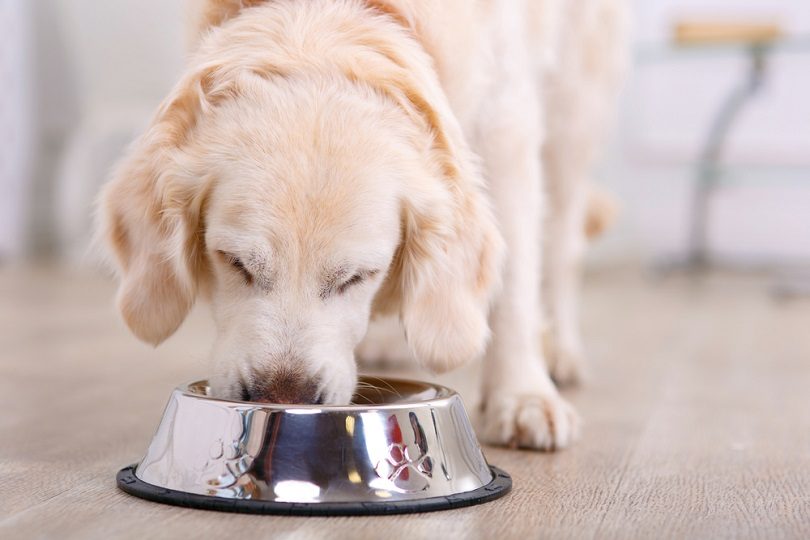
Gastric Reflux Disease, or GERD, is a chronic condition in which gastric acid moves into the esophagus. Normally, the small opening connecting the esophagus and stomach (esophageal sphincter) prevents acid from entering. But with GERD, this isn’t the case. The stomach acid irritates the throat and causes difficulty swallowing. If your dog is regurgitating food regularly, GERD could be a reason.
How to Help:
5. Foreign Body
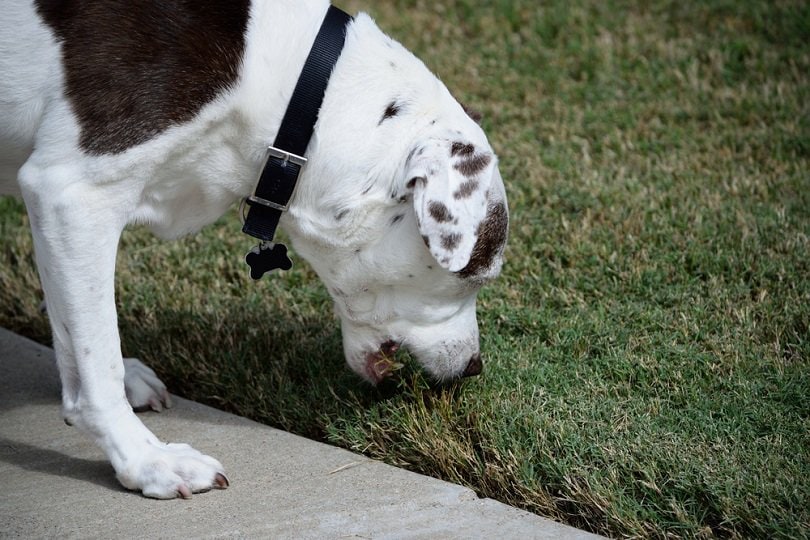
A foreign body is when your dog has something stuck inside its body that isn’t supposed to be there. An Esophageal Foreign Body (EFB) is when the object is stuck inside the throat. Bones are the most common EFB, but anything your dog eats has the potential to be an EFB.
EFB is common in dogs and has numerous side effects, including regurgitation. When the body senses something in the throat, it tries to swallow it and prepare for digestion.
How to Help:
6. Rabies
Since most dogs are vaccinated against rabies, it’s very unlikely that this will be the cause of your dog’s regurgitation. Still, around 60–70 rabid dogs are reported each year in the U.S. The first signs of rabies are vague, like vomiting, diarrhea, and lethargy. But later, your dog experiences significant neurologic issues which affect swallowing and cause regurgitation.

How to Help:
7. Hiatal Hernia
A hernia occurs when an organ (or any part of your body) protrudes through a gap or opening. Many hernias occur in the abdomen but can occur anywhere in the body.
Hiatal hernias form in the esophagus when the stomach pushes through the diaphragm opening into the stomach. Hiatal hernias appear to be birth defects in many dogs but can also occur from trauma.
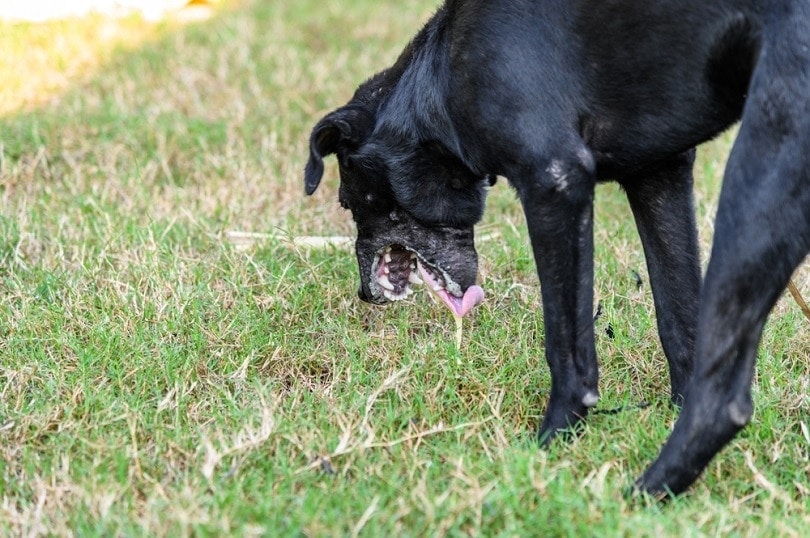
Regurgitation is one of the most common signs of a hiatal hernia, as well as vomiting, excess salivation, and blood in the vomit. Some dogs have difficulty breathing from the stomach acid reaching the lungs.
How to Help:
8. Esophageal Tumor
We hate to list cancer as a possibility because the last thing we want you to do is panic. However, it is sometimes the cause of a dog’s regurgitation. Esophageal tumors typically grow within the cells of the inner esophagus and the muscles surrounding the esophagus. While these growths can be benign, they are usually malignant.
How to Help:

Other Symptoms Associated With Regurgitation
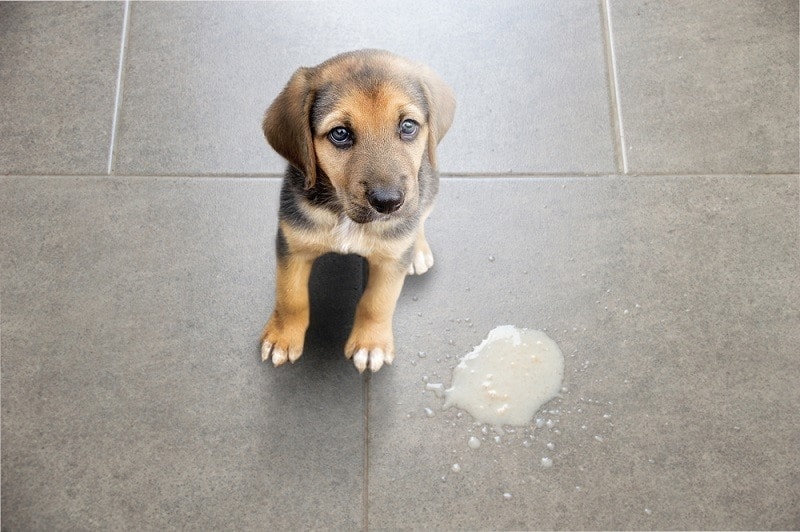
If your dog is regurgitating and you’re not sure why, take a look if any of the following symptoms are present:
- Fever
- Coughing
- Weight loss
- Runny nose
- Lethargy
- Vomiting
- A ravenous appetite
- Neck swelling
- Difficulty swallowing
- Bad breath
- Increased breathing noises
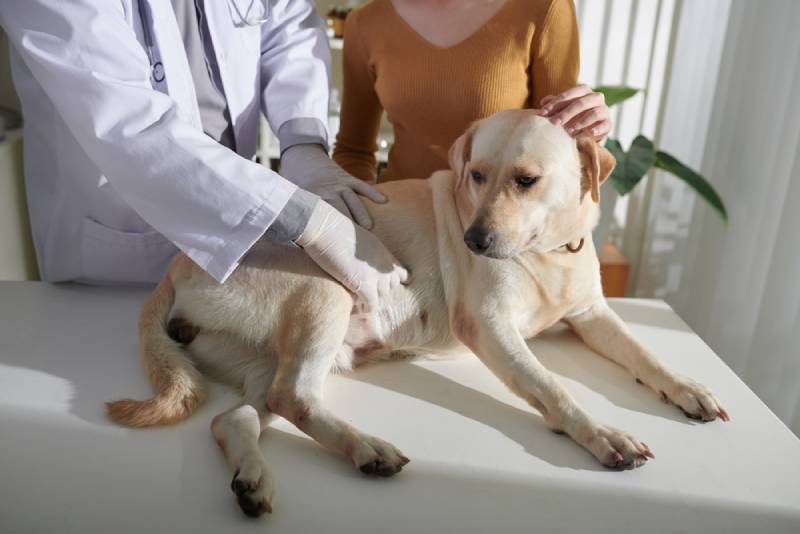
If you notice any of these symptoms alongside your dog’s regurgitation, it’s wise to call your vet and have your dog examined.
Conclusion
You might be panicking as you read this post, but don’t worry. Every time your pet regurgitates his last snack does not necessarily constitute a medical emergency. However, if you notice it regularly, especially if associated with other symptoms like those mentioned above, it’s best to take your dog to the vet to find the cause. Without treatment, it’s a very uncomfortable experience for your pet and can cause other, more serious medical concerns. We certainly don’t want that for your pet, and neither do you!
Featured Image Credit: suchinan, Shutterstock
Get Hepper In Your Inbox


Pet care tips from our vets and experts, straight to your inbox.
You may opt-out at any time. View our Privacy Policy for more information.
Cassidy is a vet tech and pet sitter who has more recently become a pet writer. She loves cats and dogs and has had dozens of pets over the years. Her specialty is the human-animal bond.
Cassidy and her husband currently live in Kansas with a German Shepherd named Raven, two cats named Lucy and Streudel, and several backyard chickens.
Join the conversation
Ask a question, share your story, or send private feedback.