Hepper is reader-supported. When you buy via links on our site, we may earn an affiliate commission at no cost to you. Learn more.
Can Dogs Get Stomach Viruses? What to Know About Gastroenteritis in Dogs



In this article
The short answer is yes, dogs can get stomach viruses. Gastroenteritis refers to inflammation of the stomach and intestines.1 While gastroenteritis may sometimes resolve on its own without medical intervention, severe cases should be brought to the attention of your attending veterinarian. Depending on the severity of your dog’s symptoms, it may need IV fluids or nutritional supplements to ensure recovery.

What Are the Symptoms of Gastroenteritis in Dogs?
The most common symptoms of gastroenteritis in dogs are intermittent vomiting and diarrhea. The vomit may contain foamy, yellow bile, particularly if the dog is vomiting on an empty stomach. Your dog may also show abdominal pain and may resist, yelp, or otherwise show sensitivity when the belly is touched. Dogs with gastroenteritis may also appear listless and lethargic.
What Causes Gastroenteritis?
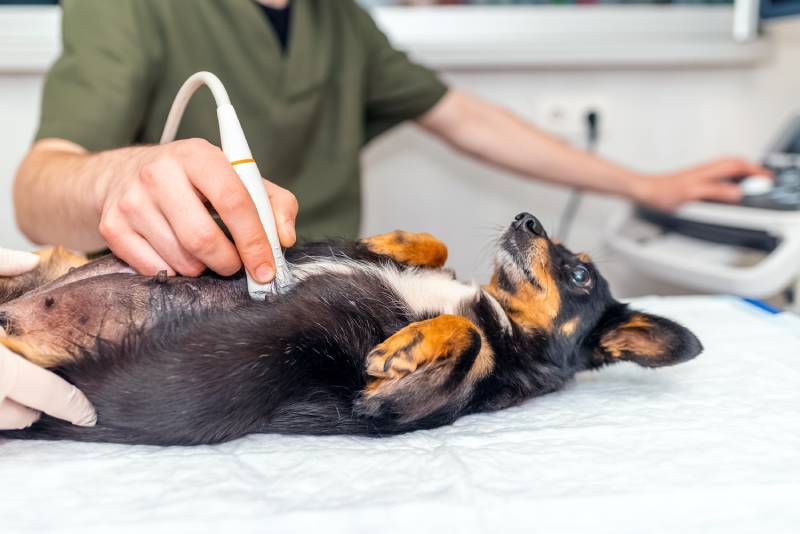
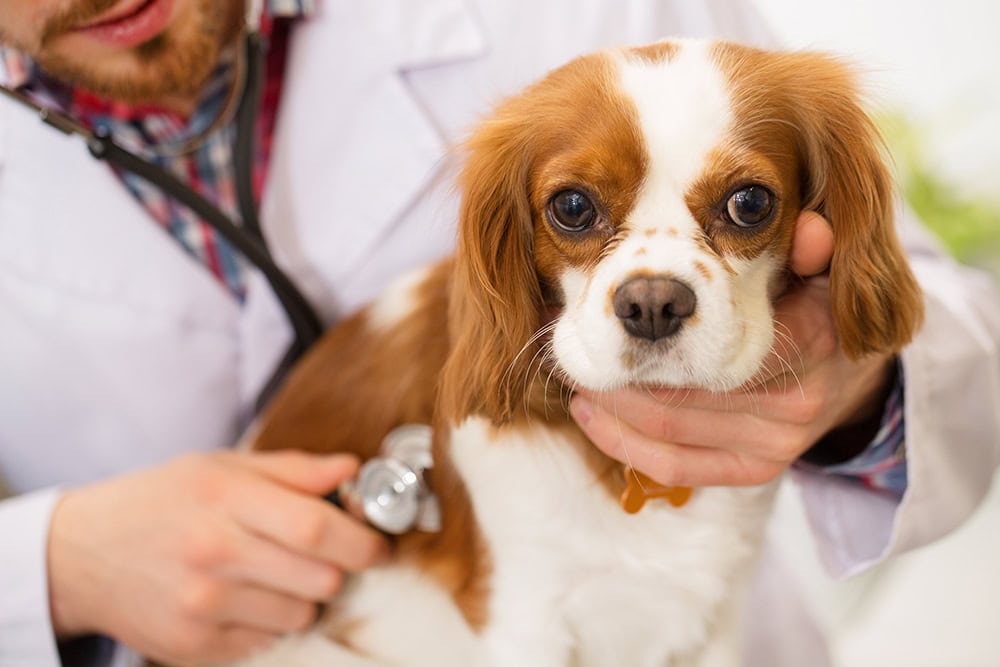
Gastroenteritis is considered a diagnosis of exclusion, meaning that your vet will diagnose this condition by ruling out alternative causes, often via blood work, fecal exams, and/or imaging studies (x-rays, ultrasound). Some of the most common causes of gastroenteritis in dogs include:
- Infection of the gastrointestinal tract (viral, fungal, bacterial, or parasitic)
- Poisoning/toxicity
- Pancreatitis
- Liver disease
- Kidney disease
- Intestinal foreign body
- Sudden change in diet
- Intussusception (the intestine sliding into another portion of the intestinal tract causing an intestinal blockage)
- Diabetes
How Is Gastroenteritis Treated?
Treating gastroenteritis starts with rehydrating your dog and restoring its electrolyte balance. Both moisture and electrolytes are lost when a dog experiences persistent episodes of diarrhea or vomiting.
Your vet may recommend intravenous or subcutaneous fluids. Your vet may also prescribe antibiotics, antiemetics, or gastroprotectants to help your dog recover comfortably.
Food is often withheld during early treatment stages as giving your dog food may cause them to vomit more. Sometimes small amounts of low-fat, easily digestible food are offered to a dog, and it depends on the doctor’s discretion. After 24–48 hours, food will slowly be reintroduced.
When to Worry: AHDS & Dehydration
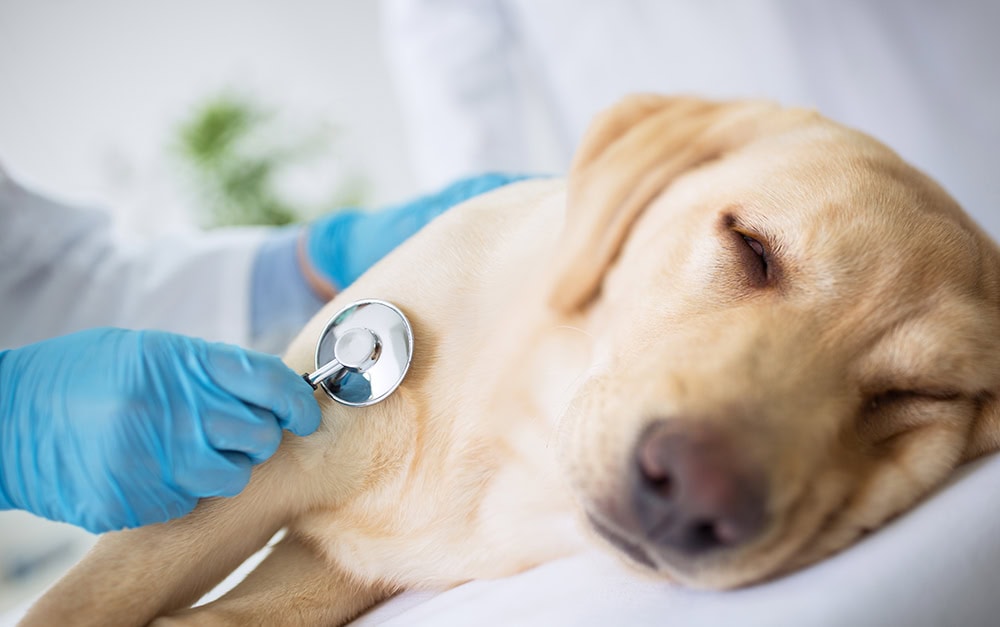
If your dog suddenly gets bloody diarrhea with no apparent cause, take your dog to the emergency veterinarian. They may have acute hemorrhagic diarrhea syndrome or AHDS, a severe inflammation of the gastrointestinal tract accompanied by internal bleeding.
AHDS is a severe condition and can be fatal if left untreated, and severe protein loss or sepsis (bloodstream infection) ensue.
You should also take your dog to the veterinarian immediately if he or she is panting, has a dry nose or dry eyes, pale gums and thick saliva, loss of skin elasticity (if you pull your dog’s skin away from the body and it’s slow to move back into place), or loss of appetite. These are signs of dehydration, and your dog may require fluid therapy for recovery.

Final Thoughts
Gastroenteritis is a serious concern, so take it seriously. Luckily, with modern medicine, it’s relatively easy to get your dog treated. Once again, if your dog has a sudden onset of bloody diarrhea, don’t delay taking them to the vet!
You might also be interested in:
Is Dog Vomiting Blood an Emergency? Possible Causes & Treatment
Intestinal Blockage in Dogs: Vet-Reviewed Signs, Causes, and Treatment
Featured Image Credit: Lindsay Helms, Shutterstock
Get Hepper In Your Inbox


Pet care tips from our vets and experts, straight to your inbox.
You may opt-out at any time. View our Privacy Policy for more information.
Luxifa is a freelance writer with a passion for animal science and technology. She loves to share the world of animal science with people to help them make informed decisions for themselves and their pets. Luxifa has worked in professional pet care for over six years and realised she could help change the world of pet care by bringing the information people needed to them in terms they could understand. Knowledge is power and she loves to help everyone become the most informed they can be.
Join the conversation
Ask a question, share your story, or send private feedback.