Hepper is reader-supported. When you buy via links on our site, we may earn an affiliate commission at no cost to you. Learn more.
Why Is My Dog Drinking So Much Water? Vet-Reviewed Causes & Concerns


In this article
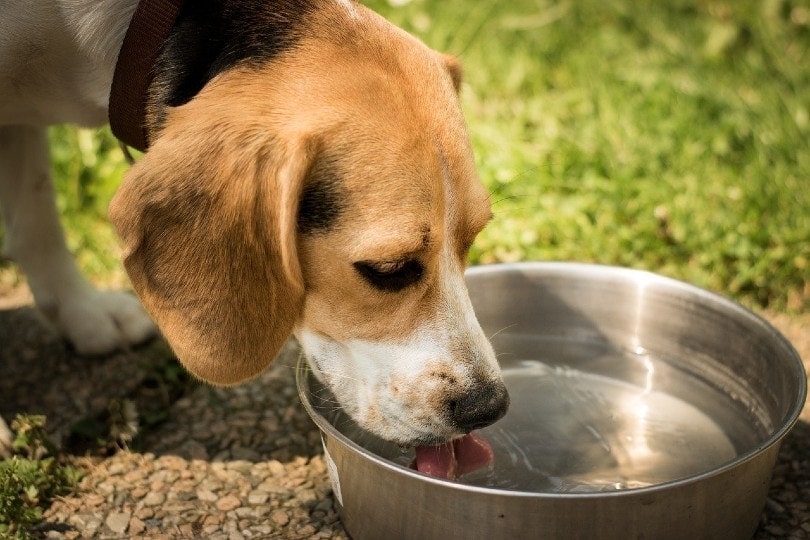
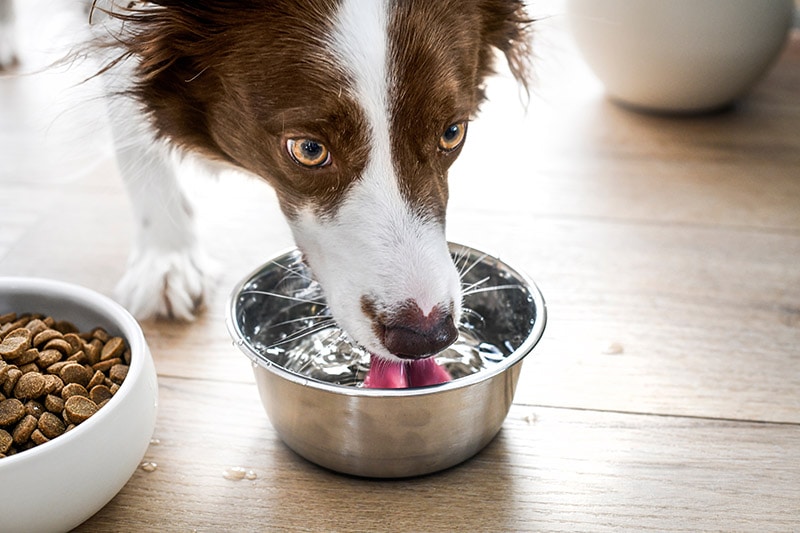
If your dog has been spending more time than usual at their water bowl, it’s normal to feel concerned. There are many potential reasons your dog is seeking more water, some more benign than others. It could be something as simple as your dog naturally reacting to warmer weather or as serious as a health condition that needs immediate veterinary care.
If you are concerned about your pet’s drinking habit, keep reading. We will review 12 potential reasons your dog is drinking so much water and help you decide whether your pup needs to see the vet.

The 12 Likely Reasons Your Dog Is Drinking So Much
1. Age
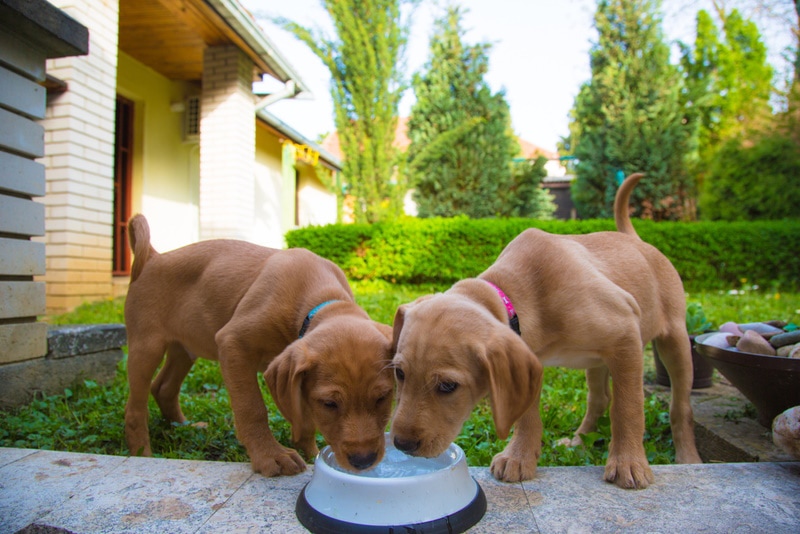
Young puppies often drink more water than their adult counterparts because their kidneys are still developing and cannot concentrate urine as well at this age. Puppies also tend to be much more active, requiring more water to maintain their activity levels.
Conversely, senior dogs may drink more due to medical problems or cognitive dysfunction.
2. Medications
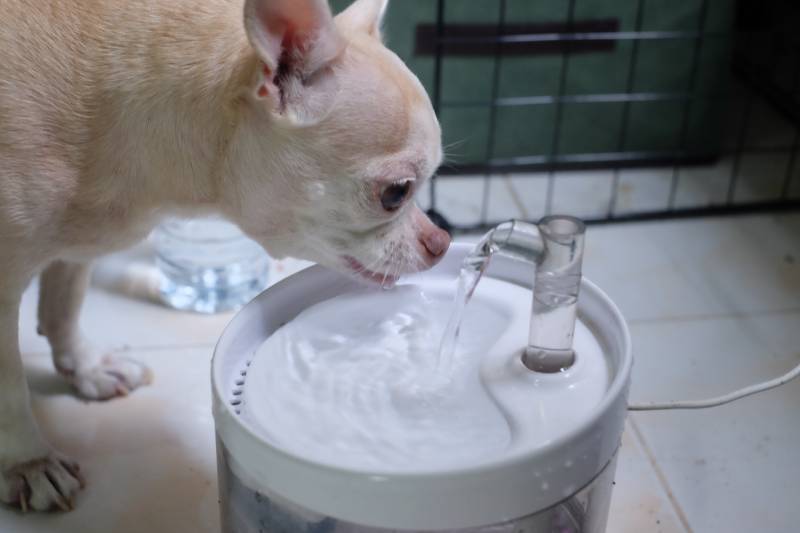
Just as some medications for humans increase thirst, certain meds for dogs can also boost their thirst levels. This includes diuretics, anti-seizure medications, and corticosteroids.
3. Weather
We naturally drink more water when the weather is warm to stave off dehydration. The same can happen with dogs.
4. Diet
A predominantly dry diet can lead to noticeable thirst increases as your dog isn’t getting the same level of hydration as a canned diet would provide. The same can be said of high-sodium foods and certain prescription diets.
5. Activity Levels
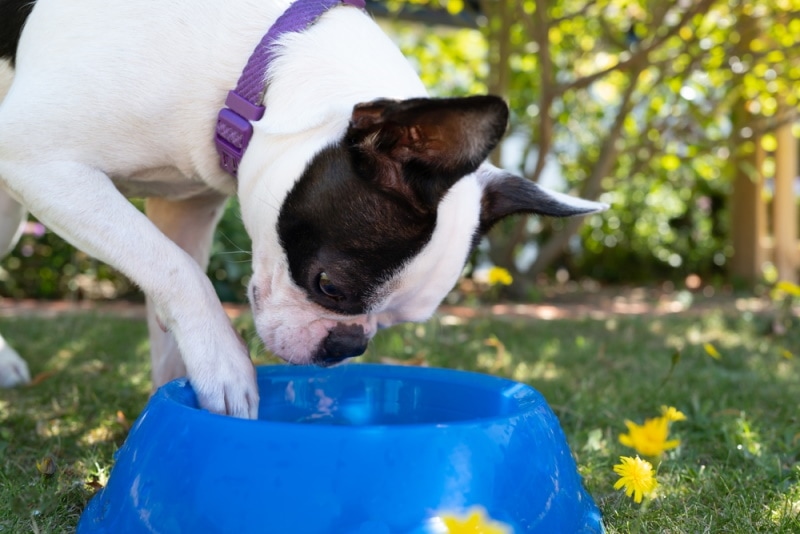
Dogs that exercise frequently will naturally require more water to stay hydrated. If your dog is highly active, you should expect them to drink more water to prevent dehydration.
6. Boredom
Lack of suitable mental and physical stimulation can cause dogs to exhibit strange behaviors like drinking excessively. They can also develop problem behaviors that can be difficult to break them of, such as excessive barking or chewing. If boredom is the reason behind your dog’s water-seeking behaviors, give them more stimulation by playing with them more or taking them for walks.
7. Dehydration
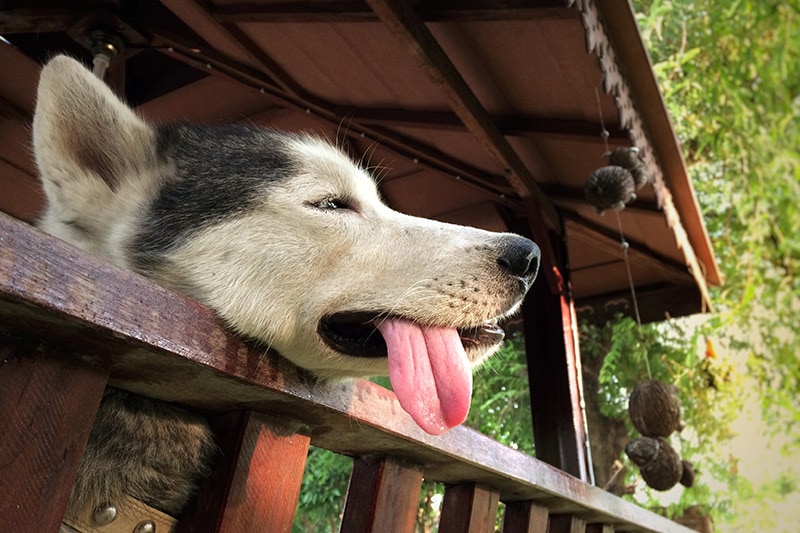
Excess heat, too much physical activity, and illnesses can all cause dehydration, which can cause your pup to seek out extra water. Other signs of dehydration include lethargy, red or tacky gums, excessive panting, and skin tenting. Severe dehydration can be life-threatening, so if you believe this may be causing your dog’s water-seeking behaviors, you need to see the veterinarian as soon as possible.

8. Kidney Issues
The kidneys filter your dog’s blood to remove by-products and toxins. They also regulate electrolyte and water balance and produce urine. If the kidneys aren’t working as they should be, dogs will naturally drink more water to try and compensate.
Kidney problems can cause many other issues in dogs, especially senior ones, so it’s important to educate yourself on the signs of kidney disease so you know what to look for. Aside from increased thirst and urination, other signs may include inappetence, weight loss, vomiting, lethargy and weakness.
Kidney failure is commonly a chronic and progressive condition that ranges in severity depending on how advanced it is.
9. Diabetes Mellitus
Diabetes is a disease that occurs when the pancreas cannot produce enough insulin or when the body no longer responds to the insulin it produces. Aside from increased thirst and urination, other signs of diabetes include increased or decreased appetite, weight loss, weakness, abnormal-smelling breath, lethargy, and vomiting. If left untreated, this condition can cause a potentially life-threatening condition known as diabetic ketoacidosis.
10. Cushing’s Disease
Cushing’s disease, also known as hyperadrenocorticism, is a health condition caused by the overproduction of steroids by the adrenal glands. The most common cause of this condition is a benign or malignant tumor of the pituitary gland. Aside from an increase in thirst, other signs of Cushing’s disease include increased appetite, increased urination, poor hair coat, lethargy, pot-bellied appearance, panting, thin skin, and persistent bladder infections.
11. Urinary Tract Infections
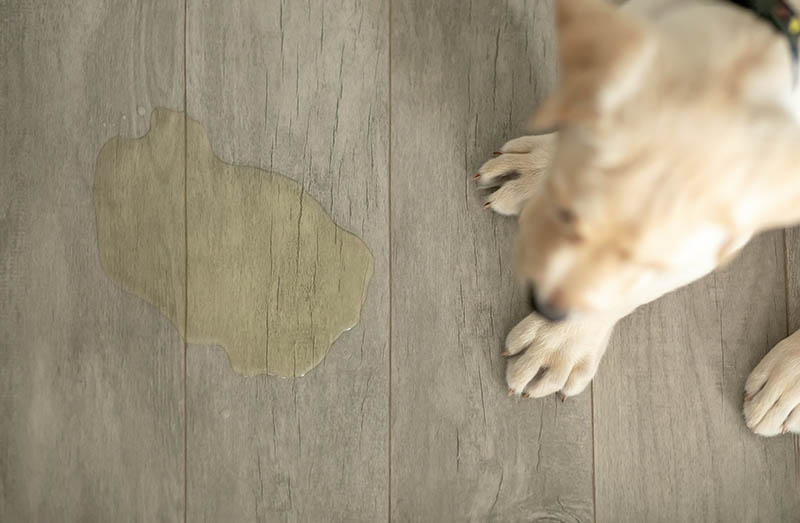
Urinary tract infections (UTIs) or cystitis can sometimes cause excessive thirst. UTIs can be very painful and can become dangerous if left untreated. Aside from excess thirst, you may also notice signs such as frequent urination, urinating small volumes at a time, straining to urinate, bloody or foul-smelling urine, and having accidents.
12. Pyometra
Pyometra, also known as an infected uterus, is a condition that occurs in female dogs that haven’t been spayed. This life-threatening infection causes the uterus to fill with bacteria and pus. Other signs of pyometra include vaginal discharge, poor appetite, lethargy, vomiting, and increased urination.

When Should I Take My Dog to the Vet for Excessive Thirst?
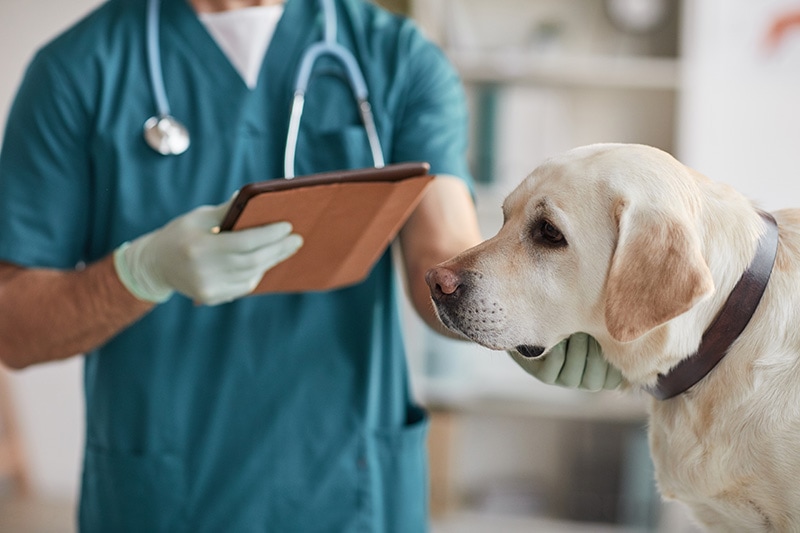
Knowing when your dog needs to go to the vet for their excessive thirst can be challenging. This is especially true, seeing as it could be something as innocent as boredom or as serious as kidney failure causing your pup to seek extra water.
If your dog is drinking more than usual for just one day, and it can be easily explained due to increased exercise or warm weather, it is usually not a cause for concern. However, if the excessive drinking continues or it is accompanied by other concerning signs, we recommend seeking veterinary advice as soon as possible. Other signs to watch out for include:
- Vomiting
- Diarrhea
- Lethargy
- Panting
- Decreased appetite
- Straining to urinate
- Blood in the urine
- Respiratory issues
- General malaise
How Much Water Should My Dog Drink?
Most dogs should drink approximately one ounce of water for every pound of body weight daily. That means a 10-pound dog should have around 10 ounces of water every day. However, how much water a dog will drink on any day will be partly influenced by their age, diet (wet food contains more water), the temperature outside and the amount of exercise they are doing.

Final Thoughts
Though many of the potential causes for your dog’s water-seeking behavior are scary, you mustn’t jump to any conclusions right away. If your dog is acting normal and has no other signs, their excessive thirst could be due to an exhausting walk or a side effect of the medication they’re on. However, if your pup is exhibiting other concerning signs in conjunction with excessive thirst, or it continues, it’s always best to seek medical attention to err on the side of caution.
Sources
Featured Image Credit: Krasula, Shutterstock
Get Hepper In Your Inbox


Pet care tips from our vets and experts, straight to your inbox.
You may opt-out at any time. View our Privacy Policy for more information.
Chantelle's life revolves around two passions: writing and animals. Raised on the prairies of Canada amidst a menagerie of pets, she now lives with five cats, two guinea pigs, and a bearded dragon. Together with her husband and child, Chantelle delights in being an exemplary animal parent, going as far as installing wall-mounted cat shelves to give their cats an indoor playground. When she's not cozying up with her cats or snapping their amusing antics, she enjoys venturing into the Rocky Mountains, binge-watching her favorite Netflix shows, and indulging in spontaneous reading adventures.
Join the conversation
Ask a question, share your story, or send private feedback.