Hepper is reader-supported. When you buy via links on our site, we may earn an affiliate commission at no cost to you. Learn more.
Why is My Dog Drinking Water but Not Eating? 7 Vet Reviewed Reasons


In this article
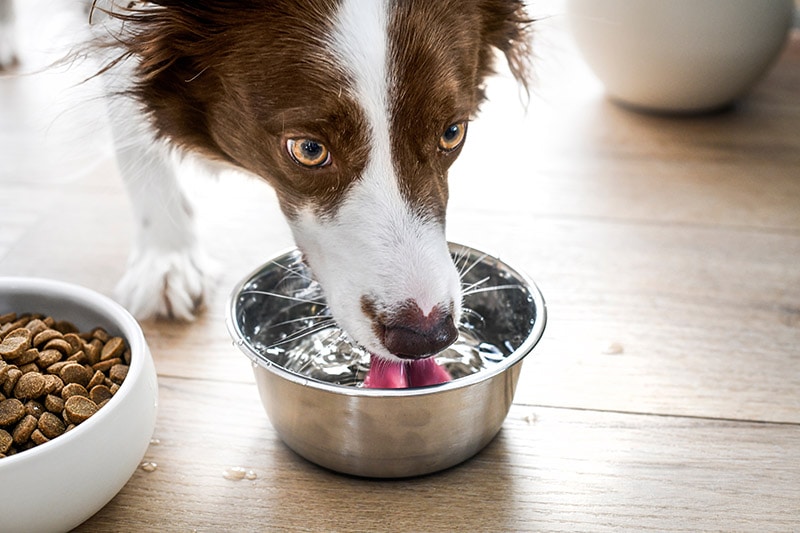
Has your dog stopped eating? There are a lot of reasons they may not be interested in their food, from an upset tummy to something more serious. While most cases resolve on their own after a short time, it’s important to look for those signs that indicate a dental problem, gastrointestinal infection, or even a chronic illness. Keep reading below to learn more about the various conditions that may cause your dog to keep drinking water but stop eating.

The 7 Reasons Your Dog Drinking Water but Not Eating
1. Upset Stomach
Like humans, dogs may get upset stomachs for many reasons, from eating something they should not to suffering from a stomach bug. Some pups are especially sensitive to certain foods, especially overly fatty ones, so feeding them table scraps or other human foods may cause issues. A lack of appetite could signify heat or the beginning of pregnancy in female dogs.
Usually, feeling nauseous or having a decreased appetite for a short time is nothing to worry about and will resolve itself in a few hours with rest. However, a lack of appetite or vomiting for an extended period likely indicates an underlying medical condition a veterinarian should evaluate. Immediate treatment is necessary for acute health concerns like gastrointestinal infections.
Other Signs to Look for:
2. Unfamiliar Environment
We have all experienced fear of an unfamiliar environment, such as a new job or meeting someone else’s friends or family while in their home. Dogs may feel that same fear, especially when visiting or moving to a new home or around people they’ve never met.
Some breeds are more prone to fears and anxieties than others, like the Bernese Mountain Dog, Standard Poodle, Border Collie, and Siberian Husky. Pups that have experienced fear in the past may also be more susceptible to it, especially in similar situations.
This fear does not only crop up in entirely new locations. A dog may become fearful if their home environment changes as well. Doing home renovations or introducing someone new could be enough to trigger anxiety and stress that will reduce their appetite, but they may continue to drink water.
Other Signs to Look for:
3. Anxiety/Stress
Fear of unfamiliar environments is just one situation that may cause your pup stress that could cause them to stop eating. Again, like humans, many things can contribute to stress in dogs, such as overstimulation, separation from their owner or another pet, new people, confusion because of memory loss, loud noises, large groups of people, and more. If you notice your dog not eating, the first step is to rule out stress as the probable cause.
If it is, or you suspect it is, there are some things you can do to help. First, remove the stressor or move your dog as far away from it as you can. Slowly reintroduce them to it if needed so they have more time to adjust. Then, practice self-care. Offer quality food and treats, get plenty of exercise, and give them time to relax when needed.
Other Signs to Look for:

4. Constipation
Dogs suffer from constipation for several reasons. The most common causes of constipation in dogs are dehydration, lack of exercise, and poor diet. Older dogs may also experience this as digestion naturally slows down. Constipation may not be something to worry about if it lasts only a day or two and resolves on its own or with guidance from your veterinarian to treat at home.
Medical professionals should investigate possible underlying medical conditions that may cause constipation. These could include an obstruction caused by something they ate or a tumor, a metabolic disease, spinal or orthopedic injury, or a central nervous system disorder. Be sure to inform your veterinarian of your dog’s constipation so they can monitor it for any complications.
Other Signs to Look for:
5. Mouth/Tooth Pain
The most noticeable sign that a dog has dental issues is their eating habits. If they choose to eat only wet food and stop eating kibble or stop eating altogether, it could be a sign that they are experiencing mouth pain because of an abscess, broken tooth, or gum disease. Toothaches can be overlooked for quite a while because dogs will continue eating despite the pain, mostly because they have to and because there are no other outward signs that something is wrong.
If you are searching for the cause of your dog’s change in eating habits, be sure to check for the other signs of dental problems in dogs listed below. If needed, make an appointment with their vet for cleaning so they can do a more thorough evaluation and recommend the best treatment.
Other Signs to Look for:
6. Acute Illness
An acute illness is one that comes on suddenly and is temporary. There are many common acute illnesses in dogs; it could be anything from heat exhaustion to an injury that will heal. When in pain or feeling under the weather, your pup may experience a reduced or lack of appetite.
Knowing they are sick makes it easy to head to the vet for proper care. However, if you don’t and the only sign that something is wrong is that they aren’t eating much, you may be unaware that the problem is a bit more serious.
If your pup has stopped eating, note any other signs and call your vet for guidance. They may offer suggestions to treat them at home or recommend an evaluation. However, it’s always better to be safe than sorry.
Other Signs to Look for:

7. Chronic Illness
You may already know that your pup has a chronic illness like arthritic, diabetes, hypothyroidism, or an orthopedic condition. Managing chronic illnesses in dogs can be more challenging because they can’t vocalize their signs, so you can treat them. Instead, pay close attention to their behavior. One such behavior is a change in eating habits. If they stop eating, they may feel nauseous or experience pain.
These signs may be easy to address if they are common with their diagnosed chronic illness. However, if they aren’t, mention them to your veterinarian as a new development.
Other Signs to Look for:
Top 6 Ways to Encourage Your Dog to Eat
1. Transition from Wet to Dry Food
If your dog isn’t eating dry food, you might try offering wet food instead. It has a much stronger smell, which can help stimulate hunger. Heating the food can make the smell stronger. Once they’ve begun eating wet food, mix a bit of kibble into it, gradually increasing the amount of kibble over time until they are eating mostly dry food.

2. Soften Their Food
Instead of offering wet food, you can always soften their dry food with water. This is especially effective if their lack of appetite is mouth pain. Switch out the water for no-salt chicken broth to make it more palatable and encourage them to eat a larger portion.
3. Try a Different Type of Food
You may have a picky eater! If that’s the case, switching to a different flavor or brand of food may be the answer. Some dogs may also prefer a smaller kibble size. While it can be frustrating, finding the food your dog loves and will eat may take several tries.

4. Add a Food Booster/Topper
There are a lot of food toppers, mix-ins, and supplements that can be added to their food. These can be strictly for flavor and to encourage eating or as a treat, but some have added nutrition or other benefits like probiotics. If your pup isn’t eating, you might make their kibble more enticing with a food booster or topper.
5. Use Digestive Aids for an Upset Stomach
An upset stomach is never fun, but slight changes may help. Choose to feed a plain diet for a short time. Supplements, prescriptions, and specially formulated foods are also available if needed.

6. Reduce Stress at Home
Reducing your dog’s stress may help them find their appetite again. You may even find that by providing them with self-care, you reduce your stress levels and feel better as well!
Here are a few tips for managing your dog’s stress:
When to Go to The Vet
Your dog’s lack of appetite could be a mild upset stomach or a sign of something more serious. If your dog is still drinking and begins eating again after a few hours or even a day while displaying no other signs of distress, it is usually okay to watch them closely and assume they have an upset stomach (for the time being). You might use this time to look for signs of other reasons, such as mouth pain or stress.
If you are unsure or notice additional signs, the fastest way to know when to head to the vet is to call them with your concerns. They can give you the guidance you need to care for them, whether instructions for doing that at home or bringing them in for an immediate evaluation.
Conclusion
If you’ve only just now noticed your pup not eating, be sure to stay aware of any other changes in their behavior so you can relay that to their vet if you need to. However, in most cases, a dog stops eating for a short time because of an upset stomach. If you find out why, you can prevent it from happening again.
Sources
https://www.carefirstanimalhospital.com/news-events/how-to-help-your-dogs-upset-stomach/
https://www.petmd.com/dog/conditions/behavioral/c_dg_fears_phobia_anxiety
https://www.hillspet.com/dog-care/behavior-appearance/dog-stress?lightboxfired=true
https://vcahospitals.com/know-your-pet/signs-your-dog-is-stressed-and-how-to-relieve-it
https://www.angelpethospital.com/8-signs-your-dog-may-have-dental-pain
https://www.petresort.com/medical/most-common-dog-illnesses-symptoms-treatment/
https://www.kingsdale.com/how-to-tell-if-your-dog-is-sick-7-warning-signs
https://wpvet.com/general-care/chronic-disease-management/canine-chronic-disease-management/
https://www.akc.org/expert-advice/nutrition/six-foods-to-feed-your-dog-when-hes-sick/
Featured Image Credit: 584652, Pixabay
Get Hepper In Your Inbox


Pet care tips from our vets and experts, straight to your inbox.
You may opt-out at any time. View our Privacy Policy for more information.
Krysha is a proud mom to Shelly, a tortoiseshell “Tortie” rescue kitty that loves to talk back, especially if I’m late with breakfast. Shelly’s big personality, despite her small stature, has been a driving force behind my ambition to spread awareness about local shelters and the small things residents, support groups, and non-profits can do to support them. Growing up, Krysha experienced the care of many pets, from cats and dogs to turtles and small lizards to hamsters and tropical fish.
Krysha is a freelance content writer specializing in pets, travel, and wellness. Her writing career began in 2009 while still studying English and Creative Writing at the University of Nevada, Las Vegas. Now, her creative writing skills combine with technical SEO experience to provide high-quality blog and web content for eCommerce and service-based websites.
Join the conversation
Ask a question, share your story, or send private feedback.