Hepper is reader-supported. When you buy via links on our site, we may earn an affiliate commission at no cost to you. Learn more.
Why Does My Dog Pee So Much? 11 Vet-Reviewed Reasons


In this article
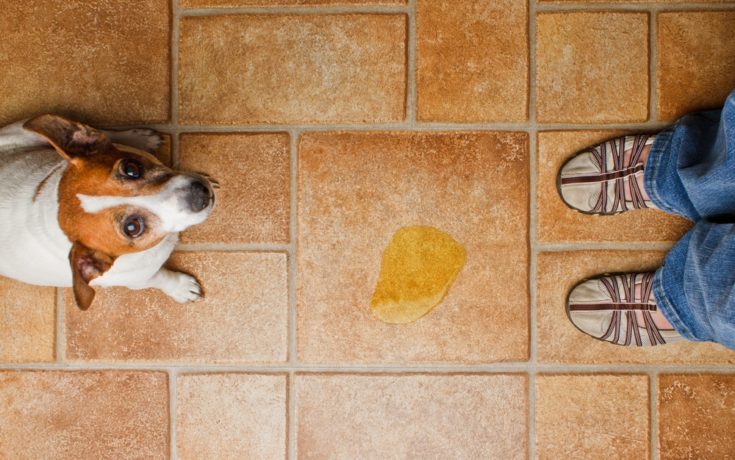
Dogs of all ages can develop issues when they pee. These issues usually present themselves as peeing too often or struggling to urinate at all. If your dog has suddenly started asking to go out more often or leaves puddles on the floor even though they are house-trained, it can be due to several reasons.
Your dog’s instincts, anxiety, and health problems can all be reasons that they are peeing more often. To help you figure out the most likely cause for your pooch, here’s a list of reasons that dogs may urinate frequently.

The 11 Reasons Dogs Pee Frequently:
1. Aging
As your dog ages, they’re more likely to develop incontinence due to disease, weakened muscles, or the fact that they don’t realize that they need to use the bathroom.
Senior dogs are also more likely to be on medication for the diseases and infections that they are more susceptible to. While incontinence can be a sign of most infections, the medications used to treat them can also affect how often your dog needs to pee.
A veterinarian will be able to help you narrow down the cause of your senior dog’s increased need to urinate.
2. Anxiety
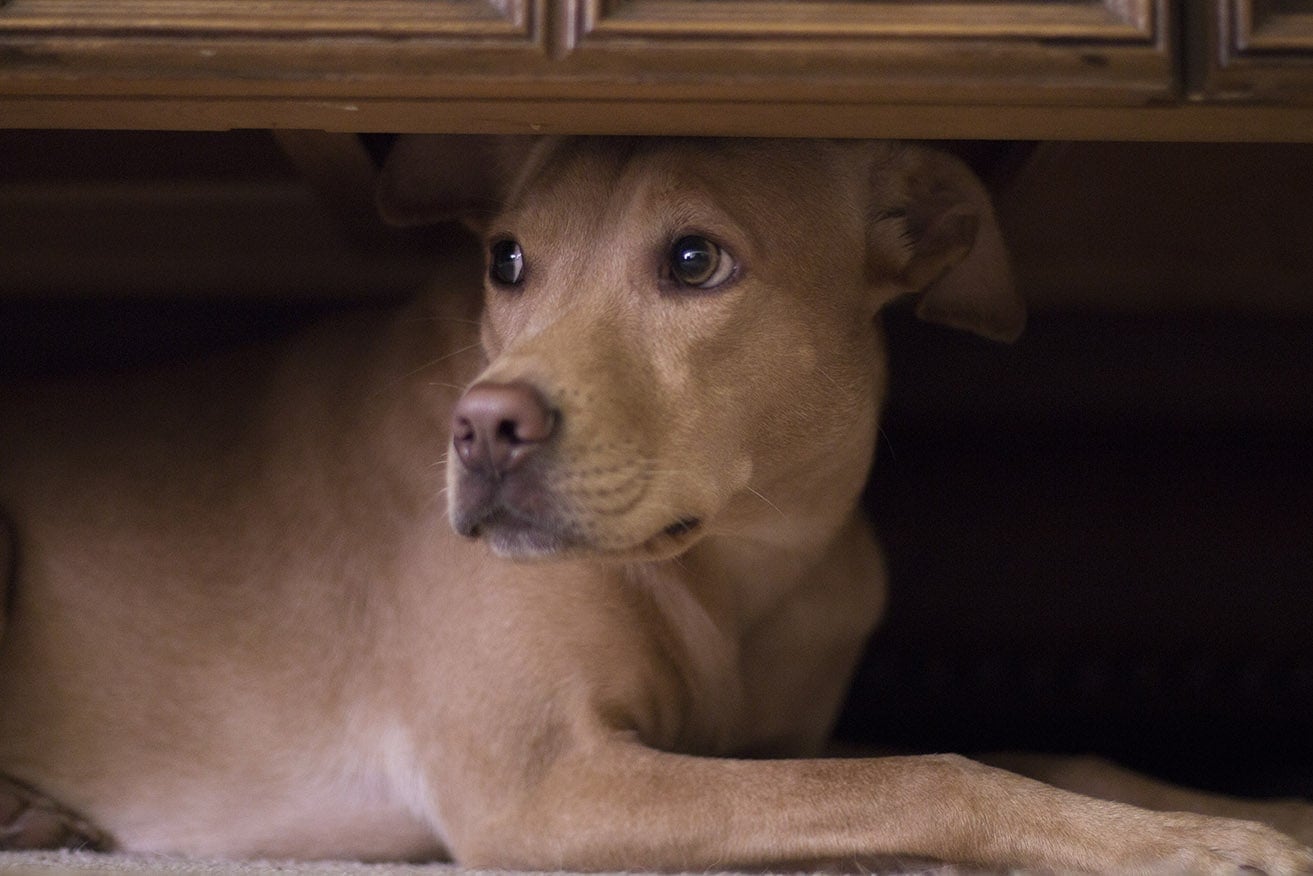
Dogs suffer from fear and anxiety the same way we do. Urinating more often can be a sign that your dog is feeling anxious about something. Separation anxiety or a change in your dog’s routine or environment can make your dog anxious.
Some worry about changes so much that they are more likely to have urine or poop-related accidents. In these cases, they’re also more likely to defecate in the house even if they’re fully house-trained.
Common causes of anxiety include:
3. Bladder Infection
Although it’s a type of UTI, a bladder infection is only found in the bladder. It’s more common in female dogs and is just as much of an uncomfortable nuisance for our dogs as it is for us. Like other UTIs, bladder infections cause frequent and inappropriate urination.
Bladder infections can be caused by several things:
Sometimes they can clear up on their own, while other, more serious infections require treatment.
4. Diabetes
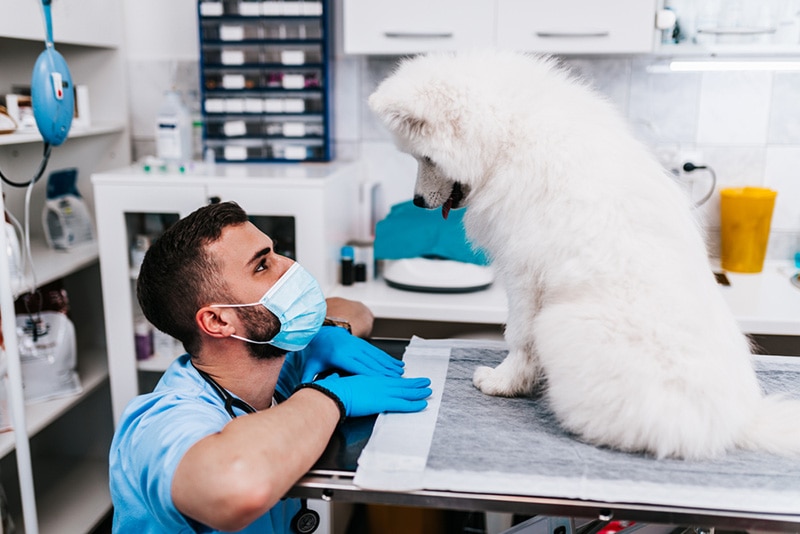
Diabetes mellitus affects how your dog’s body gets energy from food. It happens when the body either doesn’t make enough insulin or doesn’t use it properly.
Diabetes can’t be cured, but it can be managed with a dedicated treatment plan. It can cause excessive thirst and increased urination. Both of these are attempts to remove the sugar content in your dog’s body through urine. This can lead to more trips outside or potty accidents in the house.
5. Diet
The saying, “we are what we eat,” applies to our dogs too. If you’ve recently switched your dog from dry kibble to canned food, you’ll probably notice your pooch peeing more often. This is due to the moisture content of the food.
While kibble contains minor amounts of moisture, wet food has a much higher moisture content. This can help keep your dog healthy but can also cause more frequent urination until their bodies adjust to the new water intake.
6. Hormone Imbalance
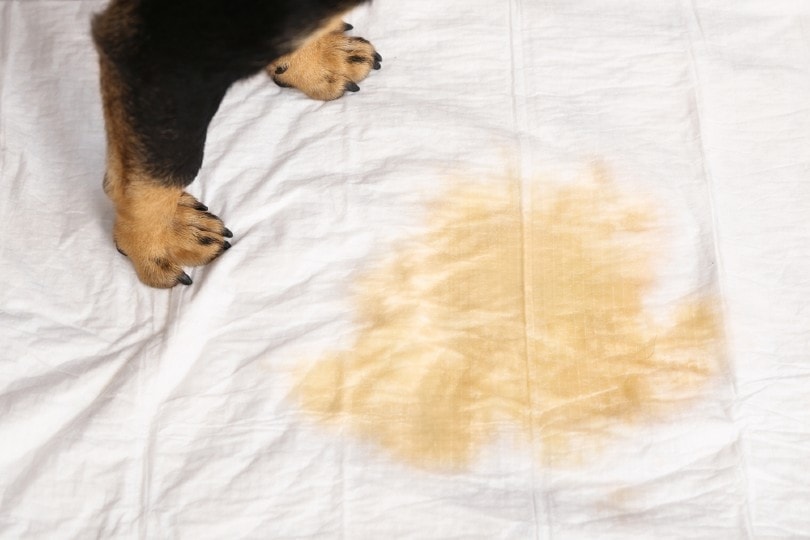
Even dogs can suffer from hormone-related problems. Spay incontinence is one of the biggest causes of peeing more often. This can be due to a lack of bladder control and less estrogen production. While it is more common in female dogs, it can affect neutered males too. Large breeds tend to be more prone to this issue.
This type of incontinence isn’t always an immediate result of surgery, and it can be years before your dog shows signs of spay incontinence.
7. Increased Water Intake
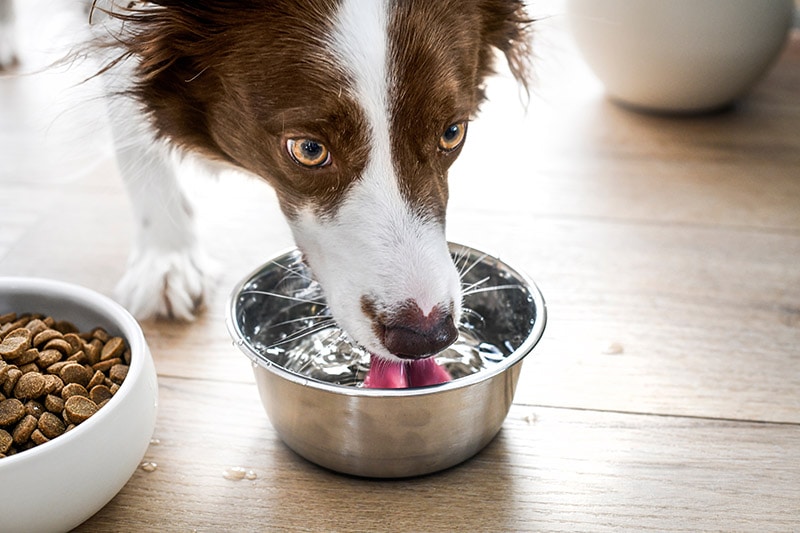
The more your dog drinks, the more likely they are to need the bathroom at some point. You should always keep a bowl of clean water in easy reach for your pooch, and depending on their activity level, you may find yourself refilling it more or less often.
Exercise is one of the reasons that your dog might be drinking more often. Long walks, lengthy games of fetch, or even training sessions can all be thirsty work for you and your dog.
Warm weather can be a factor too. Although it might seem like an odd reason for your dog to pee more often, the hotter it is, the more your dog will drink and inevitably, pee.
Related Read: Why Does My Puppy Drink So Much Water? (Vet Answer)
8. Kidney Disease
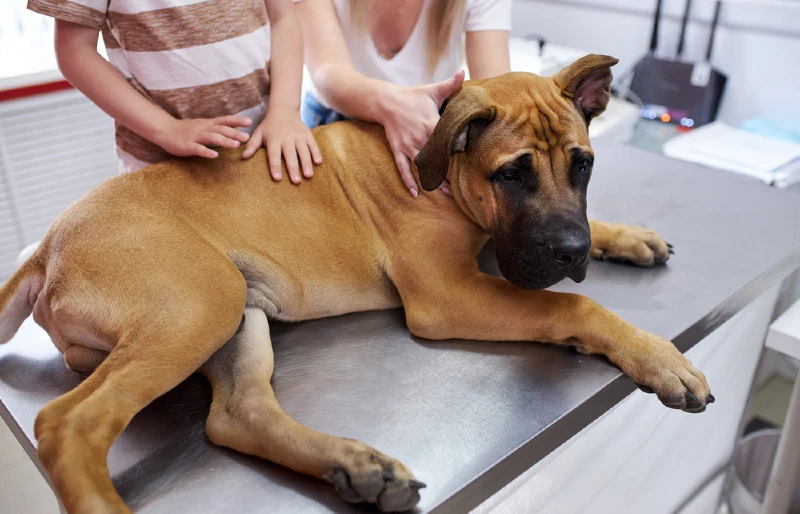
Most commonly associated with aging, kidney disease is often considered to be the tissues in your dog’s kidneys “wearing out.” It can also be a result of another underlying health condition, though, so it is a good idea to check with your veterinarian to make sure there isn’t a more serious cause.
Kidney disease causes your dog to pee more often due to the kidneys producing more urine to remove waste products from the body. Due to their need to pee more often, your dog will also drink more so they don’t get dehydrated.
9. Potty Training
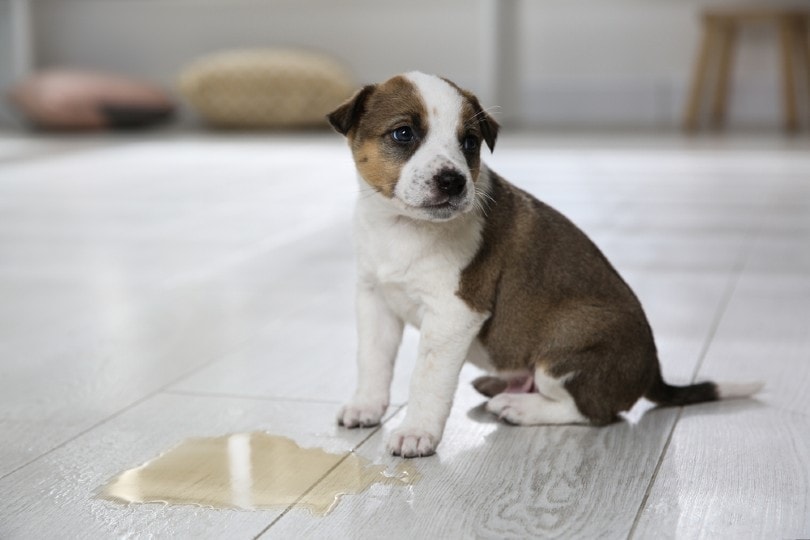
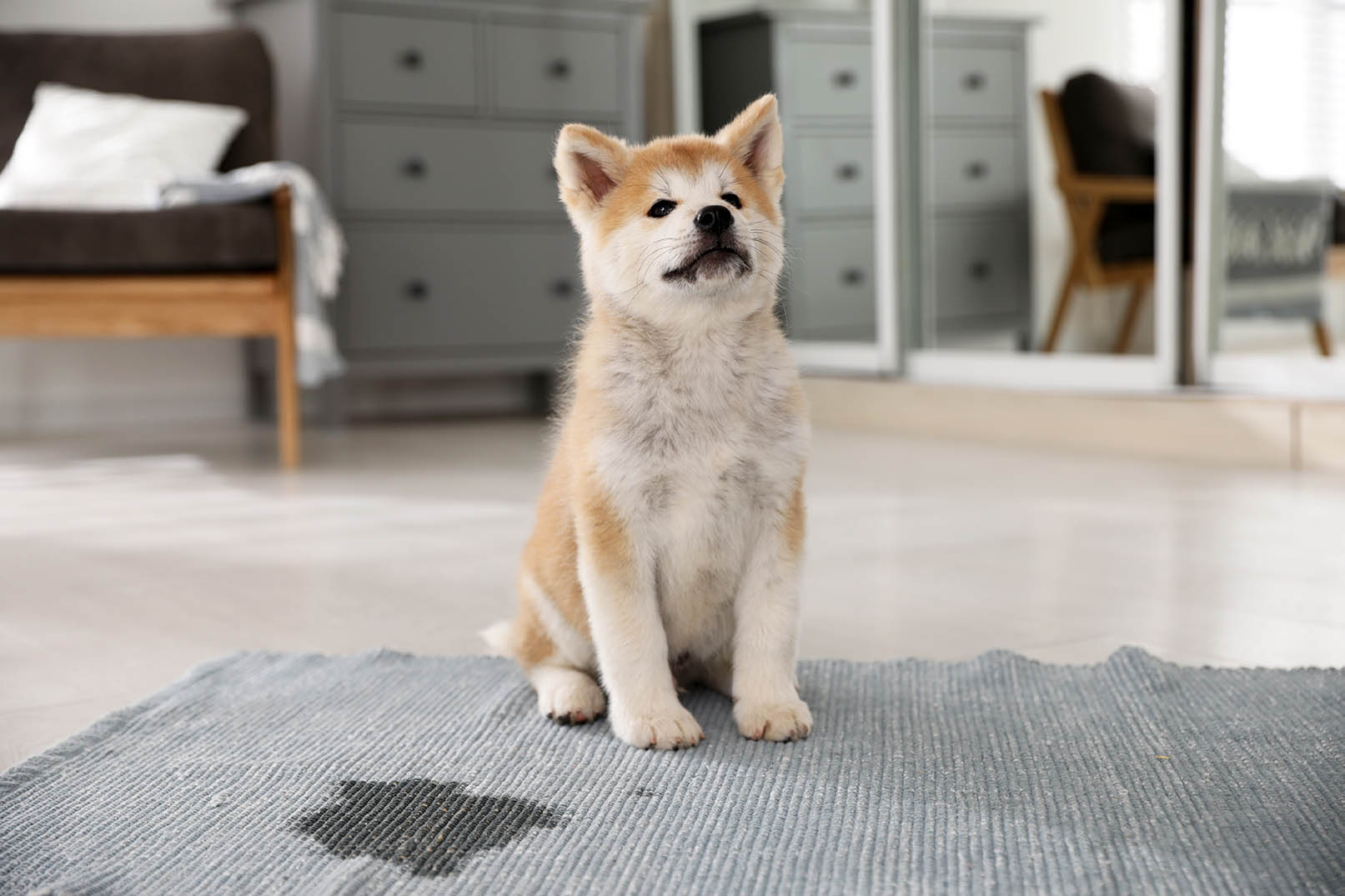
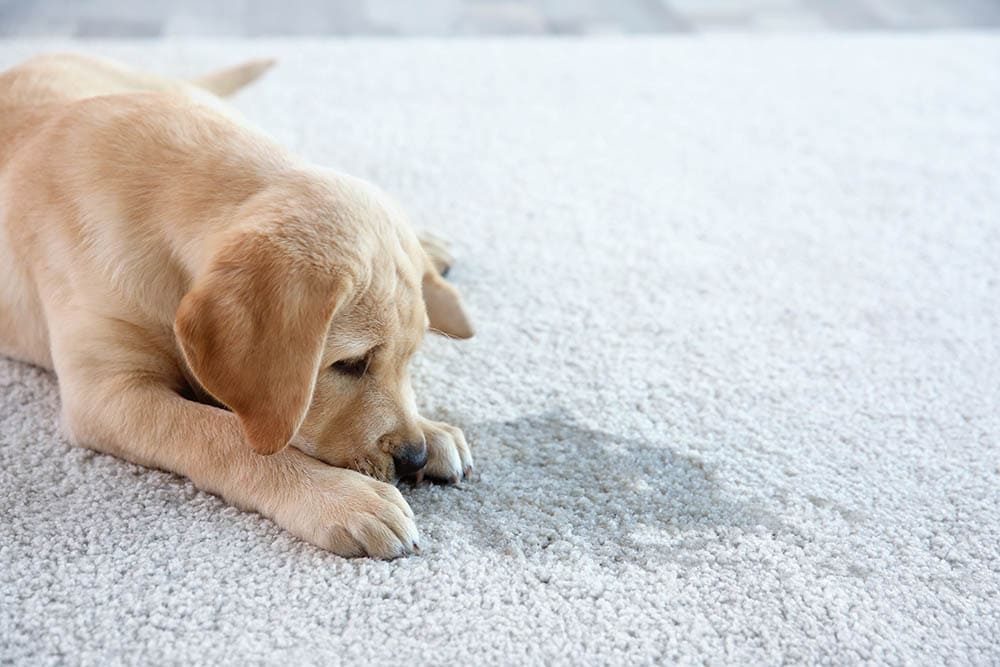
As cute as they are, puppies are the biggest cause of puddles around the home. There are a few reasons for this. Not only are their bladders less developed than those of adult dogs, but they’re also smaller.
Your new puppy won’t yet know that they’re not supposed to pee on your new carpet, and it is up to you to teach them otherwise. While they’ll learn bladder control as they grow and gradually pee less frequently, you’ll still need to teach them to pee where they're supposed to.
Related Read: How to Train Your Dog to Use Potty-Pads: 6 Easy Steps
If you're tired of all the smells and stains that come with pet parenting, you should check out the Hepper Advanced Bio-Enzyme Pet Stain & Odor Eliminator Spray. Okay, it's our product, so we may be biased – but we love it so much, we just have to share it! It permanently removes even the very worst smells and stains, and we offer a 100% satisfaction guarantee.

- ADVANCED ENZYMATIC CLEANER - Penetrates the most stubborn smells and stains at the deepest molecular levels to dissolve any pet mess you encounter and lift it away at the source.
- FOR ANY MESS, ON ANY SURFACE - This pet odor eliminator cleans your carpets, floors, furniture, fabrics, and more. Whether it's urine, feces, vomit, or drool, you can erase all foul spots and smells!
- FRESH, NATURAL ODOR - Our unique formulation doesn't rely on dangerous or unpleasant chemical fragrances to get the job done. We eradicate smells and stains, not just cover them up.
10. Territory
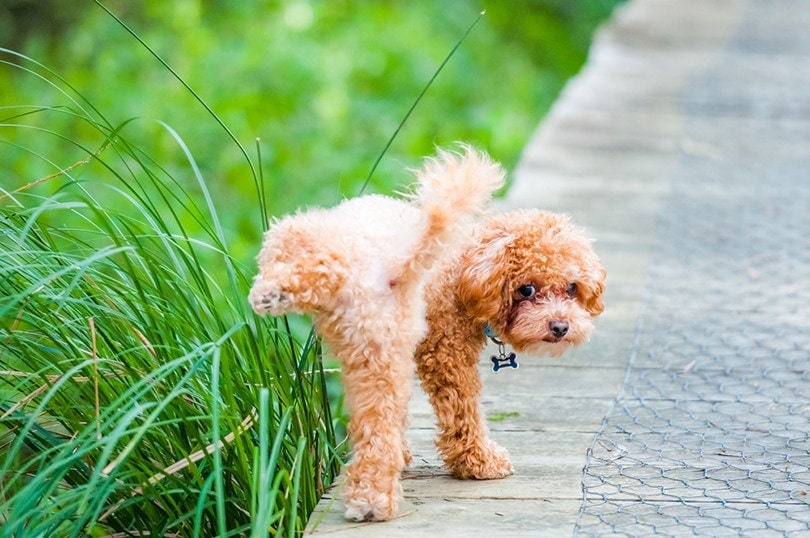
Marking territory is one of the reasons that intact dogs pee more than those that are neutered or spayed. Urine is how both male and female dogs announce their presence and claim their territory. Signs and fences hold little meaning to them, after all.
Female dogs will also use the pheromones contained in their urine to let intact males know they are in heat. It is their way of showing their availability for mating.
Also, if your dog smells another canine encroaching on their usual walking route or even just passing by the yard, they’ll mark their territory to make their presence known. Usually, this behavior can be corrected by spaying or neutering your dog.
11. Urinary Tract Infection (UTI)
UTIs encompass the entirety of your dog’s urinary tract. They have many of the same symptoms of bladder infections without being as limited in their location.
UTIs can be chronic or acute and affect the bladder, kidneys, prostate, and urethra. Regardless of the location of your dog’s UTI, they can all cause increased urination or pee-related accidents.
Most acute UTIs can be cured with medication, while chronic infections can return more often.

How Do You Know if Your Dog Has a Health Issue?
While some causes of frequent urination are benign, like marking territory, there are a few underlying causes of urination that require a more serious approach. Both UTIs and diabetes can require medication to treat properly.
Underlying health issues can present in a few ways:

Conclusion
Urinating is a natural part of any creature’s bodily processes, but there are times when too many trips outside to pee can be concerning. Your dog can pee frequently for several reasons.
Both intact male and female canines will frequently use urine to mark their territory or announce their presence. This is just part of a dog’s instincts and can be curbed by spaying or neutering. More serious reasons for frequent or inappropriate urination involve diseases like diabetes which should be diagnosed by a veterinarian.
Related Reads:
Featured Image Credit: Africa Studio, Shutterstock
Get Hepper In Your Inbox


Pet care tips from our vets and experts, straight to your inbox.
You may opt-out at any time. View our Privacy Policy for more information.
Nicole is a lover of animals of all sizes but is especially fascinated with the feline variety. She’s the proud mom of Baby, a Burmese, and works every day so he can relax in the sunshine or by the fire. She’s always had a cat in her home and has spent countless days with others, observing behaviors and softening up even the grouchiest of the lot. Nicole wants to share her kitty expertise with you so you and your cat can live happy, healthy, and care-free.
Join the conversation
Ask a question, share your story, or send private feedback.