Hepper is reader-supported. When you buy via links on our site, we may earn an affiliate commission at no cost to you. Learn more.
Dog Urine Color Chart: Is Your Pup Hydrated? Vet Approved Facts & Advice


In this article
There are certain health issues you can identify in your dog by their behaviors, mannerisms, or by their bathroom visits. Due to the high amount of water that is present in an animal’s body, they need to consume a fair amount of it daily. This is why it's very important to ensure your dog always has clean, fresh water for them to drink. When your dog is not feeling well or seems to be showing other signs of illness, you can sometimes see where the problem lies in their urine—one being whether they are dehydrated. Keep reading to learn what a healthy color of urine is for a dog.

What Color Is a Dehydrated Dog’s Urine?
Like humans, the more water there is present in our bodies, the clearer our urine will be when we visit the bathroom. When urine is dark in color, it often means that it is very highly concentrated, which is a sign that you are not getting enough water in your body and throughout your organs. With dogs, it is very similar.
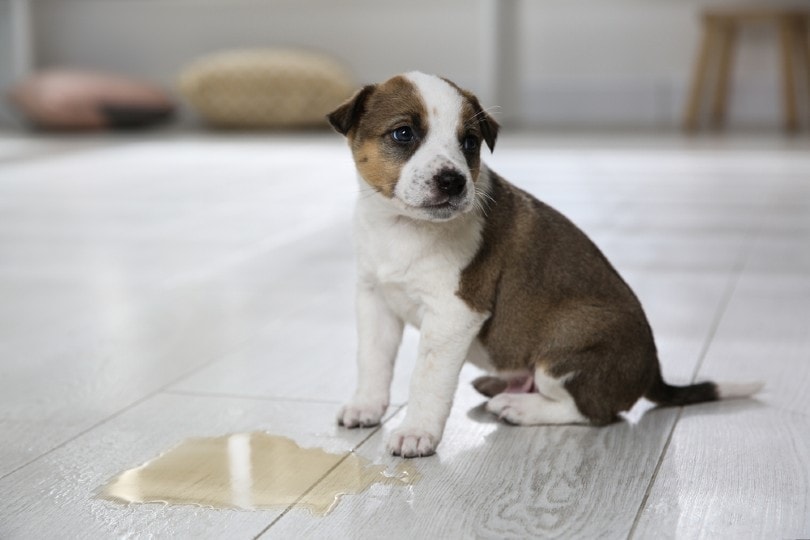
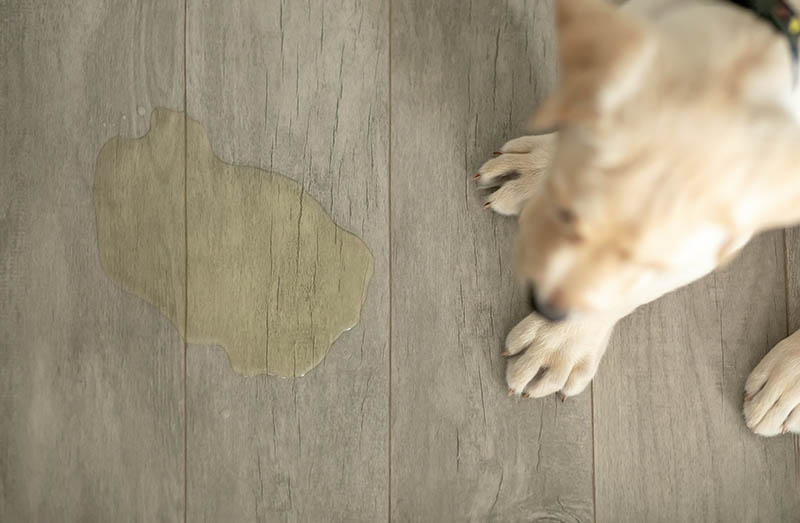
Your dog’s urine should be an almost clear, light yellow color. If you notice dark urine coming from your dog, this could mean there isn’t enough water filtering through their body, but it could be a sign of something else. The following table shows the many shades of urine, and what they might mean for your dog.
Dog Urine Color Chart
| Color | Normal/Abnormal | What Does It Mean? |
| Clear | Normal or abnormal | The urine is very dilute. This could mean that your dog drank a lot of water. However, it could also mean that your dog is not concentrating their urine properly, which can be a sign of kidney problems. |
| Light yellow or amber | Normal | This is the normal color of urine in a hydrated dog. |
| Dark yellow | Abnormal | Your dog may be dehydrated or have an infection. |
| Very dark or extremely bright yellow, brown, orange, or green | Abnormal | This could indicate the presence of bilirubin, which could indicate an issue with the liver, gallbladder, pancreas, etc. or a disease process causing destruction of red blood cells (hemolysis) |
| Pink, red, or reddish-brown | Abnormal | Blood may be present in the urine which could be a problem like kidney or bladder stones, trauma, infection, tumor or a clotting disorder, etc. This can also happen after your dog has eaten beetroot! |
| Brown | Abnormal | A sign that something is seriously wrong. A common cause is toxin ingestion, snake bite or severe dehydration. |
| Opaque | Abnormal | May be due to large amount of white blood cells (infection or inflammation) or crystals |

What Else Can The Urine Tell Us?
Another sign that there is a problem with your dog’s urine is the smell - really strong or foul-smelling urine can be a sign of dehydration, infection, or other metabolic problems. Dogs with diabetes can sometimes develop a sweet smell to their urine, whilst those with severe kidney problems will also develop a unique odor.
Dogs that are frequently trying to urinate may be experiencing inflammation or infection. If a dog is producing no urine at all, this may be a sign of extreme dehydration or kidney failure.
What Causes Dehydration in Dogs?
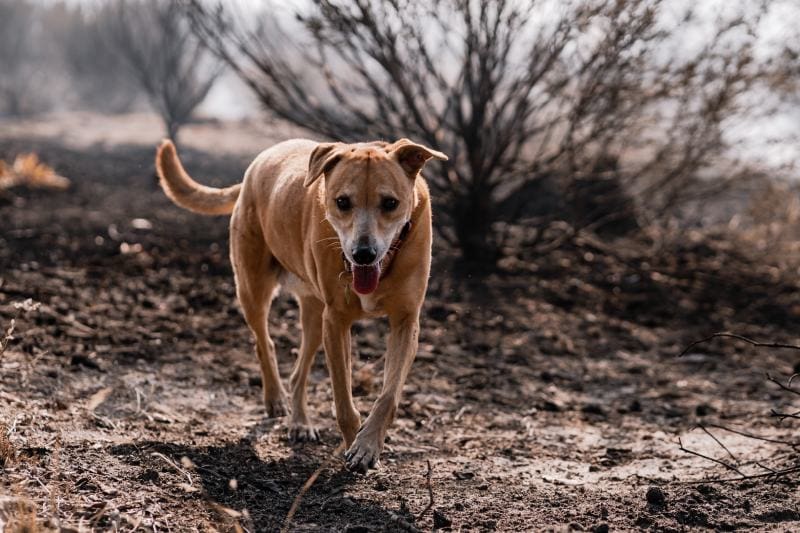
Dogs can become dehydrated for several reasons. This can be anything as simple as not drinking enough, to losing too much water from panting or through their urine. Dogs can become dehydrated even if they drink lots of water if their kidneys are not concentrating their urine properly, or urinating more than the body can keep up with.
This can happen with conditions such as renal (kidney) disease, diabetes or Cushing’s disease. Dogs with these conditions will develop polyuria (excessive urination) and polydipsia (excessive drinking).
When animals lose more water than they are taking in, this is what causes dehydration. When an animal is dehydrated, the blood becomes thicker, making it harder to transport oxygen around the body, which is why the signs of dehydration are often sluggish movements, lethargy and panting.
If your dog remains dehydrated for too long, they can suffer organ damage, which could be permanent, even fatal.
How Much Water Should a Dog Drink?
There is no single answer to this question, as the amount of water a dog should consume will vary between individuals. As a very basic guide, dogs should be taking in somewhere between 20-40ml per pound per day.
For example, a healthy 20 lb dog on a normal day, should take in around 600 ml of water in a day, and put out around half that in urine.
However, this amount will depend on several factors:
Diet
Whether they eat dry kibble, wet food, or a combination of both - dogs that eat mostly dry food will consume water at the upper end of the normal range, whilst dogs eating wet food will drink significantly less, and may rarely visit the water bowl.
The sodium content of their food - food that is higher in sodium (salt) will stimulate increased thirst.
Environmental factors
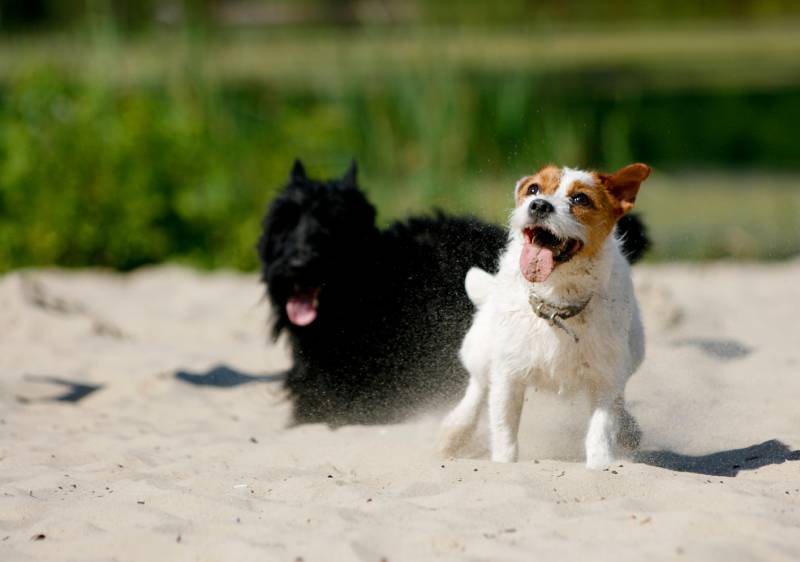
Hot, dry, and windy conditions will increase the amount of water your dog drinks. This is a normal way for them to avoid dehydration.
Behavioral factors
Some dogs can become a bit “obsessed” with water, a syndrome referred to as psychogenic polydipsia. Because there is no physiological cause for their excessive drinking, this is a tough condition to actually diagnose or prove, and there is minimal scientific evidence to support it. However, dogs that show signs of polydipsia which have been proven to have no physiological, neurological, or dietary reasons for it, are often categorized this way.
How to Treat Dehydration in Dogs
This depends on the reason for the dehydration. In simple cases where dogs have just become too hot or not consumed enough water, the solution is as straightforward as providing them with fresh, clean water. See the tips below to improve your dog’s water intake.
In the more complex cases, the treatment for dehydration may include:
- Replacing fluids with intravenous fluid therapy - the type of fluid that is given IV has exactly the right balance of electrolytes to more rapidly replenish fluid in the cells of the body
- Treating any underlying condition that has caused the dehydration. This will usually involve performing tests (blood tests, x-rays, ultrasound) to see if there is an underlying cause for the dehydration
How to Avoid Dehydration
1. Make sure they are drinking
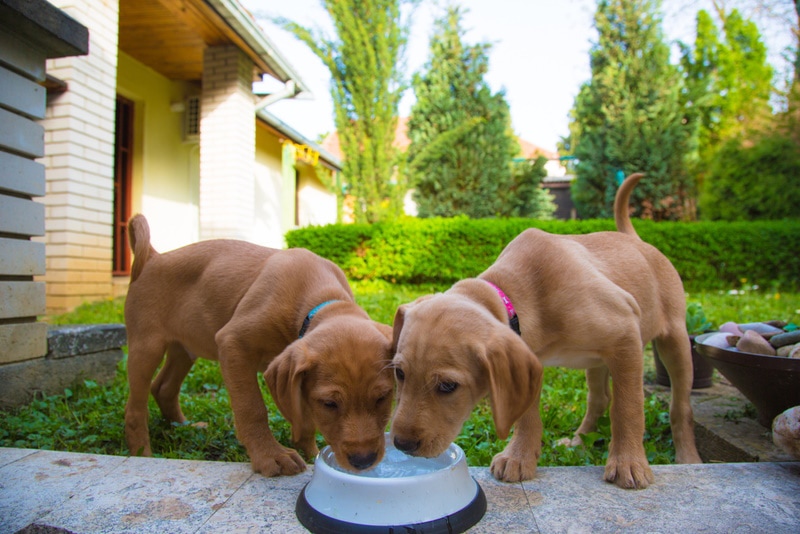
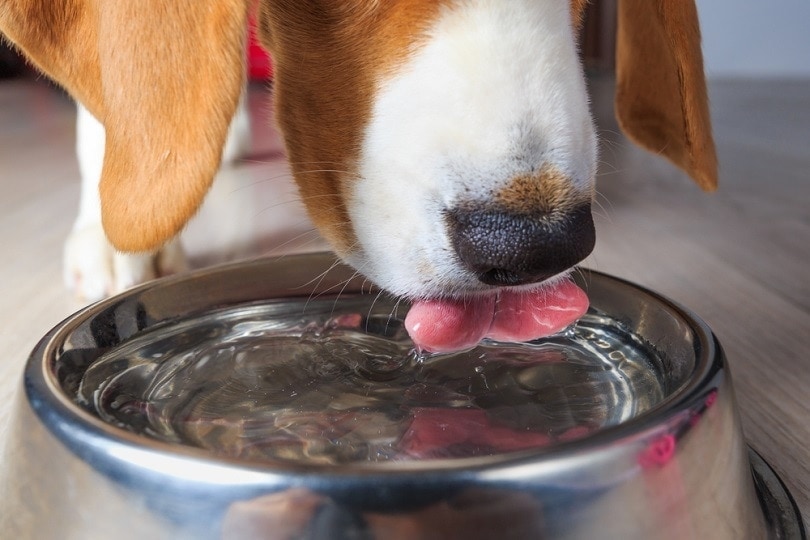
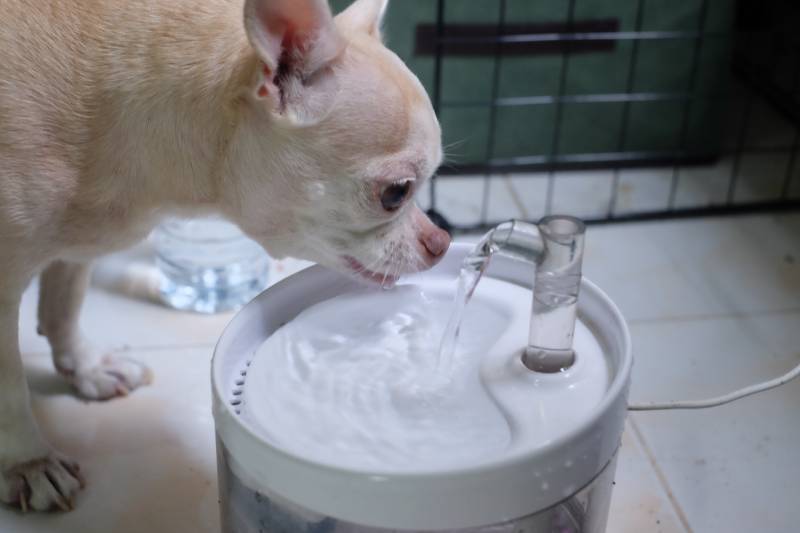
Dogs are particularly attracted to cool (but not refrigerator-cold) water, and moving water. If you have a dog that doesn’t seem to drink much, consider getting a pet drinking fountain. Make sure it's a pet drinking fountain, not just a water feature, because some fountains intended for decoration may contain paint/stain/chemicals that could be harmful.
The type of water bowl can be a huge factor for dogs.
- Plastic bowls often get warm and smelly quickly.
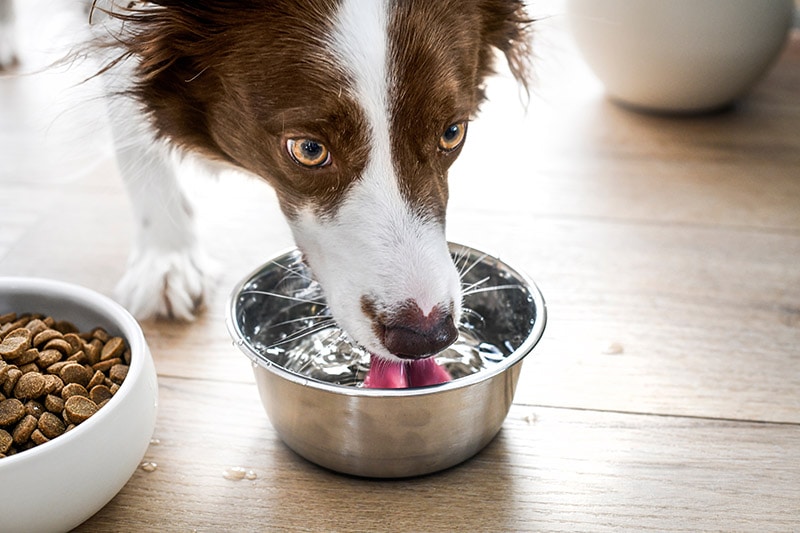
- Stainless steel bowls are great for being antibacterial and keeping water cool, unless they’re out in the sun, but some dogs can get put off by the sound they make when their collar hits them or they move on the ground.
- Ceramic bowls are great because they keep the water cool, don’t tip over easily, and don’t make “scary sounds”. They can be heavy though, so factor that in if you are looking for a water bowl for your large dog!
2. Ensure they have somewhere cool and shaded to take shelter in warm weather
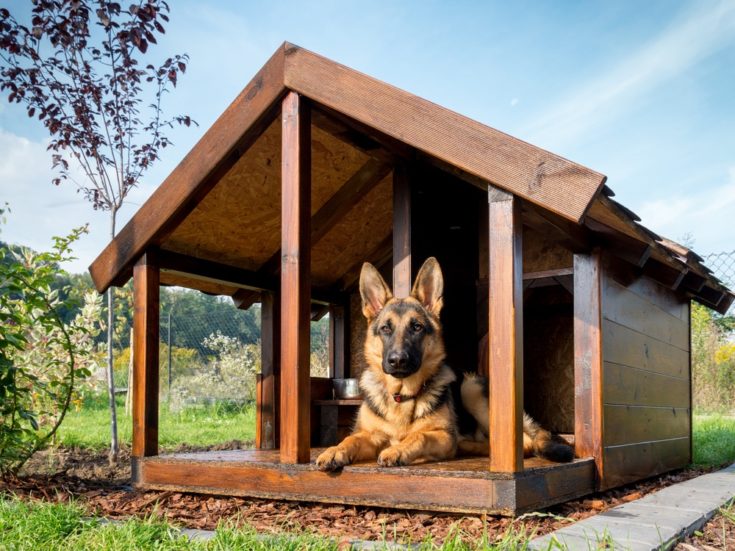
Some dogs are not the best at staying out of the sun, so if you have a little sun-worshipper, you might need to force them to get some shade. Also make sure that their water bowl is kept in a shaded area; no one likes drinking tepid water.
3. Keep an eye on how much they are drinking and urinating - know what is normal
You tend to have an idea of how much your dog normally drinks and pees, so if you notice any changes, it’s a good idea to start measuring how much they drink. Measure how much water you put in their bowl in a day, and measure how much is left.
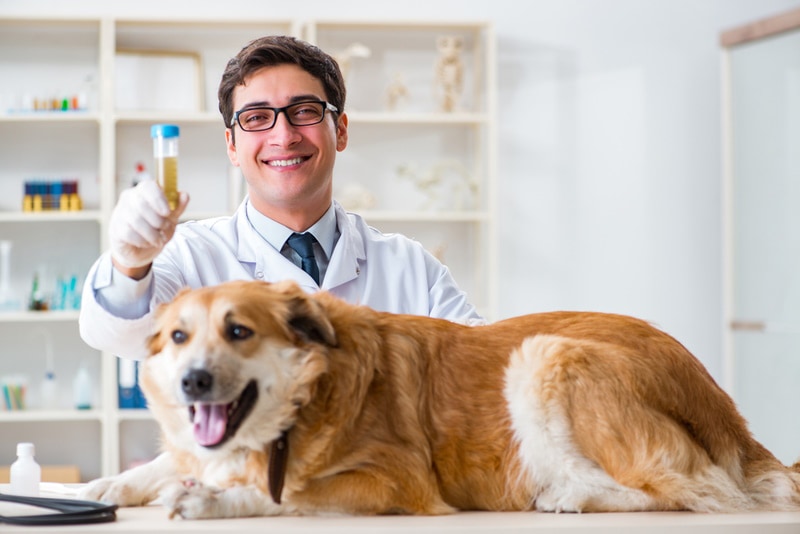
If you notice any changes in your dog’s urine, try to get a sample to bring to the vet. The easiest way to do this is to use a clean, dry, shallow container that you can place under the urine stream - we recommend wearing gloves for this! You don’t need gallons, around 5 ml is plenty. Carefully transfer the sample into a clean, dry pot and pop it in the fridge until your appointment.
Summary
Urine can tell us a lot about the health of our pets, so knowing what is normal for your dog is an important first step. Changes in the colour, volume, frequency or smell of their pee can be a sign of anything from mild dehydration to serious illness. If you're worried that your dog might be dehydrated, or that they don’t drink enough water, try the tips above, and always make sure they have a ready supply of clean, fresh water.
If you see any other changes in their urine or drinking habits, get in touch with your vet; if there is a health reason for the change, early diagnosis and treatment can make a huge difference!
Featured Image Credit: Nata Runa, Shutterstock
Get Hepper In Your Inbox


Pet care tips from our vets and experts, straight to your inbox.
You may opt-out at any time. View our Privacy Policy for more information.
Hey there! My name is Krystal, and I am a freelance writer, editor, and content creator. With a passion for words and a background in English, I have expanded my skills in SEO, creative writing, blog posts, and more. I am a two-time cat mom, an all-around animal lover, a nerd for crafts and DIY, and a budding plant enthusiast.
Join the conversation
Ask a question, share your story, or send private feedback.