Hepper is reader-supported. When you buy via links on our site, we may earn an affiliate commission at no cost to you. Learn more.
Why Is Your Cat Trying to Climb the Walls? 8 Wild Reasons
In this article
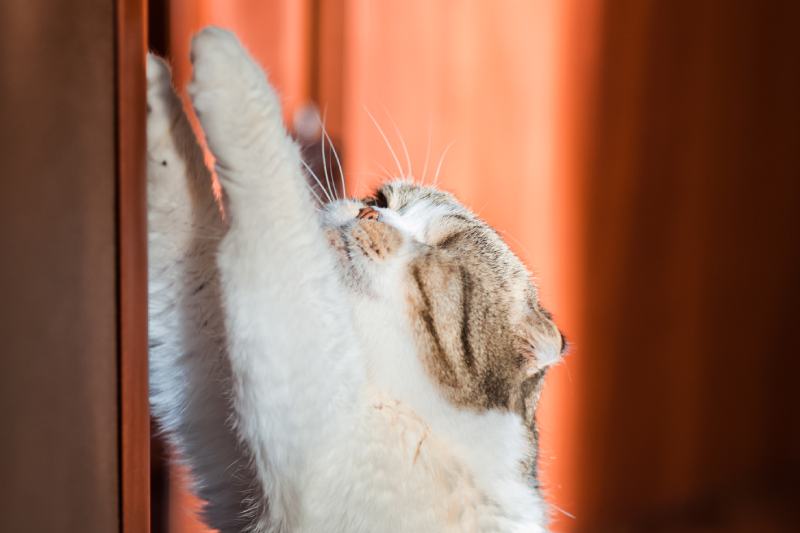
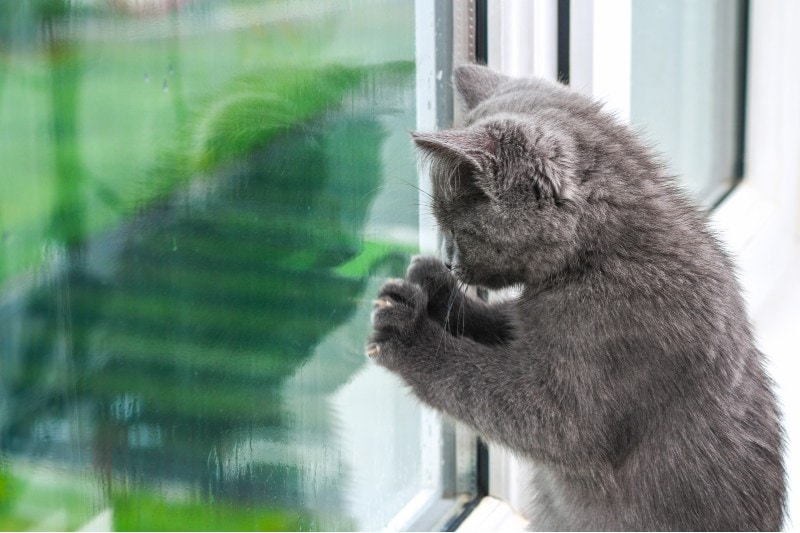
If you have a cat, chances are you’ve experienced the frustration of watching it try to climb your walls. Believe it or not, it's quite a normal behavior for cats, but it can be incredibly destructive and lead to a lot of stress for pet owners.
Fortunately, there are a few things you can do to stop your cat from trying to scale the walls of your home. In this piece, we will take a look at 10 reasons why your cat might be trying to climb the walls and how you can prevent it. From understanding your cat’s needs to making sure you give it plenty of exercise, you can keep your cat from ruining your walls and your sanity. Read on to find out how!

The 8 Wild Reasons Your Cat is Trying to Climb the Walls
1. Cats’ Natural Instincts to Climb
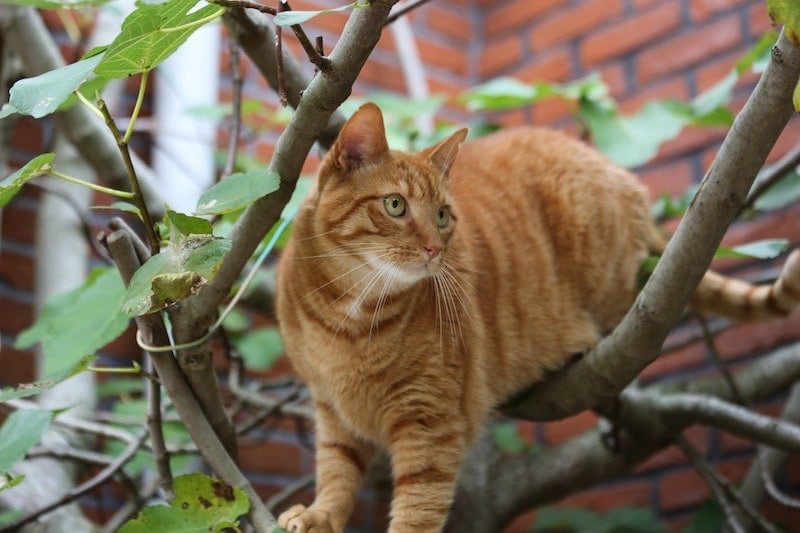
Cats are natural climbers and hunters. They’re used to climbing trees and scaling cliffs to catch their prey. While they’re domesticated now, their instincts are still very much there. Climbing is a great way to activate those instincts. Climbing can give your cat a sense of security and comfort. It can also help it work out any pent-up energy it has (kind of like with young children).
Cats climbing the walls can be annoying, but it’s important to remember they’re doing it because they want to. And they’ll stop when they’re ready. For some cats, climbing is a compulsion. This is like an obsessive-compulsive disorder (aka "OCD") in humans. Cats that have this compulsion will do it even if it’s not pleasurable or if it’s causing them pain. In these cases, medications can be helpful.
2. Lack of Stimulation
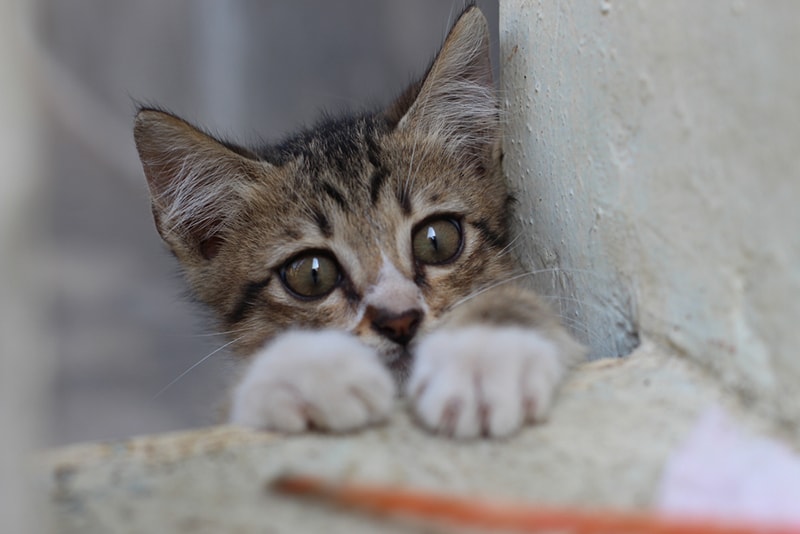
Cats are curious creatures and need stimulation to keep their brains active. Without stimulation, they can begin to get bored and frustrated, just like humans. This can lead to a cat that tries to climb the walls and claw your furniture. If you’re away from home for long periods, it’s important to keep your cat busy. You can do this by providing toys for your cat. But it’s not just toys that your cat can play with; it’s also toys that your cat can work for.
Scratching posts and cat trees (even if they're homemade) are great examples. You can also rotate your cat’s toys to keep them from wearing out too fast. If you leave your cat alone for long periods, it’s a good idea to get it a toy or task.
You can also provide your cat with puzzle feeders, cardboard boxes, and other toys and activities to stimulate its mind. Playing with your cat regularly can also help. Playing with your cat will help it feel less lonely and give it a chance to use its mental and physical energy.
3. Too Much Energy
Most felines need a certain amount of energy to be healthy and happy. But if your cat has too much energy, it can lead to it climbing the walls. There are a few ways you can reduce your cat’s energy level. To start with, you can give your cat more regular mealtimes.
This will encourage your cat to be more regular and relaxed throughout the day. It’ll also give you a better idea of when your cat needs to eat. You can also give your cat more space. This can help it feel less cramped, which can reduce its energy level. Try giving your cat more toys to play with, which will help it burn off energy.

4. Boredom and Loneliness
Boredom and loneliness can lead to your cat trying to climb the walls. The good news is that there are lots of ways you can avoid this problem. You may also want to consider setting up a playroom for your cat. Try to stock the room with fun toys for your cat to play with and climbable objects for it to scratch. This way, your cat will have its own little dedicated space to be itself and keep busy.
If your cat seems bored, anxious, or lonely, try giving it more attention. You can also consider getting a second cat. Having a friend will help your cat feel less lonely and will take its mind off of boredom. It’ll also help your cat have something else to focus on.
5. Lack of Activity and Exercise
A cat that doesn’t get enough exercise will often try to climb the walls. Regular exercise is important for all cats. It keeps them healthy and helps them feel less bored. You can help your cat get regular exercise by giving it more space to move and play. Even letting it roam the backyard (as long as there's a fence) or garden can be super helpful. This can help your cat stay active. Again, giving your cat toys to play with will help your cat stay active and reduce the amount of energy it has.
6. Stress or Anxiety
Stress and anxiety can often lead to a cat trying to climb the walls. This is especially true if your cat has experienced any type of trauma or has reason to be anxious at certain times of the day. You can reduce your cat’s stress by giving it more space to move around, more regular meals, and more affection. If you’re unsure as to why your cat is trying to climb the walls, it might also be helpful to speak to a vet. They can check your cat’s health and see if there are any underlying health issues that might be causing it to climb.
7. Not Enough Vertical Space
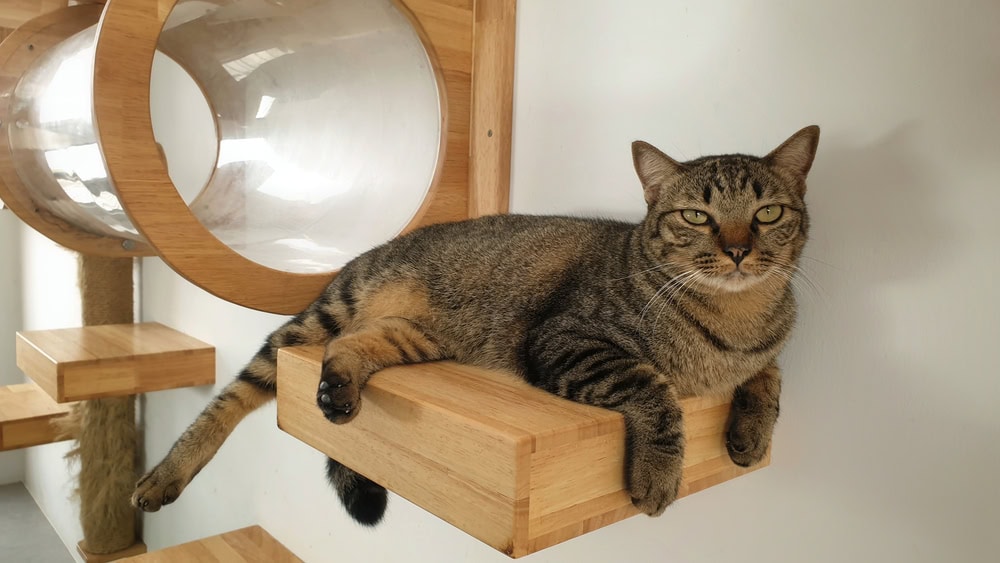
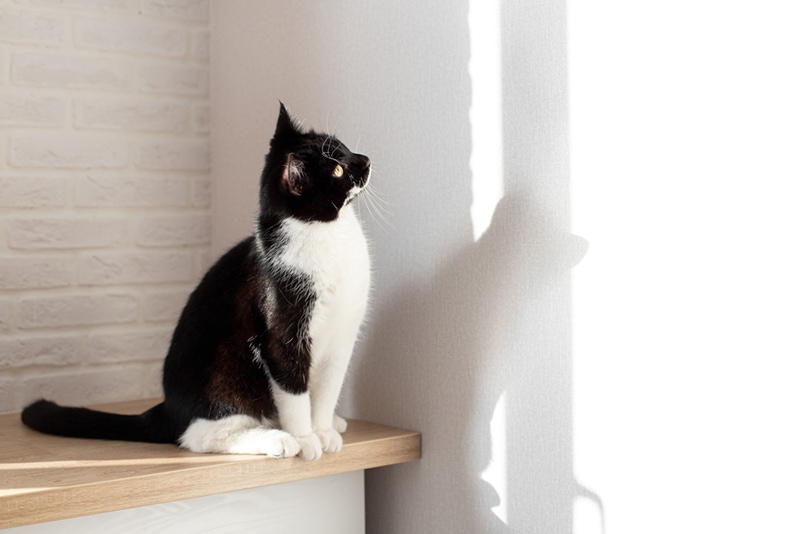
Cats like to have access to high places. This is because they’re natural predators and have an instinct to be above their prey. If your cat doesn’t have enough access to high places, it can begin to feel stressed out. This can lead to it trying to climb the walls. To help your cat feel more relaxed, try giving it more high-rise areas to climb. You can do this by buying a cat tree.
You can also get your cat a hammock. If you don’t want to buy anything, you can create your own high-rise areas. You can do this by placing a table or chair in a high-rise area. Don't be afraid to get creative with building spaces for your cat to climb within your home – it'll be worth it if it means your cat doesn't tear up your walls when you're at work.
8. Poor Litter Box Hygiene
A smelly litter box can be a real source of stress for your cat. If your cat’s litter box hygiene is poor, it can cause your cat to try to climb the walls. This is because a dirty litter box can be really unhygienic. Your cat may avoid the litter box and it can also cause your cat to get sick.
To avoid this, you make sure you change the litter in your cat’s litter box regularly. This should be done once a week at least. Doing this will help keep your cat’s litter box clean and prevent it from smelling like a sewer in your home. A clean litter box will help keep your cat calm and happy.
Top 3 Fun & Creative DIY Cat Toys You Can Make at Home on a Budget
Keeping your feline friend entertained doesn’t have to be expensive or difficult. With a few simple household items, you can craft fun and creative DIY cat toys that will keep your kitty entertained and help them stay active. So, whether you’re looking for a way to keep your cat entertained during quarantine or just looking for a fun activity to do with your cat, these 5 simple DIY cat toys are sure to make your feline friend’s playtime more fun.
What You May Need:
1. DIY Catnip-Stuffed Sock Balls by WikiHow
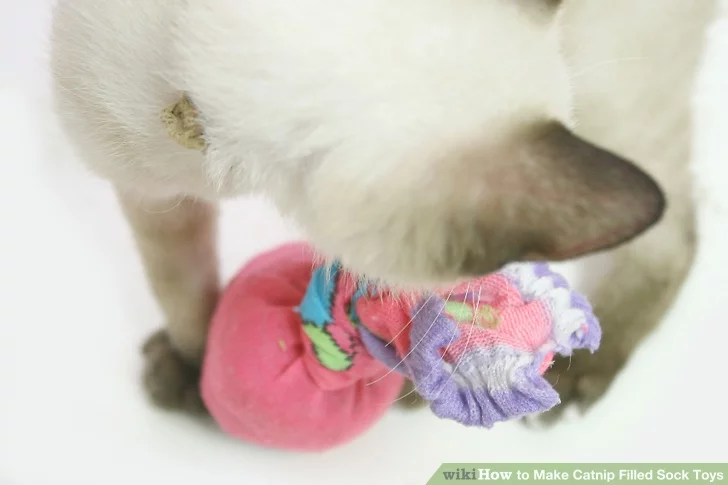
These simple yet effective cat toys can be made with just a few household items. And you can use any old socks you may have lying around. First, stuff the sock balls with a couple of tablespoons of catnip. You can also use shredded paper for a similar feel.
Then, tie the two ends of the socks together to create a secure and sturdy cat toy. These are great for kittens and more active cats as they’re easy to toss and will bring hours of entertainment. Because you’re using socks, these catnip-stuffed sock balls are easy to wash and reuse.
2. DIY Cat Tunnel by NoLi
If you have a particularly playful and energetic cat, a cat tunnel may be the perfect DIY cat toy for them. This is an easy and affordable project that can be completed in an afternoon and will provide hours of entertainment for your cat. You can purchase any kind of fabric, but a durable fabric like fleece will be easiest to clean and last the longest.
As for the dimensions, the width of the fabric will depend on how big your cat is and how many you want to fit in the tunnel at once. The length of the fabric should be long enough to place the tunnel behind a couch or other furniture piece. You can also use cardboard boxes to form the tunnel’s structure, and then just wrap the fabric around it.
3. DIY Scratching Post by The Craft Chronicles
Cats love to scratch, and cats that are kept indoors need a way to relieve their natural scratching instincts. This is a great DIY cat toy for a feline friend that’s kept indoors. You can purchase a premade scratching post, or you can create one yourself with a wooden 2x4 (you can buy these from stores like Home Depot/Lowes). Once you have the 2x4, simply wrap it in yarn or rope. You can also use scissors to give it some scratching starting points. This will provide your kitty with a place to sharpen their claws and give them a good workout.
Conclusion
If your cat is trying to climb the walls, it’s important to try to figure out why it’s happening. Once you know why, you can work to fix it. To start with, you can give your cat more space or more room to walk around and by rotating the furniture in your home.
You can also give your cat more to do. This will help it stay active and help it use up some of its pent-up energy. To stop your cat from climbing the walls, you need to work on all of these things. This can be a lot of work, but it’ll be worth it when you’re able to relax and enjoy your home without having to worry about your cat destroying it.
Sources
https://www.becomeaprofessionaldogtrainer.com/articles/training-behavior/cat-climbing-walls/
https://www.petplace.com/article/cats/pet-behavior-training/why-is-cat-climbing-walls
http://www.catbehaviourist.com/blog/importance-climbing-indoor-cats/
https://catbehaviorassociates.com/why-your-cat-needs-to-climb/
Featured Image Credit: zossia, Shutterstock
Get Hepper In Your Inbox


Pet care tips from our vets and experts, straight to your inbox.
You may opt-out at any time. View our Privacy Policy for more information.

Nicole is a lover of animals of all sizes but is especially fascinated with the feline variety. She’s the proud mom of Baby, a Burmese, and works every day so he can relax in the sunshine or by the fire. She’s always had a cat in her home and has spent countless days with others, observing behaviors and softening up even the grouchiest of the lot. Nicole wants to share her kitty expertise with you so you and your cat can live happy, healthy, and care-free.
Join the conversation
Ask a question, share your story, or send private feedback.