Hepper is reader-supported. When you buy via links on our site, we may earn an affiliate commission at no cost to you. Learn more.
Why Did my Betta Fish Die? 10 Common Vet-Approved Reasons


In this article
It can be disheartening to find out your betta fish has died, especially when you do not know why. Finding the cause of death can bring closure and peace to the situation.
Fortunately, in some cases, you may be able to determine why your fish died. There are a lot of common mistakes that can cause them to pass. Betta fish can live an average of 3 to 5 years. With advancements in fish care, it is not uncommon for well-cared-for bettas to live beyond 5 years in some cases.
It’s always heartbreaking to see a beloved pet pass away, and understanding the circumstances behind their demise can be tricky. We have compiled a list of possible reasons your Betta might’ve passed away.

The 10 Common Reasons Your Betta Fish Passed Away
Generally speaking, your Betta’s potential lifespan depends on a few factors:
Factors That Determine a Betta's Lifespan
Death occurs either naturally or from a complication of an ailment or disease (or several concurrent diseases). In some cases, your Betta may pass expectedly as well, as some illnesses show very little external signs or progress too rapidly (you may, unfortunately, wake up to the heartbreak of a deceased pet).
Below, we discuss some of the reasons your Betta may have died.
1. Poisoning In An Uncycled Aquarium (Ammonia, Nitrite, and Nitrate Poisoning)
Before you even get a betta, you should first cycle the tank to get a good establishment of beneficial bacteria. This process is known as the nitrogen cycle and is an important first step for all new aquariums. Cycling a tank can take anywhere between 4 to 8 weeks. The process ensures that toxic levels of ammonia and nitrite are quickly turned into nitrate which is non-toxic to fish and invertebrates at low levels. Without the water parameters being at 0 ppm ammonia and nitrite, your fish can suffer from the build-up of toxins. This is the most common cause for new fish to die. It is also known as “new tank syndrome”.
Ammonia poisoning: The fish sustains red or black streaks and black or red patches along the body. You may notice lethargy, loss of appetite, and clamped fins. Secondary infections can occur from the toxin burning through the slime coat. Ammonia levels should never exceed 0 ppm (parts per million).
Nitrite poisoning: Commonly causes brown blood disease. Signs include brown gills, listlessness, gasping at the surface, and sudden death. White or opal bettas may develop visible brown patches. Nitrate toxicosis turns the fish's blood brown from an increase in methemoglobin and renders the blood unable to carry oxygen throughout the body. Levels should never exceed 0 ppm.
Nitrate poisoning: A curved body with weight loss, loss of appetite, clamped fins and red streaks are all common signs of excess nitrate levels in the water. A heavily planted tank and weekly water changes should never exceed 25 ppm.
Tip: Use a liquid testing kit to help determine the levels of toxins in the water!
2. Incorrect Housing
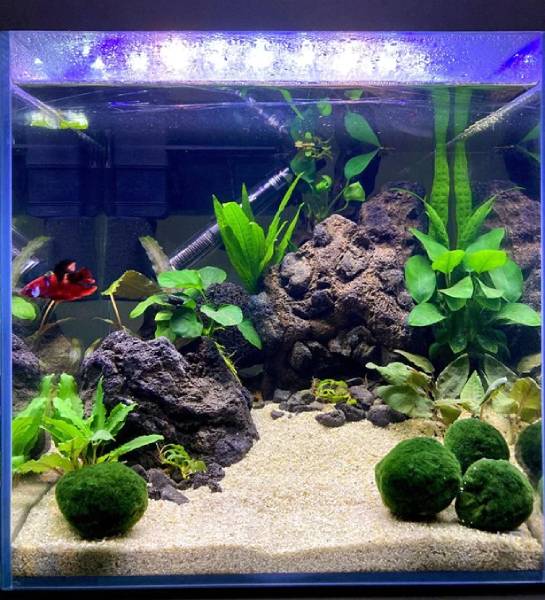
It is common for new hobbyists to throw a betta fish in a bowl or vase and assume that the fish will be happy, only to find them wasting away in their bowl and displaying no activity other than pacing. Small bodies of water cause toxins to build up quickly in the water, which will ultimately hurt your fish. These small spaces also cause immense stress to the Betta. Stress can bring on an abundance of illnesses and generally shorten your betta's lifespan by years. It is not uncommon for a betta to suddenly die when they are in poor housing situations.
Bettas require an aquarium that’s at least 5 gallons in size. They also require the space to be heated and filtered and require enrichment in the form of plants, safe ornaments, and ideally, a nest anchor as well (for males). A heater should always be running in the tank. The temperature setting on the heater should be at around 28 °C (82.4 °F).
Bettas are naturally inquisitive respond well to have new items placed in their aquarium and enjoy exploring their environment frequently.
3. Genetics
Since most Betta owners purchase their pets from pet stores, the fish are bound to have issues connected to their poor breeding. Pet stores get their stock from mass fish breeding farms where the Bettas are unfortunately bred for quantity and not quality. Inbreeding and uncontrolled pairings are not unheard of.
Poor genetics can cause your Betta to have a shorter potential lifespan and can cause them to perish with absolutely no signs of illness. At other times, they often succumb to inherited issues. For example, at times Bettas develop tumors and die from complications associated with the tumor.
4. Old Age
Unfortunately, the average lifespan of Bettas is only around 3-5 years, and there isn’t much owners can do to combat the natural aging process. That being said, Bettas that pass from old age don’t die suddenly, their demise is somewhat gradual and is usually associated with signs like lower levels of activity, possible color changes, and extended periods of resting.
Unfortunately, as a Betta starts displaying signs of their age (3–5 years) then they typically only have a few months left (on average). At times, some owners realize that their betta was displaying old age behavior after they have already passed.
5. Disease Complications
Like many pets, Bettas are prone to disease. In most cases, these diseases are a result of being housed in a poor environment, being fed an inappropriate diet, or not keeping up with regular aquarium maintenance and water changes. The prognosis of a disease depends on a wide variety of factors (including how fast you intervene and make effective long term changes). However, it’s important to note that many diseases can shorten a Betta’s life or in a worst case scenario, can lead to the death of a beloved pet.
8. Medication Misuse
Most aquatic medications are designed to address an ailment or certain ailments (in the case of broad-spectrum medications). These medications usually come with an appropriate dosing guideline on the box.
Though well intended, these medications can prove detrimental to your Betta in the following ways:
9. Chlorine Burn
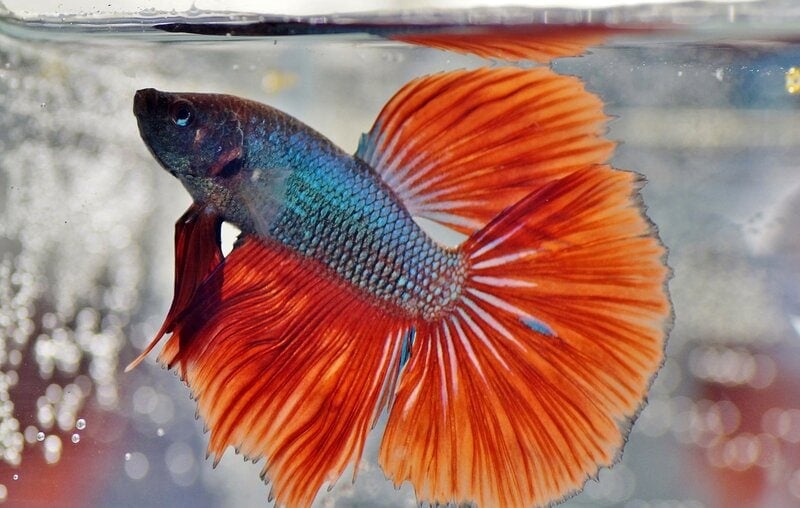
All water needs to be treated by a high-quality water conditioner before being added to your Betta's aquarium. The amount of chlorine and chloramine present in water generally depends on the water source and how it's been treated. Regardless, any water you use for your Betta should be conditioned. When you do water changes, the new water should also be conditioned prior to being added into your Betta's aquarium. Chlorine burns appear as black, pale, or red patches. They can lead to other ailments or infections.
10. Injuries
Sharp decorations and inappropriate fake plants or ornaments are major causes of Betta fish injuries. These materials tear your betta's fins which can cause an infection that can be life-threatening if left untreated. Your Betta can also sustain injuries from tank mates like other bettas, fin-nipping fish, and other unsuitable tank mates. Your Betta can indirectly perish from the infections that developed along the injured site.
At other times, Bettas may injure themselves inadvertently by jumping out of an aquarium. If left to dry out, they will perish. However, even if they are quickly placed back in the aquarium, the impact of the jump and landing on a floor can sometimes cause injuries.

Attaining Closure Through a Post-Mortem
Though the information above might provide a cue as to why your Betta passed away, at times, the signs might be too vague or unclear. If you do wish to acquire proper closure, it is advised to contact a veterinary pathologist. At times, your veterinarian can do this for you (or refer you to one). In order to have a post-mortem be as informative as possible, it is important to do the following:
- Take a photo of your deceased Betta when you discovered them.
- It is also advisable to take a video of your aquarium.
- Gently wrap your Betta’s body in a moist paper towel (or a small container with water). It’s best to not allow it to dry out.
- Do not delay a post-mortem session; the earlier a pathologist can examine your fish, the better they can assess the cause(s) of death.
Most post-mortem requests take a few weeks before a report can be delivered. The report will detail the findings of the post-mortem and the potential cause(s) of death.
There may be additional charges in the process, depending on request lab cultures or tests to confirm the presence of a disease.
Wrapping it Up
Dealing with the loss of your betta will be hard. Understanding the potential cause of their demise (especially if it was untimely) can be useful in order to ensure that the problem doesn’t repeat itself in the future. In cases where closure is required, it is advisable to seek the services of a veterinary pathologist.
You might also be interested in: How Much Does a Betta Fish Cost? Everything You Need to Know!
Featured Image Credit: Kosit Pajuthai, Shutterstock
Get Hepper In Your Inbox


Pet care tips from our vets and experts, straight to your inbox.
You may opt-out at any time. View our Privacy Policy for more information.
Sarah is residing in South Africa with her partner and pets. She currently is interested in veterinary science and ichthyology, which she wants to study alongside her main passion: pet content writing. Sarah has over 60 fish including goldfish, tropicals, shrimp, and snails. She also keeps hamsters and a tarantula and wishes to provide quality content for readers and allow others to learn from her knowledge and experience. Sarah has much experience in all aspects of pet care, and providing the world with knowledge on ethical pet ownership is her lifelong dream.
Join the conversation
Ask a question, share your story, or send private feedback.