Hepper is reader-supported. When you buy via links on our site, we may earn an affiliate commission at no cost to you. Learn more.
Betta Fish Tumors: Signs, Treatments & Prevention
In this article
The popular betta or Siamese fighting fish are not exempt from getting tumors, much like many other pets we keep. It's worrisome to discover that your betta fish might have a tumor, and many fish keepers think it is the end for their betta fish. When we think of fish health problems, we rarely think of tumors or cancer in our fish, but it's something that can occur in even the healthiest betta fish.
Although cancer and tumors in betta fish are not well researched, it's not usually a death sentence for your fish. Learning about tumors in betta fish can help you have a better understanding of what to expect if your betta develops a tumor, and how you can help them.

What Are Betta Fish Tumors?
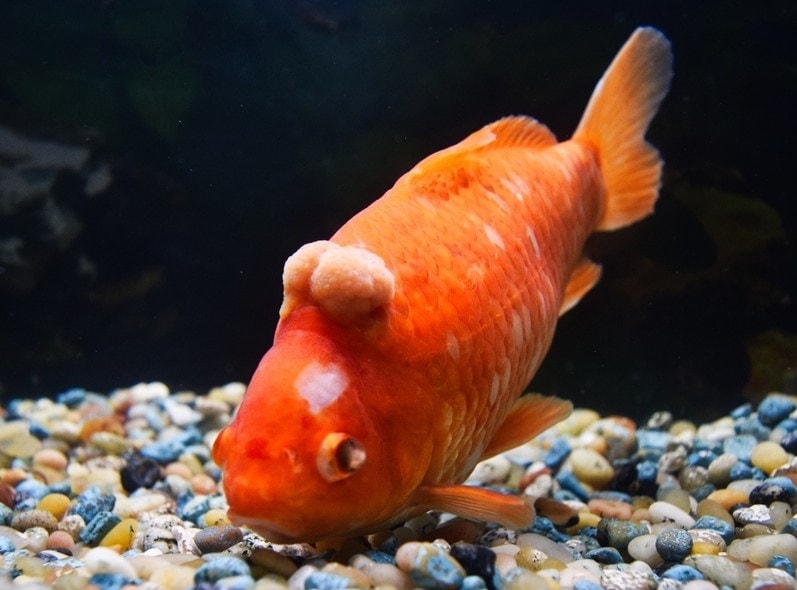
Fish like bettas can develop tumors or neoplasms, which is an unusual mass of tissues that forms from abnormal cell division This causes a lump and swelling to the fish’s body, and it can either be an internal tumor on the betta fish’s organs, or it can be an external tumor which is visible on the fish’s body. The protruding lump of external tumors is quite noticeable even if it is still a relatively small size.
According to aquatic veterinarian Dr. Jessie Sanders, fish can get cancer too 1 . Tumors are typically associated with cancer, even though certain fish tumors can be benign. There are three main types of tumors, benign (non-cancerous), premalignant (precancerous), or malignant (cancerous) tumors.
A benign tumor will contain no cancerous cells which means it will not spread to other parts of the fish’s body, although it may change in size, fall off, and regrow if removed. This type of tumor is relatively harmful in fish, and unless the tumor is affecting the way your betta functions daily, it is not always fatal.
Premalignant is not very common in fish, but it is a type of tumor that is benign but may develop and can develop into cancer in the later stages.
A cancerous or malignant tumor in betta fish will contain cancerous cells, and it is more likely to negatively affect your betta fish and spread to other parts of the body over time if left untreated. A major downside to a fish developing a tumor is that it is not easily treatable at home.
What Are the Signs of Tumors in Betta Fish?
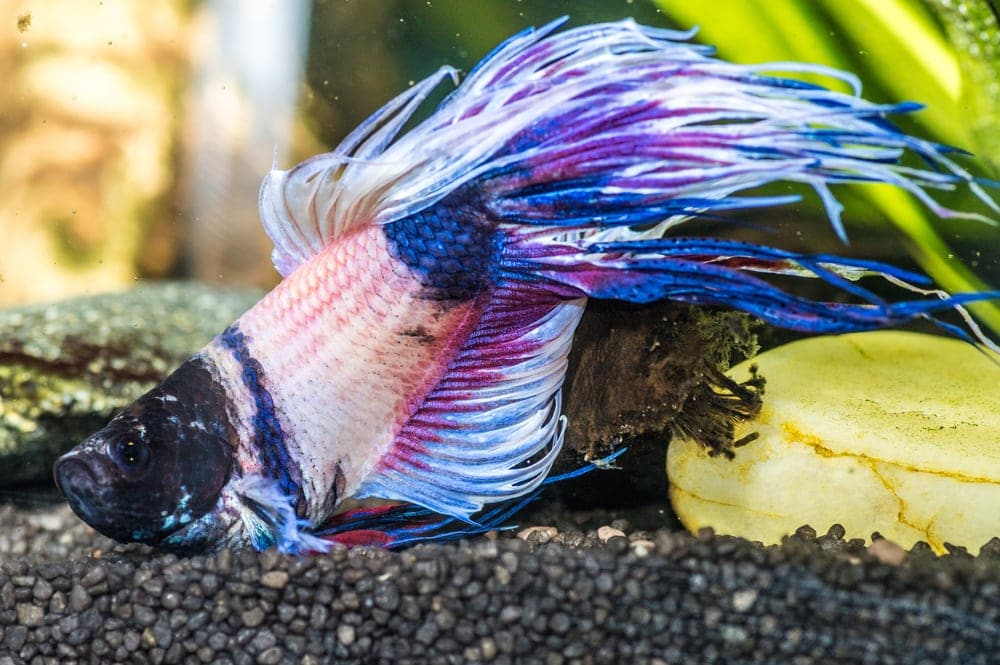
Determining whether or not your betta fish has a tumor is fairly simple, and these are the signs you should look out for:
Signs may include:
Cancerous tumors may occur due to poor genetics or potential carcinogens which may be found in the water. Genetics is a primary cause of tumor development in bettas and other aquarium fish. Many bettas from pet stores are mass-bred with little thought to their health and longevity.
Certain viruses can cause tumors or lead to cancer in fish, such as mycobacterium which can cause granulomas to form in the affected fish's tissue, resulting in a type of benign tumor or nodules. Lymphocystis is another potential viral disease that causes a type of benign tumor in aquarium fish, and possibly betta fish too.

How Do I Care for a Betta with a Tumor?
Treatment for Tumors in Betta Fish
A benign tumor in betta fish is generally not a cause for concern, but it can hinder your betta's quality of life. Cancerous tumors, although rare, are more serious and require veterinary treatment. Surgical excision and topical cryotherapy can be used to treat external tumors in fish, although some veterinarians may decide against surgical excision on betta fish tumors. This is likely if the betta fish is old, weak, and unable to make it through the procedure.
Small fish like bettas are also difficult to operate on, which is why the tumor can be left if it is not bothering your betta or lowering their quality of life significantly. Internal tumors are more difficult to treat, although they are not very common in betta fish.
Caring for a Betta with a Tumor
If your betta fish already has a tumor, you should first assess whether it is affecting their quality of life. Some tumors may prevent your betta from breathing properly or swimming around. This can lead to your betta fish suffering or being in pain.
If the tumor is not negatively affecting your betta fish, they can live a relatively normal life. Small, external tumors that are not cancerous are usually not a cause for concern because they will not spread to other parts of the betta’s body.
If the tumor is affecting the betta's ability to swim, adding a bubbler or aeration system that does not cause a current in the aquarium can help improve the oxygen in the water. This means that your betta fish does not have to constantly gasp at the surface to get oxygen, and it makes it easier for them. Plenty of silk and live plants give your betta fish a place to rest and feel safe since the tumor can make them more lethargic.
Humane euthanization can be the kindest option for bettas who are suffering due to their tumor.

Frequently Asked Questions
1. How Common Are Tumors in Betta Fish?
In comparison to fish like koi and goldfish, tumors are not that common in betta fish. Cancerous tumors are the rarest form of tumor in betta fish, and you are more likely to have an older betta develop a tumor due to poor genetics or disease.
2. Can You Take a Betta to the Vet for a Tumor?
If you do find that your betta has developed a tumor, do not try to treat the tumor at home. Home remedies are not recommended to treat cancerous tumors in betta fish and may kill them. Even with so many fish medications on the market, only a qualified aquatic veterinarian can help your betta fish.
3. How Can You Prevent Your Betta from Developing a Tumor?
There is not much you can do to prevent tumors in betta fish, except for ensuring that they are cared for properly. Ensuring your betta fish is fed a healthy diet and kept in a spacious and clean tank is a good place to start if you want to keep your betta healthy.
Even the most well-cared-for betta fish can develop a tumor due to genetics or other factors that you are not able to prevent. Practicing good aquarium hygiene is another way to prevent certain viral infections from causing tumor-like growths on your betta fish.
This can be done by washing your hands before handling aquarium equipment, doing small but frequent water changes, cleansing aquarium tools before using them in another aquarium, and avoiding having to place your hands in the water.

Summary
Unless your betta is being affected by the tumor, they can live a long and fulfilled life in your care. Tumors are not very common in betta fish, and the majority of tumors they develop do not usually affect them much, aside from slightly different swimming behaviors. Most betta fish will only develop tumors later in life if it is caused by genetics, and tumors caused by viral diseases can be treated by an aquatic veterinarian.
Featured Image Credit: OHishiapply, Shutterstock
Get Hepper In Your Inbox


Pet care tips from our vets and experts, straight to your inbox.
You may opt-out at any time. View our Privacy Policy for more information.

Sarah is residing in South Africa with her partner and pets. She currently is interested in veterinary science and ichthyology, which she wants to study alongside her main passion: pet content writing. Sarah has over 60 fish including goldfish, tropicals, shrimp, and snails. She also keeps hamsters and a tarantula and wishes to provide quality content for readers and allow others to learn from her knowledge and experience. Sarah has much experience in all aspects of pet care, and providing the world with knowledge on ethical pet ownership is her lifelong dream.
Join the conversation
Ask a question, share your story, or send private feedback.