Hepper is reader-supported. When you buy via links on our site, we may earn an affiliate commission at no cost to you. Learn more.
Will My Dog Protect Me? Truth vs Myth Explained
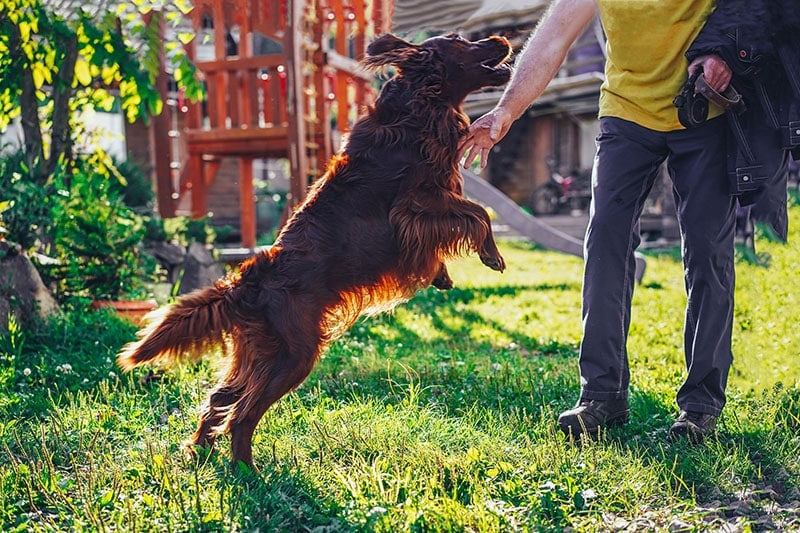
It’s a scenario we’ve seen hundreds of times on TV and in movies.
Our hero is being threatened by a big/scary/well-armed dude, and it looks like it’s all over, when suddenly, their previously lovable and chill doggie leaps into action and goes nuts on the villain, saving the day and earning a good solid scratch behind the ears and maybe a new chewy bone.
It’s gratifying to think that your beloved canine companion would leap to your defense in a crisis, and we may even sleep just a little better knowing that we and our loved ones have a reliable protector in the house.
But is it true? Will my dog protect me? In fact, the definitive answer is, well, maybe.

Will My Dog Protect Me?
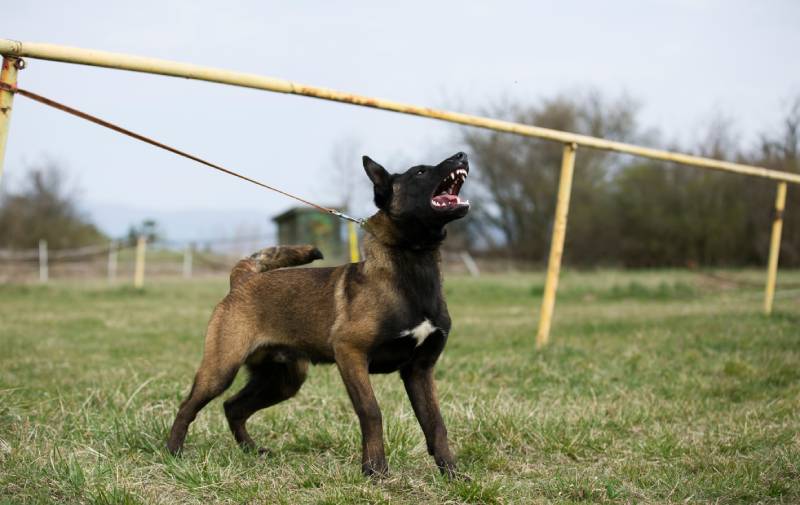
There are a wealth of factors that come into play, but ultimately, even if all of them align, it’s still not a certainty that your dog will “protect” you in a dangerous situation. Even if they do, it’s highly unlikely it’ll happen like it does in the movies.
What’s more, the fact is that their doing so could be part of a highly undesirable set of circumstances that’s harmful to you, your family, and the dog itself.
We’re going to look at some commonly held preconceptions and how the facts support them (or don’t).
Before we jump into the mythbusting, we’ve provided a quick analysis of how aggression in your dog actually works.
DISCLAIMER: For our purposes, we’re confining ourselves to domestic pet dogs. Dogs trained for police/armed forces K9 duties, livestock control, and other types of working dogs, are subject to a completely different set of conditions and expectations.
About Aggression
In short, overly aggressive dogs don’t make great pets, and the increased likelihood of them being perceived as dangerous (justifiably or not) doesn’t do them any favors.
Truth vs Myth Explained
Is Being Protective a Sign of Affection?
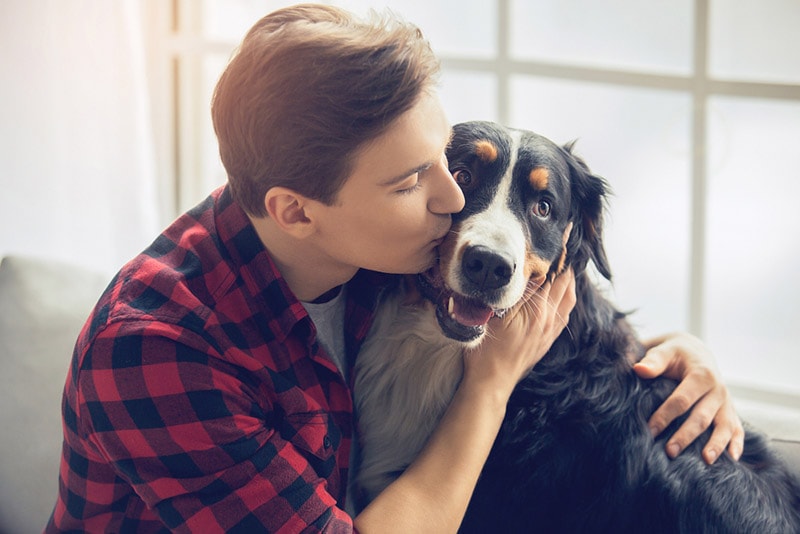
Dogs have many ways of expressing affection, or devotion, to their human companions, including physical closeness, nuzzling, and licking. Protective behavior, however, is not normally considered one of these.
As you no doubt know, some dogs bond very strongly with an owner, and some don’t. This is most likely simply a matter of personality. Some studies have shown that rescue dogs tend to be more physically affectionate with their owners.
Try to remember how your dog sees you. You’re most likely much bigger than she is, which is normally regarded in nature as an intimidating indicator of superior strength. General attributes like walking upright, vocalizing, and manipulation of your environment clearly identify you as non-canine. As well, your dog sees you as the provider of comfort, shelter, and, most importantly, food. No matter how fond they are of you, dogs have little reason to think that you need protection.
While it’s fairly common among mammals to be protective of their offspring in varying degrees, that’s quite a different relationship altogether. Protectivity in parent dogs is motivated far more by instinct than any emotional attachment.
Does My Dog Protect Me By Barking at Strangers?

This is indeed a kind of protective behavior, but it’s not so much him protecting you, more likely he’s exhibiting what’s sometimes called resource guarding.
Most dogs have a natural impulse, left over from life in the wild, to protect things they consider important from perceived competitors. Most of us are familiar with dogs jealously guarding beds, food bowls, toys, and treats.
Some dogs can bond strongly with a specific person, but this is probably still just a form of resource guarding. They may resource guard their person from other dogs, people, and even children. You can see how this could present a serious problem.
The same impulses can drive them to defend physical space, in this case your home or yard. While this may seem like a good thing, it’s generally agreed that these habits can easily escalate. Resource guarding should definitely be addressed as soon as possible, as it can result in biting behavior, which nobody wants.
You should also bear in mind that these tendencies are not likely to extend to time spent outside. The world at large isn’t a resource your dog will feel the need to protect.
Will My Dog Protect Me From Bears/Wolves/Tigers/Other Dogs?
This is very possible. We’ve already talked about how your dog sees you, and he probably sees other humans in very much the same way. Although dogs can be receptive to certain non-visual stimuli, they’re not really wired to pick up on the kind of hints that might make you wary of sketchy-seeming individuals.
Other animals, however, are far more likely to be on your good boy’s radar. This is another legacy instinct from the time when the dog’s world was populated with lots of other animals, many of whom posed possible threats to their well-being. They’ll be much more attuned to the presence and proximity of other four-legged citizens.
As a purely instinctive behavior, this will, again, merit careful attention from you and may require corrective measures.
Bears and tigers should be avoided scrupulously, for your sake and your dog’s.
Are Aggressive Dogs More Protective?

As we’ve said, your dog’s motivations for aggression and protective actions are very different. An aggressive dog may be protective of you, but there’s no recognized correlation between the two.
For the most part, aggressive behavior in dogs tends to be the combined result of breeding and training.
Are Some Breeds More Protective?
This is difficult to definitively address. Getting a specific breed solely based on its guarding instincts should be carefully considered.
Some breeds are indeed more inclined to protect their owners, but their doing so is far from a certainty. Every dog has a distinct personality, with their particular balance of nature, breeding, and training producing equally unique results.
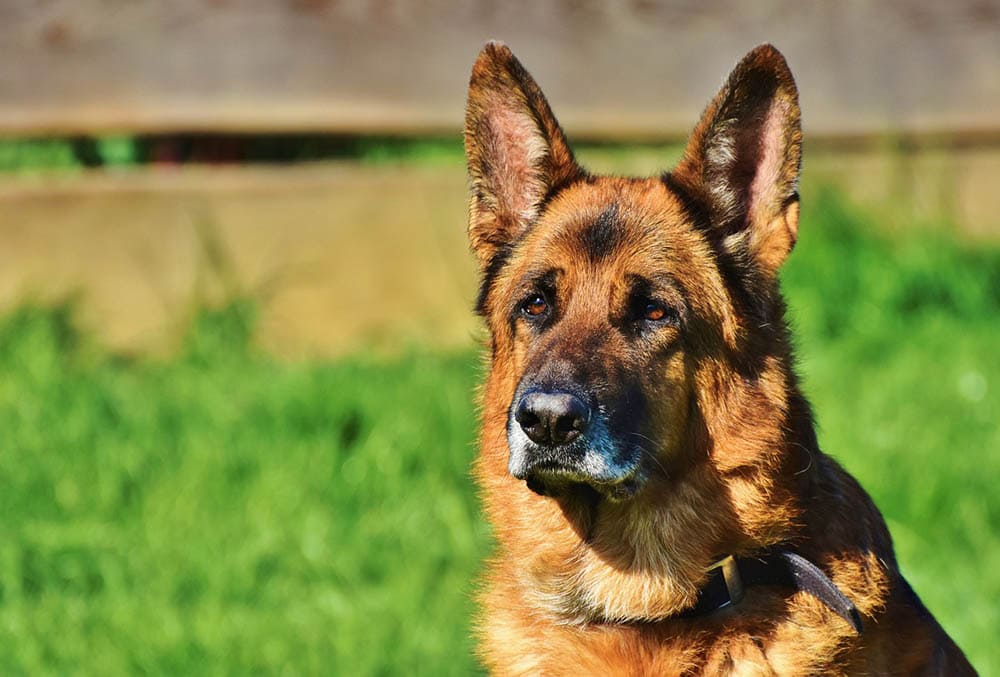
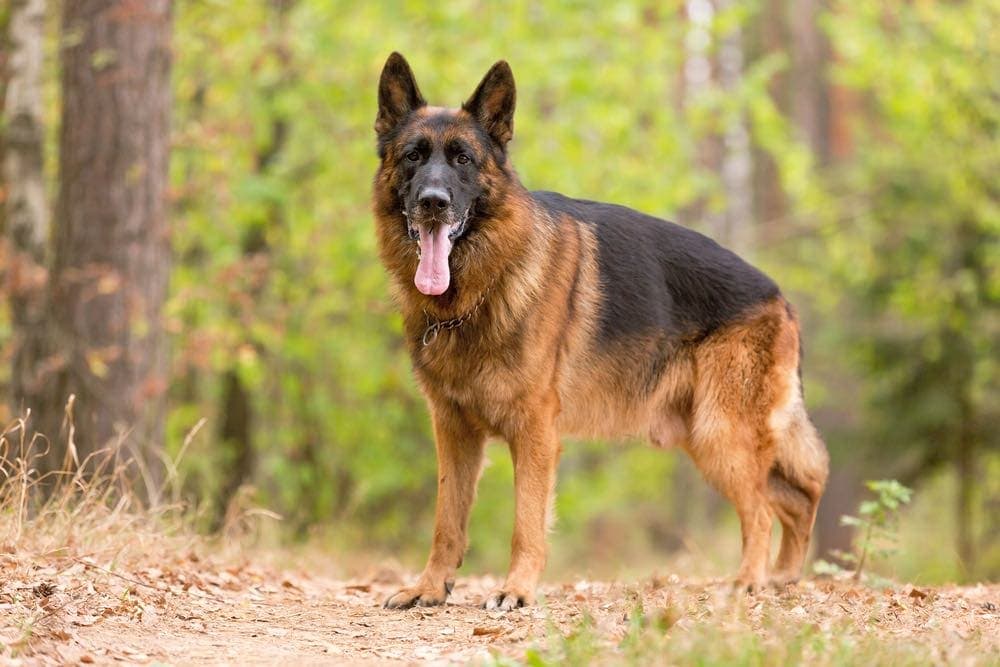
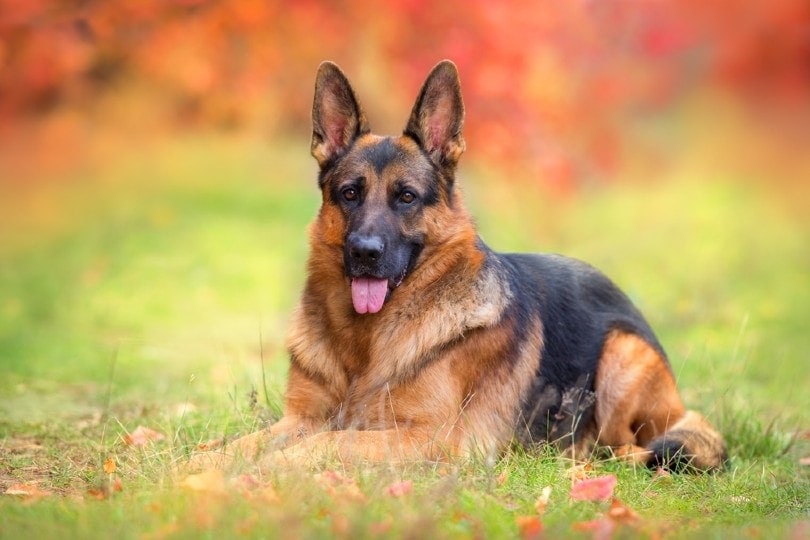
Some breeds normally developed for, and commonly associated with, such behavior, such as German Shepherds and Doberman Pinschers, are largely considered to have had most of these attributes bred out of them over the years in favor of producing more manageable pets.
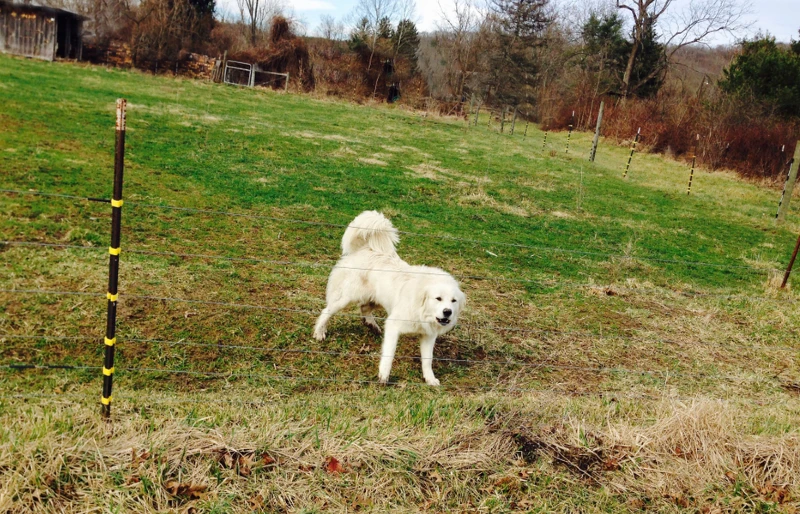
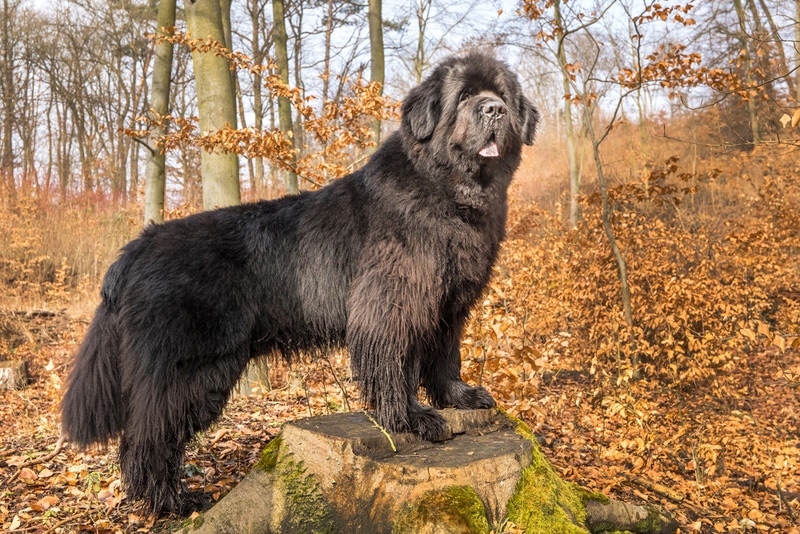
Some breeds that are still known for protective instincts include:
Even so, safe, responsible management of these animals’ genetic predispositions requires significant attention.
If they aren’t adequately trained from birth, the same coding that makes them likely protectors can divert to a wide range of unacceptable habits that can spell trouble for owners and dogs.
Such breeds are really only suitable for diligent, experienced owners who understand the need for proper socialization, and are able and willing to train them consistently.
Are Trained Attack Dogs Better Protectors?
Technically, the answer is yes.
Nonetheless, there are a number of serious factors that need to be considered.
Foremost among them is that, sad to say, a very large percentage of attack/guard dog training operations can be unethical, ineffective, and even downright cruel. While some degree of oversight may be in effect in your area, such regulatory enforcement can vary widely by location.
Even proper training of these dogs largely just capitalizes on their instincts for resource guarding, as we discussed earlier. This means that, while they may appear to be trained to protect you and yours, there’s a good chance that they’re effectively just reacting to intrusions on their turf. This means they probably won’t be set up to differentiate between a guy trying to make off with your lawn mower and the neighbor kid jumping the fence to retrieve his Frisbee.
Final Thoughts
As noted, there’s no clear answer to this question. Your dog may be protective of you in many situations, but it’s by no means something you should count on.
In the big picture, you’re probably better off just appreciating your furry buddy as a lovable companion and family member, keeping them safe, healthy, and well-fed.
For protection, stick with a baseball bat. Your Amazon guy will thank you.
Featured Image Credit: AlexandrinaZ, Shutterstock
Get Hepper In Your Inbox


Pet care tips from our vets and experts, straight to your inbox.
You may opt-out at any time. View our Privacy Policy for more information.

Nicole is a lover of animals of all sizes but is especially fascinated with the feline variety. She’s the proud mom of Baby, a Burmese, and works every day so he can relax in the sunshine or by the fire. She’s always had a cat in her home and has spent countless days with others, observing behaviors and softening up even the grouchiest of the lot. Nicole wants to share her kitty expertise with you so you and your cat can live happy, healthy, and care-free.
Join the conversation
Ask a question, share your story, or send private feedback.