Hepper is reader-supported. When you buy via links on our site, we may earn an affiliate commission at no cost to you. Learn more.
Wolf Sable Pomeranian: Info, Pictures, Care Guide, Temperament & Traits
In this article
Pomeranians are loved for their remarkable qualities, including their intelligence, loyalty, affection, and of course, their adorable, cute looks and soft fluffy coat. Their coat is one of their hallmark qualities, and they come in a range of fantastic colors and patterns.
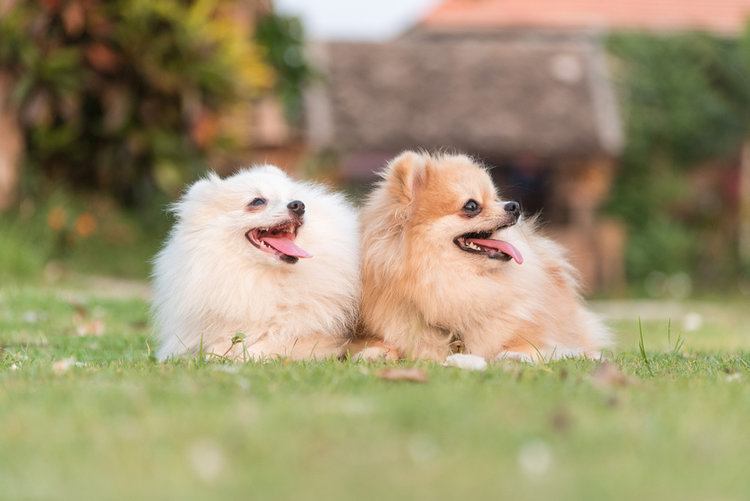
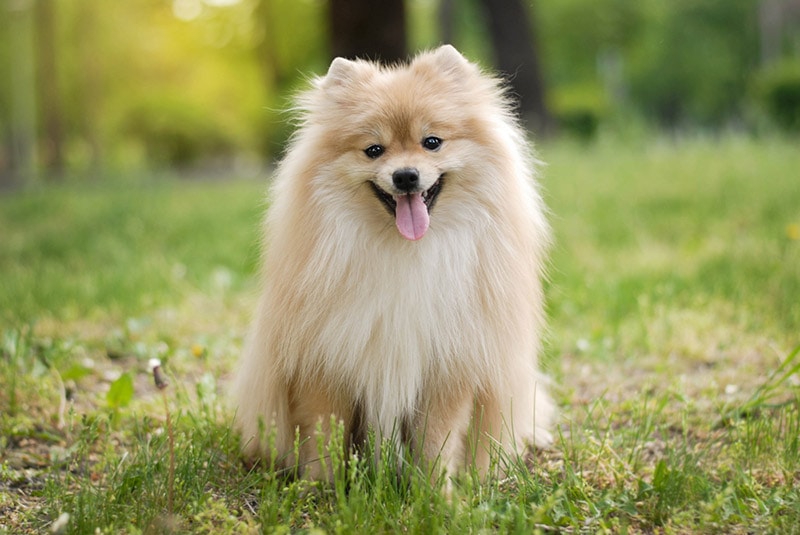
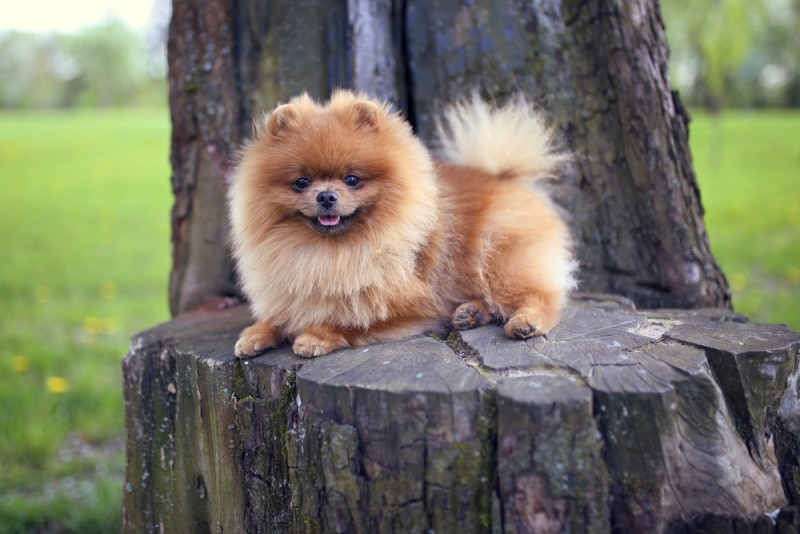
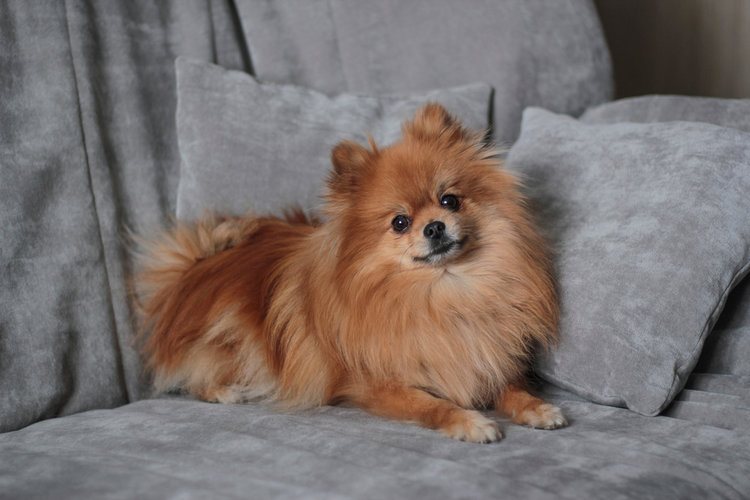
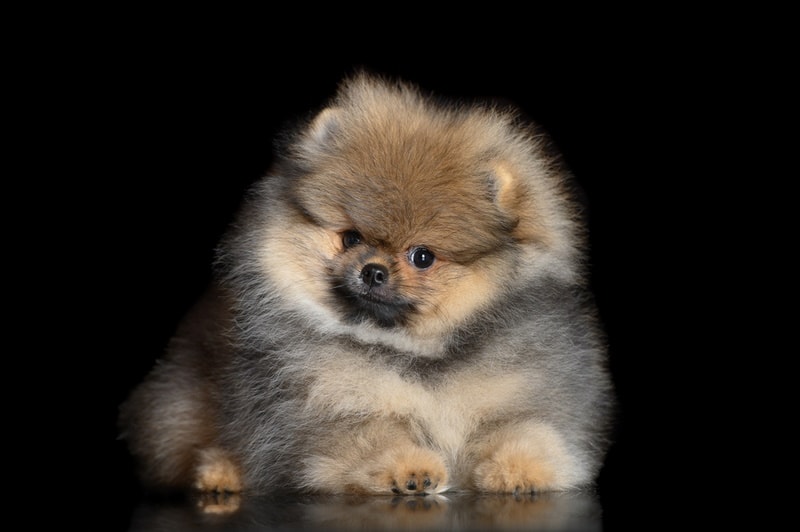
The Wolf Sable Pomeranian is a rare but stunning type of Pomeranian. While its personality matches that of any other Pomeranian, the sable coat stands out and gives it a look that resembles a plush wolf but even cuter!
Breed Overview
Height:
Weight:
Lifespan:
Colors:
Suitable for:
Temperament:
The Wolf Sable Pomeranian shares the same qualities as other Pomeranians. This toy breed dog has several adorable qualities, and their coat colors are certainly one of them. Wolf Sable Pomeranians are dogs with a particular genetic mix that results in one of the oldest fur patterns ever seen, which dates back to the grey wolf. They have a light gray undercoat with a black-tipped outer coat creating a strikingly beautiful color variation. Their coats can have more sable, which makes them appear darker, while some can have less sable, making them appear lighter.
Wolf Sable Pomeranian Characteristics

Wolf Sable Puppies
A true Wolf Sable Pomeranian is rare. With that said, if you see an ad for a Wolf Sable Pomeranian puppy for sale, you should proceed cautiously. Sadly, some backyard breeders often try to sell orange sable pups as wolf Sable Pomeranian pups. Some inexperienced breeders will also sometimes accidentally register orange sable dogs as wolf sables.
Until the mature coat develops at 6 months, it is impossible to tell if a Pomeranian is wolf sable in color. Very dark sable Pomeranian puppies often change to orange sable when they reach maturity. If your heart is set on a Wolf Sable Pomeranian, you must ask the breeder to prove the color by viewing the parents.
Because Wolf Sable Pomeranians are so rare and in demand, they can be expensive. A reputable breeder is your best option if you are looking for a puppy. A Wolf Sable Pomeranian will keep you on your toes as they explore the new world. They are a small breed even as adults, so as a puppy, they are pocket-sized balls of fluff that will need a lot of care and extra caution if brought home to small kids and bigger dogs.

Temperament & Intelligence of the Wolf Sable Pomeranian 🧠
Pomeranians are known to have the personality of a big dog in a small dog’s body. This makes them confident despite their size. They are alert and intelligent and can easily make fine watchdogs. They are incredibly loving and affectionate; some dog owners choose a Pomeranian as an emotional therapy dog because they are so in tune with their human emotions.
They are also vocal little dogs. A big bark emerges from that tiny body, which is something to consider if you have close neighbors.
Are These Dogs Good for Families? 🏡
A wolf Sable Pomeranian makes an excellent companion for all sorts of families, big or small. They are great for families with kids and well-suited for couples, singles, or seniors. They are affectionate and provide their human family with protection, playtime, cuddles, and companionship.
While Pomeranians generally do well with kids of all ages, if your kids are young and don’t have much experience with dogs, especially small ones, you must supervise them to ensure they don't unintentionally hurt them.
Does This Breed Get Along With Other Pets? 🐶 😽
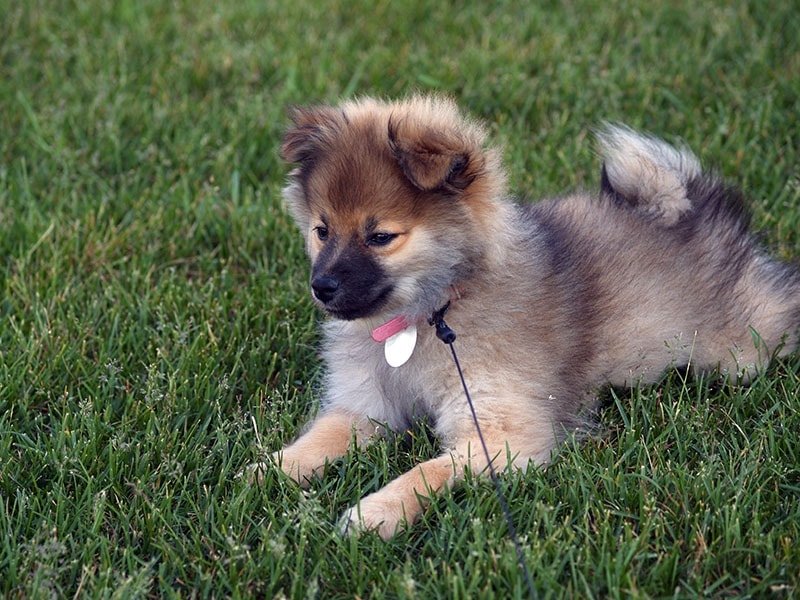
The Pom is a tiny dog that thinks it is much bigger than it is, which could be a problem at home with a bigger dog. It is recommended that your Pom grows up with any other pets and is properly socialized at an early age. Otherwise, it is a social little dog that gets along with other dogs and cats.

Things to Know When Owning a Wolf Sable Pomeranian:
Food & Diet Requirements
This tiny dog generally has a small appetite, so you won’t need to feed it as much as a larger breed. This allows you to spend a little bit of extra money on well-balanced dog food. Pomeranians should be fed high-quality dog food because they are likelier than many other breeds to have hypoglycemia.
Choose a food that has been given the Association of American Feed Control Officials (AAFCO) seal of approval to ensure it complies with the rules and nutritional standards for pet foods. Also, ensure that the food is life-stage appropriate.
It can be easy to overfeed a small dog like a Pomeranian, so make sure your dog’s food is portioned to prevent weight problems. Treats should also be accounted for and given in moderation.
Exercise 🐕
Wolf Sable Pomeranians are active little dogs and need adequate daily exercise to expel their energy. They can be exercised indoors through play or a short walk in the neighborhood. They love playing games but love the time with humans even more.
Even though this breed is energetic, you must remember that it has very short legs, so what may feel like a moderate for you may feel extra long for your Pom. Your Pom will be happy with 45 minutes a day of exercise, which can be broken up into two sessions.
The Pomeranian might struggle in warmer temperatures, which is another thing to consider. On a hot day, go early or late in the evening, make your walks slow and short, and be sure to take a break if your Pom needs it. Always make sure that your Pom has access to clean drinking water, especially after an exercise session.
Training 🦮
The intelligent Pomeranian is easy to train. They do, however, have a limited attention span. Keep your training sessions short and enriching to ensure your Pom doesn’t get bored and lose attention.
Because of their confidence and loyalty to their owners, Pomeranians often bark at anyone they don’t know. Early socialization and training can help with this and is also important in the development of any young dog. Positive reinforcement using treats and praise is the best method for successful training.
Grooming ✂️
The Wolf Sable Pomeranian has a double coat with a dense undercoat. The hair around the neck and chest is also thick, and the tail is fluffy with lots of hair. They will only usually shed once a year, but they must be brushed at least twice a week to remove loose hairs and prevent matting.
Some owners also trim around the rear, the feet, the face, and the ears for a neater look, but that is entirely up to you. If your Pom will often be outdoors, it is a good idea to keep it short and neat to reduce the chances of debris and dirt getting stuck in the fur. Your Pom will also need its teeth brushed at least twice a week and its nails trimmed every two months or as required.
Health and Conditions ❤️
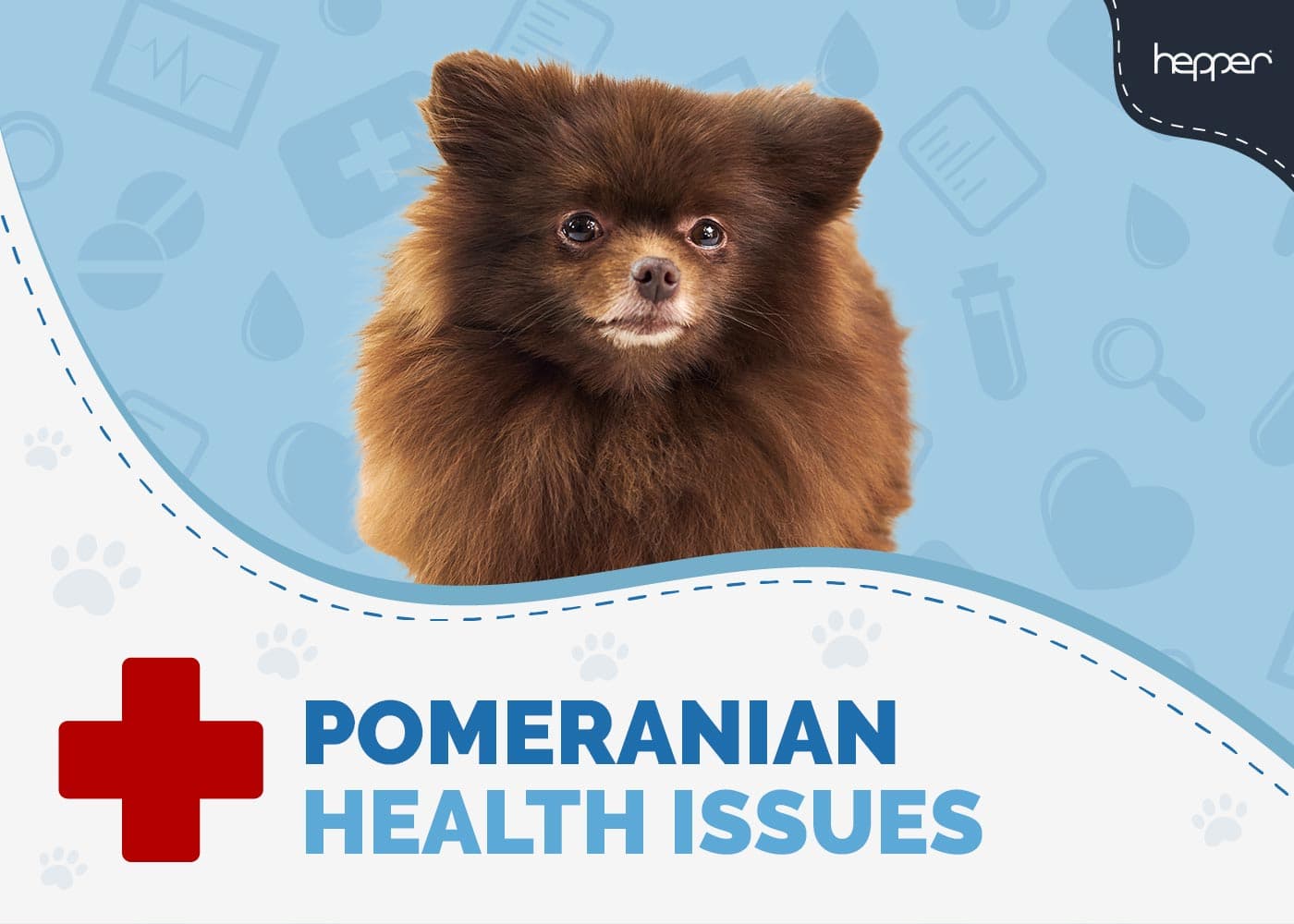
The Wolf Sable Pomeranian is a healthy breed with a lifespan of 6–12 years. As with all breeds, Pomeranians are predisposed to certain health issues. The most common health issues are:
You should take your Pom for checkups with your vet every year to maintain its health and prevent or manage any predisposed health issues that may develop. While a predisposition doesn’t mean that your Pom will develop that condition, it's vital as an owner to be aware, so you know what to look out for.

Male vs Female
Males of most breeds are generally bigger, and in the case of the Wolf Sable Pomeranian, owners say that the males are more playful and affectionate. However, they can be more demanding. These traits can differ between dogs, and it is more important to choose one based on its personality and temperament rather than its gender.
It is also important to note that intact males may be more aggressive and territorial.

3 Little-Known Facts About the Wolf Sable Pomeranian
1. The Wolf Sable Pomeranian Is Also Called Gray Sable or Agouti.
If you prefer an abridged version of the dog’s name, you can call it a Gray Sable or Agouti.
2. Pomeranians Have Facial Variations
Pomeranians not only come in a variety of colors, but they also have three facial variations. The variations are the Baby Doll, Teddy Bear, and Fox Face Pomeranians.
3. Pomeranians Are Known to Bark
Pomeranians are known to bark. They are natural protectors and will bark at anything strange to them. While this makes for a good watchdog, your neighbors may not be thrilled.

Final Thoughts
The sable wolf Pomeranian is a stunning dog with an incredible color variation. Given that they are not a distinct breed, they have the same traits as Poms of all colors. They are intelligent, confident, affectionate, playful, and loyal. They make excellent watchdogs and are ideal companions for families, singles, and seniors. They require a fair amount of light exercise and are easy to train. Apart from the barking, the Pom is appropriate for apartments due to its small size and low activity needs.
As with all breeds, your Pomeranian will need high-quality food, early socialization and training, grooming, physical and mental stimulation, and yearly checkups with your vet to live a long and happy life.
Sources
Featured Image Credit By: otsphoto, Shutterstock
Get Hepper In Your Inbox


Pet care tips from our vets and experts, straight to your inbox.
You may opt-out at any time. View our Privacy Policy for more information.

Nicole is a lover of animals of all sizes but is especially fascinated with the feline variety. She’s the proud mom of Baby, a Burmese, and works every day so he can relax in the sunshine or by the fire. She’s always had a cat in her home and has spent countless days with others, observing behaviors and softening up even the grouchiest of the lot. Nicole wants to share her kitty expertise with you so you and your cat can live happy, healthy, and care-free.
Join the conversation
Ask a question, share your story, or send private feedback.