Hepper is reader-supported. When you buy via links on our site, we may earn an affiliate commission at no cost to you. Learn more.
Wood Turtle: Pictures, Facts, Diet & Care Guide
In this article
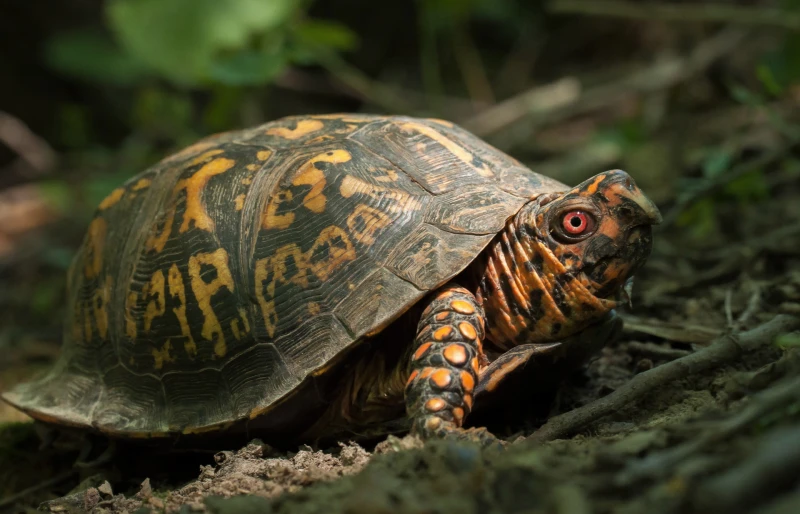
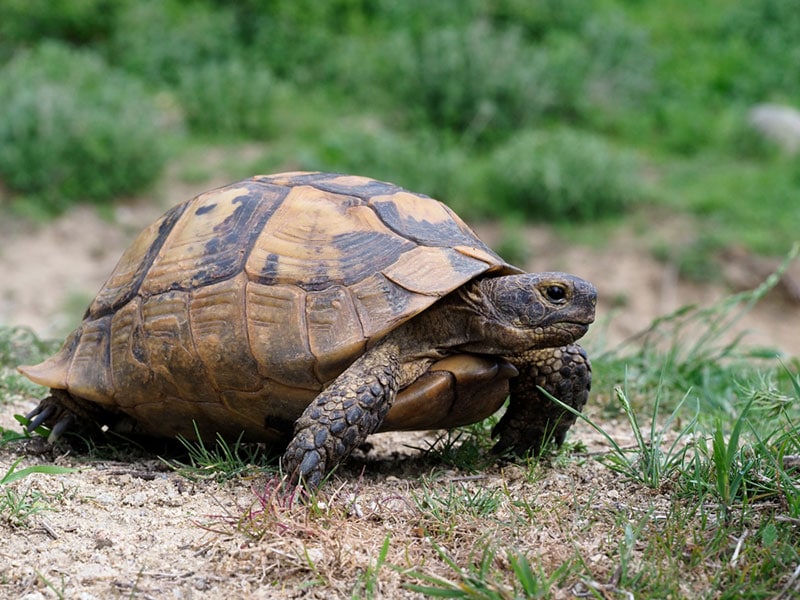
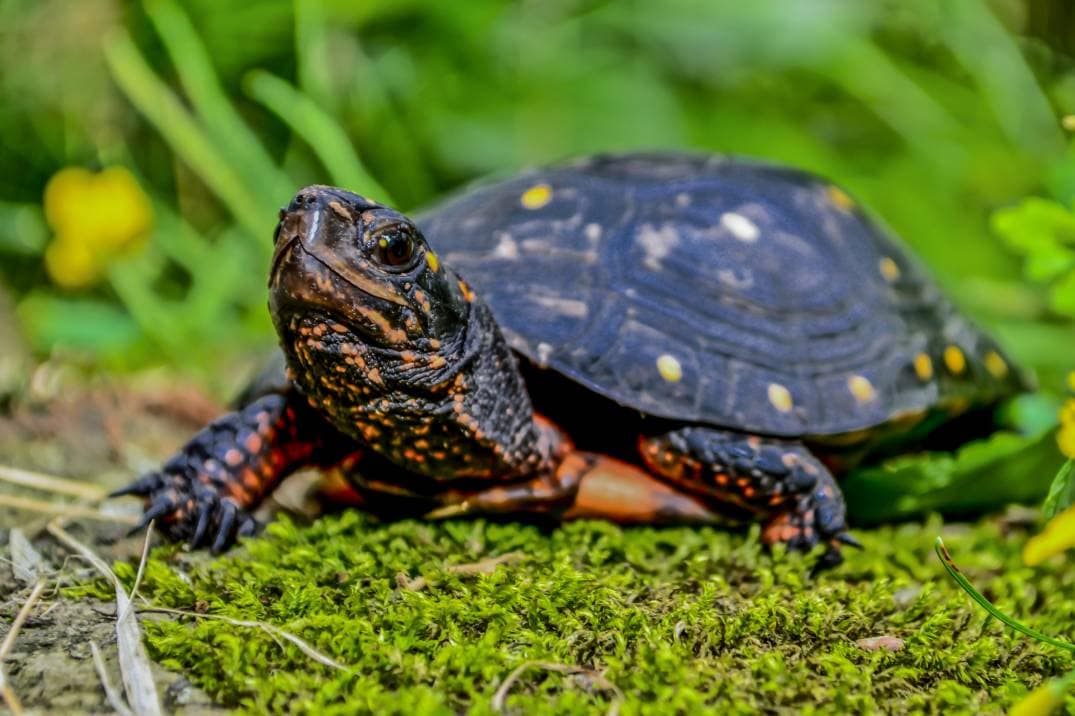
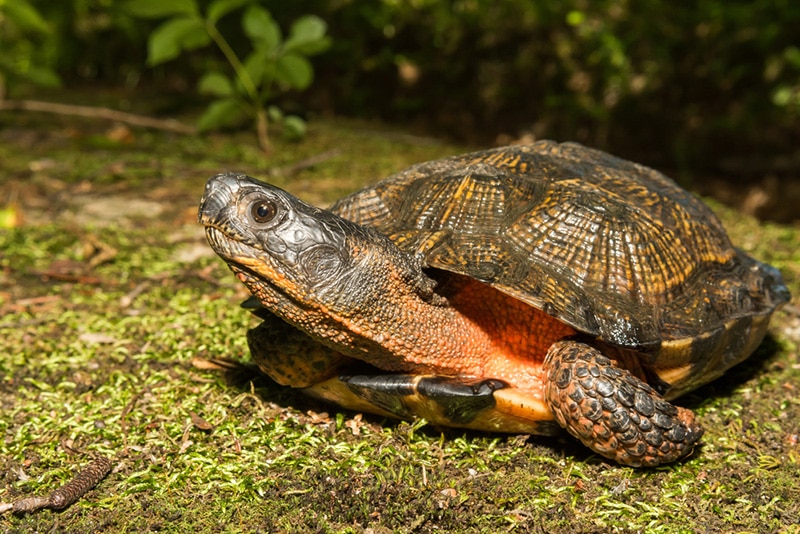
The Wood Turtle is a semi-aquatic species of turtle, boasting a size of up to 10 inches in length. Known for their intricate shell design and impressive intelligence, these turtles are a unique and fascinating breed.
| Size: | Up to 10 inches |
| Weight: | Up to 3 pounds |
| Lifespan: | 40–60 years |
| Suitable for: | Experienced turtle owners |
| Temperament: | Docile, intelligent, adaptable |
The energy level of Wood Turtles is moderate. They're not as active as some other turtle breeds, but they have their moments of excitement and playfulness. Their health is generally good, although they can be prone to certain conditions if not cared for properly. But with a lifespan of up to 60 years, these turtles are long-lived companions. Their sociability rating reflects their friendly nature and adaptability. They usually get along well with other turtles of similar size and temperament.
Wood Turtle Breed Characteristics
How Much Do These Turtles Cost?
Wood Turtles are native to North America, specifically the northeastern United States and southeastern Canada. However, due to habitat loss and illegal pet trade, they have become somewhat rare. Therefore, their cost can range from $200 to $500 depending on age, size, and health. This cost reflects their rarity and the detailed care that goes into breeding and raising these remarkable turtles in a healthy, sustainable manner.
These turtles are listed as endangered by the International Union for Conservation of Nature (IUCN). There have been numerous cases of habitat loss due to deforestation, pollution, and climate change in recent years. It’s important to always buy Wood Turtles from a breeder and never take one from the wild. Not only does taking a Wood Turtle from the wild further contribute to their endangerment, but it is also illegal.

Wood Turtle Behavior
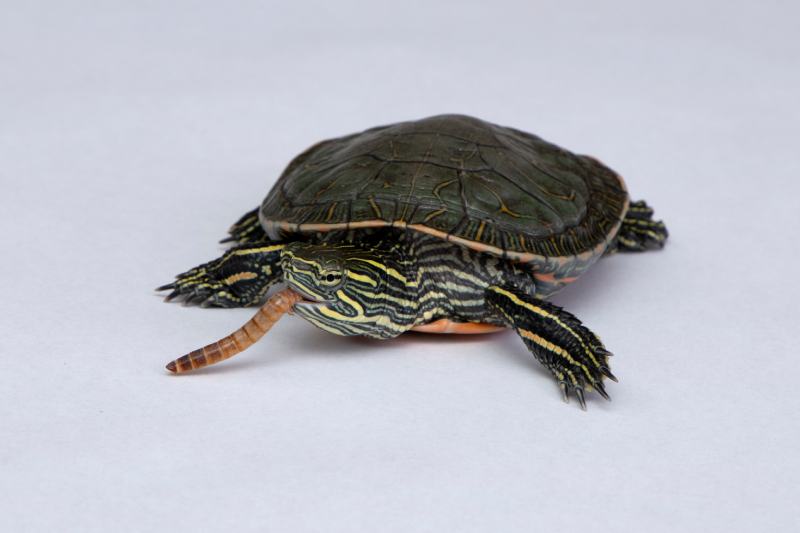
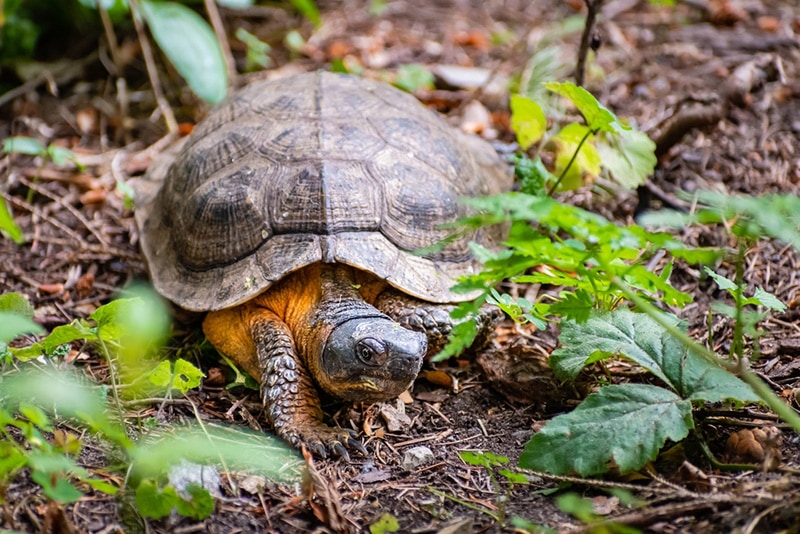
Wood Turtles are celebrated for their docile and friendly disposition towards humans. They're known to exhibit a unique behavior known as 'worm dance,' where they tap the ground rhythmically with their front legs to lure earthworms to the surface. This behavior is a testament to their intelligence and adaptability, as they've developed a unique method of hunting their prey.
Do These Turtles Make Good Pets?
Absolutely! Wood Turtles make delightful pets for those who understand their needs and are dedicated to providing a suitable environment, diet, and care. Their friendly nature and intriguing behaviors can provide endless fascination for their owners. However, potential owners should remember that these turtles require a significant commitment. Due to their long lifespan, they may even outlive their owner, so it's important to have a long-term plan for their care.
Wood Turtle Tank Mates
Wood Turtles are peaceful creatures and can cohabitate with other turtles of similar size and temperament. However, they should not be housed with aggressive species or those significantly larger than them. It's always important to monitor any new introductions to ensure everyone is getting along.

Care Sheet & Habitat Setup
Creating a comfortable and suitable habitat for your Wood Turtle requires attention to detail.
- Light Requirements: UVB lighting for 12 hours a day is essential for their health, as it helps them synthesize vitamin D3, which is necessary for calcium absorption.
- Tank Size: A minimum 20-gallon tank for juveniles and a 40-gallon tank for adults provides enough space for swimming and basking.
- Water Temperature: The water temperature should be maintained at 70–75°F. This temperature range is comfortable for Wood Turtles and helps prevent health issues related to improper temperatures.
- Plants: Plants are not required in a Wood Turtle’s tank, but edible plants like dandelions, clover, and lettuce can be included in the tank for additional nutrition.
- Substrate: A mixture of sand and coconut fiber works well as a substrate, providing a natural feel and helping maintain humidity levels.
- Filtration: Filtration is required to maintain clean and healthy water. A good filtration system will remove waste and debris, keeping the water clear and preventing the buildup of harmful bacteria.
- Land: Wood Turtles are semi-aquatic, meaning they also need some land space in their tank. This area should be larger than just a place for them to bask.
Things to Know When Owning a Wood Turtle
Owning a Wood Turtle is a joy, but it also comes with several responsibilities to ensure their health and happiness. Here are some key things to know:
Food & Diet Requirements
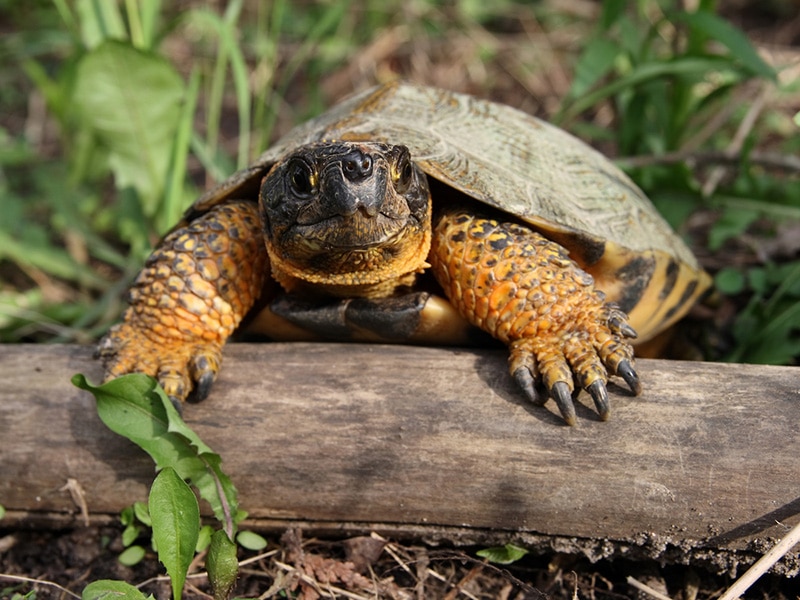
Wood Turtles have an omnivorous diet, which means they enjoy a mix of both plant and animal matter.
- Leafy Greens: These should form a significant part of your Wood Turtle's diet. Dandelion leaves, romaine lettuce, or collard greens are all great choices. These greens provide essential nutrients and fiber.
- Fruits: Fruits can be given as a treat in moderation. Apples, pears, and melons are all good choices. Remember to remove any uneaten fruits promptly to prevent spoilage.
- Insects and Worms: These provide essential protein for your turtle. Consider mealworms, earthworms, or even feeder fish. These can be purchased from pet stores or online.
Size & Growth
Understanding the growth of Wood Turtles can help you ensure they're developing healthily.
- Hatchlings: Newly hatched Wood Turtles are tiny, starting at approximately 1 inch in length. At this stage, they're vulnerable and require careful handling.
- Juveniles: As they grow, they'll steadily increase in size. This stage is critical for their development, and they should be fed a balanced diet to support their growth.
- Adults: Adult Wood Turtles reach a size of 5–9 inches, depending on factors like diet and care. At this stage, they're fully grown, and their care requirements will be more stable.

Lifespan and Health Conditions
Wood Turtles can live for many decades if cared for properly. However, they can be susceptible to certain health conditions if not given the proper attention. Make sure to get your turtle checked regularly by an experienced veterinarian. Common health issues like shell rot or respiratory infections can turn from minor to serious in no time.
Minor Conditions
Wood Turtles can also suffer from less serious, but still important, health conditions.
- Parasites: Turtles can be affected by both internal and external parasites. Regular vet check-ups can help catch and treat these early.
- Shell pyramiding: Pyramiding, characterized by an abnormal upward growth of the scutes on the shell, can be caused by an imbalanced diet or improper UVB lighting. Regular cleaning and monitoring of your turtle's diet and shell is crucial for early detection and treatment of these conditions.
- Eye problems: These turtles can also develop eye problems, including conjunctivitis and swollen eyelids, often due to poor water quality or inadequate vitamin A in their diet. If you notice your turtles' eyes appearing swollen or they have trouble opening them, it's important to seek veterinary care. Regular diet checks and maintaining clean water can help reduce the risk of these issues.
Serious Conditions
There are several serious health conditions that Wood Turtles can develop.
- Shell Rot: This is a fungal or bacterial infection that can cause severe damage to a turtle's shell if left untreated. It can be caused by poor water quality or injuries to the shell. If you notice any changes to your turtle's shell, such as discoloration or soft spots, consult a vet immediately.
- Metabolic Bone Disease: This condition is caused by a lack of calcium in the diet, resulting in soft, deformed shells and skeletal problems. It can be prevented by providing a balanced diet and proper UVB lighting.
- Respiratory Infections: Wood turtles can fall victim to a range of respiratory infections, most commonly pneumonia. These infections are often caused by low temperatures and poor air quality. If your turtle is lethargic, has a runny nose or is making unusual noises while breathing, it's crucial to consult with a vet immediately.
- Vitamin A Deficiency: This is another common health problem among turtles, including Wood Turtles. Lack of Vitamin A in the diet leads to a condition known as Hypovitaminosis A, causing issues like loss of appetite, swelling of the eyelids, and skin problems. A diet rich in leafy greens and certain vegetables can help ensure your turtle gets enough Vitamin A.
Male vs Female
Knowing the difference between male and female Wood Turtles can be useful, especially if you're considering breeding. Males have concave plastrons (the underside of the shell) and longer tails than females. They also tend to be smaller in size. Females have flat plastrons and shorter tails. They're also generally larger than males, which can be helpful when determining the sex of your turtle.
3 Little-Known Facts About Wood Turtles
1. Intelligent Creatures
Wood Turtles are known for their intelligence, and have been observed using unique methods to lure prey. They're often compared to rats and mice in terms of their problem-solving abilities.
2. Land and Water Dwellers
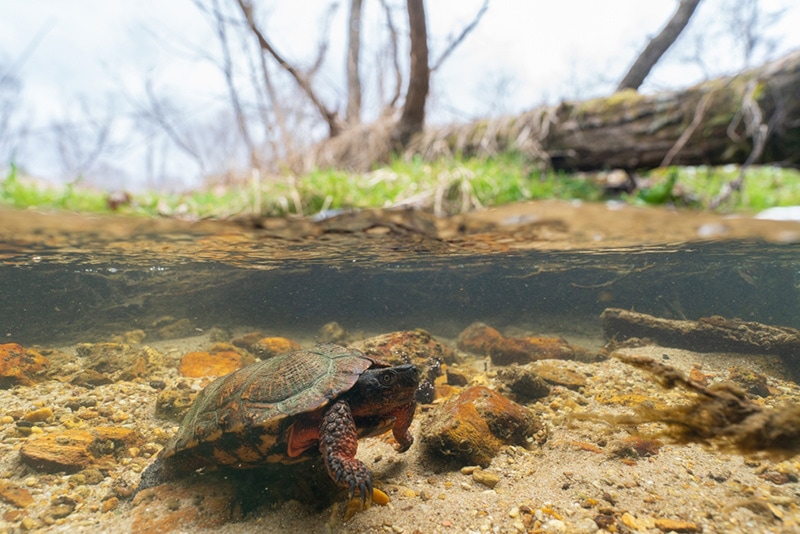
Unlike many turtle species, the Wood Turtle spends equal time on land and in water. They're equally comfortable in both environments, which adds to their adaptability.
3. Unique Behaviors
The 'worm dance' performed by Wood Turtles involves vibrations caused by the turtle's movements, which mimic rainfall and cause earthworms to surface. This unique behavior is a testament to their intelligence and adaptability.
Conclusion
Choosing to bring a Wood Turtle into your life is a big decision, but it can be incredibly rewarding. These intelligent, charming creatures can provide endless fascination and companionship for those who are able to meet their needs. Remember, with great turtle power comes great responsibility! But, the joy and wonder these turtles bring are well worth the effort to those who take the time to understand and care for them properly.
Featured Image Credit: Jay Ondreicka, Shutterstock
Get Hepper In Your Inbox


Pet care tips from our vets and experts, straight to your inbox.
You may opt-out at any time. View our Privacy Policy for more information.

Nicole is a lover of animals of all sizes but is especially fascinated with the feline variety. She’s the proud mom of Baby, a Burmese, and works every day so he can relax in the sunshine or by the fire. She’s always had a cat in her home and has spent countless days with others, observing behaviors and softening up even the grouchiest of the lot. Nicole wants to share her kitty expertise with you so you and your cat can live happy, healthy, and care-free.
Join the conversation
Ask a question, share your story, or send private feedback.