Hepper is reader-supported. When you buy via links on our site, we may earn an affiliate commission at no cost to you. Learn more.
Terrapin vs Turtle: Differences & Comparison (With Pictures)
In this article
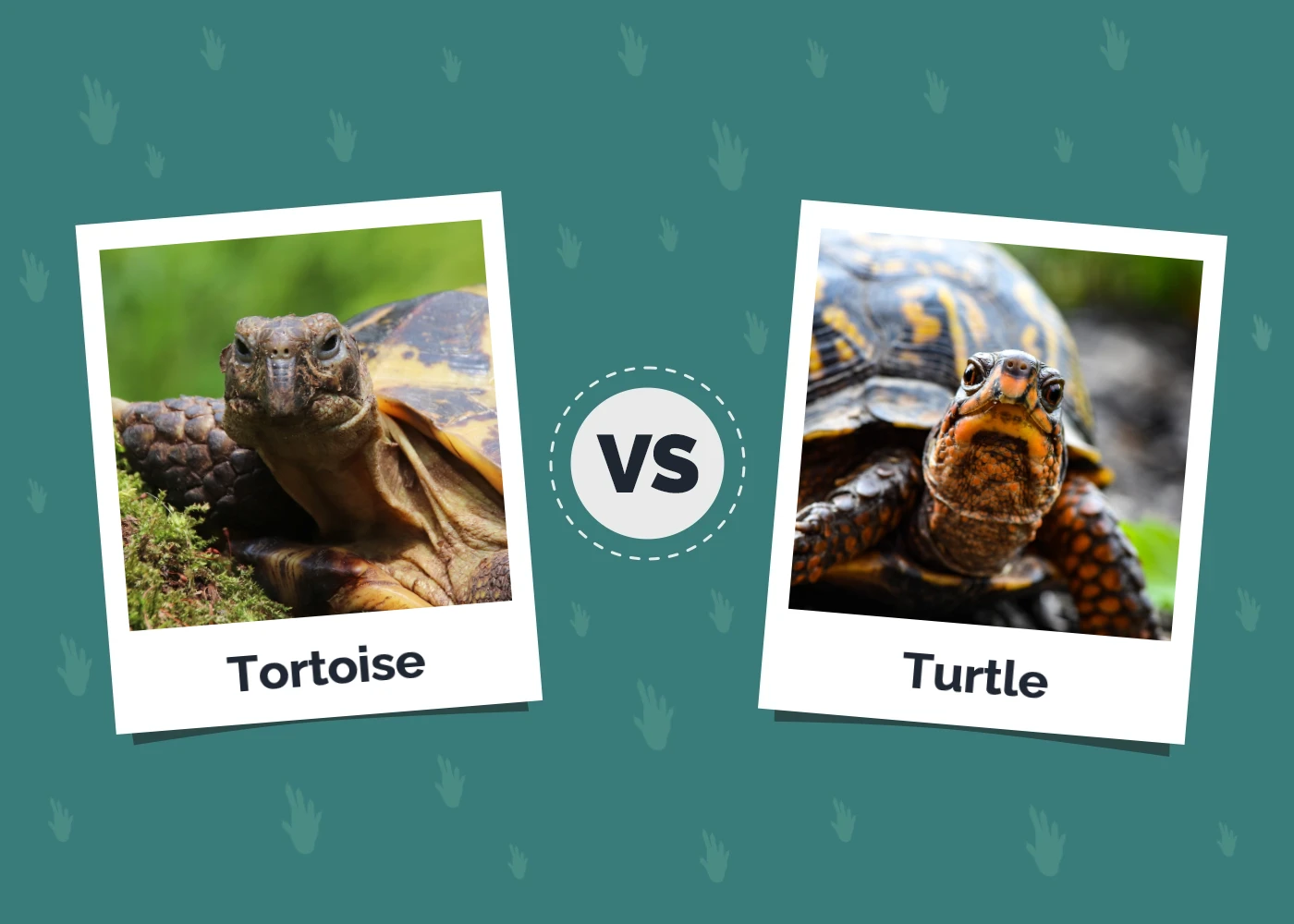
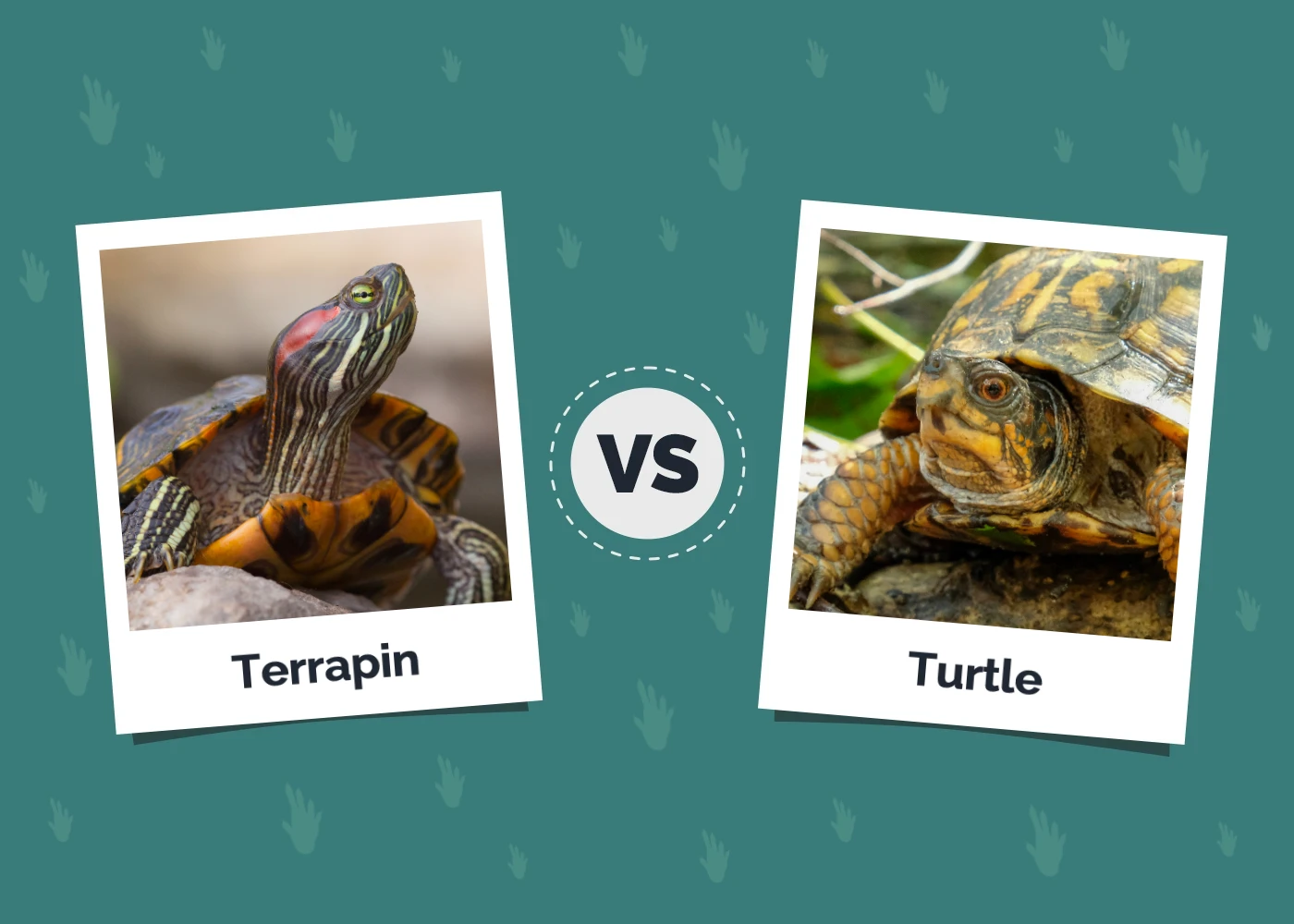
Diving into the world of reptiles can be an exciting journey, especially when it comes to understanding the differences and similarities between certain types of animals that belong to the same group. Today, we're focusing on two distinct yet often confused animals – the Terrapin and the Turtle. Both are fascinating in their own right, with unique characteristics that set them apart. Let's delve into the details and what makes these two animals different from each other!

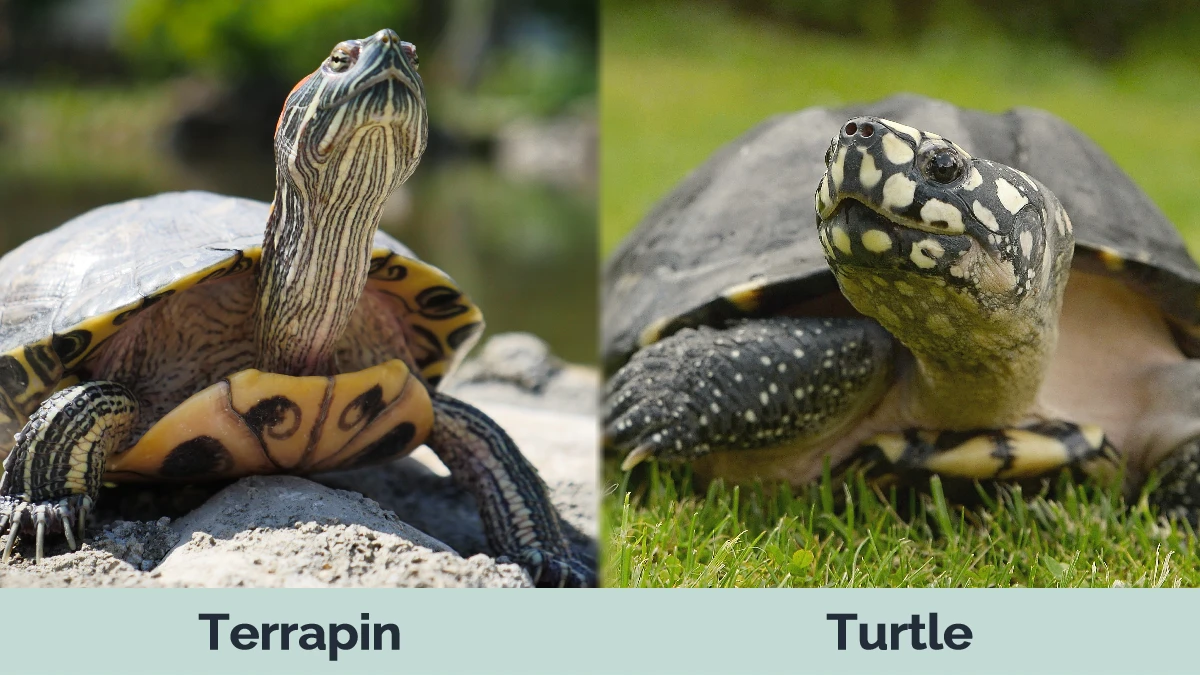
Visual Differences
At a Glance
Terrapin Overview
Characteristics & Appearance
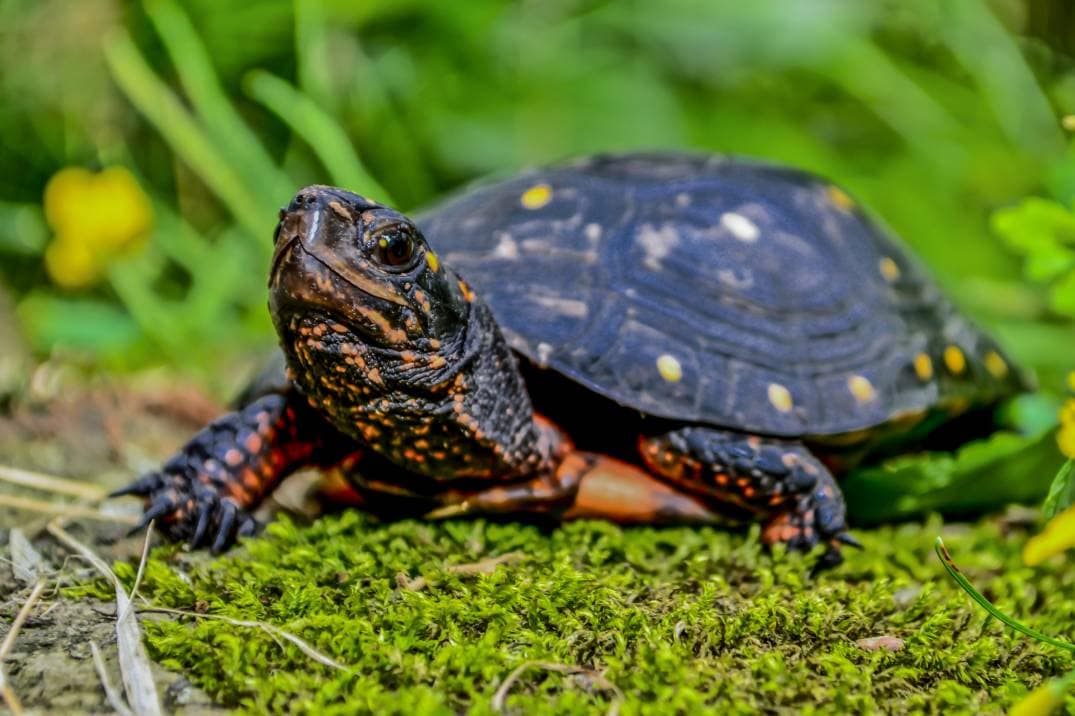
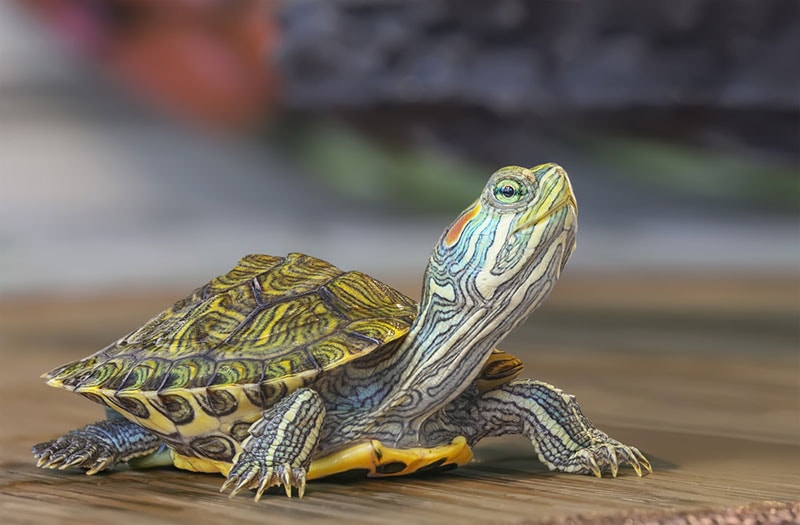
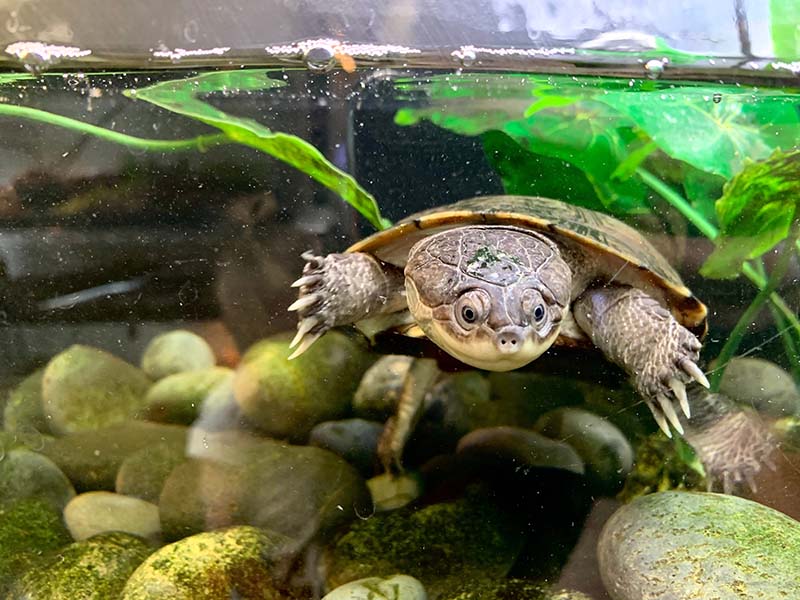
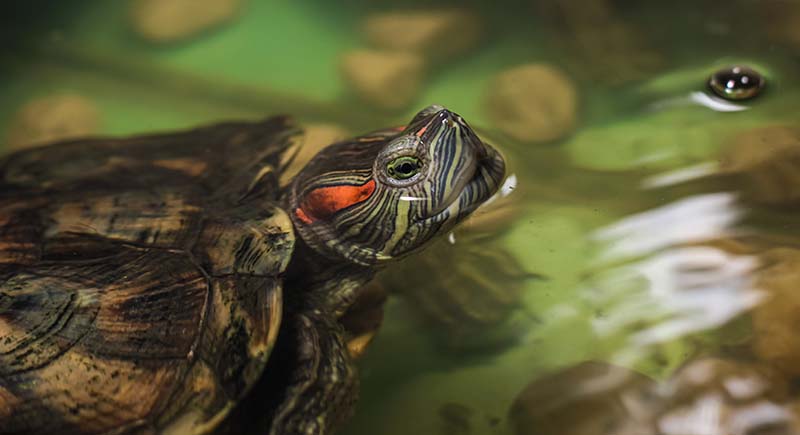
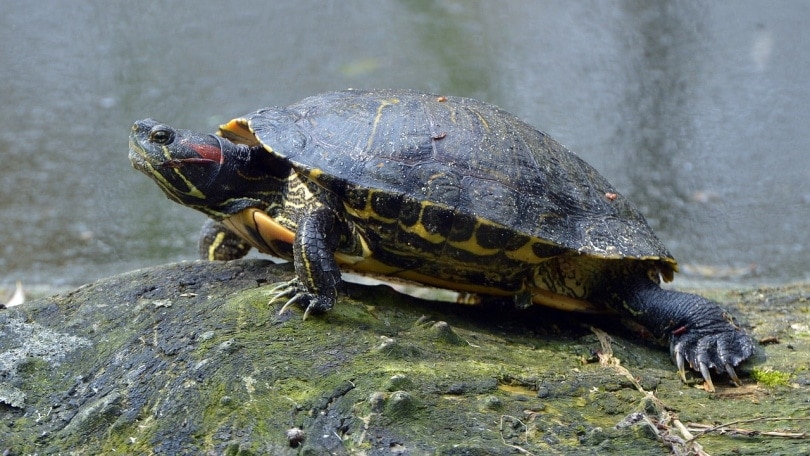
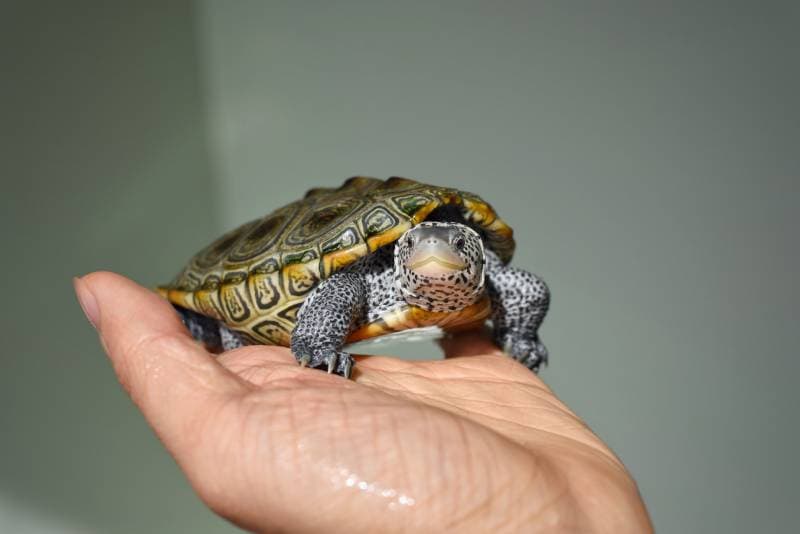
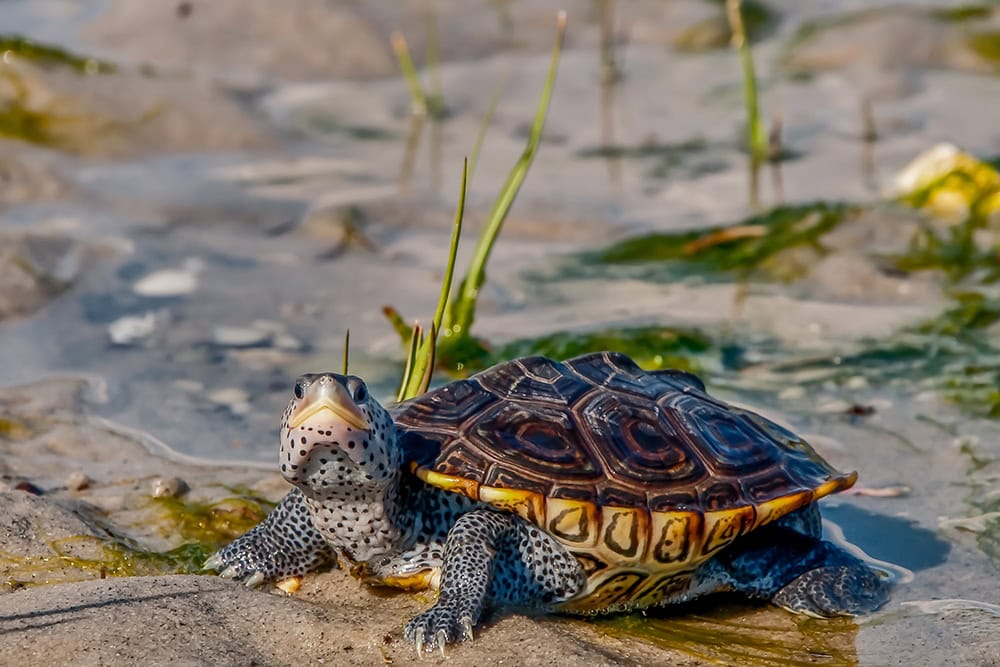
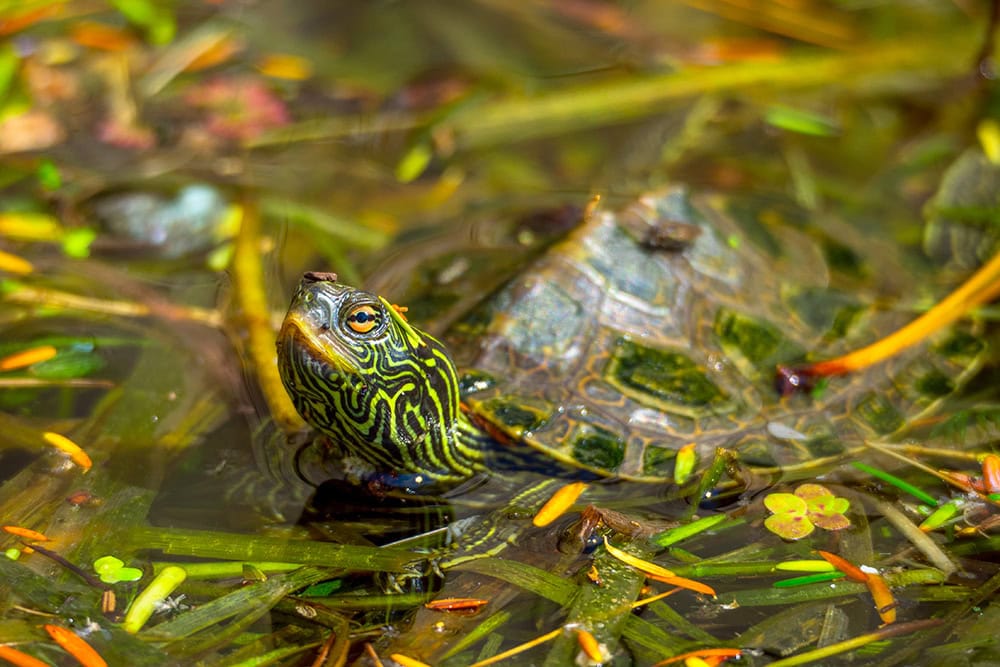
Terrapins, with their hard shells, webbed feet, and sharp beaks, are an intriguing type of turtle. They range in color from brown and green to gray and black, often adorned with unique patterns. Their compact, streamlined body shape is perfect for swimming and diving.
Natural Habitats
Coastal regions, particularly along the eastern and southern United States, serve as natural habitats for many terrapin species. Terrapins are often found in brackish waters, which are a mix of salt and freshwater, like estuaries and marshes. Swamps and wetlands, with their abundant vegetation, also provide a suitable environment for terrapins to thrive. Although they prefer brackish environments, some terrapin species can also be found in freshwater rivers and streams.
Care Needs
Habitat Setup
Terrapins require a sizable aquarium to accommodate both water and land areas. The size will depend on the species and the terrapin's adult size. A proper balance between water and land area is essential, as terrapins are semi-aquatic creatures. You'll need a heat lamp for the basking area and a water heater to maintain appropriate water temperatures.
Dietary Needs
Terrapins are omnivores and require a balanced diet of meat and vegetation. Regular feeding is crucial, with the frequency depending on the terrapin's age and size. Vitamin and mineral supplements may be necessary to ensure optimal health.
Health and Wellness
Regular vet visits can help detect any potential health issues early. Routine cleaning of the terrapin's habitat is vital to prevent diseases. Proper handling techniques are important to avoid stress and potential injury to the terrapin.
Time Commitment
Feeding, habitat maintenance, and monitoring your terrapin's health are daily tasks. Terrapins can live up to 40 years, meaning owning one is a long-term commitment.
Pros and Cons of Terrapins
Pros
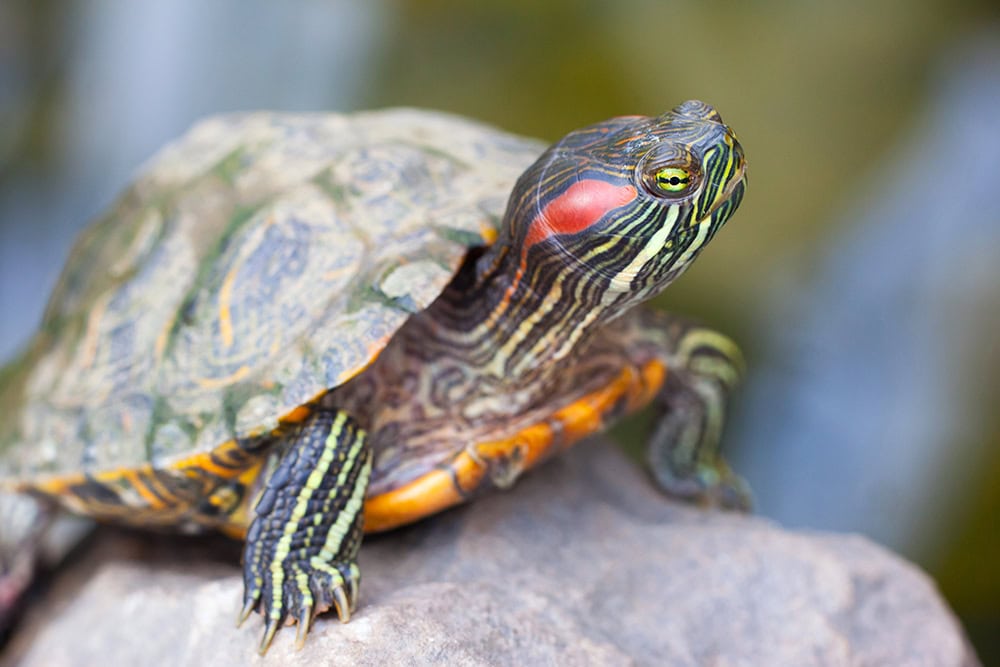
- Manageable Size: Terrapins are generally smaller in size, which makes them easier to handle. They can be a good choice for those who prefer a pet that is not too large or cumbersome.
- Suitable For Beginners: Due to their manageable size and relatively straightforward care needs, terrapins can be suitable for first-time pet owners or those with limited experience in caring for reptiles.
Cons
- Complex Housing Requirements: Terrapins require an environment that combines both land and water elements. This can make setting up and maintaining their habitat a bit more complex compared to other pets.
- Limited Species Variety: While there are several species of terrapins, the variety is not as extensive as that of turtles. This may limit your options if you're looking for a specific look or trait in your pet.
Turtle Overview
Characteristics & Appearance
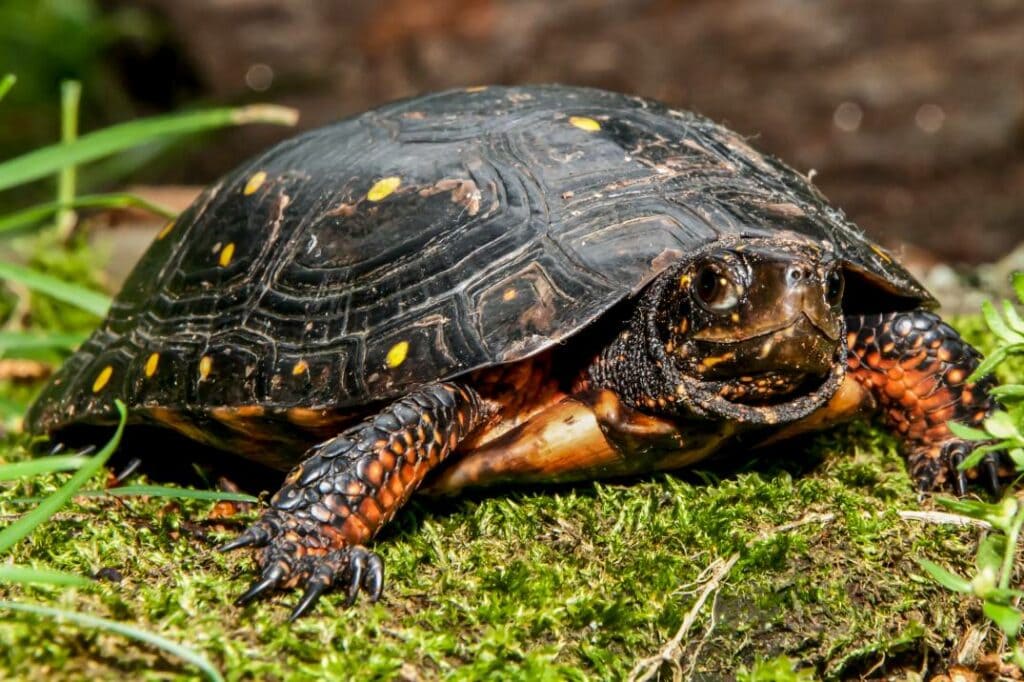
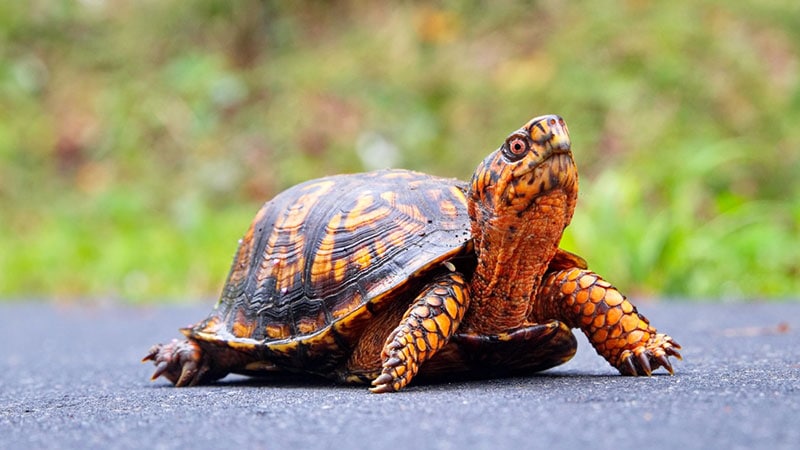
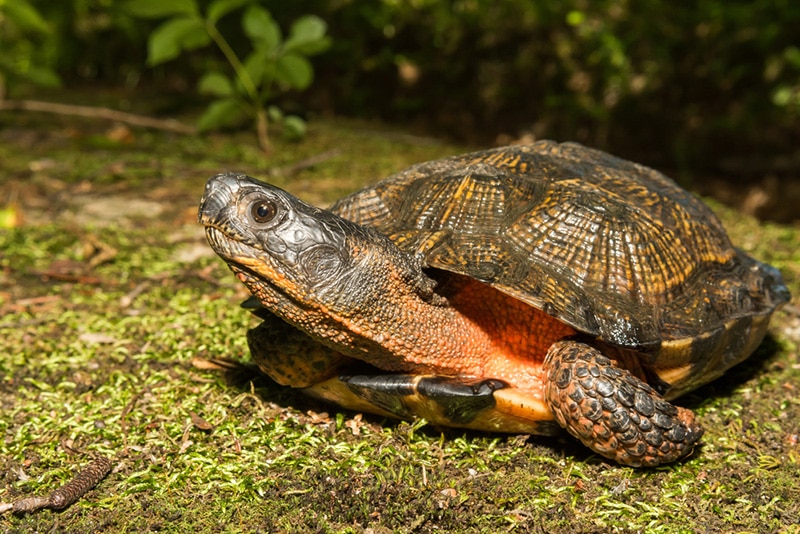
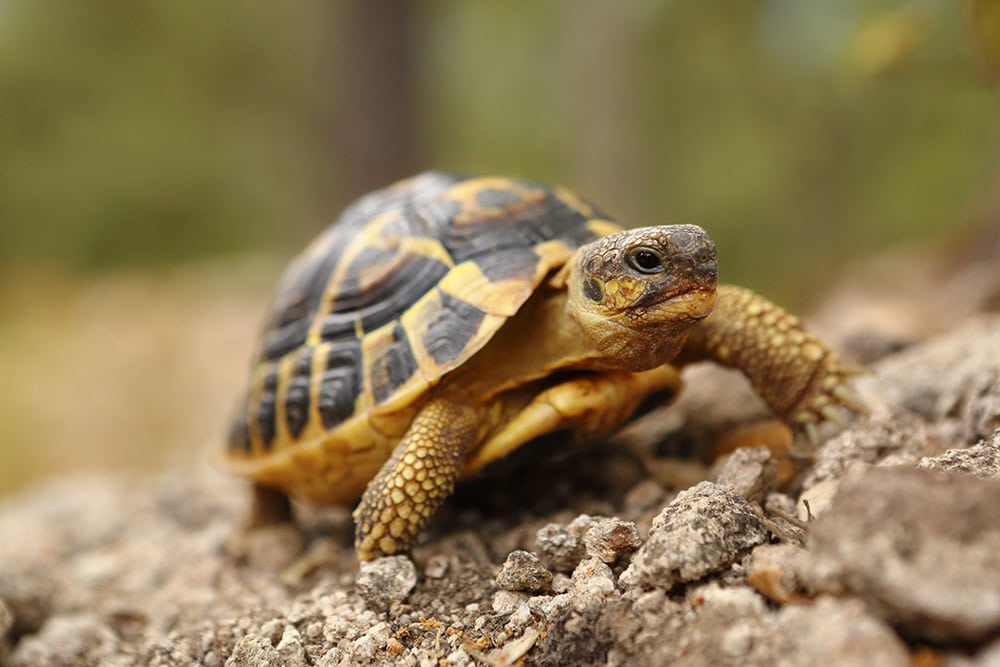
Turtles are a diverse breed, varying greatly in size and appearance. They are known for their sturdy, clawed feet and non-retractable head and neck. Their bony or cartilaginous shell is a defining characteristic.
Natural Habitats
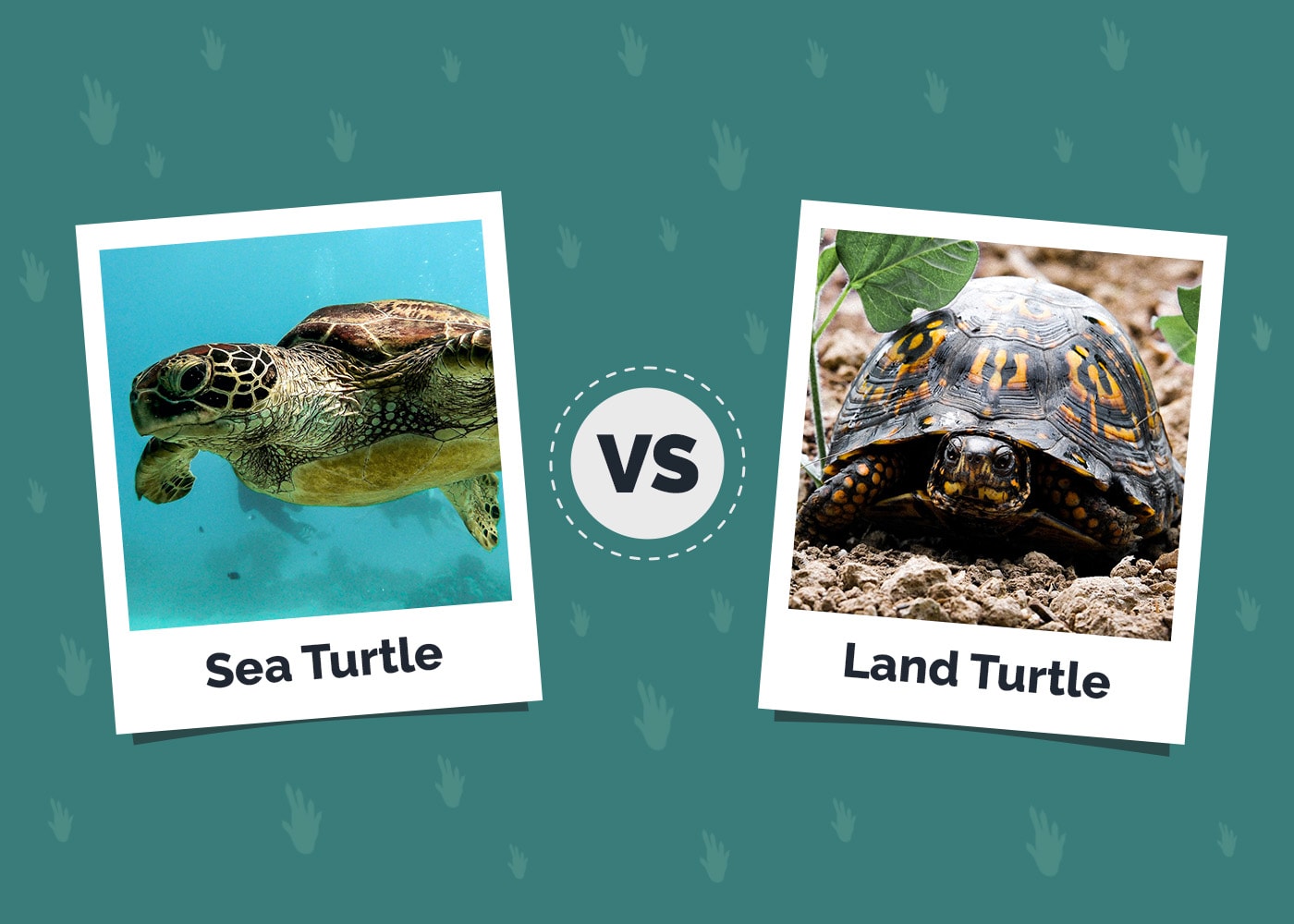
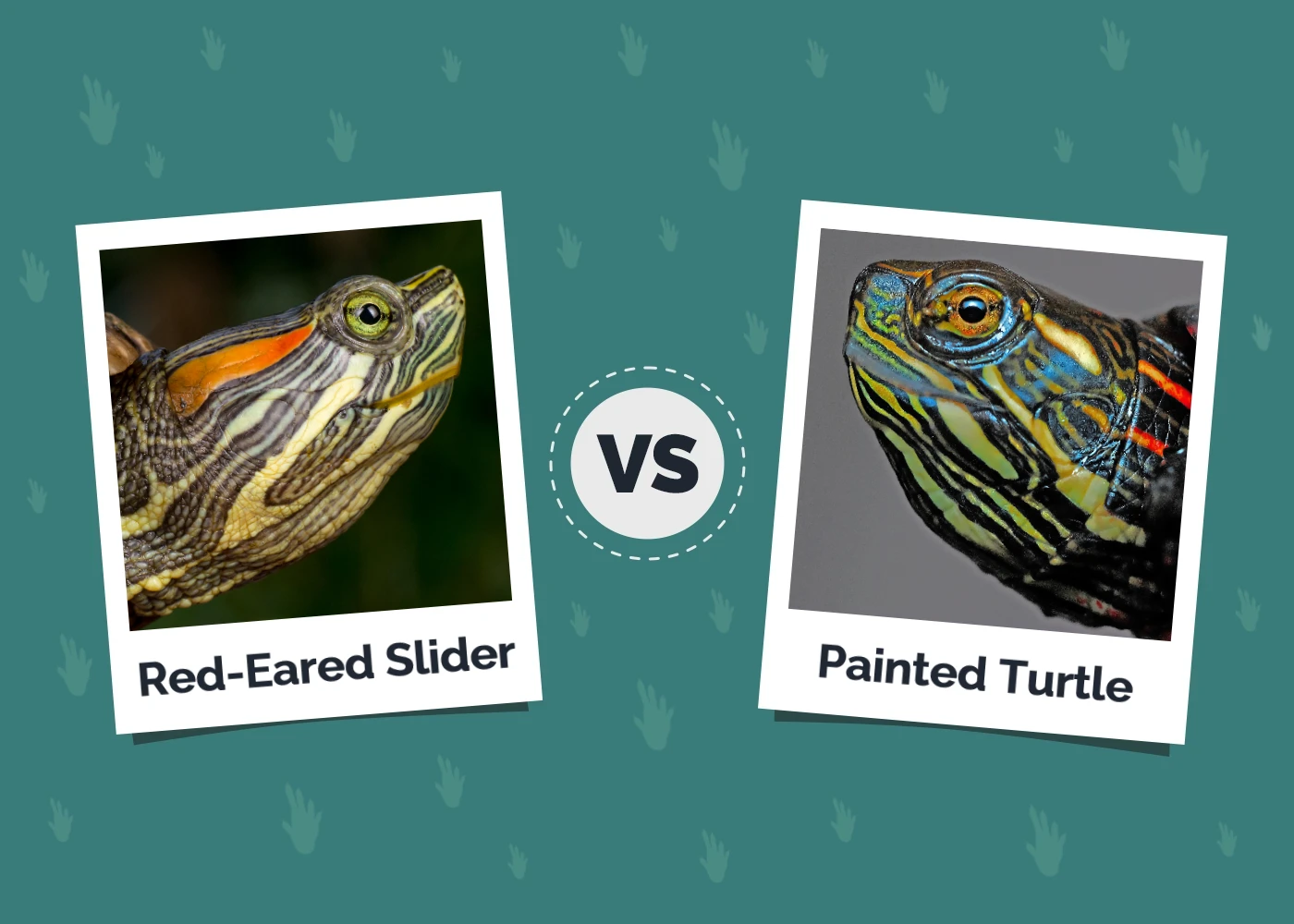
Many turtle species, such as the red-eared slider and painted turtle, reside in freshwater environments including ponds, lakes, and rivers. Sea turtles are strictly marine animals, spending most of their lives in oceans, seas, and coastal nesting areas. Some turtles, known as tortoises, are primarily land-dwelling and can be found in a variety of terrestrial habitats, from deserts to forests. Depending on the species, turtles can be found in both tropical and temperate regions around the world.
Care Needs
Habitat Setup
Depending on the species, turtles can be terrestrial, aquatic, or semi-aquatic. Their habitat needs to reflect their natural environment. Turtles can range from small to very large, and their enclosure size must accommodate their full-grown size. Turtles require a heat source, such as a heat lamp, and potentially a UVB light for shell health.
Feeding and Nutrition
Turtles are usually omnivores, but their dietary preferences can vary by species. The age and species of the turtle will determine how often it needs to be fed. Some turtles may require additional vitamins and minerals beyond what's in their food.
Healthcare
Routine vet check-ups are important for spotting health issues early. The turtle's shell may require special care or treatment to stay healthy. Owners need to be vigilant about watching for signs of illness, such as changes in eating habits or activity levels.
Time Commitment
Daily tasks include feeding, cleaning, and observing your turtle for any changes in behavior. Turtles have long lifespans, some living over 100 years, making turtle ownership a significant commitment.
Pros and Cons of Turtles
Pros
- Wide Variety of Species: Turtles offer a greater variety of species to choose from. This means you can select a turtle that best fits your preference in terms of size, appearance, and lifespan.
- Adaptable: Turtles are generally more adaptable to different environments. Whether it's a terrestrial, aquatic, or semi-aquatic setup, there's likely a turtle species that can thrive in it.
Cons
- Specific Care Requirements: Turtles have specific care requirements that can be demanding. These can include precise dietary needs, temperature control, and habitat setup.
- Potentially Larger Size: Some turtle species can grow quite large, which might not be suitable for all pet owners. Larger turtles require more space and can be more challenging to manage.
What Are the Differences Between Terrapins & Turtles?
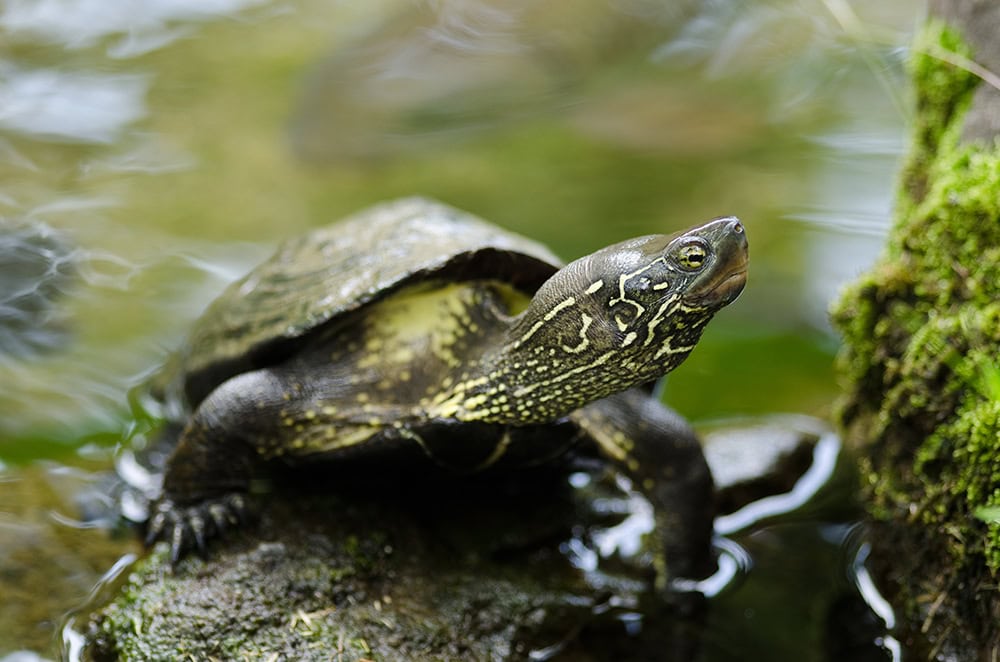
While both terrapins and turtles belong to the order Testudines, they differ in their preferred habitats, with terrapins favoring brackish waters and turtles being more adaptable. Turtles also offer a wider variety of species to choose from, with varied sizes and lifespans. Essentially, all terrapins are considered turtles, but not all turtles are terrapins.
Which Breed Is Right for You?
Choosing between a terrapin and a turtle depends on various factors, such as your personal preferences, living situation, and willingness to take care of a pet. Either one can be a delightful companion if you are willing to provide for their particular care requirements.
Featured Image Credit: Left - Sergii Votit, Shutterstock | Right - amray, Shutterstock
Get Hepper In Your Inbox


Pet care tips from our vets and experts, straight to your inbox.
You may opt-out at any time. View our Privacy Policy for more information.

Nicole is a lover of animals of all sizes but is especially fascinated with the feline variety. She’s the proud mom of Baby, a Burmese, and works every day so he can relax in the sunshine or by the fire. She’s always had a cat in her home and has spent countless days with others, observing behaviors and softening up even the grouchiest of the lot. Nicole wants to share her kitty expertise with you so you and your cat can live happy, healthy, and care-free.
Join the conversation
Ask a question, share your story, or send private feedback.