Hepper is reader-supported. When you buy via links on our site, we may earn an affiliate commission at no cost to you. Learn more.
Painted Turtle Lifespan: Vet-Reviewed Lifespan, Care, & Life Stage Info


In this article
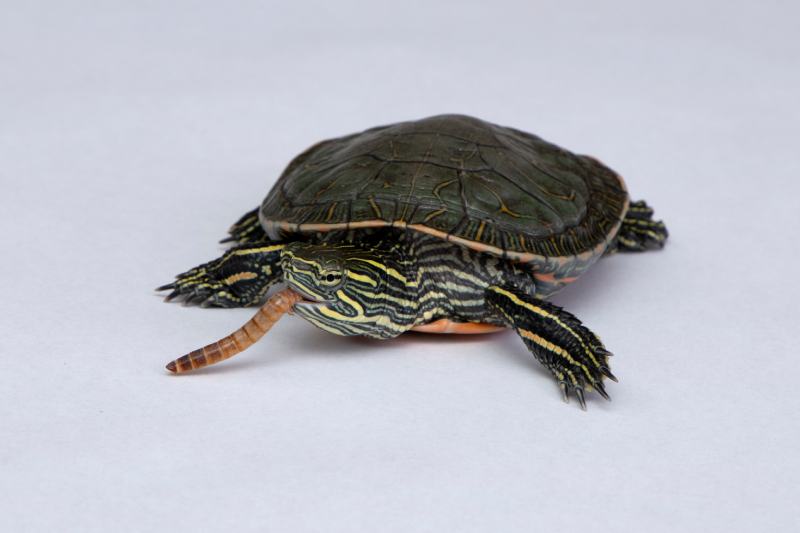
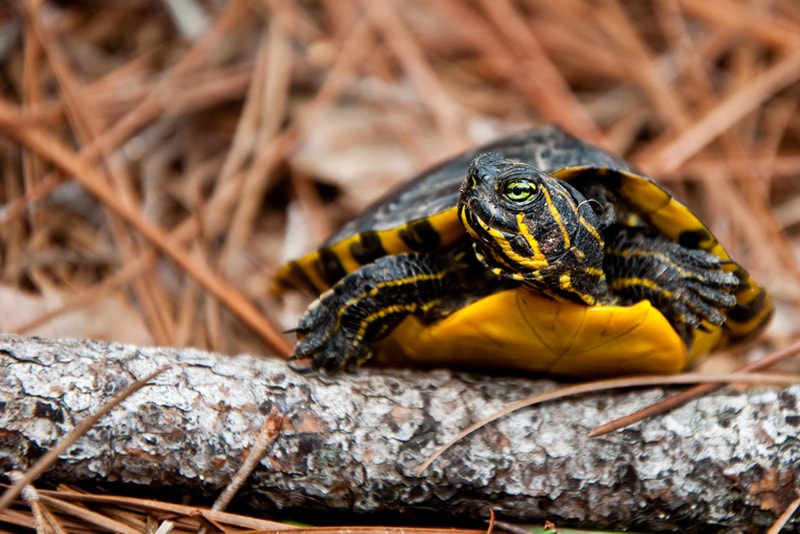
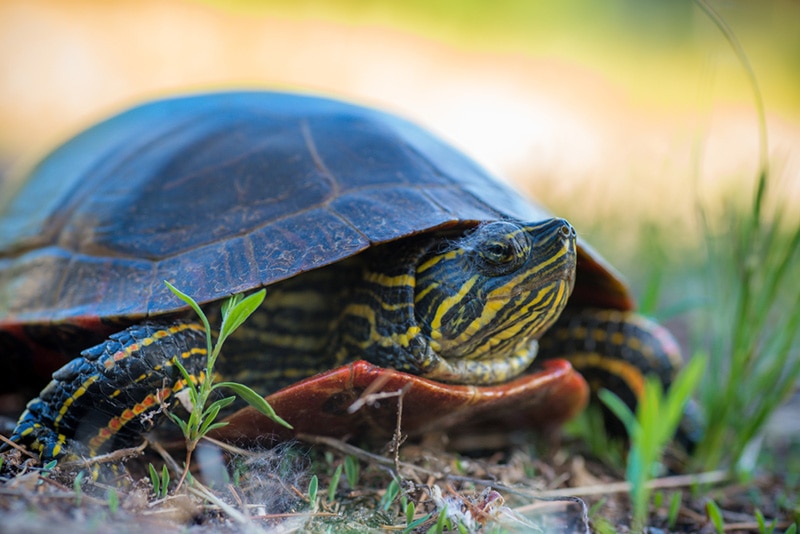
Painted turtles can be found in both the wild and captivity where they make great reptilian pets. They typically have a docile and easy-going temperament but aren’t too fond of being handled. When keeping a pet painted turtle, it is important to ensure that they are cared for properly. This allows painted turtles to thrive and live out the next couple of decades under your care. Indeed, this species can live up to 6 decades in the wild, and possibly even longer in captivity.
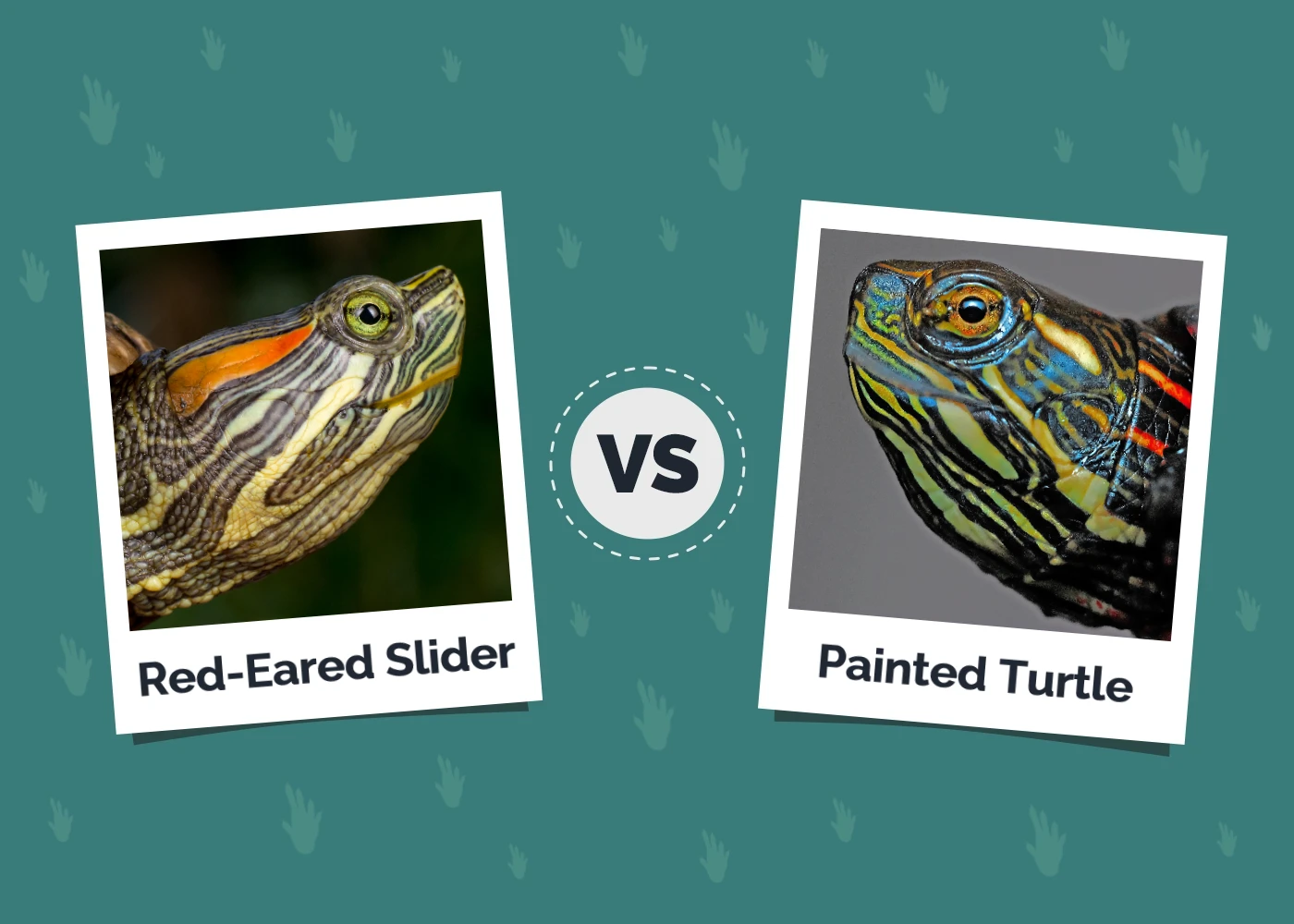
So far, three different subspecies of painted turtles are recognized and can be kept as pets. This includes the western, midland, and eastern painted turtles belonging to the Chrysemys genus. Although these subspecies can vary in size and color, they each have a similar average lifespan.

Painted Turtle Average Lifespan
The average lifespan of a painted turtle in captivity is around 30 years. However, they are capable of living longer; a wild individual was confirmed at 61 years. Certain painted turtles may live shorter or longer depending on their subspecies, care, health, and other environmental factors. A healthy painted turtle is generally going to live longer than an unhealthy one, so painted turtle owners should ensure their turtles are getting the right care they need.
How to Care for Your Painted Turtle for a Long Lifespan?
Note: Ensure it is legal to own a painted turtle where you reside. In the US, most states allow but discourage painted turtle pets. Oregon forbids keeping them as pets, and Indiana prohibits their sale. U.S federal law prohibits sale or transport of any turtle under 10 centimeters (4 inches) to limit the spread of Salmonella. If you reside outside the US, esure you check all relevant legislation before adopting a painted turtle.
Only captive-bred and raised painted turtles should be kept as pets. Wild painted turtles should not be removed from their natural habitat to be kept in captivity. This can be incredibly stressful and disruptive to the wild turtle, which may in return shorten their lifespan. It also disrupts local ecosystems. Likewise, pets should not be released in the wild, as they can spread diseases to native animals in the ecosystem and decimate their populations.
1. Feeding & Diet
All three subspecies of adult painted turtles are primarily carnivores, though they may at times eat plants too. They require a diet consisting of animal-based protein and some plant matter to keep healthy. During the first few months of a painted turtle’s life, they may lean more toward being a pure carnivore and may reject all vegetation. In the wild, the diet composition of adults varies by season. The diet of the eastern painted turtle is the least studied, and they have mostly been observed eating only injured or dead fish.
You don’t need to feed healthy adult painted turtles every day, and an appropriate portion of food every 2–3 days is usually sufficient. Their food intake should be monitored to prevent obesity or water quality issues. However, hatchling and juvenile painted turtles should be fed every day for growth.
2. Supplements
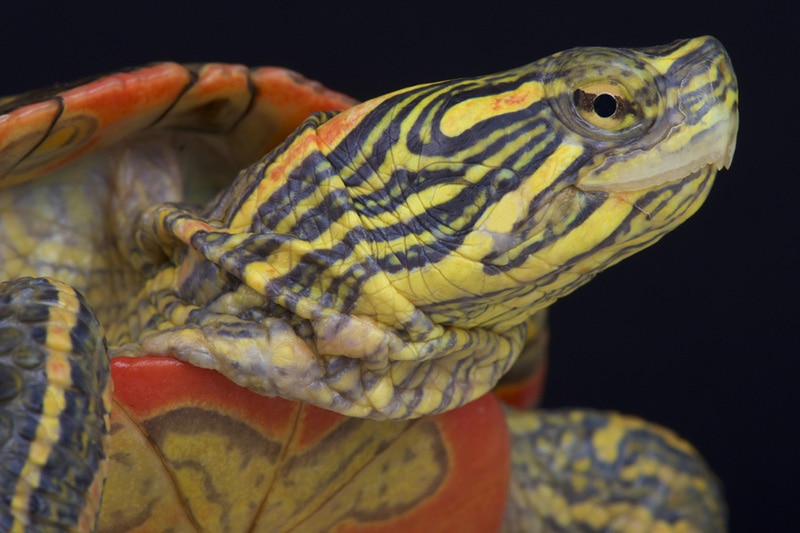
Painted Turtles may benefit from occasional supplementation in their diets. It is recommended to feed reptile multivitamins to both adult and young painted turtles once a week. Hatchling painted turtles benefit from bi-weekly multivitamins and calcium supplements, whereas adults should have a multivitamin sprinkled over their food once a week with calcium supplementation two to three times a week.
Vitamins A and D are important for painted turtles and deficiencies in these vitamins may be detrimental to their health. Calcium is essential for painted turtles since they need it for their muscular, shell, and bone health. For a painted turtle to properly absorb any ingested calcium, they require a UVB light. Metabolic Bone Disease (MBD) is a common problem in turtles that can develop from imbalances in calcium and phosphorus, and inadequate UVB exposure.
This makes it crucial for painted turtle owners to not only provide their turtles with a well-balanced diet but also the necessary supplements and UV lighting.
3. Environment
In the wild, painted turtles live in slow-moving freshwater wetlands with plenty of vegetation. Wild painted turtles don’t spend all of their time underwater though, as they will leave the water to bask.
In captivity, a painted turtle’s environment should be similar to the one they naturally inhabit with a basking spot, freshwater, aquatic vegetation, and the correct lighting and heating equipment. Your painted turtle’s environment should be as spacious as possible and keep them protected and secured.
4. Lighting and Heating
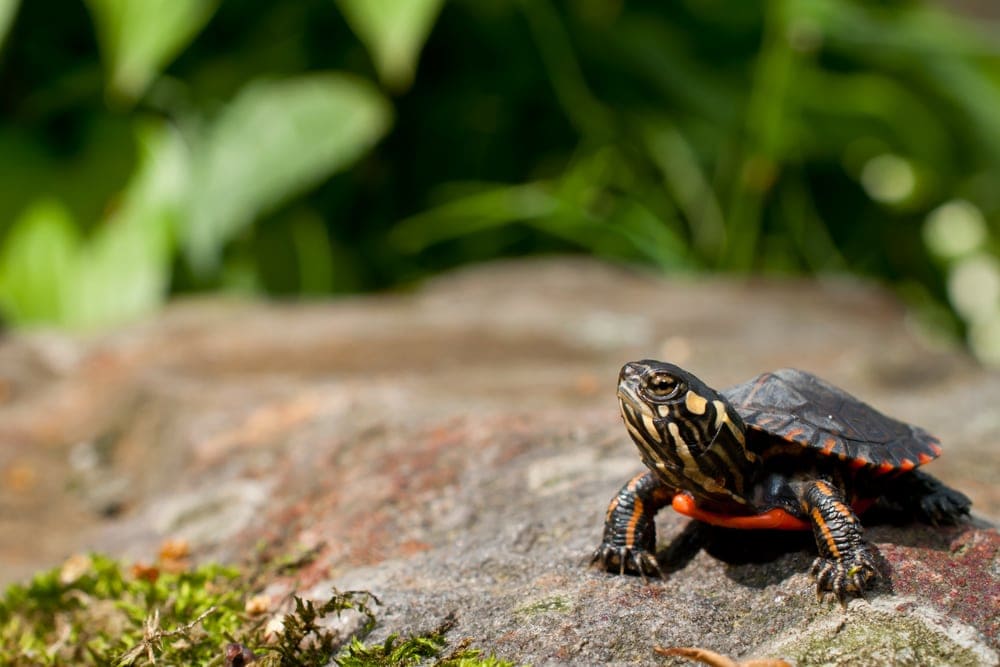
If your painted turtle is kept indoors or doesn't receive adequate sunlight outdoors, artificial lighting and heating are necessary. Painted turtles are cold-blooded reptiles, so they rely on external heating to regulate their body temperature. Wild painted turtles will bask for hours in the sun, and pet painted turtles need to do this as well.
Painted turtles require a basking spot with a halogen heat lamp, a bulb that emits UVB and UVA, and a bright fluorescent or LED lamp to mimic daylight. If the water temperature is cold, an aquarium heater is also necessary.
| Basking spot: | 27–32 °C (80.6–90 °F) |
| Water temperature: | 22–27 °C (71.6–80.6 °F) |
| Ambient temperature: | 22–27 °C (71.6–80.6 °F) |
Juvenile painted turtles seem to prefer a warmer overall water temperature than adults. The temperature should be closely monitored with a thermometer. Any lighting should be turned off during the night.
5. Healthcare
Even the healthiest painted turtle is still at risk of disease or injury which requires them to be taken to a reptile veterinarian. In most cases, your painted turtle may need a wellness health check-up every 6–12 months.

The Four Life Stages of a Painted Turtle
1. Egg
Painted Turtles start their life developing in an egg. Female painted turtles will lay a clutch of eggs on a moist sandy substrate. The egg will then hatch after 72–80 days.
2. Hatchling
Newly hatched painted turtles are known as hatchlings. During this stage, hatchling painted turtles are relatively small at one to two inches in size. They require a protein-rich diet in captivity, along with vitamins and supplements to grow and develop properly.
3. Juvenile
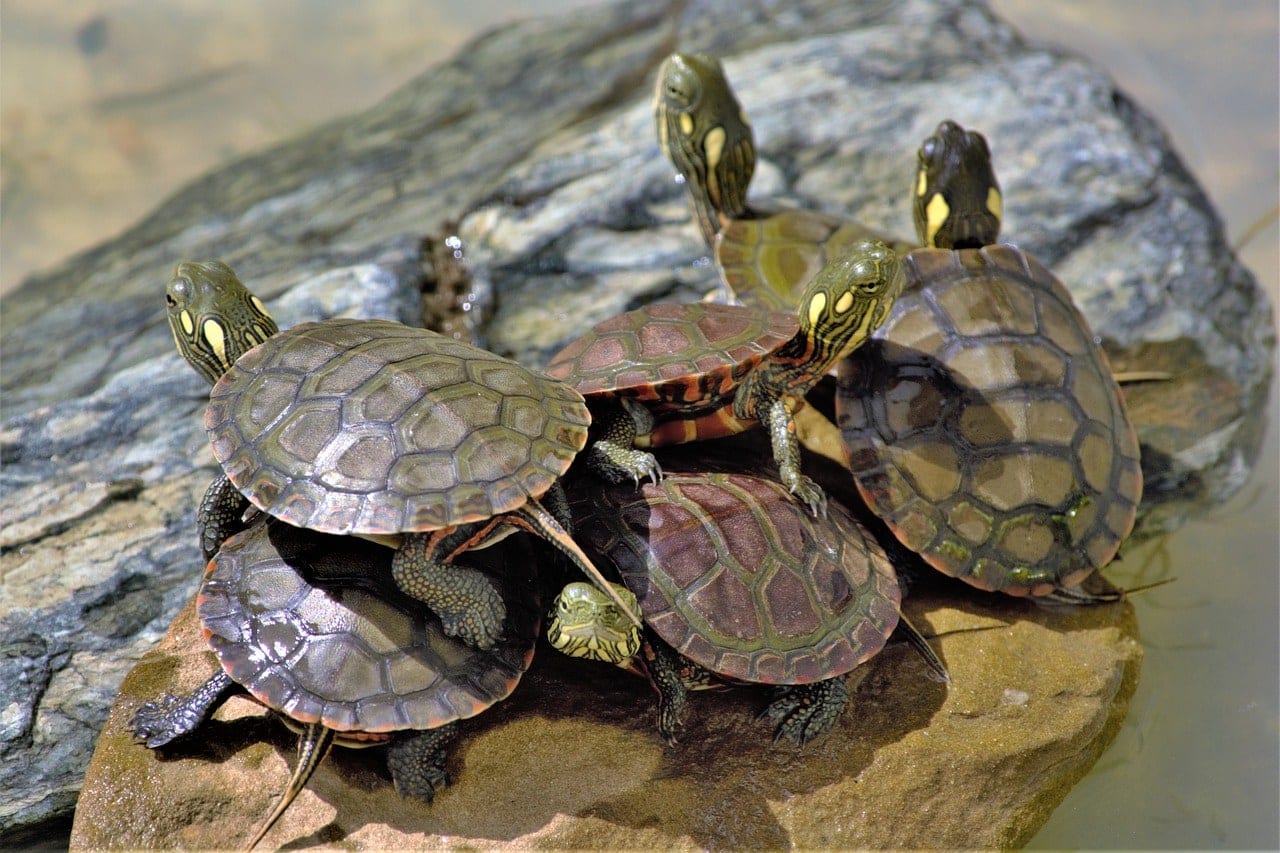
Juvenile painted turtles are past the vulnerable hatchling stage, but they aren't yet considered adults. Juvenile painted turtles are still growing and developing, so their shell won't be as fully hardened as an adult. They still require a balanced diet that includes nutrient-rich foods to help with their final growth stage.
4. Adult
It can take up to 5 years for painted turtles to reach their final adult size. Most adult painted turtles will range in size from 5–10 inches, with females being larger than males.
How to Tell Your Painted Turtle’s Age
It can be difficult to tell the age of your painted turtles once they are fully grown. However, a reptile veterinarian may be able to examine your painted turtles to determine an approximate age. If the painted turtle is still small and under 4 inches in size, they are usually considered a hatchling. If you find that the turtle is still small and growing but not small enough to be considered a hatchling, they are usually still considered juvenile.
Conclusion
Painted turtles make excellent long-lived pets for those who can care for them properly. Most pet painted turtles can live for over 30 years if they have the right diet, environment, and general care. Captive painted turtles typically live longer than their wild counterparts since they can be treated for diseases and kept safe from predators.
Sources
Featured Image Credit: Debra Anderson,Shutterstock
Get Hepper In Your Inbox


Pet care tips from our vets and experts, straight to your inbox.
You may opt-out at any time. View our Privacy Policy for more information.
Sarah is residing in South Africa with her partner and pets. She currently is interested in veterinary science and ichthyology, which she wants to study alongside her main passion: pet content writing. Sarah has over 60 fish including goldfish, tropicals, shrimp, and snails. She also keeps hamsters and a tarantula and wishes to provide quality content for readers and allow others to learn from her knowledge and experience. Sarah has much experience in all aspects of pet care, and providing the world with knowledge on ethical pet ownership is her lifelong dream.
Join the conversation
Ask a question, share your story, or send private feedback.