Hepper is reader-supported. When you buy via links on our site, we may earn an affiliate commission at no cost to you. Learn more.
Acid Reflux in Dogs: Signs, Causes & Treatment (Vet Answer)

In this article
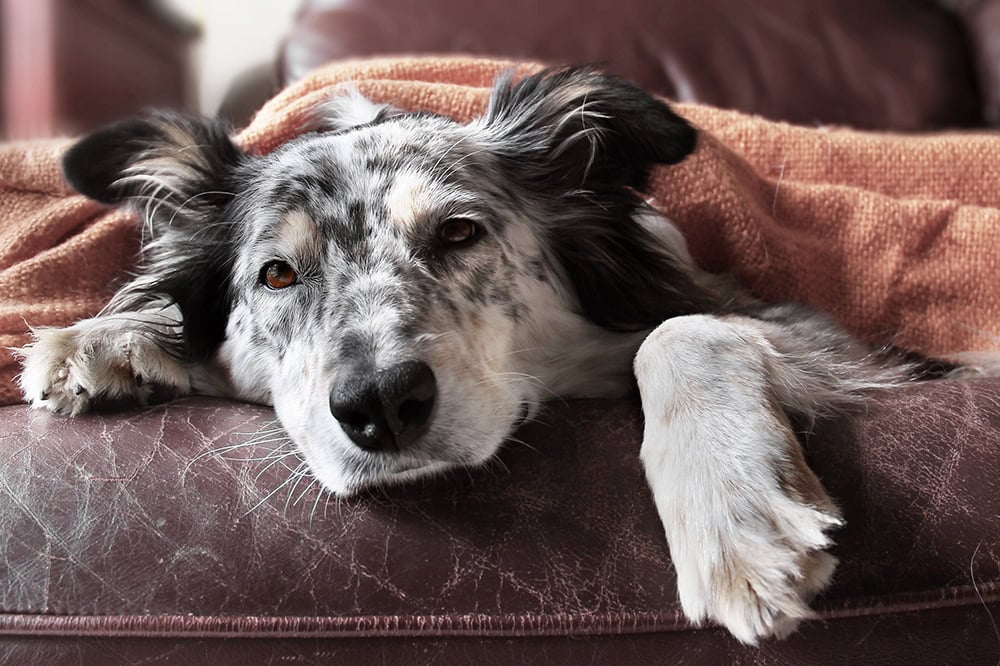
Did you know that excessively licking and a decreased appetite could be an indicator that your beloved companion is suffering from indigestion or acid reflux? This painful condition involving the backflow of stomach acid into the esophagus is fortunately treatable once the correct diagnosis has been made. Continue reading for more information regarding how acid reflux impacts our dogs and how it can be best managed.

What Is Indigestion and Acid Reflux?
Before diving into gastroesophageal reflux (GERD), commonly referred to as acid reflux, it is important to understand the normal process of digestion and anatomy.
Ingested food travels from the oral cavity down through the esophagus. Towards the end of the esophagus, there is a small muscle called a sphincter that helps control the unidirectional flow of food from the esophagus to the stomach. In healthy dogs, the sphincter prevents the backflow of stomach contents back into the esophagus. Once food contents reach the stomach, gastric secretions start breaking down food. As food enters the small intestines, bile is released which further aids in the breakdown of fatty food. Food travels through the rest of the intestines where nutrient absorption occurs.
So, where do things go wrong in a patient suffering from GERD or acid reflux? When gastric reflux is ongoing, irritation from reflux can cause esophageal ulcers and inflammation leading to pain and a variety of gastrointestinal signs. The inflammation of the esophagus that occurs secondary to acid reflux is called esophagitis. Once esophagitis occurs, eating and drinking can be painful.
What Are the Signs of Acid Reflux?
- Excessively licking
- Decreased appetite
- Regurgitation
- Vomiting
- Nausea
- Restlessness
- Belching
- Licking of lips
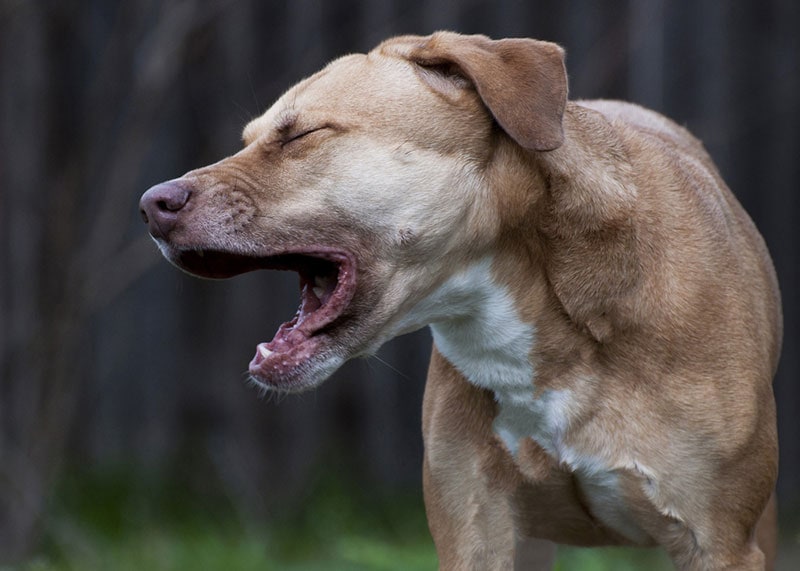
- Changes to bark
- Coughing


What Are the Causes of Acid Reflux?
Hiatal Hernia
This is a congenital condition in which a portion of the stomach protrudes through the diaphragm and enters the chest cavity. This leads to abnormal stomach positioning, enabling the backflow of gastric contents.
Recent Anesthesia
The positioning of the patient and the effects of anesthesia may predispose dogs to gastric contents moving back into the esophagus.
Delayed Stomach Emptying and Peristalsis
Certain conditions, like a foreign body blocking the outflow of gastric contents into the intestinal tract, may lead to acid reflux. There are also functional delays in peristalsis, the muscular contraction of the intestines that cause ingesta to travel through the gastrointestinal tract. When peristalsis is slowed, there is an increased risk of acid reflux.
Problematic Foods
Like people, certain foods may cause an increase in stomach acidity in dogs. This can be harder to recognize in pets, making avoidance much harder. Generally, fatty foods tend to cause an increase in the production of gastric acid and should be avoided.
Weakened Sphincter Tone
The esophageal sphincter tone may be weakened in some dogs for a variety of reasons, which allows gastric stomach contents to enter the esophagus.

How Is Acid Reflux or GERD Diagnosed?
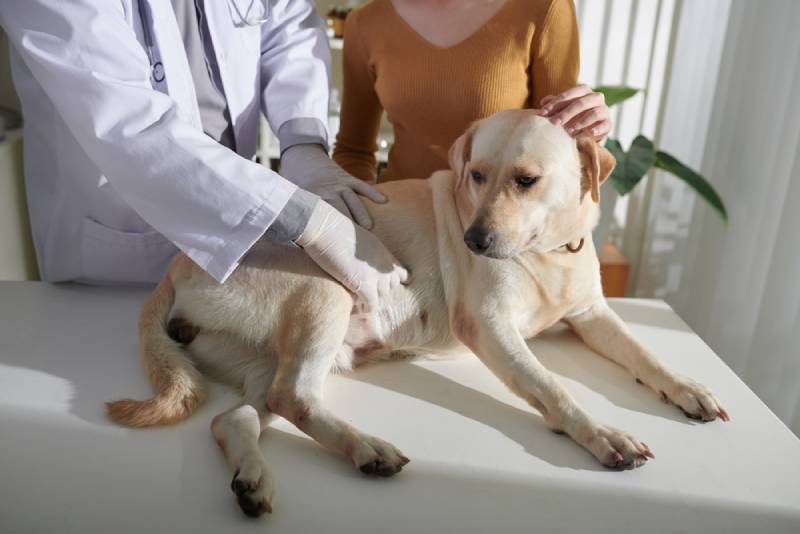
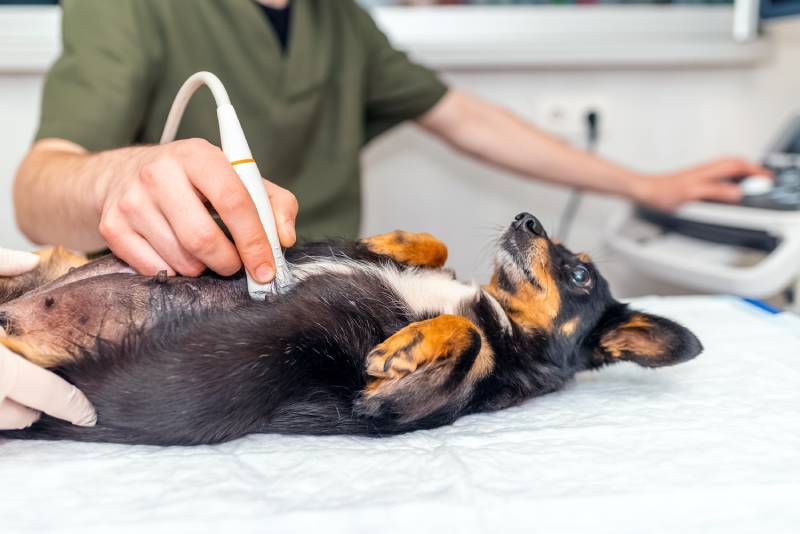
Your veterinarian will perform a physical examination on your dog and listen closely to the concerns you have regarding your pet’s behavior. Diagnostics like bloodwork and radiographs may be recommended to rule out other causes of gastrointestinal signs and discomfort.
Once suspicions of acid reflux have been made, your vet may recommend additional diagnostics to confirm their suspicions. A definitive way of diagnosing this condition is through endoscopy, a scoping procedure, in which a small camera is passed down the esophagus. The presence of inflammation within the lower esophagus is suggestive of acid reflux.
Alternatively, if diagnostics are unable to be pursued, your veterinarian may still initiate treatment for acid reflux and see if clinical signs resolve or improve.

How Do I Care for a Dog With Acid Reflux?
Seeing your dog have a reduced interest in food or seeing them show signs of discomfort is disheartening. The first thing you should do for your pet is to schedule an appointment with your veterinarian. Your veterinarian will perform a full physical examination on your pet, explain recommended diagnostics, and discuss supportive interventions.
Hiatal hernias or foreign bodies would not improve with supportive therapies alone, and corrective procedures would be necessary. Generally, a multimodal approach yields the most promising results in dogs suffering from common causes of acid reflux.

Diet
Dogs that experience gastric reflux tend to improve when they are fed a diet low in fat. Your veterinarian will provide you with appropriate recommendations based on your pet and any concurrent disease processes they may have. Small, frequent meals are beneficial to dogs suffering from acid reflux, as it stimulates less gastric secretion at one time. Frequent feedings also mean that the stomach is less likely to be empty for long periods of time, which minimizes the irritation gastric juices can cause to the lining of the digestive tract.
Medications
Antacids designed to lower stomach acidity may be recommended by your veterinarian. Examples of antacids that may be prescribed include famotidine, omeprazole, and cimetidine. The duration of administration will be dependent on the improvement of signs and your veterinarian’s clinical recommendations.
Medications used to increase sphincter tone may also be recommended like metoclopramide. Metoclopramide also increases gastric motility, lessening the chances of gastric acid being refluxed into the esophagus.
If inflammation of the esophagus (esophagitis) has occurred secondary to acid reflux or GERD, medication used to coat ulcers may be used. Sucralfate may be recommended for this reason and administered in slurry form so that it can coat irritations throughout the esophagus.
Frequently Asked Questions (FAQs)
Are Dogs Suffering From Acid Reflux Treated With Human Medications?
Yes; however, dosing is not the same. Make sure to follow instructions from your veterinarian to ensure you are appropriately treating your pet.
Will Bloodwork Show Abnormalities if My Dog Is Suffering From Acid Reflux?
No, bloodwork is generally normal in dogs suffering from acid reflux exclusively. There is not a specific marker for increased gastric acidity within baseline blood work.


Conclusion
If you observe unusual signs like excessive licking, regurgitation, or a decrease in appetite, make sure to seek veterinary care. These signs may be noted in dogs experiencing the backflow of gastric contents from the stomach into the esophagus, which can be painful. Your veterinarian will perform diagnostics and will help advise you on how best to care for your companion. Once the diagnosis of acid reflux has been made, dogs can experience quick relief of clinical signs with appropriate interventions. Fortunately, dogs with acid reflux or GERD have a good prognosis.
Sources
Featured Image Credit: Lindsay Helms, Shutterstock
Get Hepper In Your Inbox


Pet care tips from our vets and experts, straight to your inbox.
You may opt-out at any time. View our Privacy Policy for more information.
Meet Dr. Marti Dudley, a dedicated small animal veterinarian who possesses a strong passion for preventive medicine and client education. She takes pride in serving as a valuable resource for pet owners, firmly believing that a collaborative approach results in the optimal care for our beloved animal companions. In addition to her clinical work, Dr. Dudley has a fondness for writing, using this skill as an innovative means to educate pet owners beyond the confines of the traditional veterinary office setting.
Meet Dr. Marti Dudley, a dedicated small animal veterinarian who possesses a strong passion for preventive medicine and client education. She takes pride in serving as a valuable resource for pet owners, firmly believing that a collaborative approach results in the optimal care for our beloved animal companions. In addition to her clinical work, Dr. Dudley has a fondness for writing, using this skill as an innovative means to educate pet owners beyond the confines of the traditional veterinary office setting.
Professional Background:
Dr. Dudley has been actively practicing veterinary medicine since 2014, accumulating a wealth of experience. Her special interest lies in preventive care, and she places significant emphasis on the importance of educating clients about the well-being of their pets. Dr. Dudley's professional journey in veterinary medicine has been diverse, having worked as a general practitioner, affording her the opportunity to encounter and address a wide array of medical conditions in animals.
Educational Achievements:
Dr. Dudley's academic background includes a bachelor's degree in biology earned from Longwood University in Virginia. She further pursued her passion by obtaining a Doctor of Veterinary Medicine (DVM) degree from Ross University.
Join the conversation
Ask a question, share your story, or send private feedback.