Hepper is reader-supported. When you buy via links on our site, we may earn an affiliate commission at no cost to you. Learn more.
How Long Will It Take My Dog to Recover From Stomach Surgery? Our Vet Answers
In this article
A surgical procedure for a canine companion may stress out even the most seasoned owner, especially if urgent or emergency surgery is required. Gastric surgery, or surgery of the stomach, is no exception.
Here, we describe the canine stomach, the signs associated with gastric disease, the different types of stomach surgery, what you can expect from your dog’s surgical recovery, and how to provide the best care during this critical time.

The Canine Stomach
The stomach is an important component of your dog’s digestive system, which includes the mouth, esophagus, stomach, liver, pancreas, intestines, rectum, and anus.
The main jobs of the digestive system in canines include digestion, absorption of nutrients, movement through the gastrointestinal (GI) tract, and elimination of feces. The stomach is located in the abdomen between the esophagus and the small intestine, where it functions as a temporary storage site for food and produces substances that aid in digestion.
Signs of Gastrointestinal Disease in Dogs
A wide variety of signs may indicate that your dog is suffering from a medical condition affecting the GI tract. Localizing these signs to diseases that are affecting the stomach specifically may sometimes be challenging. However, the following signs associated with GI disease should be considered as potentially involving the stomach:
- Vomiting
- Diarrhea
- Excessive salivation
- Refusal to eat, or eating only a small amount
- Regurgitation
- Abdominal distension or bloating
- Abdominal pain
It is important to note that while your dog may display signs associated with GI disease, it does not necessarily mean they will require surgery. Frequently, signs like vomiting or diarrhea may be self-limiting, and single episodes may not require further evaluation or treatment.
However, if multiple episodes of vomiting or diarrhea occur or if they are noted in combination with one or more of the other signs listed, a trip to the veterinarian is recommended. They will perform an examination and likely recommend diagnostic testing (such as X-rays or blood work) for further evaluation of your dog’s clinical signs. An assessment of whether surgery may be required will be based in part on these results.


Surgical Conditions Affecting the Canine Stomach
A variety of disease processes may require gastric surgery in dogs, including the following relatively common conditions.
Foreign Body
From socks to sticks and children’s toys to corn cobs—you name it, a dog has eaten it. While some foreign material may pass through the GI tract uneventfully, unfortunately, it can often become lodged in the esophagus, stomach, or small intestines. This can lead to a mechanical obstruction or blockage of the GI tract.
If foreign material is stuck within the stomach, a flexible endoscope can sometimes be used for removal. More frequently, however, a surgical procedure called a gastrotomy (an opening into the stomach) is needed to remove foreign bodies in this location.
Gastric Dilatation-Volvulus
Gastric dilatation-volvulus (GDV) is a life-threatening condition most frequently affecting large and giant breed dogs. In cases of GDV, the stomach dilates or bloats due to an accumulation of gas, food, or fluid, and volvulus (rotation) of the stomach prevents the release of these contents. As pressure within the stomach continues to build, signs like non-productive retching, drooling, a distended abdomen, or collapse may become apparent. GDV can rapidly progress to hypovolemic shock and death unless treatment is sought immediately.
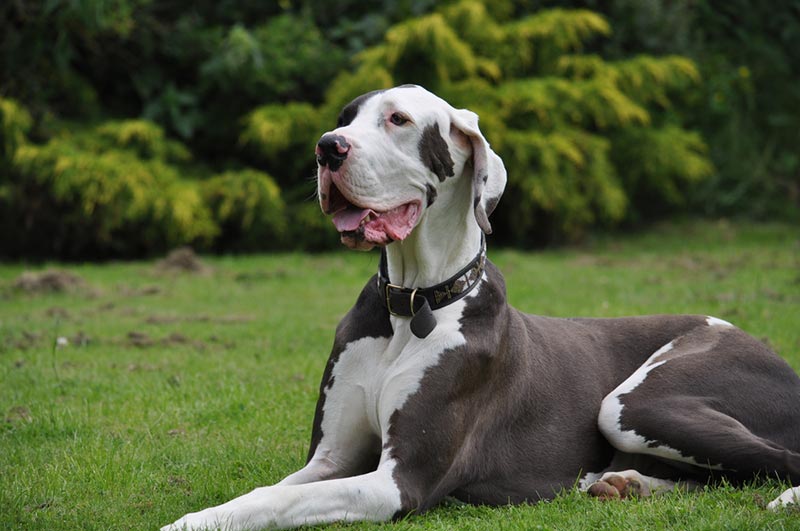
Therapy for GDV involves stabilization, decompression of the stomach, and surgery to permanently replace the stomach to its normal position; this procedure is known as gastropexy. While gastropexies are used to treat acute cases of GDV, prophylactic gastropexy is often recommended for dog breeds such as the Great Dane, Weimaraner, and Irish Setter, which are at a higher risk of developing GDV. Prophylactic gastropexy is often performed at the time of a spay or neuter.
Additional less common indications for gastric surgery in dogs include stomach cancer, ulceration affecting the stomach, or congenital conditions like hiatal hernias or pyloric stenosis.
Your Dog’s Recovery Period for Stomach Surgery and How to Care for Them at Home
The details of your dog’s recovery from stomach surgery will vary depending on their specific surgical procedure and whether they were sick before surgery. The latter variable can even lead to different recoveries for the same surgical procedure. Prophylactic gastropexy performed along with a spay or neuter is most frequently an outpatient procedure, meaning that your dog will be discharged from the hospital the same day as their surgery.
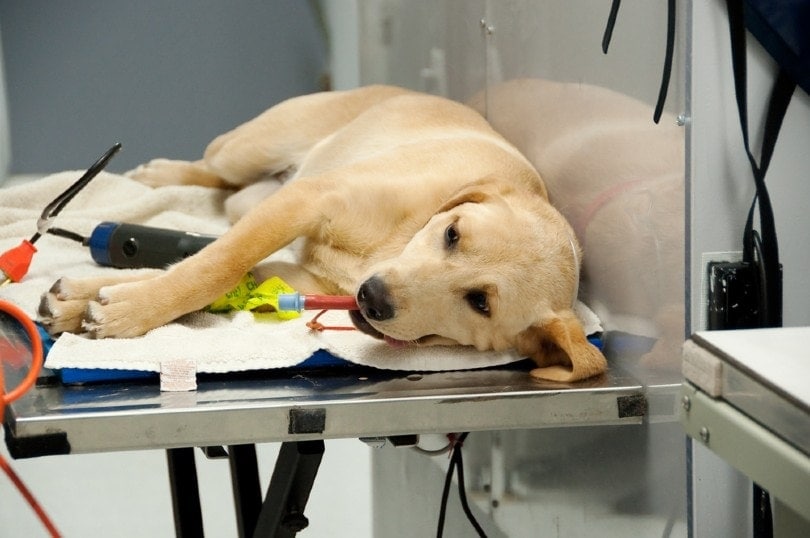
A gastropexy performed on a critically ill canine with a GDV, however, often requires several days of hospitalization for supportive care, and monitoring for postoperative complications before discharge from the hospital is recommended.
Whether your pet is hospitalized for several days following their procedure or they are able to recover at home, the first few days after your pet has gastric surgery are critical to their recovery. For the first 12–24 hours after surgery, you may note your dog being a bit “off” compared to their normal self; this is common, as your dog is recovering from major abdominal surgery. During this time frame, mild grogginess, a temporary decrease in appetite, increased vocalization, or irritation may all be noted and can be a normal part of recovery after general anesthesia. These signs should improve with time.
The following signs, however, are not normal and should be evaluated promptly by a veterinarian:
- Pale or white gums
- Depressed attitude, unable to stand or walk
- Difficulty breathing
- Continuous bleeding from their incision or an incision that appears open
- Vomiting
- Black, tarry, or liquid stool
- Prolonged decrease in appetite or anorexia following surgery
Tips for Keeping Your Dog Safe During Their Recovery
Depending on their procedure and how sick they were before surgery, your dog may start to act more like their usual self as soon as a few days after their procedure. While it may be tempting to allow them to resume their normal activities at this point, changes to their normal routine are needed for at least 10–14 days after surgery to keep them safe and ensure proper healing:
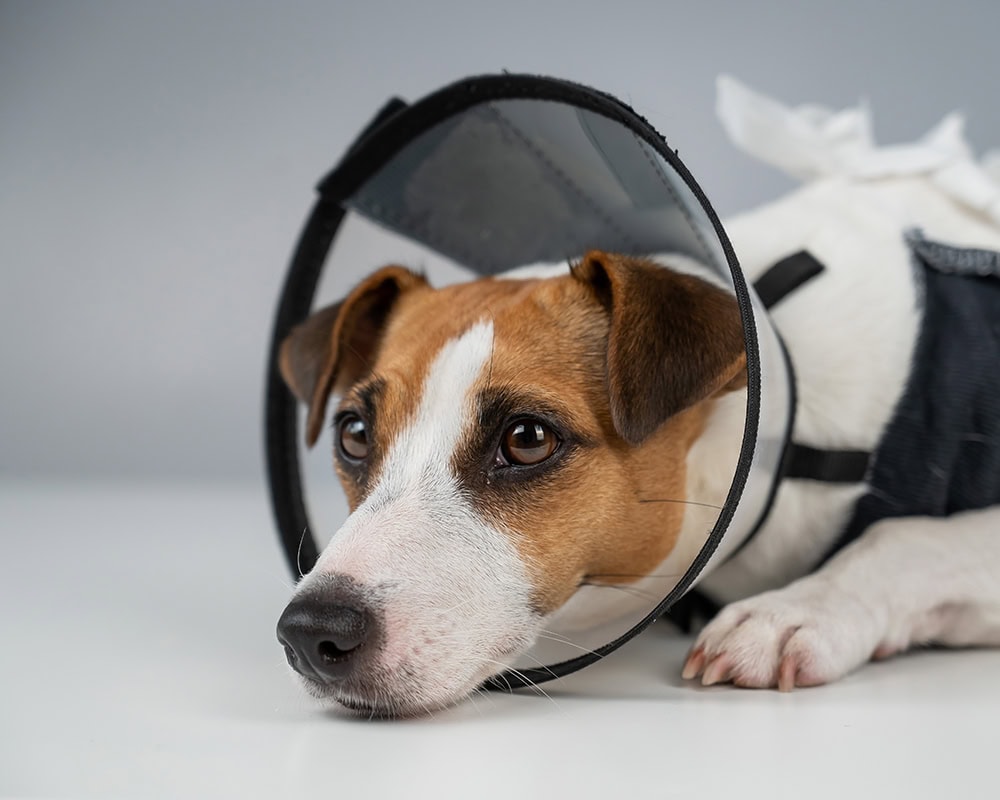
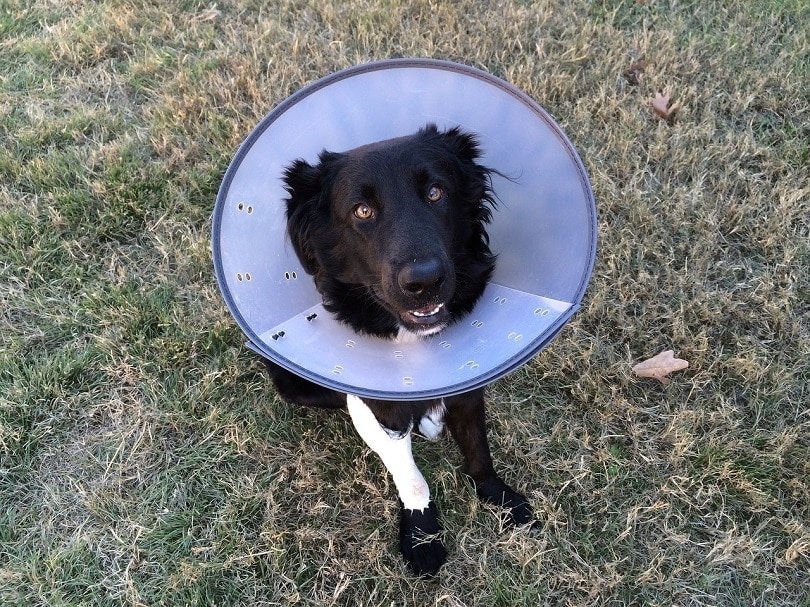
- Elizabethan collar: An Elizabethan collar, also known as a cone or E-collar, is essential in pets recovering from GI surgery. E-collars are important because they will prevent your pet from licking or chewing at their incision, which can lead to complications ranging from an incisional infection to dehiscence (opening up) of their abdominal incision.
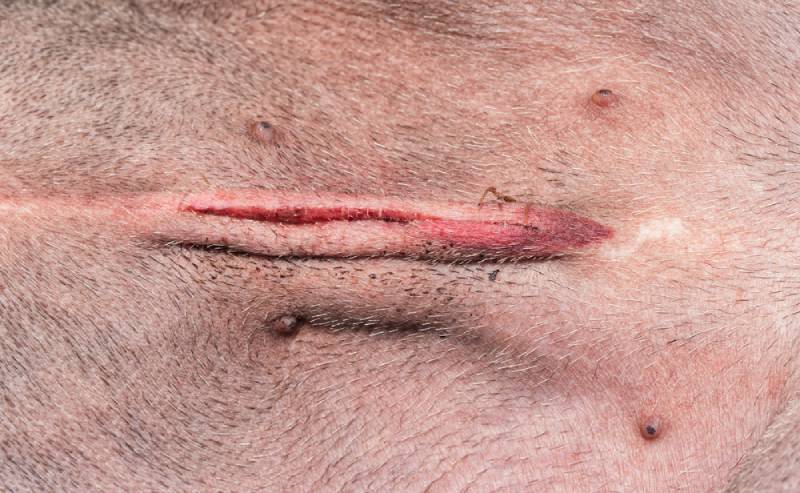
- Incision care: Your dog will likely have a fairly long abdominal incision following gastric surgery. It is important to keep this area clean and dry at all times. Daily monitoring of your dog’s incision during their recovery is essential to ensure that it is healing appropriately. Mild swelling or redness can be normal following surgery and should gradually improve with time. Signs of concern, including significant swelling, redness, discharge from the incision, foul odor, or an incision that appears to be opening up, should be promptly evaluated by your veterinarian.
- Postoperative medications: Your veterinarian will send your dog home with pain medication following their surgical procedure to help keep them comfortable. Anti-nausea medications, such as Cerenia (maropitant citrate), may also be prescribed. It is very important to give all postoperative medications as instructed and not to administer any over-the-counter medications without first discussing them with your veterinarian.
- Activity restriction: Running, jumping, and vigorous play are not recommended during your dog’s recovery period. Allowing your dog to rest and recover with minimal activity is key to promoting incisional healing; the previously noted activities may cause their incision to open up, requiring repair by your veterinarian. If you are having difficulty restricting your dog’s activity level during the postoperative period, your veterinarian may recommend sedative medication to help ensure a smooth recovery.
- Postoperative nutrition: Following your veterinarian’s specific instructions regarding postoperative feeding is essential after gastric surgery. Depending on their procedure, your pet may be able to start eating their normal diet immediately following surgery. Alternatively, a bland diet may be recommended. Changes to the amount and frequency of feedings may also be encouraged. For example, long-term management after a GDV and gastropexy may include two to three smaller meals per day (as opposed to one large meal) to minimize the risk of recurrence.
Conclusion
Stomach surgery for your dog may be performed for a variety of reasons, including treatment of GDV or removal of a gastric foreign body. While these recommendations for your pet’s recovery period provide a general idea of what to expect postoperatively, following your veterinarian’s specific instructions will be essential in helping to ensure a smooth recovery for your furry friend.
See also:
Sources
Featured Image Credit: ARVD73, Shutterstock
Get Hepper In Your Inbox


Pet care tips from our vets and experts, straight to your inbox.
You may opt-out at any time. View our Privacy Policy for more information.
Dr. Leigh is a US-based veterinarian with over 9 years of experience. She is a lifelong animal lover who grew up with all kinds of pets, including dogs, hamsters, and fish. Leigh received her Doctor of Veterinary Medicine degree from the University of Minnesota and has specialized in shelter medicine and small animal clinical practice ever since. She enjoys small animal preventative medicine and surgery and loves helping pet owners by sharing her knowledge on a wide variety of veterinary topics. Leigh lives with her husband, two young children, and Hershey, her elderly pug mix. Outside of work Leigh likes traveling, reading, and hanging out with her family.
When Dr. Leigh was a child, her passion for animals started. She grew up tending to hamsters, guinea pigs, rats, fish, and dogs. She now shares her home with her husband, her two young children, and Hershey, her geriatric pug mix. When she's not working, Leigh loves spending time with her family, reading, and traveling.
Education
Leigh graduated from the University of Minnesota, where she received her Doctor of Veterinary Medicine degree. She has worked in both small animal clinical practice and shelter medicine since graduation.
Experience
Dr. Leigh has over 9 years of veterinary experience. She enjoys small animal preventative medicine and surgery and is passionate about helping pet owners through sharing her knowledge on a wide variety of veterinary topics.
Check out some of our top posts written by our veterinarian team:
Can I Put Vaseline on My Cat’s Paws? Is It Safe?
Join the conversation
Ask a question, share your story, or send private feedback.