Hepper is reader-supported. When you buy via links on our site, we may earn an affiliate commission at no cost to you. Learn more.
How to Prevent Dog Regurgitation: 5 Tips & Tricks



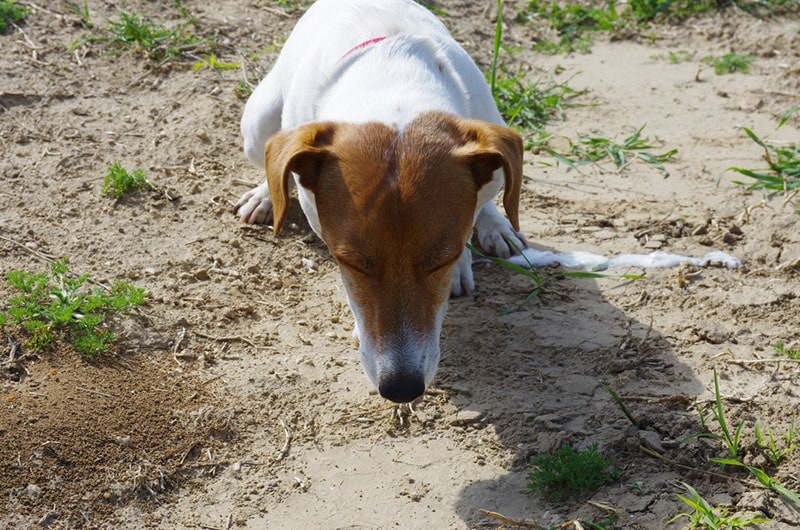
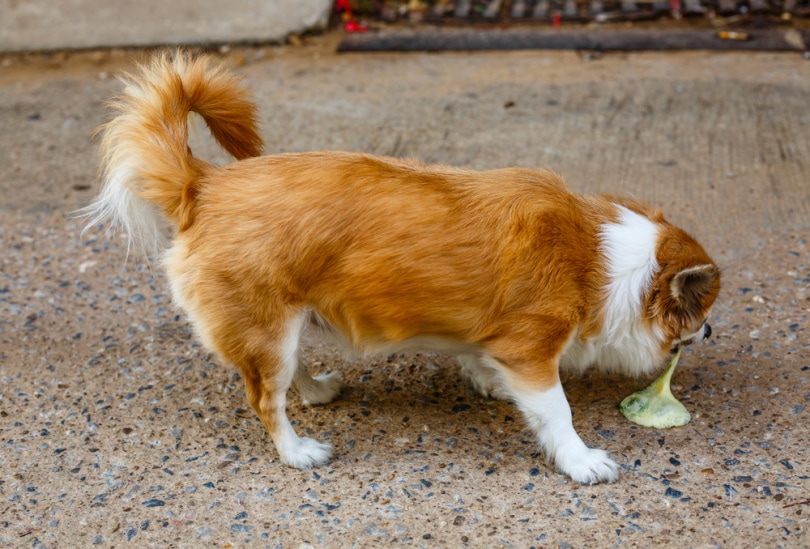
Regurgitation (or vomiting) of food or water is never normal in dogs and must be addressed promptly. Regurgitation can carry serious consequences if the material that comes back up goes into your dog’s lungs (called aspiration pneumonia).
It is possible, though, that as a one-off, you see your dog eating their food too quickly, causing it to come straight back up. You can do a few things at home to resolve this problem, like changing their food or their feeding routine. If the following tips do not help your dog, make sure you take them to the vet for an accurate diagnosis and treatment.
If your dog is not feeling well after throwing up or you see any strange colors like a yellow (bile) or red pink (blood) tinge, it is time to visit your vet.

The 5 Tips for Preventing Dog Regurgitation From Eating Too Fast
1. Soak Their Dry Food
If your dog is fed on dry food, you can try soaking their dry food in water for 10 to 15 minutes. The water will soften and swell the food so it will take slightly longer to eat.
2. Use a Slow Feeding Technique
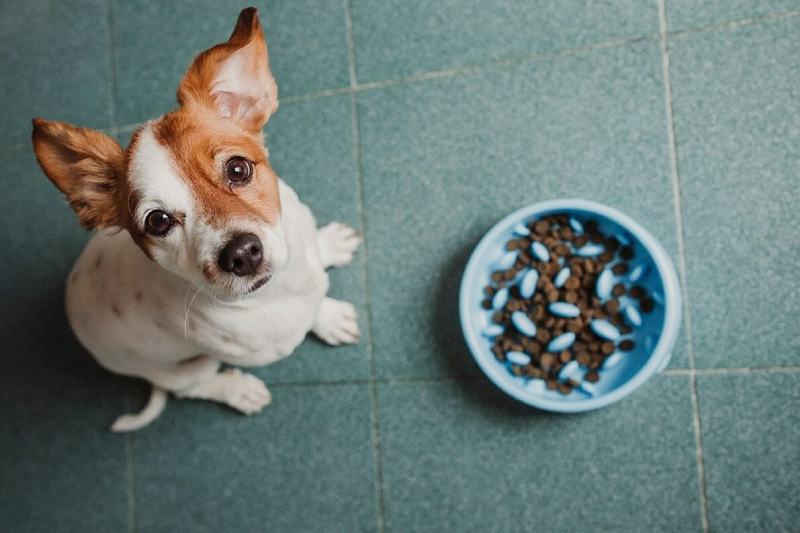
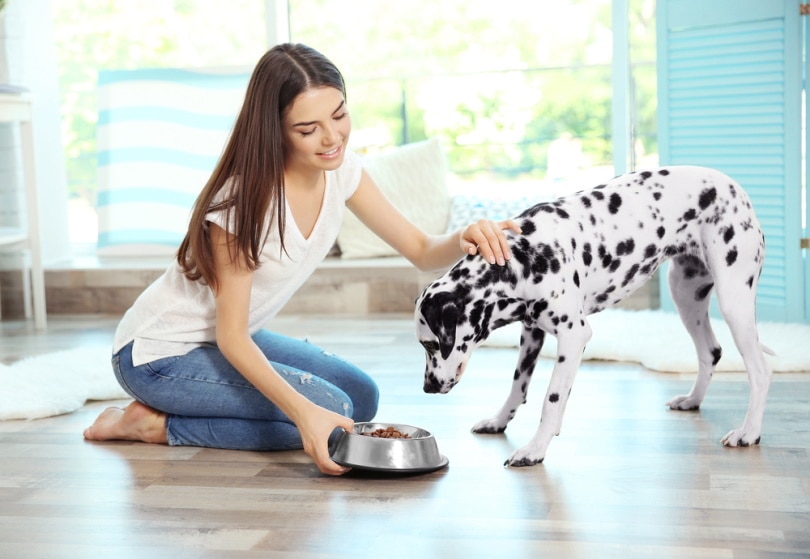
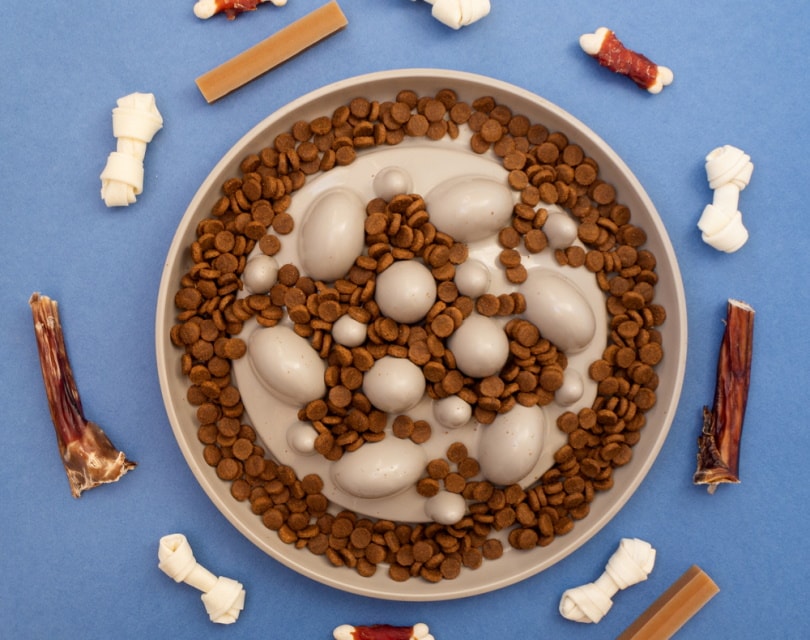
There are many types of bowls that are designed to slow down your dog’s eating, including puzzle and slow feeder bowls. This is another relatively simple solution to dog regurgitation since many pups get over-excited at the thought of food.
3. Feed Smaller, More Frequent Meals
If your pup gets excited at mealtimes and slowing down their feeding is helping but not enough, you may also want to make their meals smaller and feed them more frequently. For example, if you feed them twice a day, you could start feeding them three times a day and reduce the portions at each meal accordingly.
4. Feed On Their Own
It is possible that your dog feels competitive with other furry family members. This can cause them to gulp down their food, thinking it is now or never. You can feed your dog in a separate room or alternate feeding times to ensure your dog feels calm and relaxed when eating their meal.
5. Visit Your Veterinarian
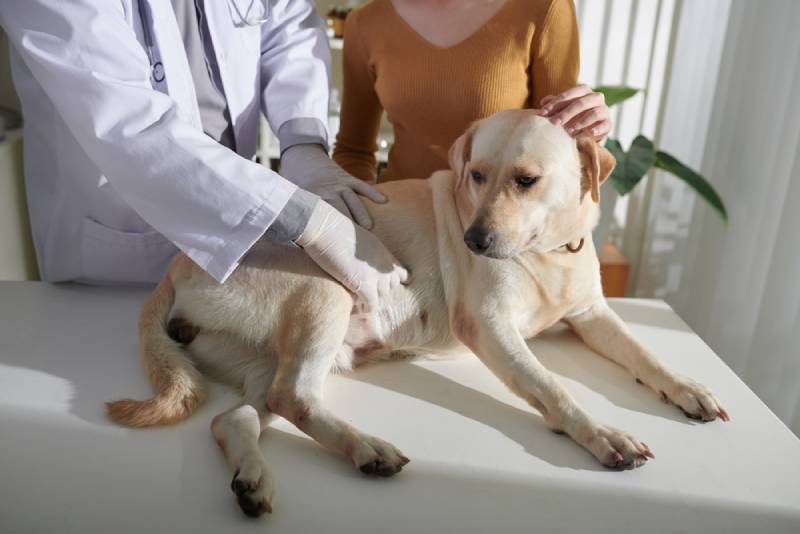
If the steps you’ve taken have not been effective, it’s time to see your veterinarian so they can examine your dog and diagnose the problem. Your veterinarian can diagnose many physical conditions that could cause regurgitation and let you know the best way to treat them effectively, allowing your dog can go back to eating normally or with relatively few modifications to their diet.
However, your vet will need to know what they are eating, how much of it, and how you feed it to them to help them diagnose the issue.

More About Dog Regurgitation
Regurgitation can be a sign of more severe health issues that should be treated by your veterinarian. Keep reading below to learn more about the condition and what can be done about it.
Regurgitation vs. Vomiting
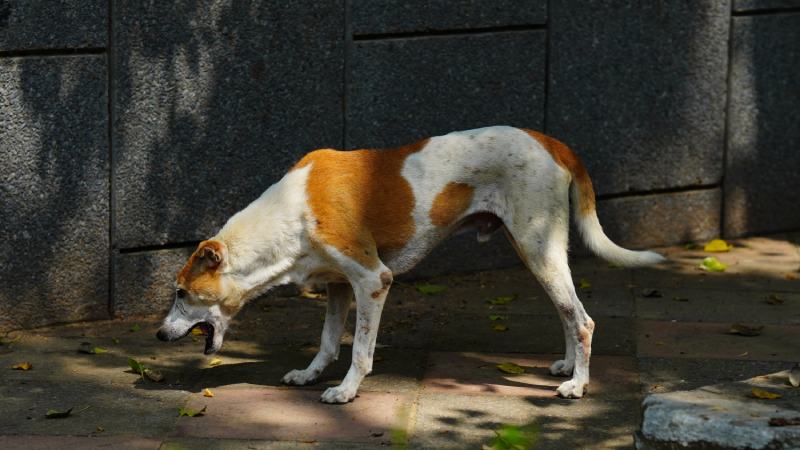
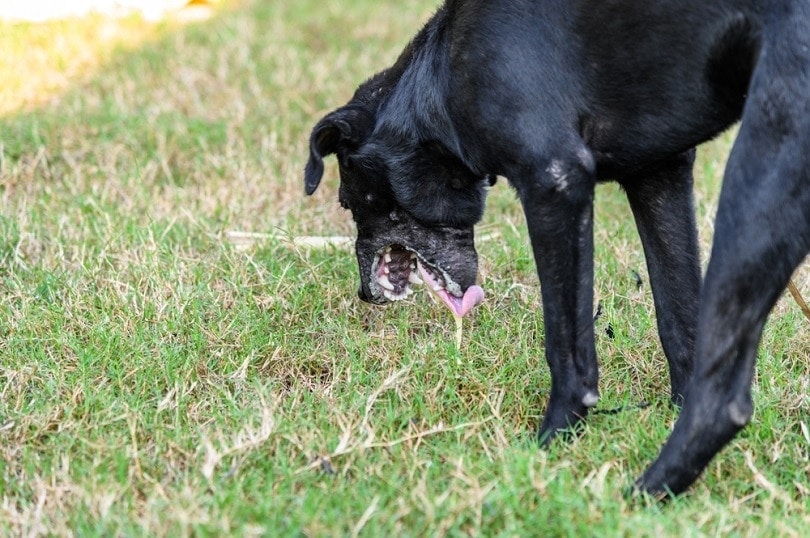
Regurgitation often comes up quickly, passively, and easily, with no heaving, whereas vomit comes from the stomach and involves nausea, drooling, heaving, and abdominal contractions. You may also notice pieces of undigested food or other clues such as yellow foam or liquid that indicate vomiting.
Causes of Regurgitation
Many things can cause regurgitation, including eating too fast, ingesting foreign bodies, motility disorders, and tumors.
Important Note
Dog Breeds Predisposed to Regurgitation
Any dog can develop regurgitation, but some dog breeds are more susceptible to regurgitation for various reasons. Mini Schnauzers and Wirehaired Fox Terriers are especially prone to megaesophagus, while dogs with flat faces are prone to other esophageal diseases that may result in regurgitation.
Conclusion
One-off regurgitation can be normal in dogs. However, if your dog is often regurgitating and you’ve tried the home remedies listed here, you should make an appointment with their veterinarian to rule out any more serious causes. Regurgitation can cause aspiration pneumonia and might be the only sign of a serious condition, so it should never be overlooked. Be sure to watch your dog closely and relate any troubling health signs to your veterinarian.
Related Read: Betta Fish Facts You Should Know (Vet Reviewed)
Sources
Featured Image Credit: Jan Barkmann, Pixabay
Get Hepper In Your Inbox


Pet care tips from our vets and experts, straight to your inbox.
You may opt-out at any time. View our Privacy Policy for more information.
Krysha is a proud mom to Shelly, a tortoiseshell “Tortie” rescue kitty that loves to talk back, especially if I’m late with breakfast. Shelly’s big personality, despite her small stature, has been a driving force behind my ambition to spread awareness about local shelters and the small things residents, support groups, and non-profits can do to support them. Growing up, Krysha experienced the care of many pets, from cats and dogs to turtles and small lizards to hamsters and tropical fish.
Krysha is a freelance content writer specializing in pets, travel, and wellness. Her writing career began in 2009 while still studying English and Creative Writing at the University of Nevada, Las Vegas. Now, her creative writing skills combine with technical SEO experience to provide high-quality blog and web content for eCommerce and service-based websites.
Join the conversation
Ask a question, share your story, or send private feedback.