Hepper is reader-supported. When you buy via links on our site, we may earn an affiliate commission at no cost to you. Learn more.
What Is Dog Regurgitation? Vet Reviewed Differences From Vomiting


In this article
Walking into a room to find a mess on your floor isn’t a fun thing. As a loving dog parent, you instantly worry about your companion. It’s also normal to instantly make assumptions. For most of us, when we find gross messes, we think of vomiting. However, that isn’t always the situation you find yourself in. Unless you’re there to see what happens or investigate what was left behind, you don’t know if your dog is regurgitating or vomiting.
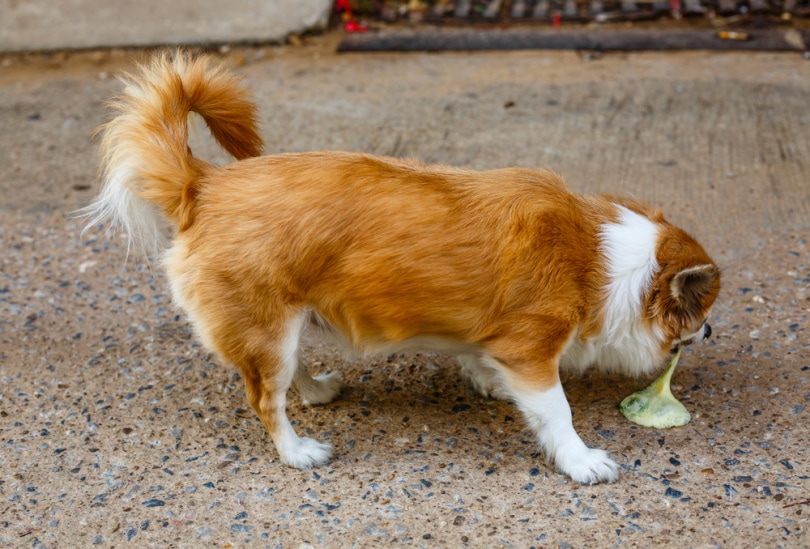
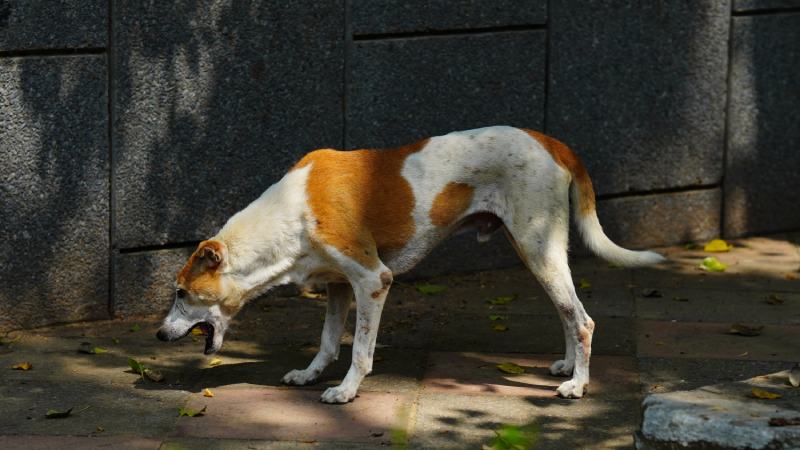
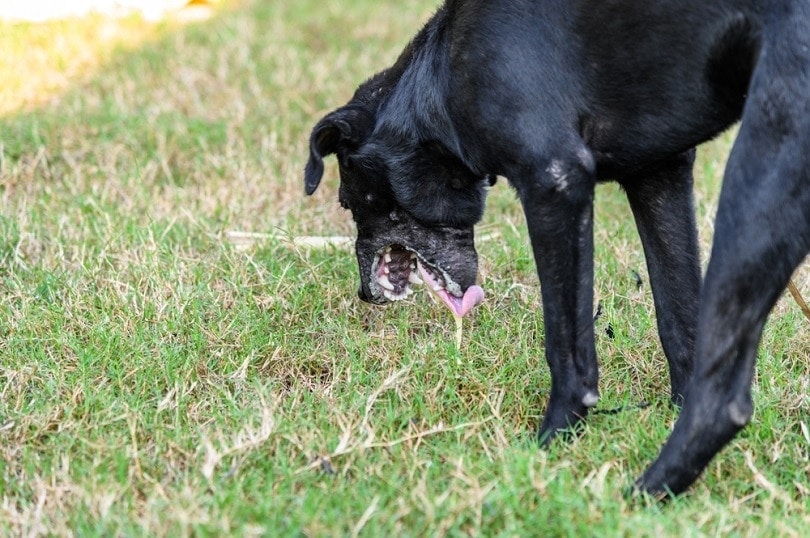
Now, you’re most likely asking yourself what dog regurgitation is. Simply put, regurgitation is when your dog expels saliva, water, mucus, and undigested food from their esophagus, unlike vomiting which comes from the stomach or upper intestine. It is considered a passive process and there’s no gagging or retching with regurgitation, therefore it usually happens with no warning. Let’s take a deeper look at regurgitation and how you can tell it apart from vomiting.

Dog Regurgitation
As we mentioned, regurgitation comes from your dog’s esophagus, the muscular tube that connects the mouth with the stomach. It takes you, your dog, and anyone else in the room by surprise. What comes up looks a lot like what your dog just ate. Of course, it’s most likely chewed up. Unless your dog is one of those that swallows everything down so quickly it doesn’t get chewed much.
In fact, regurgitation often comes from a dog eating meals too fast. The food comes up before it ever gets digested or causes the dog much of an issue. Unfortunately, however, that isn’t always the case. Regurgitation can also be caused by blockages in the esophagus or diseases and disorders that affect the function of the esophagus. There are even certain dog breeds that are prone to some of these types of issues.

The Difference Between Regurgitation and Vomit
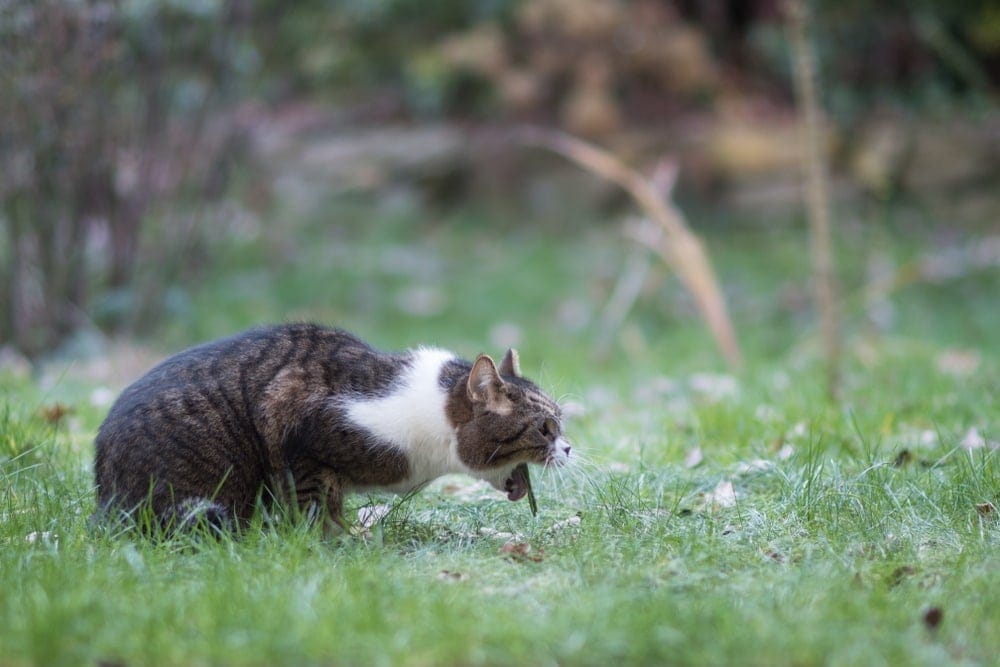
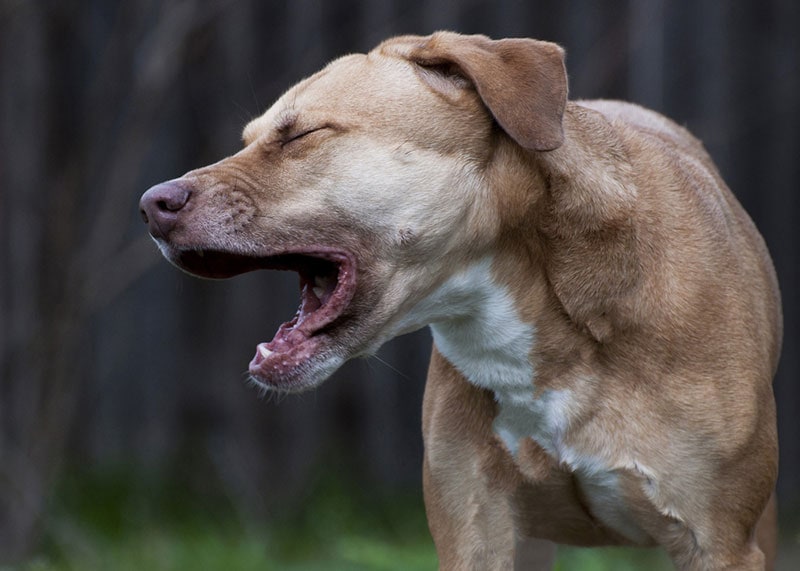
We know this isn’t the easiest subject to discuss. However, dog owners need to understand it. We’ve mentioned regurgitation quite a bit already. It comes from the esophagus and happens quickly with no effort. With vomiting, if you’re in the room with your dog, you’ll get a bit of a warning first. When a dog vomits, it comes from the stomach or the upper intestine. It also takes a bit of work to get it up. You’ll see your dog drooling, heaving, retching, and gagging. You may even notice the abdominal muscles contracting as this is happening.
The appearance of vomit is much different from regurgitation. When a dog vomits, what comes up is partially digested food and liquid. This liquid is a mixture of what your dog has drunk throughout the day and the bile from inside your dog’s stomach and can range in color. There’s also a chance that you could find foreign materials in a dog’s vomit. Pieces of plastic and fabric from toys are often vomited up when your dog accidentally ingests them since these types of objects cannot be digested.
What Causes Regurgitation?
Many things can cause your dog to regurgitate. Eating too much too fast is the most common and less harmful issue. Of course, blockages, diseases, and disorders of the esophagus are also potential causes. Here’s a list of things that can cause regurgitation so you can address them with your veterinarian if the problem persists.
- Foreign bodies in the esophagus.
- Stricture, or abnormal narrowing of the esophagus, can be caused by diseases or injuries of the esophagus.
- Tumors can be benign or malignant and still cause regurgitation due to blocking the esophagus.
- Hiatal hernias can cause abdominal contents to move through the diaphragm’s opening and press on your dog’s esophagus.
- Esophagitis: Inflammation of the esophagus may be caused by a foreign body lodged inside or by acid reflux from the stomach. Other causes include some medications, toxins, hiatal hernias, and cancer. The treatment depends on the underlying problem.
- Spirocerca lupi is a parasite that typically affects the esophagus of dogs, creating nodules that can turn into tumors causing regurgitation. The parasite is found in southern areas of the US as well as in many tropical and subtropical regions.
- Megaesophagus causes loss of motor function of the esophagus resulting in dilation and becoming weakened. If a dog is suffering from this, food will accumulate and will be regurgitated eventually. This issue can be present at birth or develop throughout your dog’s life and has several causes, including vascular ring anomalies (where abnormal blood vessels tighten and create a ring around the esophagus), Addison’s disease, Myasthenia gravis, exposure to toxins, and hypothyroidism among others. The most common type of megaesophagus is called idiopathic, meaning no reason can be found.
- Esophageal dysmotility disorder is when the esophagus looks normal but doesn’t move as it should. This occurs mostly in young dogs and, in some of them, improves or resolves with age.
What to Do If Your Dog Is Regurgitating
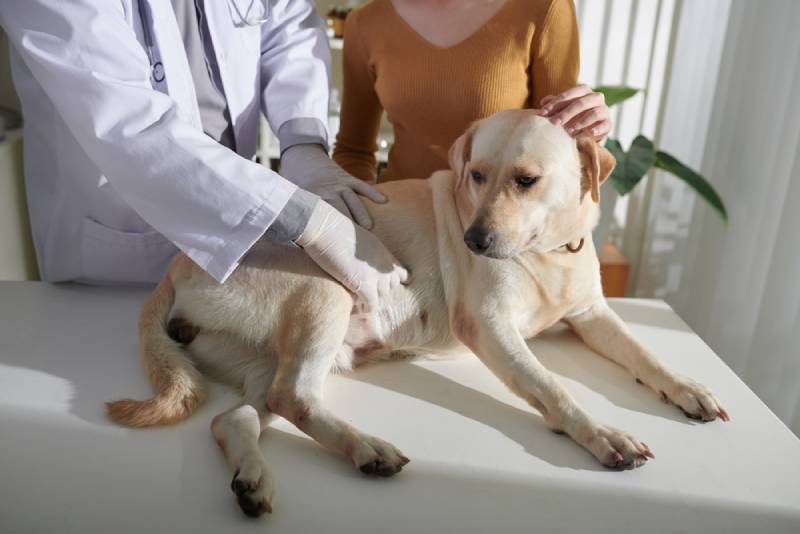
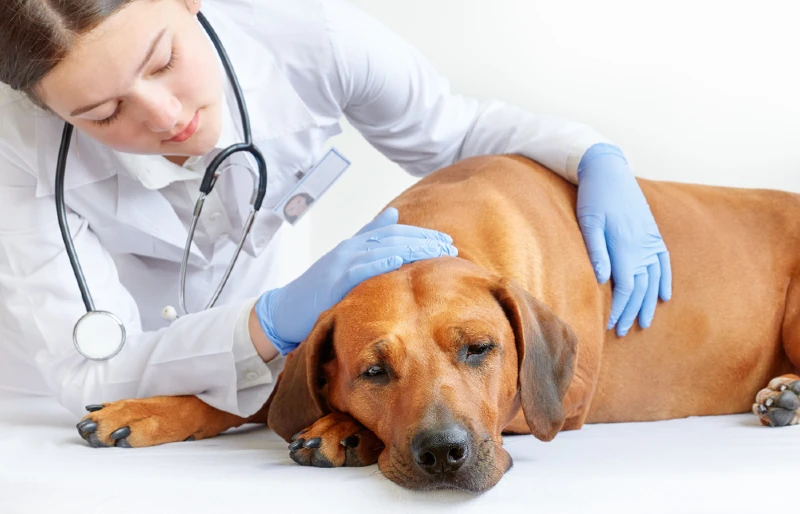
Yes, there are situations when regurgitation can be dangerous for your dog. If your dog is regurgitating their food the first step is to determine if they are eating too fast. If this is the case, consider buying a slow feeder bowl or a puzzle feeder to slow things down. You can even offer smaller meals more often throughout the day. If that doesn’t help, you should definitely take your dog to the veterinarian. They will run tests and diagnose what could be causing the problem. You’ll also receive information and recommendations on how best to treat your dog’s issues.


Final Thoughts
Understanding the differences between regurgitation and vomiting is important information every dog owner should know. While neither is much fun, knowing what is going on with your dog will help you determine if the two of you should make a trip to the veterinarian or not. Of course, paying close attention to your dog’s needs is the best way to keep them happy and healthy while living a long life.
Featured Image Credit: Enrico Spetrino, Shutterstock
Get Hepper In Your Inbox


Pet care tips from our vets and experts, straight to your inbox.
You may opt-out at any time. View our Privacy Policy for more information.
Melissa was born and raised in the mountains of East Tennessee where she spent her time writing in an old notebook and playing outside with her pets. As an avid animal lover, she has brought many into her home over the years. Currently, she is the mom of 5 fur babies. Her 2 cats, Princess and Pepper are total opposites who demand attention. Her dogs Jazzy, Whitey, and Demon are full of spunk and keep the entire family on their toes.
Beyond life as an animal mom, Melissa is a dedicated wife and mother to 2 children. Writing in her old notebook led her down the path of becoming not only a freelance writer but a published Indie author under the pen name, Rena Marin.
Join the conversation
Ask a question, share your story, or send private feedback.