Hepper is reader-supported. When you buy via links on our site, we may earn an affiliate commission at no cost to you. Learn more.
African Dwarf Frog Male vs Female: Vet-Reviewed Differences (With Pictures)


In this article
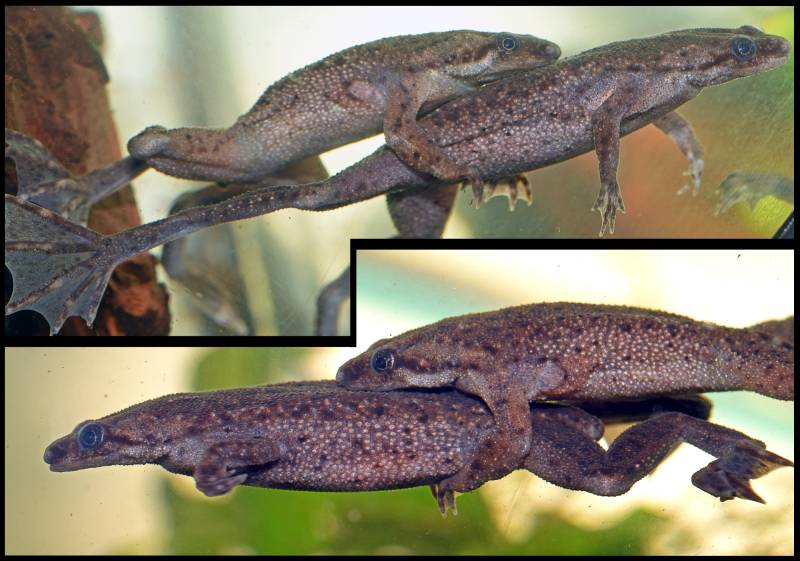
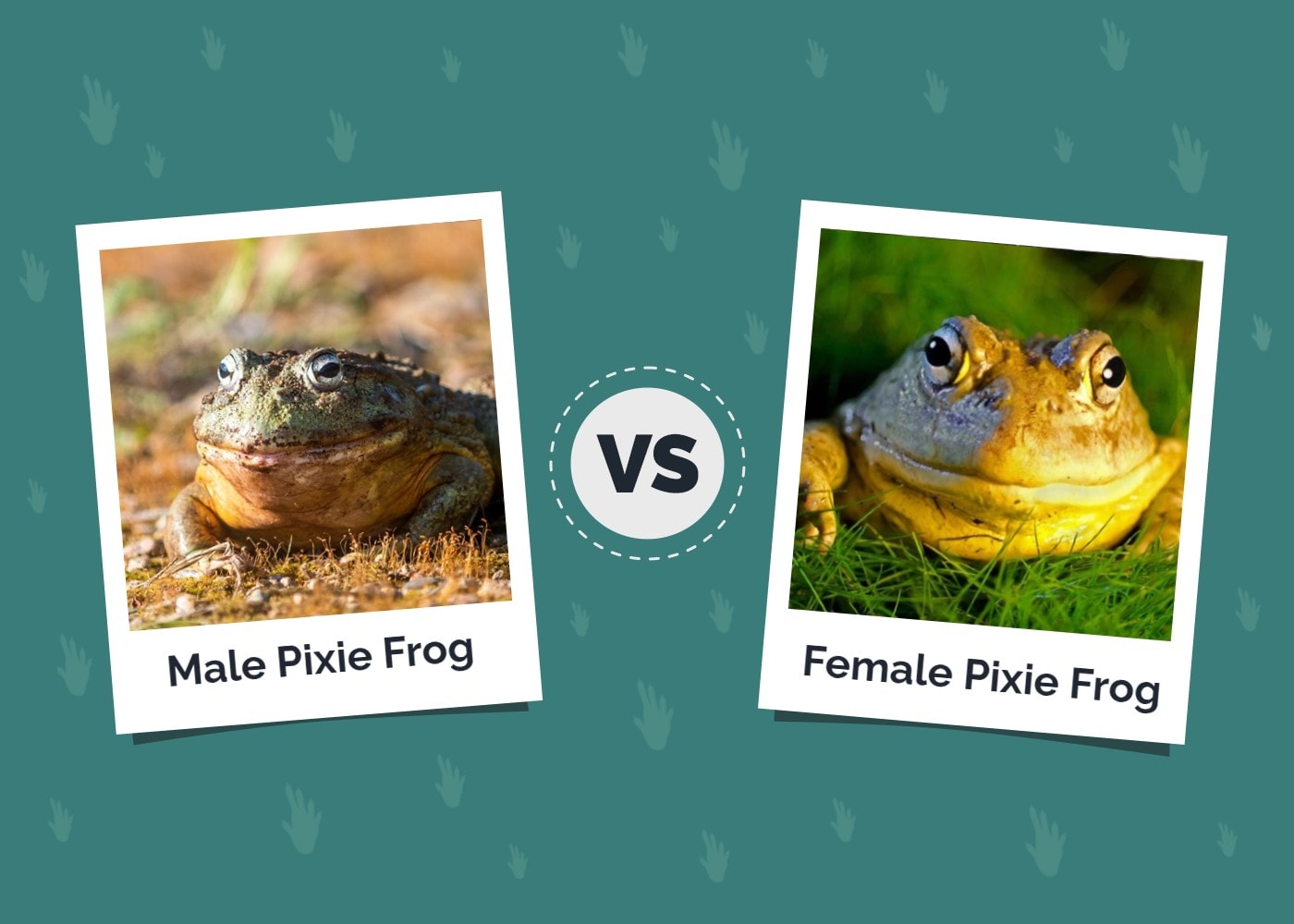
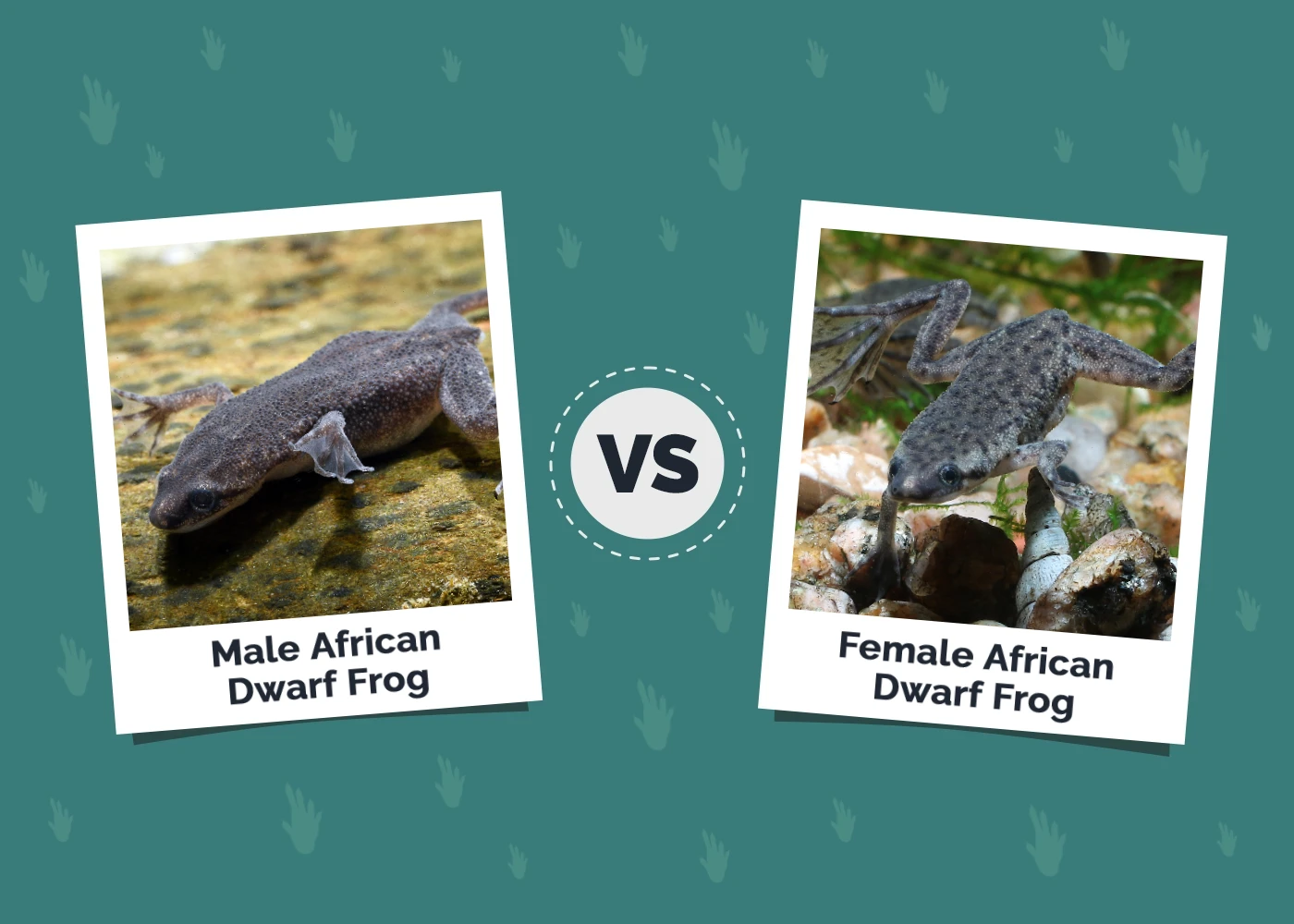
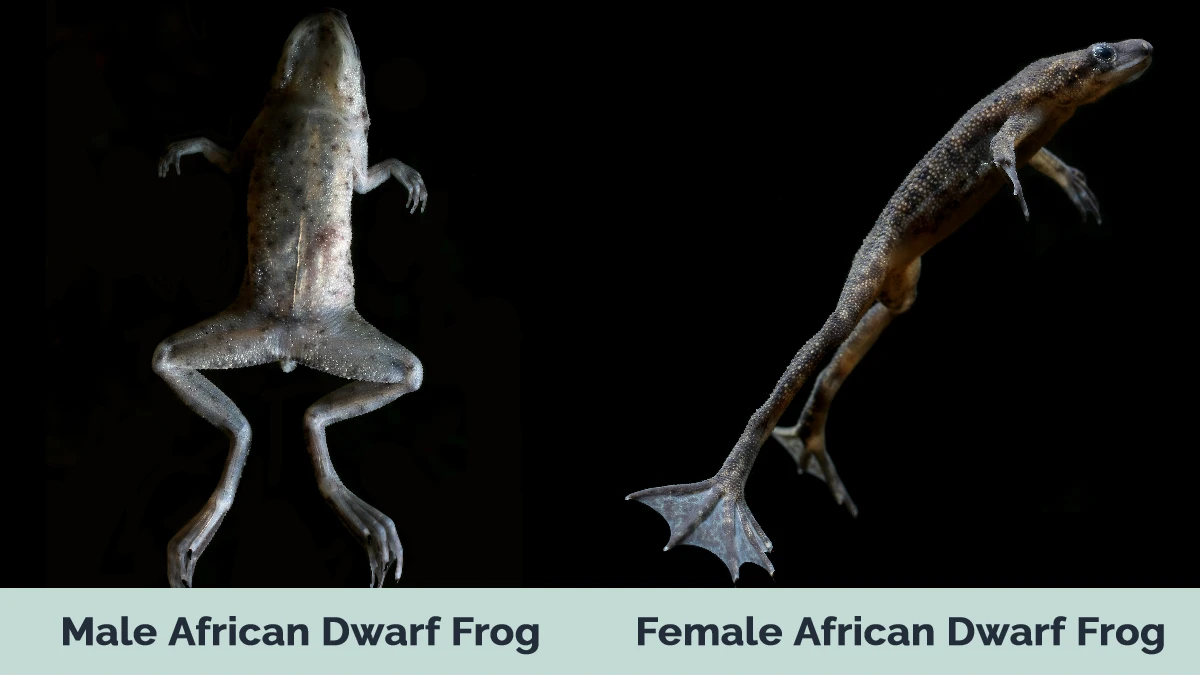
The African dwarf frog is a commonly found aquatic amphibian that shows sexual dimorphism or differences between males and females of the species. The differences are admittedly minute, and the males and females are almost the same. Still, they have some noticeable differences, including size differences and slight variations in anatomy. There are also a few variations in behavior that might sway your decision. If you’re looking to adopt one of these interesting frogs, this article can help you decide which gender is the best fit for you.

Visual Differences
At a Glance
African Dwarf Frog 101
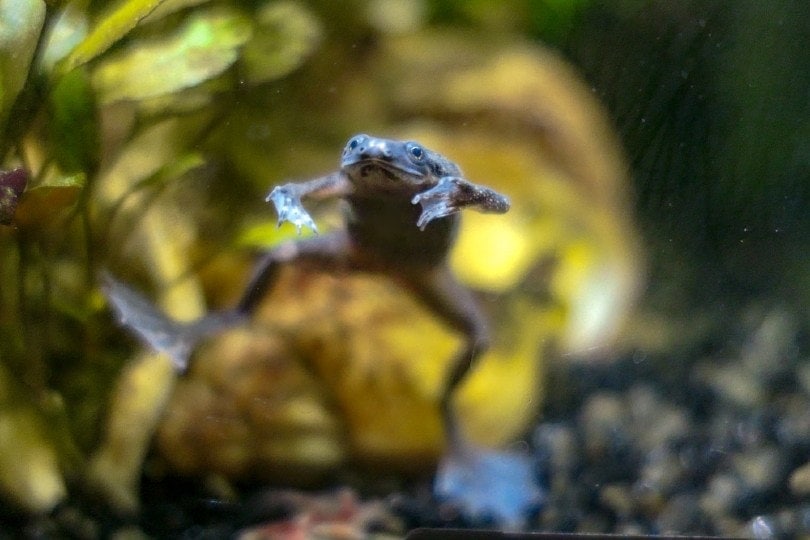
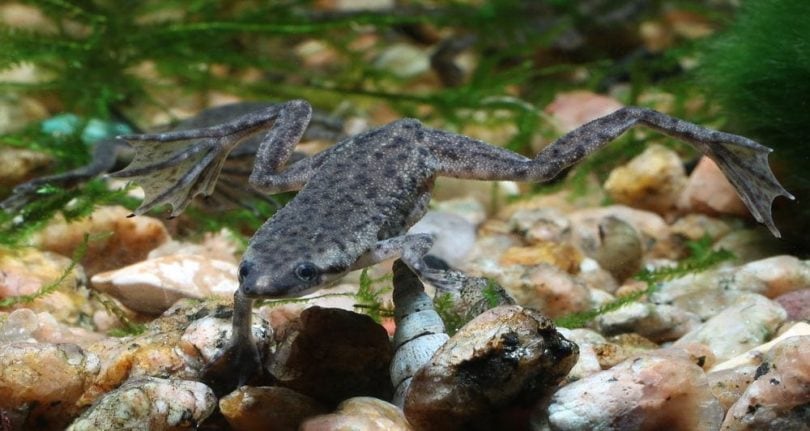
The African dwarf frog is a small freshwater frog that lives in shaded streams and pools in the lowland rainforests of central Africa. They are popular pet frogs that aren’t difficult to care for, and they‘re easygoing. These frogs need at least a 10-gallon tank to keep them happy and healthy,1 with space to breathe air at the top.
They are happiest in water temperatures between 73.4–80.6°F or about 23–27°C and can live upwards of 10 years with proper care. Despite breathing air, these amphibians don’t need multiple platforms to be happy in their tank; the African dwarf frog will spend most of their time relaxing on the bottom. They can cohabit with other freshwater species but may try to eat fish much smaller than themselves, and they don’t fare well with aggressive tankmates. Because these frogs are so tiny, they need shallow tanks to reach the surface for air from the bottom. Otherwise, they may drown!
Important
Male African Dwarf Frog Overview
Personality / Character
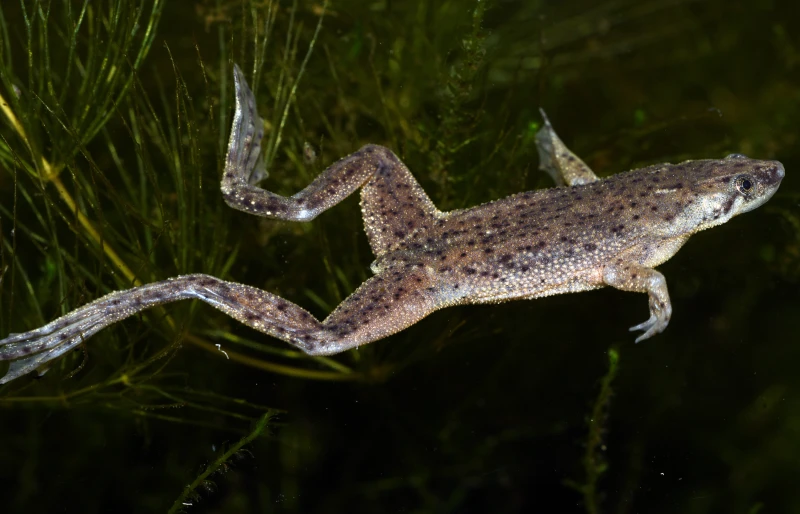
Anecdotally, male African dwarf frogs are active and confident and like to swim around and explore their homes. The males will stridently call to their female counterparts when mating season begins and will vocalize when excited, such as around feeding time. They can be shy since predators in the wild hunt them, so they may prefer to hide in enclosed spaces while getting used to their new tank. Providing them with suitable hiding places, such as sanded plastic tubing, is essential to help them feel safe and avoid stress. They are social, so your male African dwarf frog could be kept with a male of the same species to keep him company.
Training
While many animals can be trained (from dogs to snakes), African dwarf frogs are not one of them. Your male African dwarf frog might get used to their surroundings and learn to associate you with food, but even basic training (such as target training to get them to move on command) has never been attempted with them. African dwarf frogs should never be handled either, which makes training them harder. They’re tiny and delicate (especially the males), and human hands easily damage their skin.
Health & Care
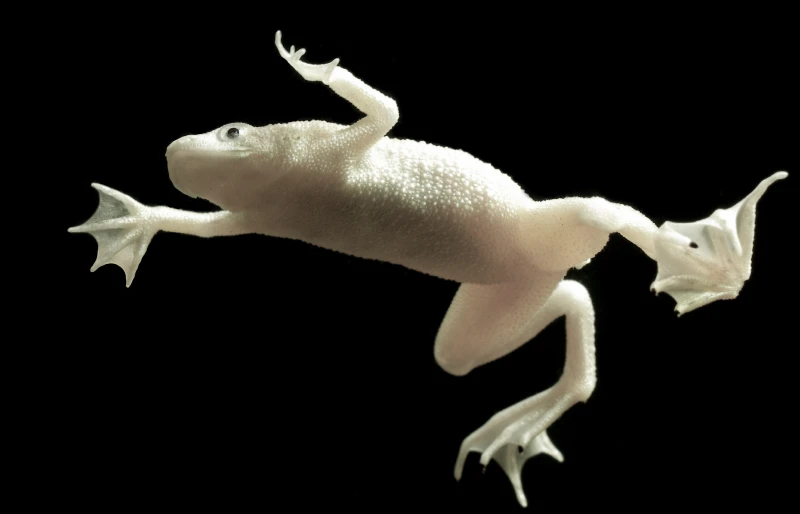
The male African dwarf frog is as susceptible to diseases and illness as the females. African dwarf frogs can suffer from diseases commonly seen in captive amphibians,3 such as metabolic bone disease, chytridiomycosis, or red leg syndrome.
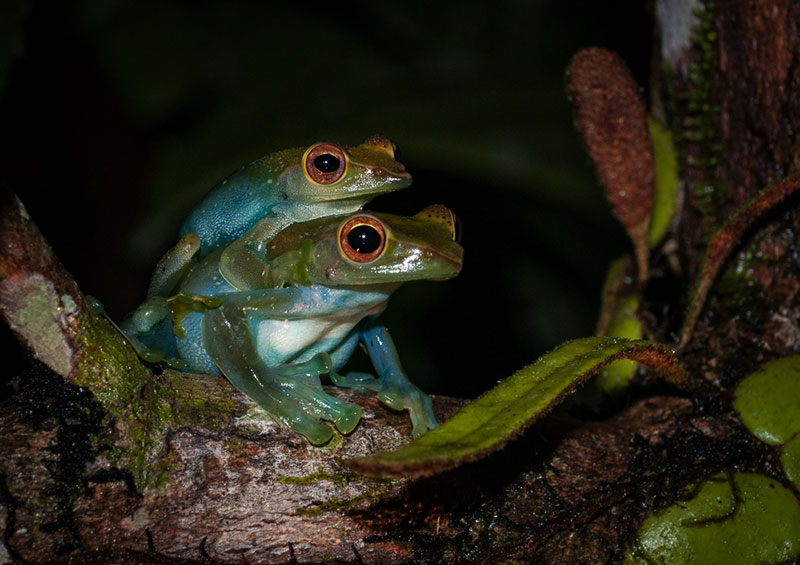
If you have a female African dwarf frog in with your male and they mate, the male needs to have a good store of food beforehand as amplexus (the mating position) in this breed can last for hours or even days. This can be costly for him as he’ll need the energy to stay in place, and two males can even fight over a female to jockey for position.
Breeding
African dwarf frogs breed using an external mating process called amplexus. Male African dwarf frogs are smaller than the females, so a male will swim up and jump onto the female’s back with his arms around her. He then clings on as she pulls him around until she is ready to release her eggs. Male African dwarf frogs reach sexual maturity at about 6 months, which can be ascertained by a patch of red skin behind either front arm called post-axillary subdermal glands. Once the female releases her eggs, the male will release his sperm at the same time, and the mating will be complete.
Female African Dwarf Frog Overview
Personality / Character
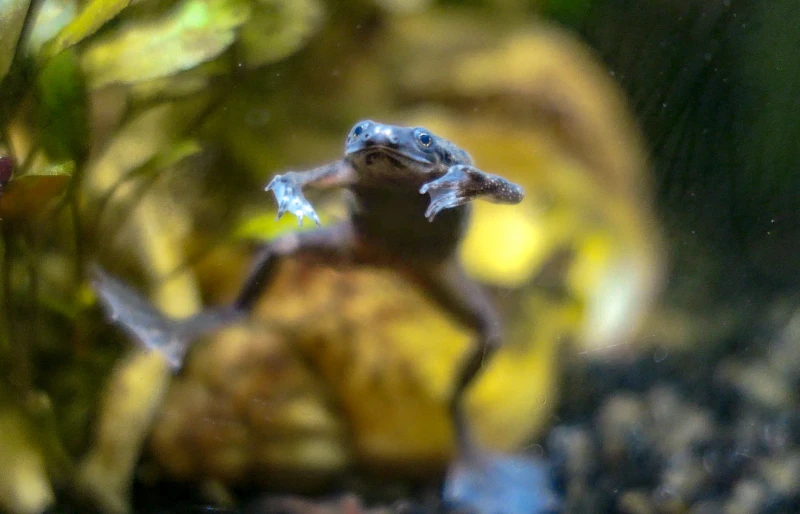
Anecdotally, female African dwarf frogs are much like the males in terms of character and behavior. They will swim around their tanks and sit in the relaxed, comfortable "Zen" position, just like the males, but they are easier to see since they are bigger. Female African dwarf frogs should be active and alert and eat their food as soon as it's introduced into the tank; a lethargic frog with no energy or lack of interest in food is not a healthy frog. Female African dwarf frogs will spend most of their time at the bottom of the tank, relaxing between trips to the surface for air.
Training
Unfortunately, just like male African dwarf frogs, the females of the species can’t be trained either. They will become accustomed to their environment and gain confidence once they learn their feeding routine, but they can’t handle or master even the most basic training. African dwarf frogs must always be kept in water, as their skin gets easily dehydrated when out of it. Even 10 minutes out of the water can cause fatal dehydration and organ failure in these tiny amphibians, so resist the urge to hold or touch them.
Health & Care
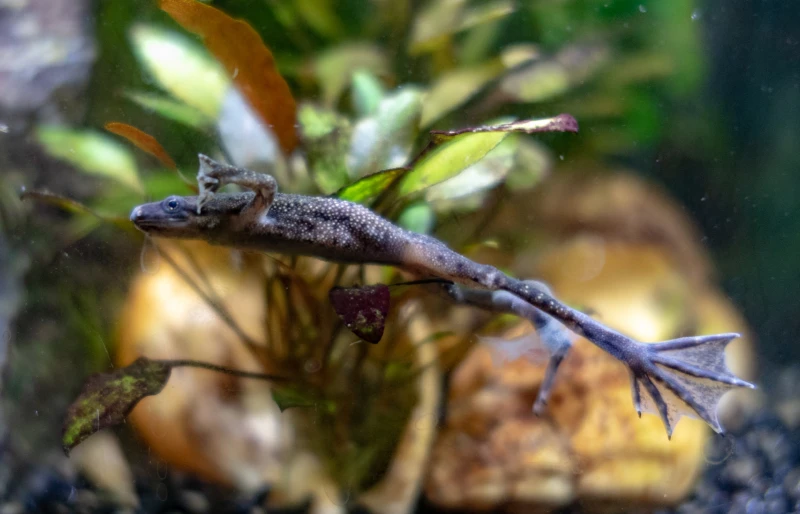
Female African dwarf frogs can suffer from the same illnesses that can affect the males, including metabolic bone disease, red leg syndrome, and chytridiomycosis. Females may be more susceptible to exhaustion when being “mated” by a male, as amplexus can last for several hours in African dwarf frogs, and the female has to carry her lover around the whole time! There has been some evidence to suggest this might stop her from moving and eating correctly, affecting her health and welfare. Females that are full of eggs will take on a large, rounded appearance which can also affect their eating habits. However, there is usually only a marginal difference in appetite.
Breeding
When a Female African dwarf frog is ready to mate, she will begin to produce eggs inside her body. These eggs can take up lots of room and cause her to swell with them, giving her a round appearance. Male African dwarf frogs will usually begin to court her at this point, singing their buzzing song and following her dutifully around the tank. Once she accepts his advances, amplexus occurs until she either vibrates (telling him to get off) or releases her eggs for fertilization. African dwarf frogs are notoriously difficult to mate in captivity, as conditions must be exactly right for the females to begin producing eggs.
Conclusion: Which Sex Is Right for You?
Male and female African dwarf frogs are very similar in most ways, including behavior and physical needs. Females are bigger and less noisy, but males only produce loud buzzing calls when they're excited or looking for a mate. If you want a silent pet, the females are a better fit than the noisy males. However, consider a male if you like the idea of hearing your frog and don't mind them buzzing at night. All in all, the differences are minor, and either sex will be an interesting pet to keep and observe.
See Also:
How to Tell If a Frog Is Male or Female: 6 Vet-Reviewed Factors & FAQ
Pickerel Frog vs Leopard Frog: The Differences (With Pictures)
Sources
Featured Image Credit: Left - Guillermo Guerao Serra, Shutterstock | Right - Dan Olsen, Shutterstock
Get Hepper In Your Inbox


Pet care tips from our vets and experts, straight to your inbox.
You may opt-out at any time. View our Privacy Policy for more information.
Beth is a mom to two babies: one with four legs, and one with two. Beth has years of practical experience as a veterinary care assistant, working in both the operating room and in consult, expanding her knowledge to gain certification in her favorite subject: feline behavior and well-being! When she's not writing about her favorite topics (cats, dogs, and creature comforts), she's looking after her two-year-old daughter and her energetic eight-year-old Nebelung, Kiba. When she gets a moment's respite, Beth loves to read fiction books. Horror is her number one genre, with fantasy and rich history being her second option.
Join the conversation
Ask a question, share your story, or send private feedback.