Hepper is reader-supported. When you buy via links on our site, we may earn an affiliate commission at no cost to you. Learn more.
Do African Bullfrogs Make Good Pets? Facts & FAQ

In this article
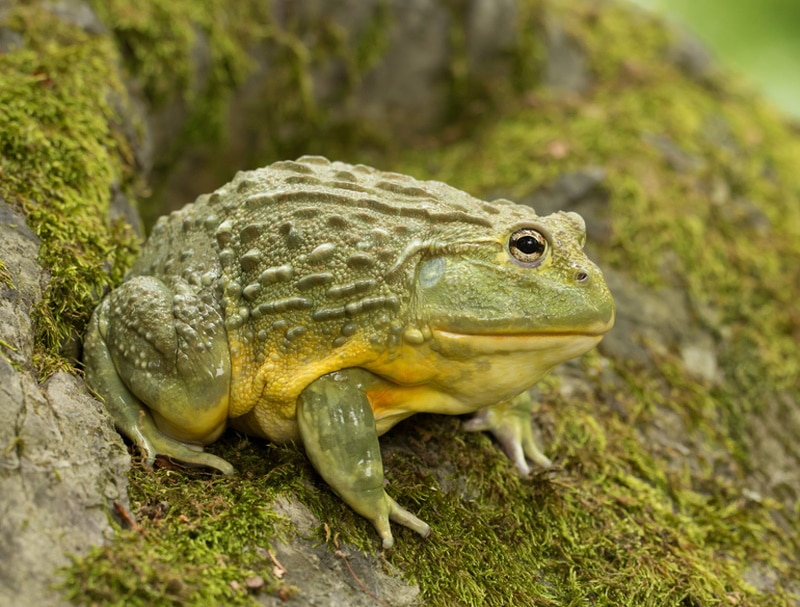
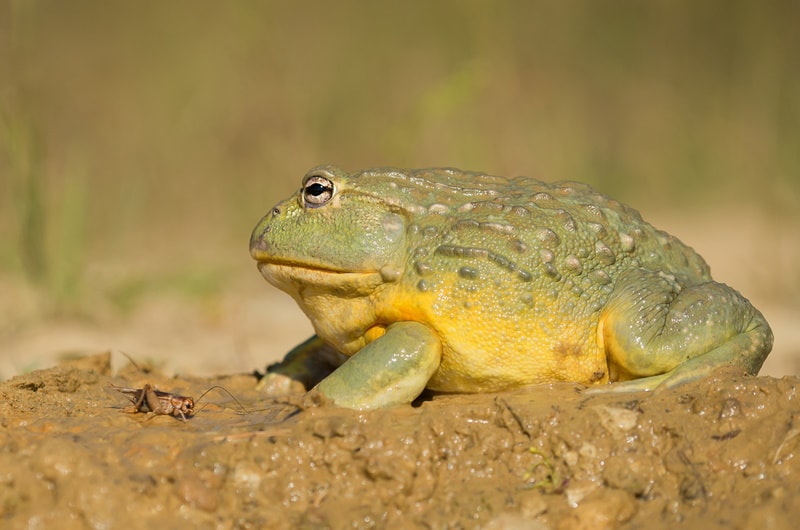
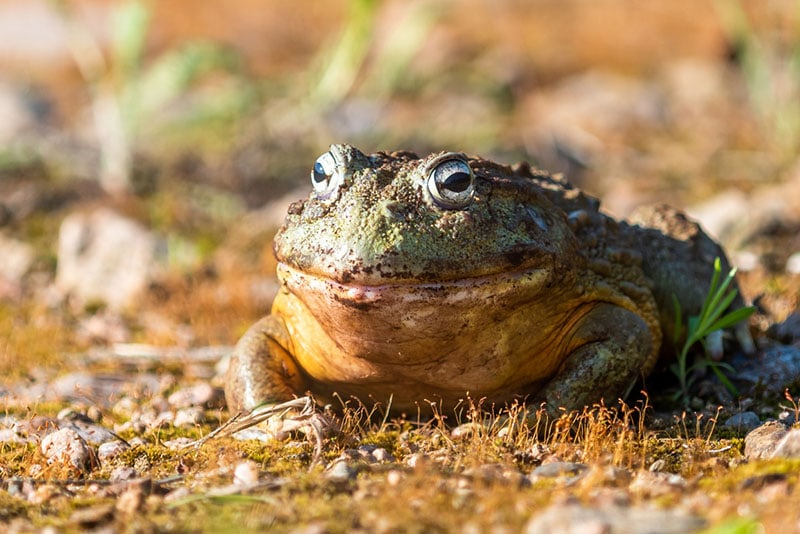
African Bullfrogs are also known as Pixie Frogs. Unlike American Bullfrogs that are protected environmentally, African Bullfrogs are available in the pet trade for purchase. But what is it like to own one of these amphibians, and are they the right fit for your setup?
Here, we will go over all the basic information about this interesting giant frog so you can better understand what it is like to own one. Will they make a good pet for you? African Bullfrogs can make great pets with the proper care, but it's imperative to give them the necessary care and habitat to thrive.

African Bullfrogs Can Make Good Pets
African Bullfrogs are moderately low-maintenance in comparison to some other frog species. These easy going amphibians can make ideal first-time frogs for owners if you have the correct information starting out. However, they won't be for everyone, and knowing the difference is important.
The most important aspect of care is ensuring you have adequate space, tank setup, and diet for them. If you cover the basics, you should enjoy watching these frogs for years to come.
Basics About the African Bullfrog
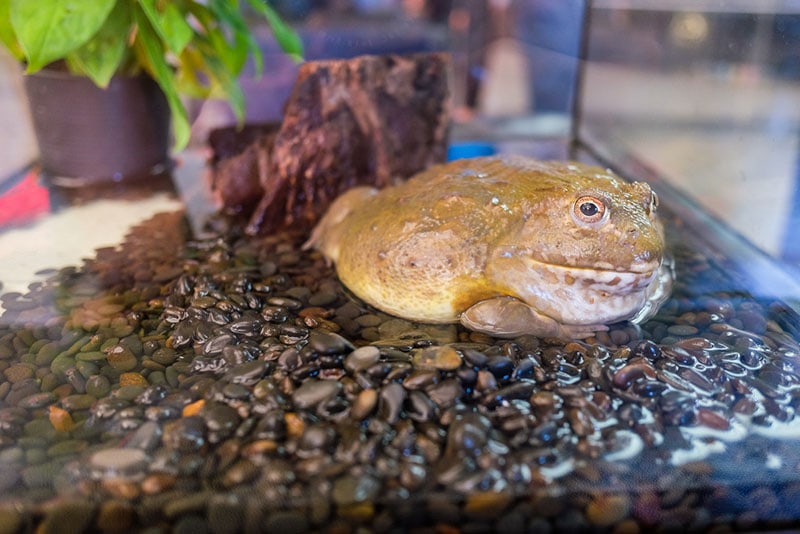
| Scientific Name: | Pyxicephalus adspersus |
| Diet: | Carnivore |
| Size: | 4.4 pounds |
| Personality: | Easygoing |
Prices of African Bullfrogs
If you purchase an African bullfrog, prices may vary depending on who you buy from. Factors that influence price can also include age, size, and quality. On average, you can expect to see prices range between $25 and $75.
If possible, getting any amphibian or reptile from a reputable breeder with knowledge of the species is always best. Pet shops often have these types of animals but only sometimes have the education to provide a healthy environment for them.
Also, with the pet trade, sickness is rampant, and specimens might not be as quality or sound in health if they arrived by transport. So, keep in mind to always purchase from sources you feel confident and comfortable with. Never buy a pet that acts sickly.
Habitat for African Bullfrogs
The best way to ensure taking proper care of your African Bullfrog is to offer the appropriate environmental necessities. In fact, having a clean enclosure is one of the most critical aspects of care as they are extra susceptible to ammonia poisoning.
Tank Setup
African Bullfrogs get big fast! Even though they might be small when you pick them out, they will develop quickly and eat heavily, weighing 4 pounds or more when fully grown. So, it would be best to get the appropriate-sized tank right off the rip to avoid buying another shortly.
We recommend having a tank of at least 30, but ideally 55 gallons. While they aren't the most active frogs, they get enormous and appreciate the extra space.

Substrate
The substrate is a little touchy with an African Bullfrog. These giant frogs can swallow substrate easily, which can lead to blockages in the gastrointestinal tract. It's best to avoid substances like gravel that will lodge in the system and potentially cause death.
Instead, coconut husk is a better alternative, as it easily passes through the system if swallowed.
Temperature
Like many other cold-blooded animals, your African Bullfrog requires a cool and warm side of the cage to regulate body temperature. On the cool side, it should be around 72 degrees. The warm side should stay approximately 85 degrees.
You should provide incandescent bulbs or ceramic bulbs to warm your frog and provide necessary light absorption.
Humidity
Correct humidity levels are essential for African Bullfrogs. They require at least 80% to 90% humidity in their enclosure at all times. Improper humidity levels can make your bullfrog very sick and lead to premature death, along with a laundry list of other health conditions.
Compatible Tank Mates
African Bullfrogs are extremely large. For this reason, it can be tough to find compatible tank mates. They can also be very aggressive with like species, so observe wisely. Realistically, these bullfrogs are solitary animals that prefer a tank alone unless you offer yummy food.
Diet for African Bullfrogs
African Bullfrogs are voracious eaters. Because the African Bullfrog is so large, they require a substantial diet to thrive. In the wild, they consume insects, vertebrates, small rodents, reptiles, fish, other amphibians, and even small birds.
If you have one of these creatures in an enclosure, you must provide them with the necessary diet, including gut-filled insects and, eventually, small rodents. As your African Bullfrog gets bigger, they will require more sustenance, such as mice and rats.
Health Issues in African Bullfrogs
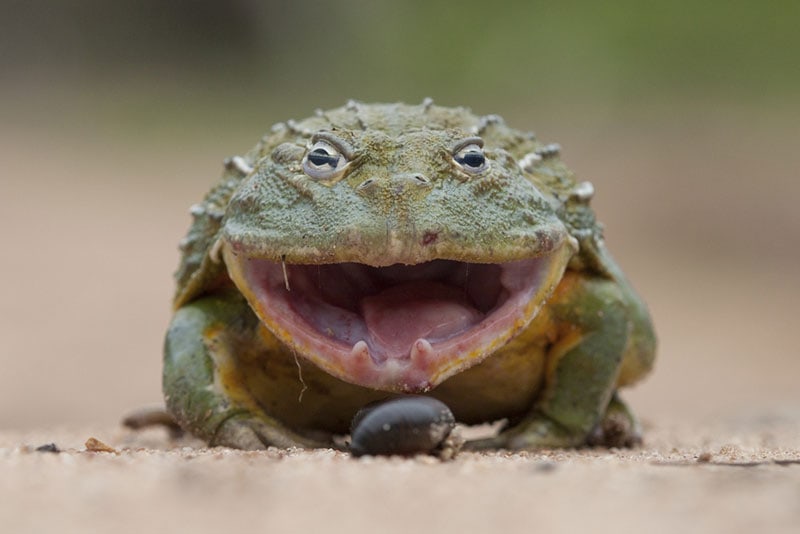
African Bullfrogs are very prone to bacterial and fungal infections on the skin and eyes. While these conditions are very common in frogs that don't live in proper conditions, it can also directly impact this frog specifically.
Risks of Keeping African Bullfrogs
African Bullfrogs are usually quite easy to keep and require very little to keep them happy and healthy. However, as with every other animal, they come with their own downfalls.
Here are a few things to consider about this particular species.
FAQ
Are African Bullfrogs Loud?
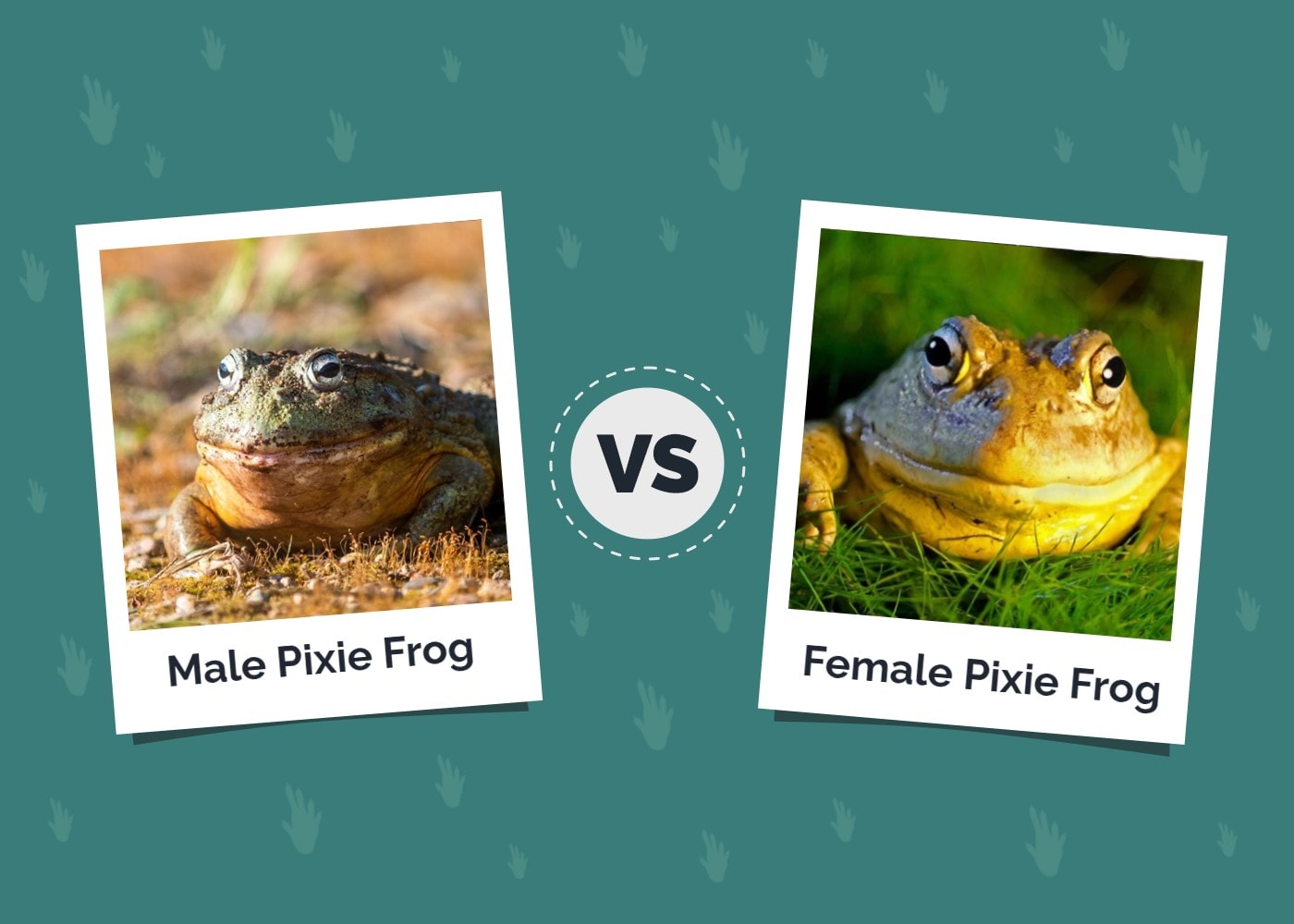
Male African Bullfrogs will let out that deep croak you might already be quite familiar with. Sometimes they can vocalize more often than others, so it's best to know that the potential is certainly there for extra noise.
Can You Release an African Bullfrog into Nature?
It would be best if you never released an African Bullfrog into nature. This is practically a death sentence for them. In most areas, winter temperatures are not suitable enough to keep them alive.
Can You Handle an African Bullfrog?
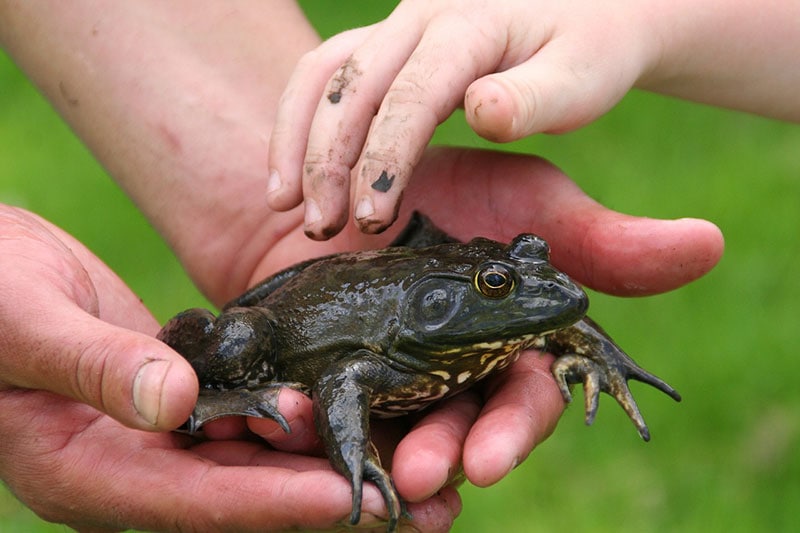
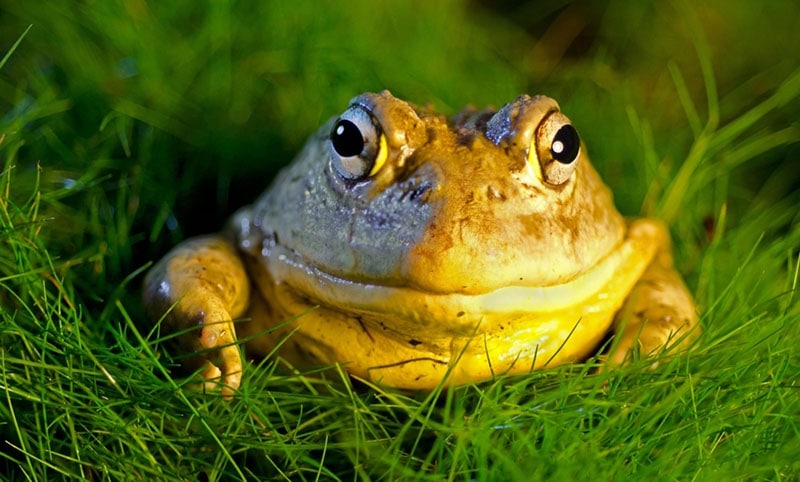
You can occasionally handle an African Bullfrog, but you should refrain from making a habit out of it. Frequent handling can lead to a lot of stress on the animal, impacting its overall health. So if you're looking for a Bullfrog that you can handle, this is not the best choice.
Are African Bullfrogs Good Pets for Children?
African Bullfrogs can make suitable pets for children who have the proper education and supervision for care. However, this is not a frog a child could carry around like a puppy.
Why Can’t You Touch Amphibians Often?
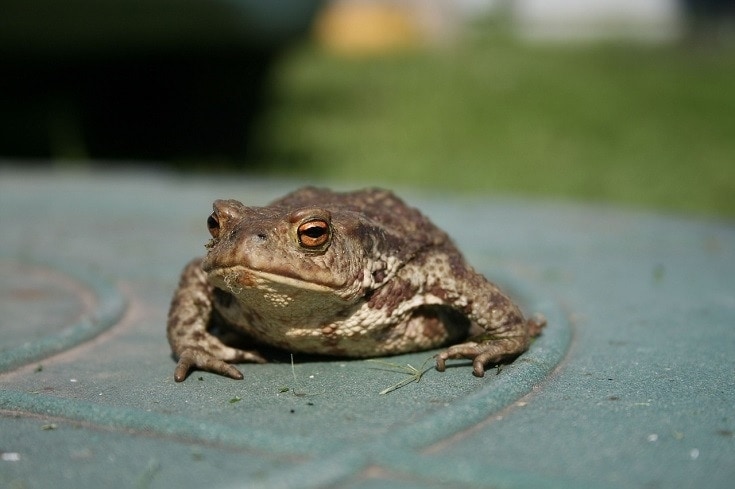
Amphibians cannot be handled very often because they have a unique system where they breathe through their skin. Also, they carry harmful bacteria like salmonella in their digestive tracts. This harmful bacteria can transmit to humans and make you very sick.
Conclusion
If you're interested in getting an African Bullfrog, you can visit a local breeder or pet shop to see if there are any available. Remember, the health of your African Bullfrog is imperative from day one. Always purchase a healthy specimen to ensure they live a long and bountiful life.
These frogs can live upwards of 20 years, so be prepared for a commitment. This is a terrific specimen to consider if you're interested in a long-lived pet with straightforward care needs.
Featured Image Credit: Vaclav Sebek, Shutterstock
Get Hepper In Your Inbox


Pet care tips from our vets and experts, straight to your inbox.
You may opt-out at any time. View our Privacy Policy for more information.
Ashley Bates, a freelance writer with a passion for pets, is currently studying animal therapy. She is a mother to four children and 23 pets, both furry and feathery. Ashley actively volunteers at local shelters, advocates for animal welfare, and rescues animals in distress. Her mission is to promote awareness, education, and entertainment about pets to help prevent animal homelessness. She specializes in the care and well-being of dogs and cats.
Join the conversation
Ask a question, share your story, or send private feedback.