Hepper is reader-supported. When you buy via links on our site, we may earn an affiliate commission at no cost to you. Learn more.
How Long Do Akitas Live? Vet Reviewed Average Lifespan, Data & Care



In this article
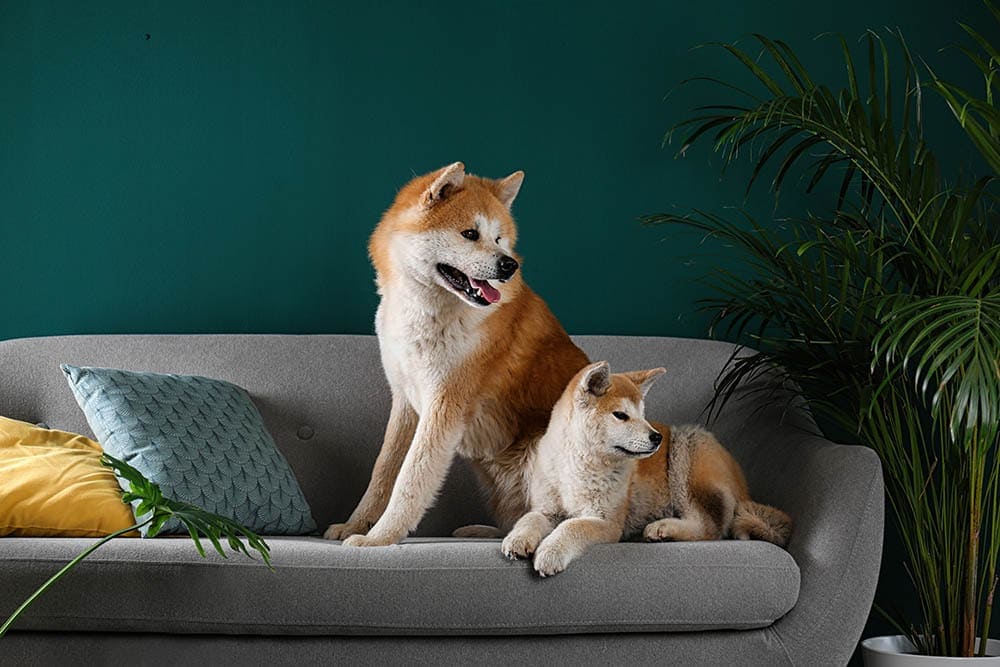
The Akita is a beautiful, powerful dog that originated in Japan, where they were bred to hunt big game and for protection. Now, they’re known to be profoundly loyal, wary, and quiet around strangers but also silly and fun-loving around their owners. They can weigh 70 to 130 pounds, and their height can range from 24 to 28 inches. On average, the dogs live until they are 10–14 years old.
So, you might have wondered how long this breed lives and what would affect the Akita’s lifespan. Keep reading to find out!

What’s the Average Lifespan of an Akita?
The average lifespan of an Akita is 10–14 years, which is what you would expect for a large breed. But you might wonder why this lifespan estimate has such a large discrepancy; four years is a considerable amount of time. There are many factors to consider when looking at a breed’s lifespan, and we will dive deep into each now.


Why Do Some Akitas Live Longer Than Others?
When it comes to your Akita’s lifespan, some things affect it that you will be able to control and some that you can’t. For example, you don't have any control over their genetics, but you do have control over their diet.
1. Genetics and Health Conditions
There are certain health conditions that Akita’s are more prone to than other breeds. This doesn’t mean it’s a certainty your dog will be unwell, as Akita’s are generally healthy, but it does mean there’s a higher risk of certain health conditions becoming real problems.
Potential health problems that Akita is are prone to are
Additionally, it’s essential to use tick and flea preventative treatments and keep up with your scheduled vet visits to keep your Akita healthy.

2. Nutrition
You should choose high-quality, large-breed dog food for your Akita. Selecting the ideal dog food is incredibly important, especially when they are a puppy, as it will ensure they don't grow too fast, which could potentially result in orthopedic issues.
Look for AAFCO-approved food, as this means that it meets the standard nutritional requirements and regulations. Choosing food suitable for your dog's life stage is also essential, as a puppy’s needs differ from that of a fully grown adult or a senior. If you feel overwhelmed by your choices, your vet can point you in the right direction.
3. Exercise
Although the Akita is a large dog, their exercise needs are moderate as they aren’t considered high-energy pups.2 A brisk walk around the neighborhood every day and a few play sessions should be enough for the Akita.
Akitas like to play and are also fond of chasing, and they enjoy running around an agility or obstacle course in the yard. Exercise is incredibly important when it comes to both your dog’s mental and physical health.3
Exercise prevents boredom and obesity, reduces the risk of chronic diseases, and improves cardiovascular function. If you fail to meet their exercise needs, your dog may display undesirable behaviors, and boredom can develop into depression and anxiety.

4. Living Environment
As the owner, it is up to you to create a comfortable, clean, and safe space for your Akita to meet all their needs. An unhealthy environment can cause stress and anxiety, and an Akita experiencing emotional problems is more likely to act out and become aggressive.
5. Lifestyle
The lifestyle you lead and create for your Akita is crucial; dogs thrive on routine and consistency. If they are alone for long periods and don't know when they’ll be walked or fed, it can cause them stress and anxiety, which isn’t good for them mentally or physically.

The 4 Life Stages of an Akita
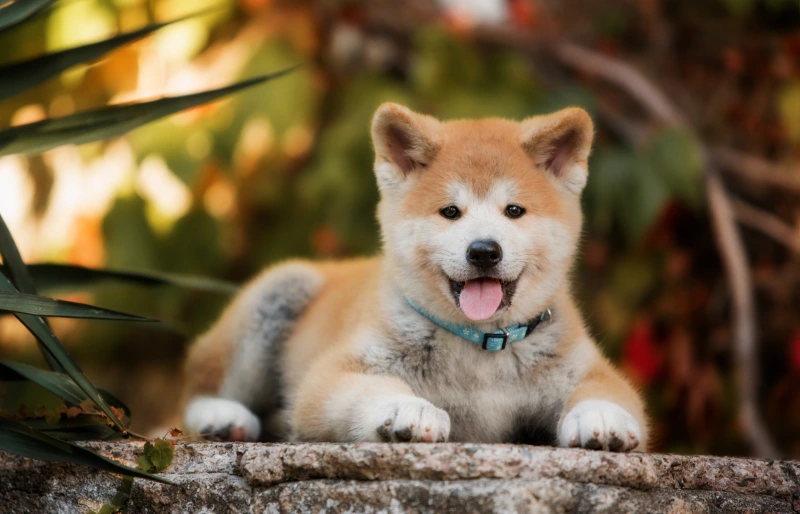
Puppy
The Akita will reach its full adult size from 10 months to a year old. However, it will continue to put on weight until it is 2 years old. Larger breeds take longer to reach their full size than smaller ones.
Young Adult
Your Akita will generally be considered a young adult between the ages of 1 and 5. This is usually a fun stage as they have lots of energy and are at their most playful.
Mature Adult
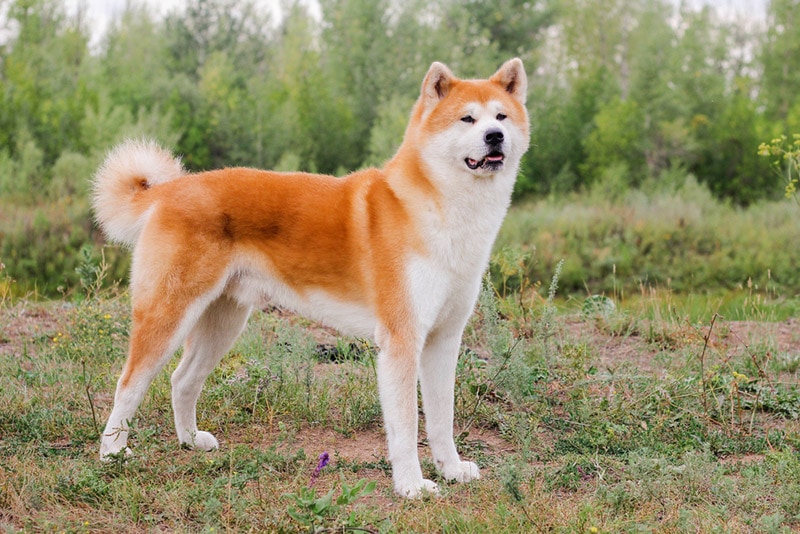
You’ll notice that your Akita will mature between the ages of 5 and 10 and won't be as energetic or playful. While they will still enjoy being with their family, they might start to slow down. Less serious health conditions will begin to crop up during this period.
Senior
Akitas are considered seniors when they’re 10 years old and over. You will notice they are much slower but don't cut exercise out of their routine, even if you feel like your walks are much shorter. Their metabolism will slow, and they can gain weight more easily, so exercise is still very important. It’s equally important for their mental health. You might notice more serious health issues develop during this time, so keep up to date with your scheduled vet visits.

How to Tell Your Akita’s Age
If you got your Akita from a breeder, there should be documentation about their age. However, if you adopted your dog, you might not have an exact age. There are still ways to estimate, but they are just that: an estimate. Your vet can look at your dog’s teeth to start with. If they don't have adult teeth yet, this will indicate they are still a puppy.
The condition of their adult teeth will hint at how old they are, and older dogs may have missing, broken, or plaque-covered teeth. Your dog will start to gray as it ages, which you’ll notice in places around its nose and eyebrows. Also, senior dogs’ eyes often become cloudier as they age.
Conclusion
There are some factors you cannot control when it comes to the lifespan of your Akita. On average, dogs live until they are 10–14 years old, and while you cannot guarantee a long life, you can certainly do your best to ensure they live as long as possible.
You can't do anything about genetics, but you can control the quality of their diet and lifestyle, how much exercise they get daily, and whether you take them to the vet for checkups when you should. This will ensure your Akita lives a full, happy life and brightens your life for many years.
See Also:
Sources
Featured Image Credit: Roman Zaiets, Shutterstock
Get Hepper In Your Inbox


Pet care tips from our vets and experts, straight to your inbox.
You may opt-out at any time. View our Privacy Policy for more information.
Kerry-Ann lives in Scotland and wishes her garden was bigger so she could have her very own Highland cow. But her dogs probably wouldn’t like that very much. She has a La Chon called Harry who was poorly with a liver shunt when he was a puppy. It wasn't likely he would make it into adulthood, which was difficult, but he beat the odds and is a healthy old man now. She also has a Pug called Maddie who is a big foodie. She’s small, sassy, and every day she finds a new way to mess with her brother.
When she isn’t writing you can find Kerry-Ann going for long walks when the weather isn't bad, reading, or watching cartoons when she should be tidying her house. She would one day like to be a tourist in her own country and travel through the Highlands with her family.
Join the conversation
Ask a question, share your story, or send private feedback.