Hepper is reader-supported. When you buy via links on our site, we may earn an affiliate commission at no cost to you. Learn more.
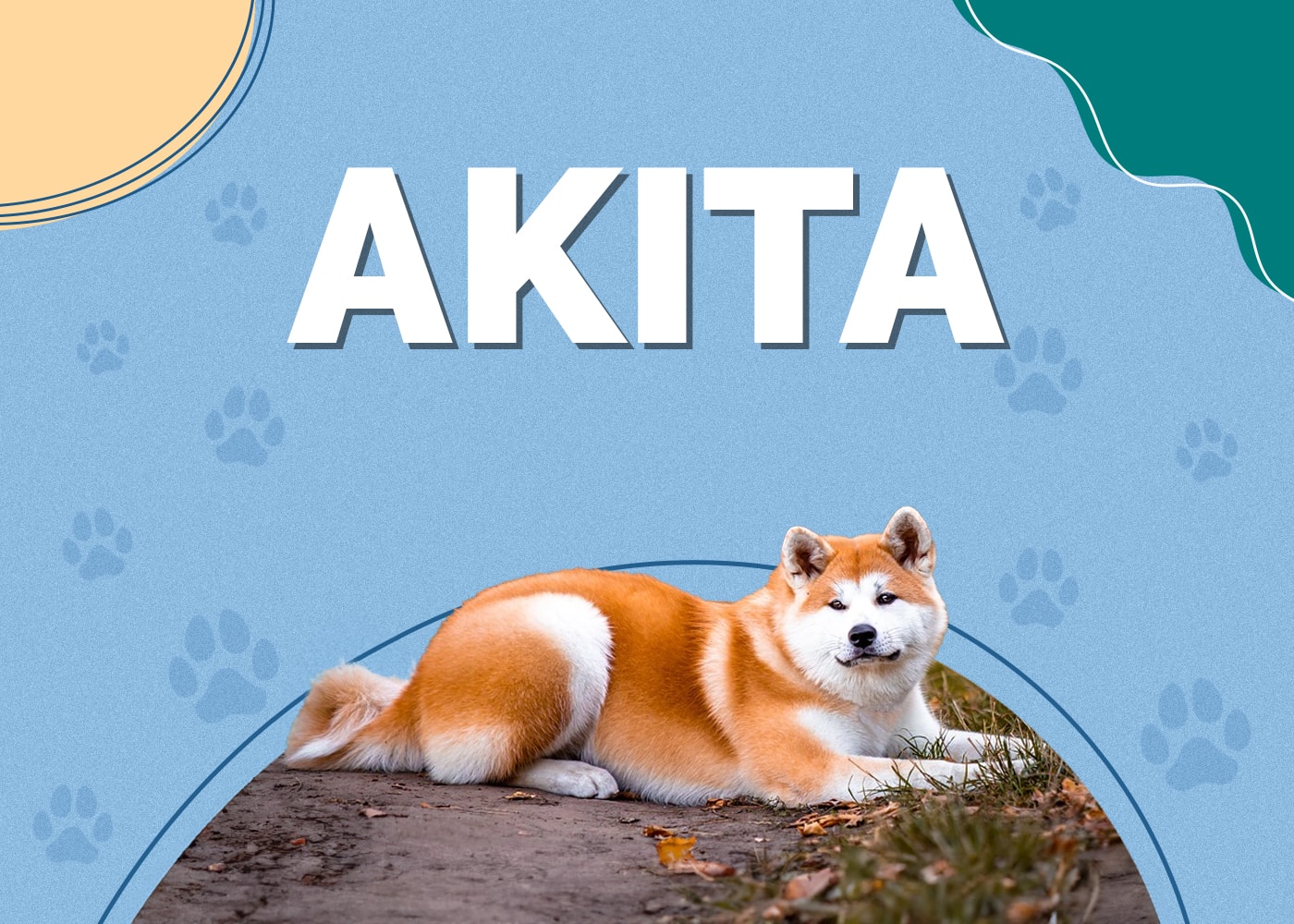
How Much Exercise Does an Akita Need? Vet Reviewed Facts & FAQ


In this article
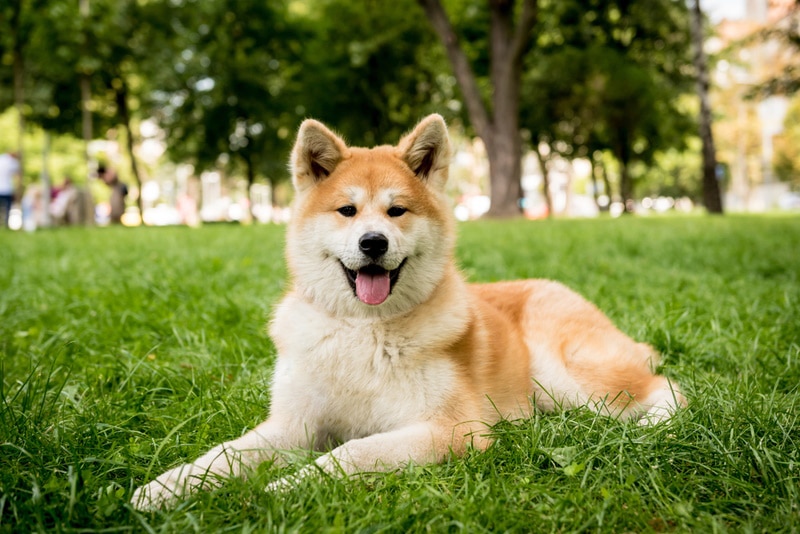
Dogs don’t get as original as the Akita, and if you’ve decided that this might be the breed for you, you’ll need to know more about their exercise requirements. After all, if you’re not a huge fan of serious exercise, you don’t want a dog that requires an extraordinary amount of it.
The Akita isn’t an overly high-energy breed, but they still require a fair amount of exercise that works out to roughly 1 hour a day, though 2 hours is best.
If you'd like to learn more, here are a few ideas on the kinds of exercises that you can do with your Akita to keep them happy and healthy.

An Akita’s Exercise Needs
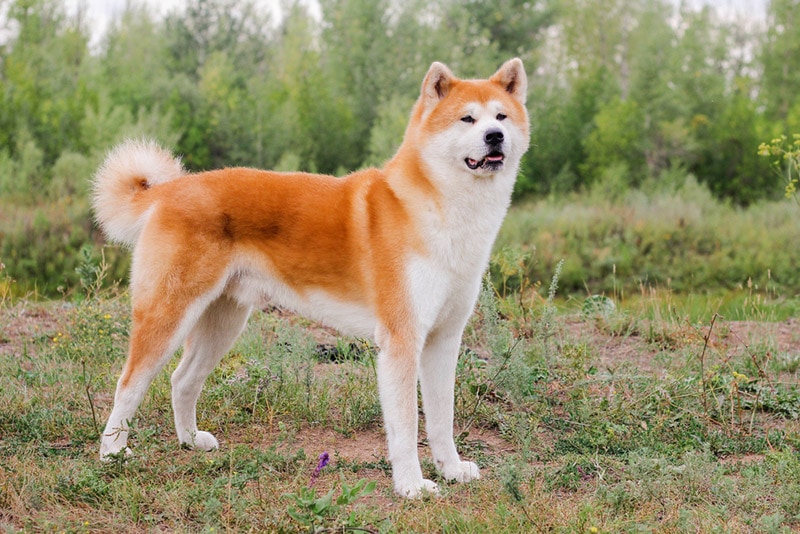
The Akita is a Japanese breed that goes back about 1,000 years, in the more northern parts of Japan. They were bred to hunt large game like bears and wild boars, and as a part of the spitz family, they were also bred to pull sleds.
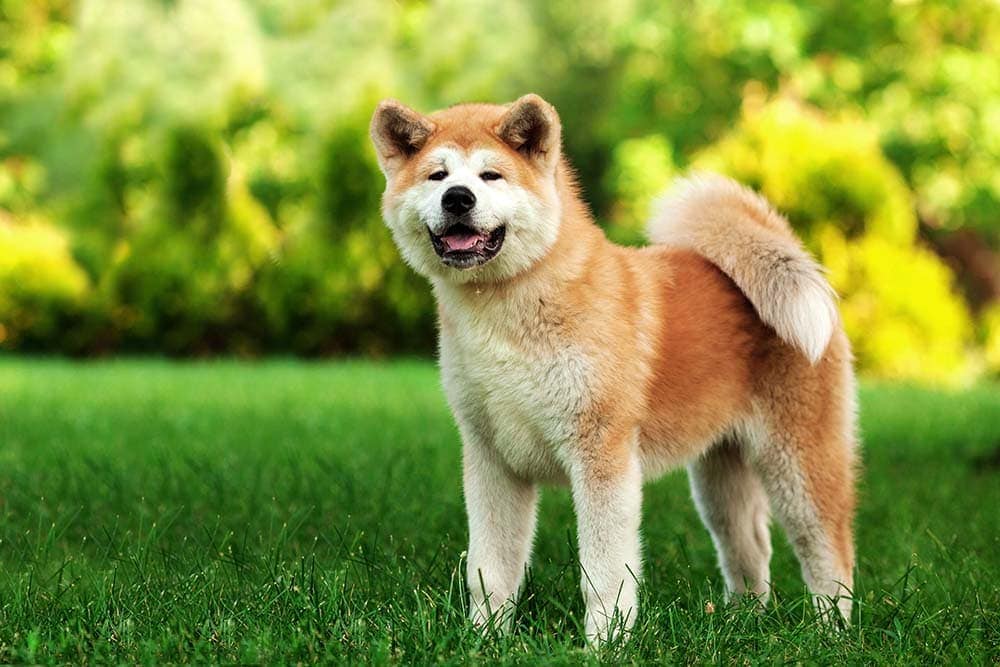
Basically, these are sturdy dogs that have great stamina rather high levels of energy. No two Akitas are the same, though, so no two dogs will necessarily require the same amount of exercise. Still, as a general rule, Akitas should have 1 hour of exercise daily, though if you can manage up to 2 hours, that would be ideal. The exercise should consist of a daily walk, purposeful exercise (such as intensive play), and mental stimulation.
These recommendations are based on healthy adult dogs and not puppies or senior dogs, which will have different exercise needs.

Walking the Akita
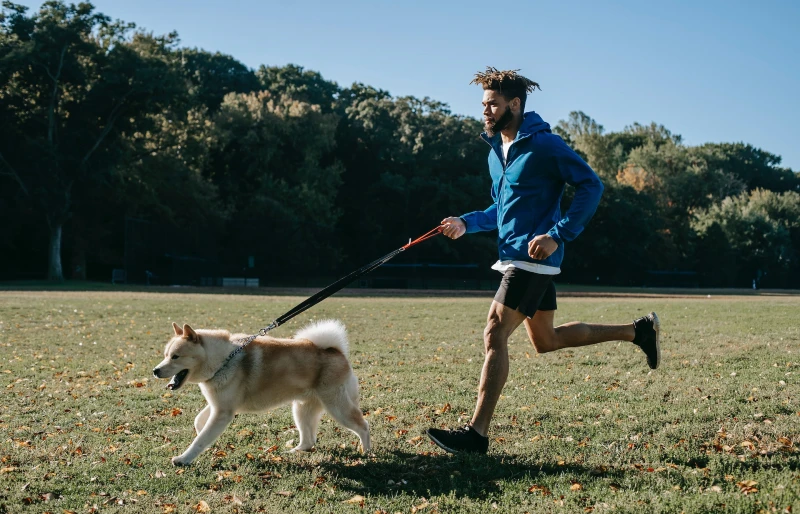
The Akita needs several walks every day. The daily walk should be roughly 1 hour, which can be broken down into two 30-minute ones if desired. Try to stick to the same schedule when walking your Akita. It doesn’t necessarily have to be a walk either; you can take them for a jog or a hike.
Your Akita must be well trained, particularly on recall, if you want to let them off leash in public areas, however. Akitas have a high prey drive and can be quite intolerant of other dogs and animals. Sometimes even the most well-trained dog can have an incident, though, so it’s recommended to keep your Akita leashed when in a public place.
Physical Exercise Ideas for Your Akita
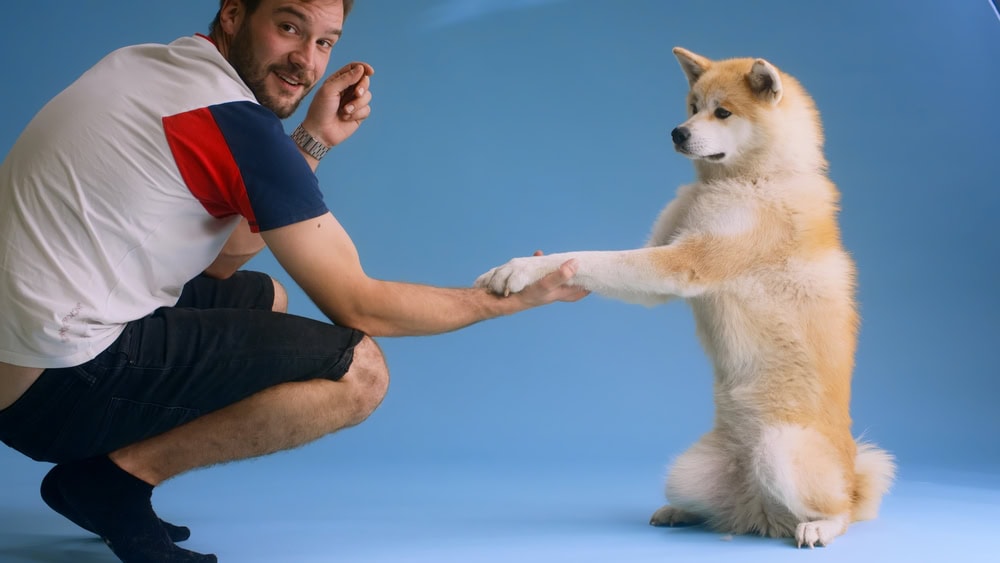
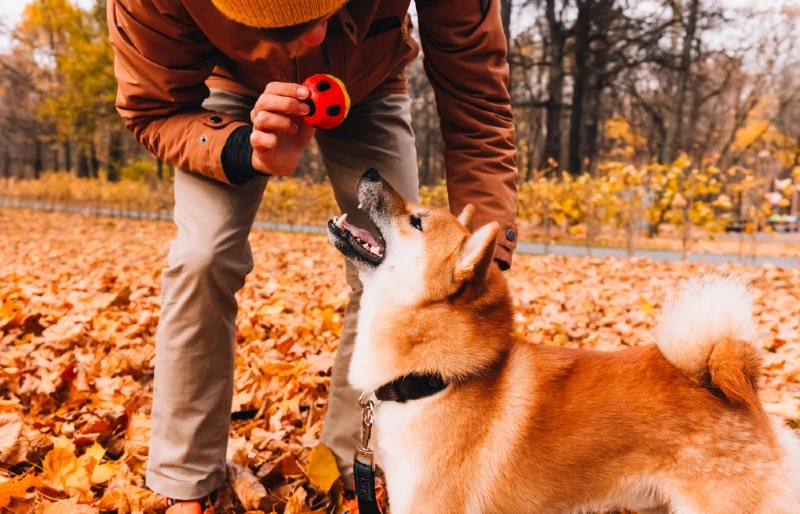
Beyond going for walks with your Akita, there should also be playtime, which should provide more physical exercise, mental stimulation and enrichment, and important bonding time with you.
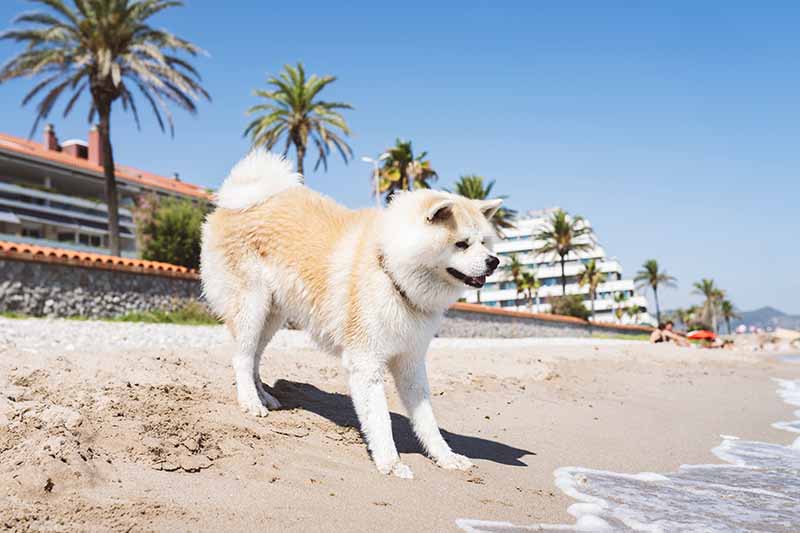
Bear in mind that Akitas prefer it when it’s cold and snowy out and don’t do well in hot weather, so if you live somewhere hot, you’ll need to make your outings briefer and aim to take them for a walk in the mornings and evenings.
Mental Stimulation Ideas for Your Akita
Mental exercise is vital to keep your Akita happy and healthy. A bored dog is an unhappy and destructive dog.
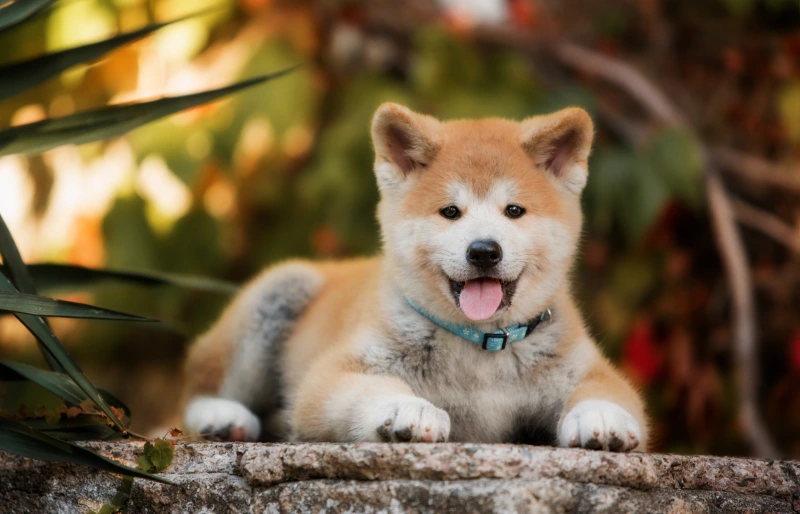
Exercising Akita Puppies
Puppies have very different exercise needs compared to adult dogs. They are constantly growing, and their bones and joints are still developing. Too much impact and exercise on their joints will cause damage that can hurt them and create long-term damage for the rest of their lives.
This is even more crucial for large breed puppies like the Akita. They shouldn’t be encouraged to jump, whether it's jumping up for something or down off a higher surface. You should also keep walking on hard surfaces like sidewalks to a minimum. This can all lead to high-impact injuries on their bones and joints.
Generally speaking, puppies should be walked for 5 minutes for every month of age. So, if your Akita is 5 months old, walking for about 25 to 30 minutes will suffice. If your puppy seems tired and is panting and even lying down, it’s time to head home.
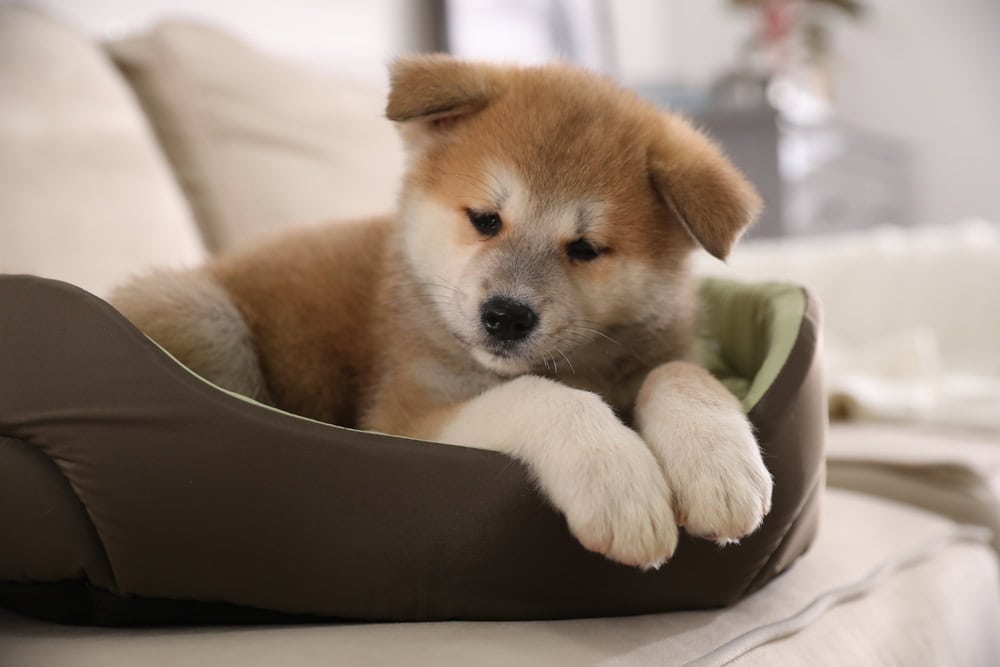
Your best bet, besides short walks, is to exercise them through play. Stock up on age-appropriate toys and join obedience classes. Akitas in particular need to be well-socialized from a young age so they won’t be as reactive to other dogs and people when they are older.
Exercising Senior Akitas
As adult dogs age, they start to slow down, so their exercise needs are less intense. You can still take them for walks, but they likely won’t be able to go for as long.
You also need to consider temperature extremes because senior dogs are more sensitive to weather that is too hot or too cold. Consider scaling back if your Akita seems uncomfortable or stiff after a walk.
It’s still important to exercise your senior dog; just be aware of their limitations and speak to your vet for any exercise ideas.
Conclusion
The Akita isn’t considered a high-energy breed, but they do need plenty of exercise. They should get a long daily walk every day and plenty of mental stimulation and playtime to meet their needs. Ideally, you should ensure that your Akita has about 2 hours of exercise daily, with 1 hour being the absolute minimum.
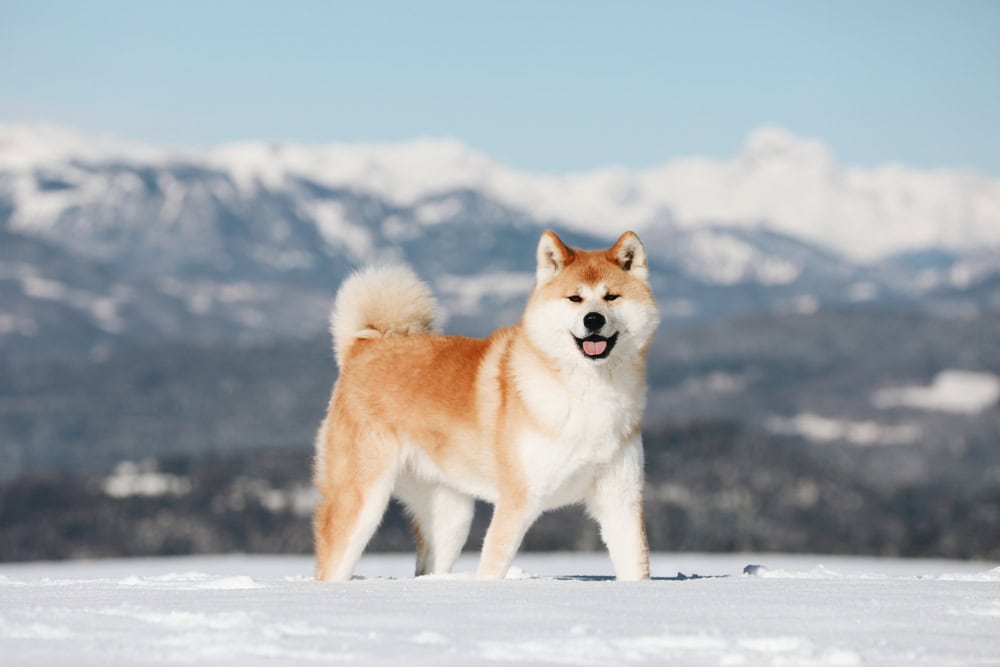
The Akita loves cold weather, so taking them out for snowshoeing or hiking on a cold winter’s day would be their idea of heaven!
Featured Image Credit: Zen Chung, Pexels
Get Hepper In Your Inbox


Pet care tips from our vets and experts, straight to your inbox.
You may opt-out at any time. View our Privacy Policy for more information.
Kathryn was a librarian in a previous lifetime and is currently a writer about all things animals. When she was a child, she hoped to work in zoos or with wildlife in some way, thanks to her strong love for animals. Unfortunately, she's not strong in the sciences, so she fills her days with researching and writing about all kinds of animals and spends time playing with her adorable but terribly mischievous tabby cat, Bella. Kathryn is hoping to add to her family in the near future – maybe another cat and a dog.
Join the conversation
Ask a question, share your story, or send private feedback.