Hepper is reader-supported. When you buy via links on our site, we may earn an affiliate commission at no cost to you. Learn more.
American vs. European German Shepherds: Key Differences (With Pictures)
In this article
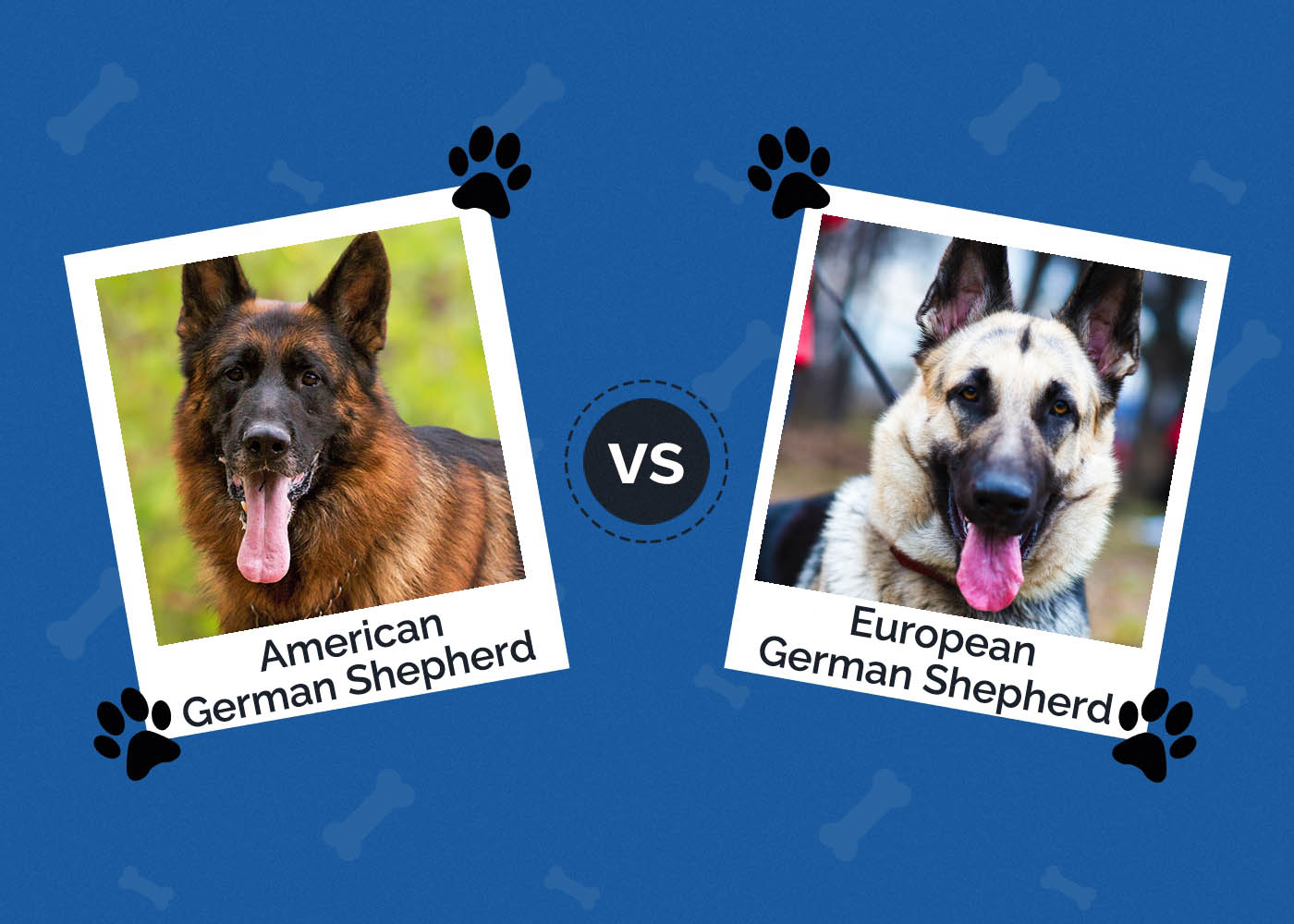
The German Shepherd is a popular pet for many reasons. They’re smart, trainable, loyal, loving, and protective. The German Shepherd is also an active breed that requires plenty of exercise to thrive.
They were originally bred in Germany as herding dogs. This trait remains in their trainability and love of work. The original German line of these wonderful dogs split into two, creating the American and European versions we know today. Although these two dogs are basically the same breed, the separation of their breeding lines has created some subtle differences between them, most noticeably that the American German Shepherd is slightly larger.
Let’s take a look at some of the variations between the American and European German Shepherd.

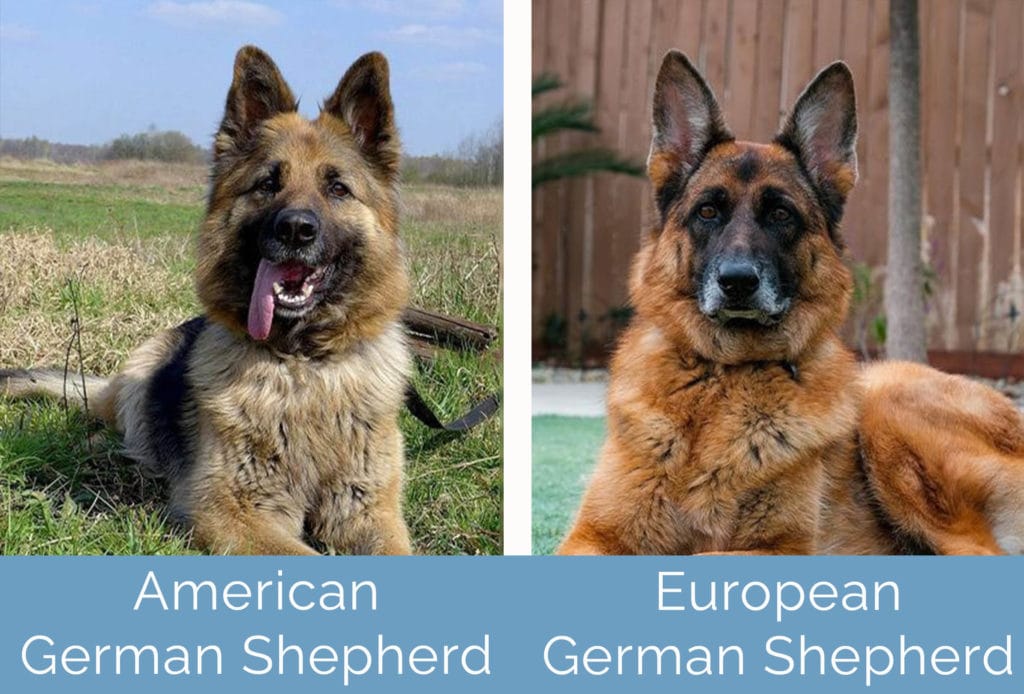
Visual Differences
At a Glance
American German Shepherd Overview
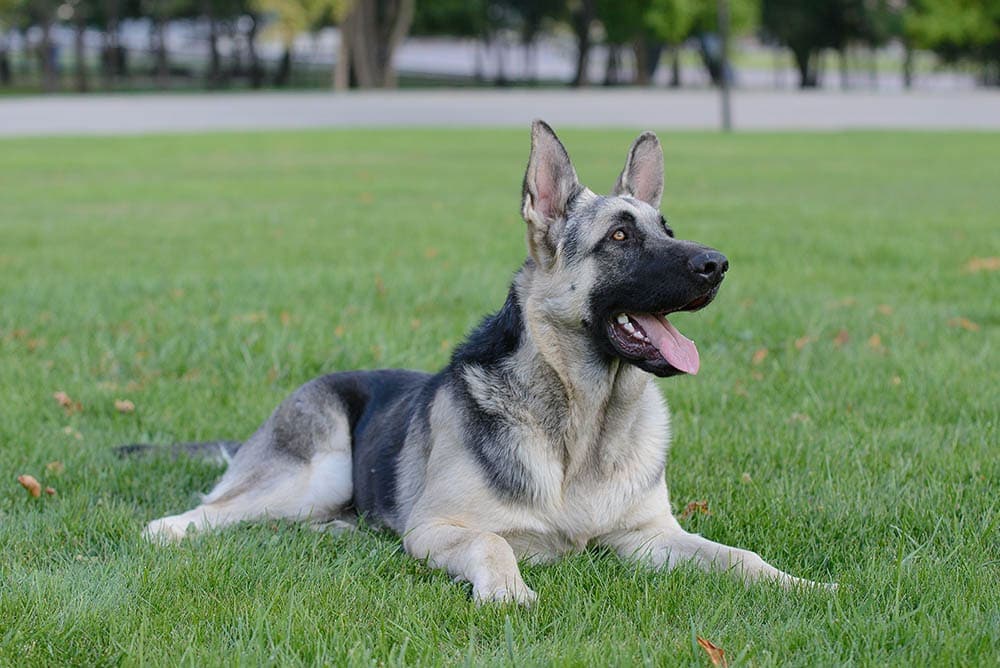
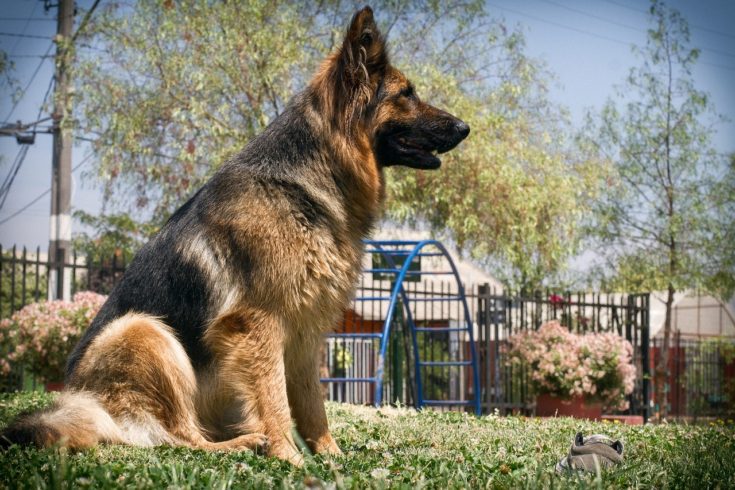
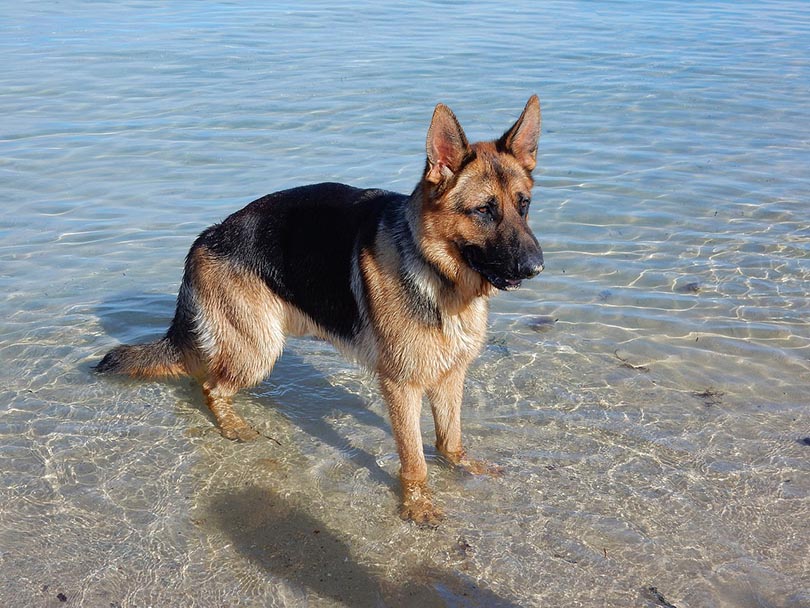
The American German Shepherd is a wonderful family pet for the right family. They need plenty of exercise, training, and attention. In return, you’ll have a dog that is sweet and affectionate with its family and wary of strangers. They make the perfect guard dogs. They are larger than the European Shepherd. They also are lighter in color with tan and black markings.
Personality Character
These dogs are calm, laid back, loyal, and affectionate with their family. They can switch to guard dog mode quickly when needed. This isn’t a good dog for someone who wants a hands-off pet. The German Shepherd requires training, attention, and exercise to be happy and healthy. They do well with agility training and other activities that rely on listening and following instructions.
Exercise
The American German Shepherd needs at least 2 hours of active time every day. If you don’t have the time to commit to exercising your dog, then this isn’t the pet for you. They will become bored, depressed, and destructive if they aren’t able to burn off their energy as needed.
Training
The American German Shepherd loves learning and is very smart. These dogs are loyal and like having a job to do. They will listen very closely to their handler’s commands and will react accordingly. This makes them a great choice for high-pressure situations, although many of the German Shepherds used in law enforcement are from the European lines.
Health & Care
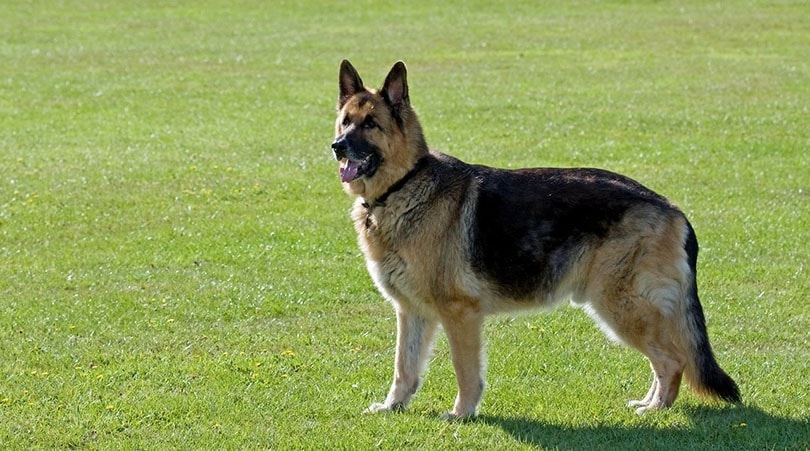
The American German Shepherd is relatively healthy but does have a few potential concerns. Like many large breeds, they are prone to hip dysplasia and bloat. Maintaining a healthy weight, plenty of exercise, and regular veterinary visits are the best way to ensure your dog has a long, happy life.
Suitable For:
The American German Shepherd is suitable for active families that are willing to invest the time and energy required to help them become well-behaved and loyal pets. They are also a smart choice for active singles that want a hiking or jogging partner. They don’t make a good choice for people and families that spend a lot of time away from home, as they hate to be left alone for long stretches.

European German Shepherd Overview
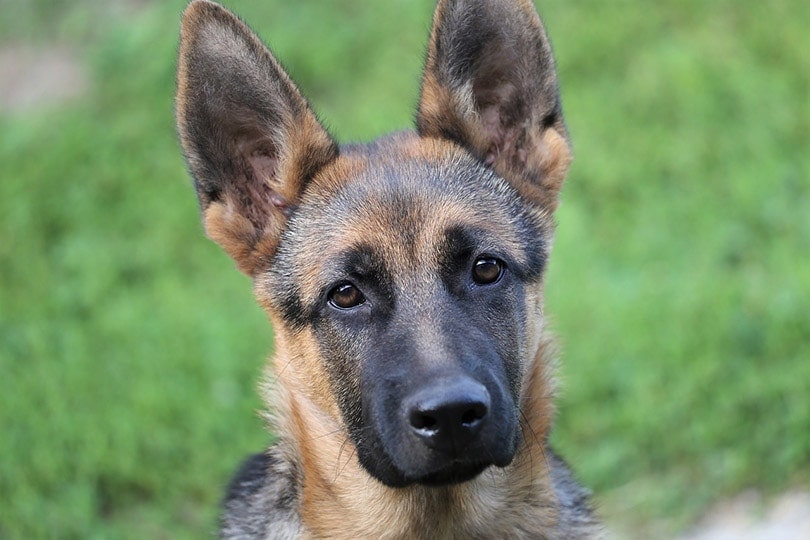
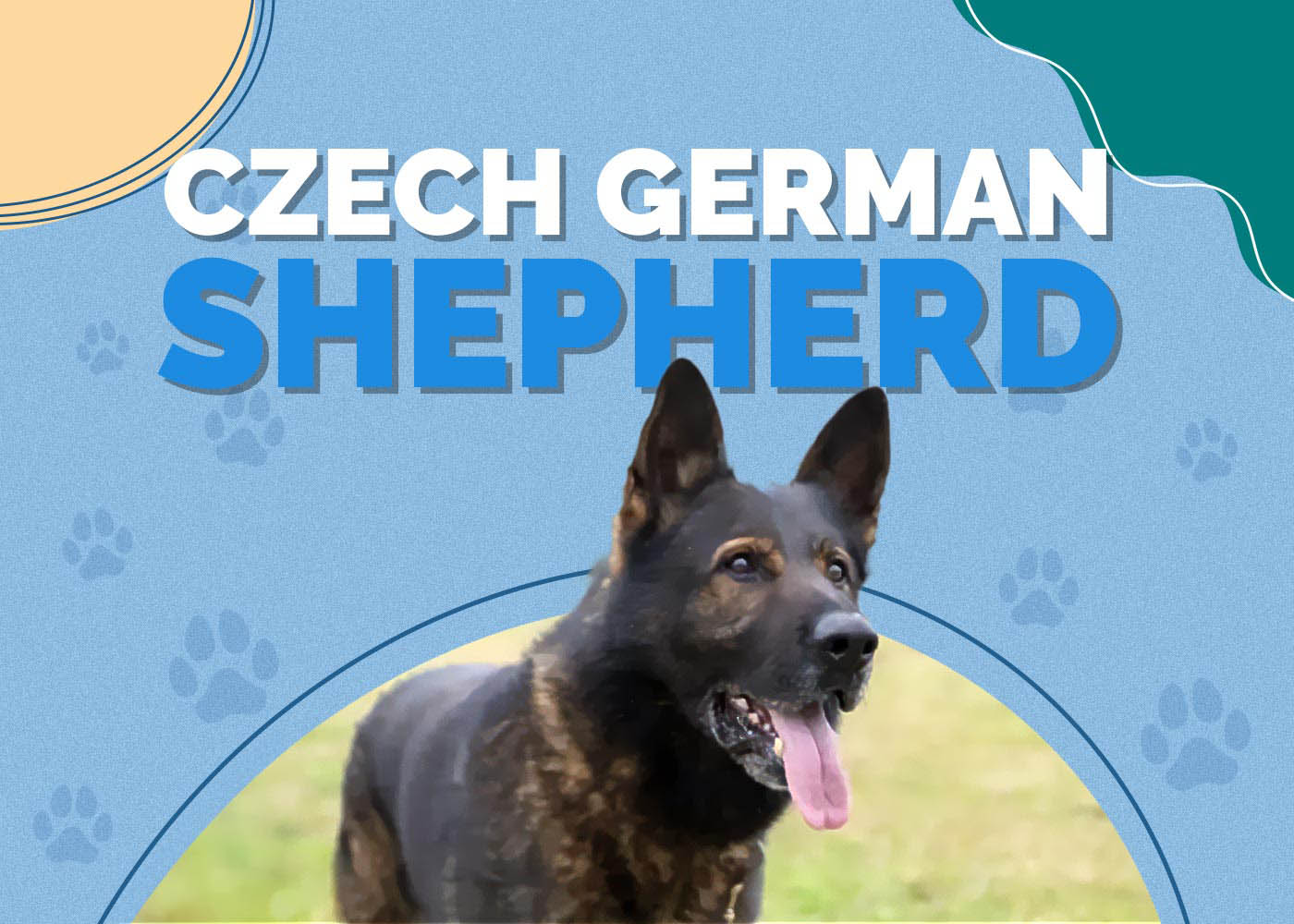
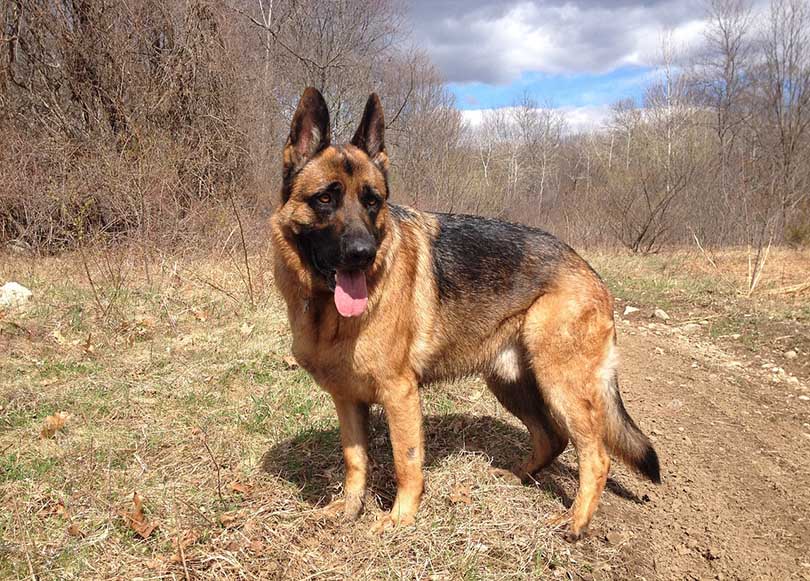
The European line of German Shepherds is similar to the American line. The biggest difference is in size and appearance. The European version is darker in color with red and black markings more typical. They are also slightly smaller and have a less sloped posture than the American German Shepherd.
Personality/Character
Like its American counterpart, the European German Shepherd is a loyal, intelligent, calm, and quiet dog when they are with their family. They are very loyal and loving to their people and can also be very protective.
Exercise
The European German Shepherd has the same exercise requirements as the American German Shepherd. They need plenty of active, outdoor time every day or else they will become bored and depressed. Similar types of exercise are appropriate for both breeds, including hiking, running, walking, and fetch.
Training
Many of the German Shepherds used in law enforcement are from European lines. It’s believed that they have been bred to keep the strong work ethic their herding ancestors possessed intact. Both the American and European lines of German Shepherds are very trainable, though, and respond well to having intense instruction from a young age.
Health & Care
The European German Shepherd is less prone to hip dysplasia than their American cousin. They don’t have the sloped backs of the American version and they’re slightly smaller. The breeding of the European German Shepherd is also more closely regulated which leads to fewer genetic health problems in general.
Suitable For:
The European German Shepherd has benefited from carefully regulated breeding that has preserved its favorable characteristics without sacrificing its health. This makes them an excellent choice for working in law enforcement and other occupations. They are also loving, loyal family pets for the family that can meet their exercise and attention needs.
Which Breed Is Right for You?
The American and European German Shepherd are technically the same breed of dog, although they come from two distinct bloodlines. The American line is a great choice for a family pet, although breeding is not as regulated, which results in more health problems than their European cousins.
The European German Shepherd is also a good family dog, although they are regularly used by law enforcement and other agencies.
If you live in the United States, you’ll have an easier time finding an American German Shepherd. However, you should be very careful about researching the breeder to ensure you’re getting a dog that is healthy. The European German Shepherd can be found in America but is rarer and more expensive.
Related Reads:
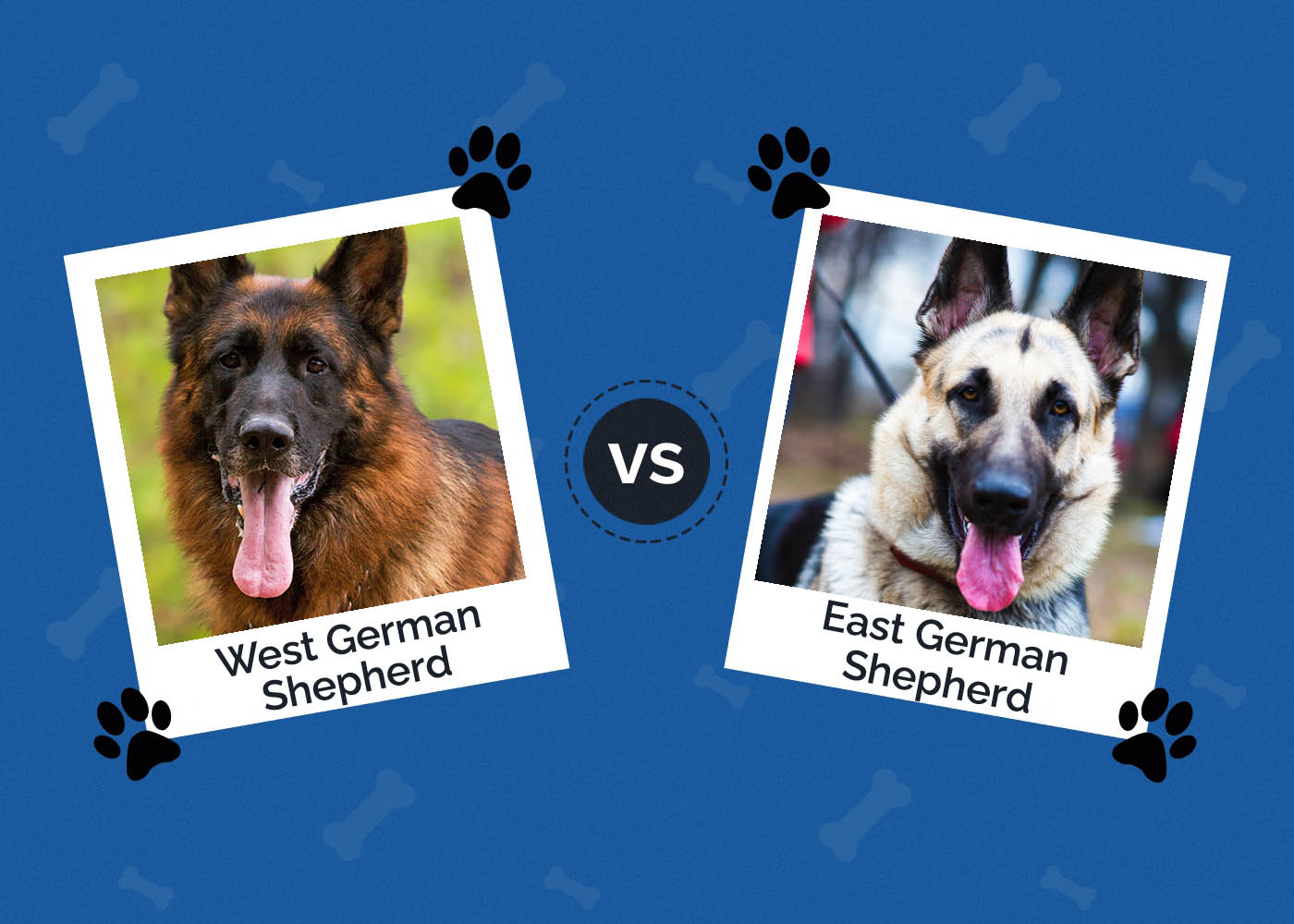
West German Shepherd vs East German Shepherd: What’s the Difference? (with Pictures)
Best Games to Play With Your German Shepherd (Fun Activities You Can Do Today!)
Feature Image Credit: (L) Osetrik, Shutterstock | (R) Novikova-Asheulov Natalia, Shutterstock
Get Hepper In Your Inbox


Pet care tips from our vets and experts, straight to your inbox.
You may opt-out at any time. View our Privacy Policy for more information.

Nicole is a lover of animals of all sizes but is especially fascinated with the feline variety. She’s the proud mom of Baby, a Burmese, and works every day so he can relax in the sunshine or by the fire. She’s always had a cat in her home and has spent countless days with others, observing behaviors and softening up even the grouchiest of the lot. Nicole wants to share her kitty expertise with you so you and your cat can live happy, healthy, and care-free.
Join the conversation
Ask a question, share your story, or send private feedback.