Hepper is reader-supported. When you buy via links on our site, we may earn an affiliate commission at no cost to you. Learn more.
American vs European Great Dane - How Do They Compare? (With Pictures)


In this article
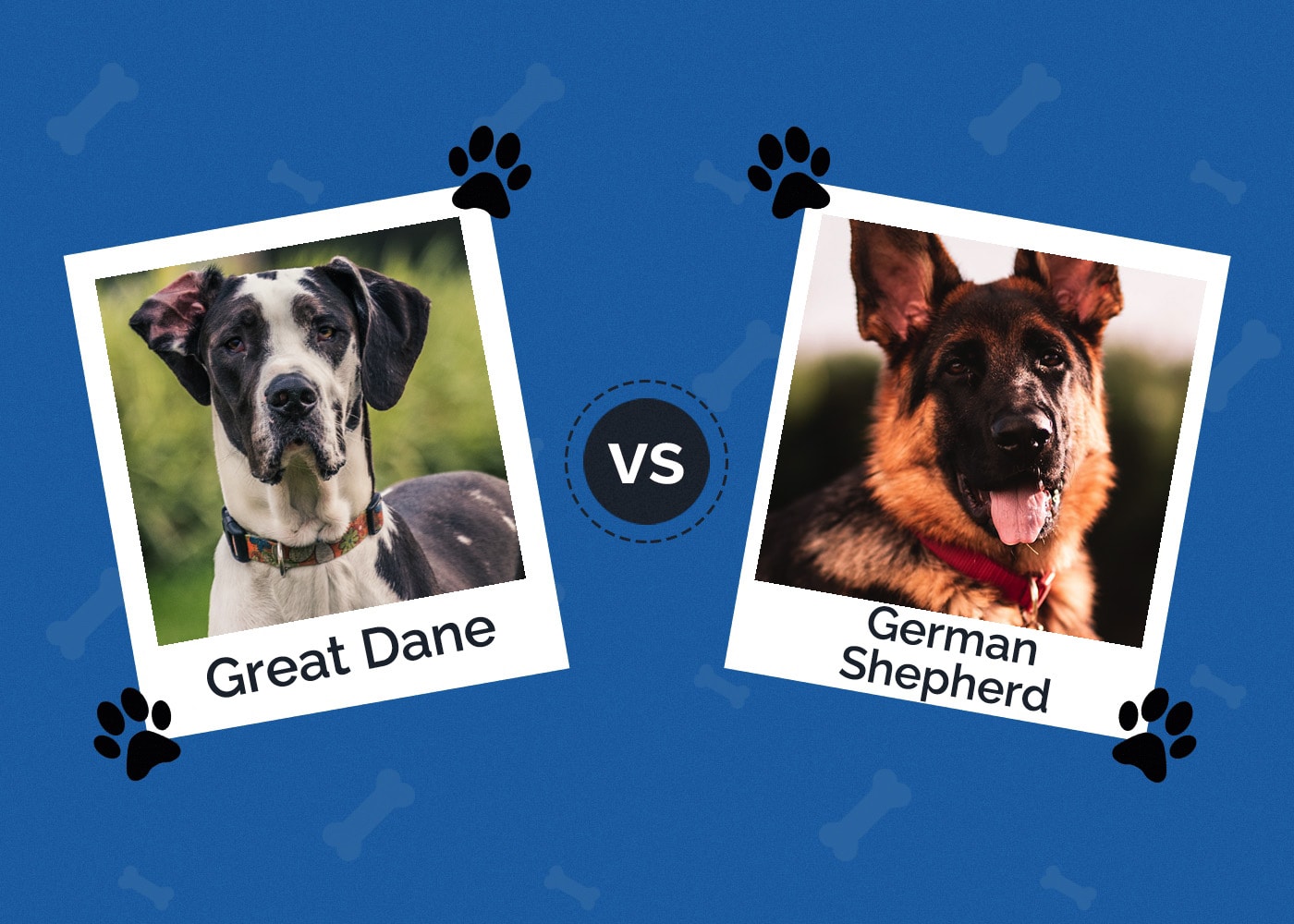
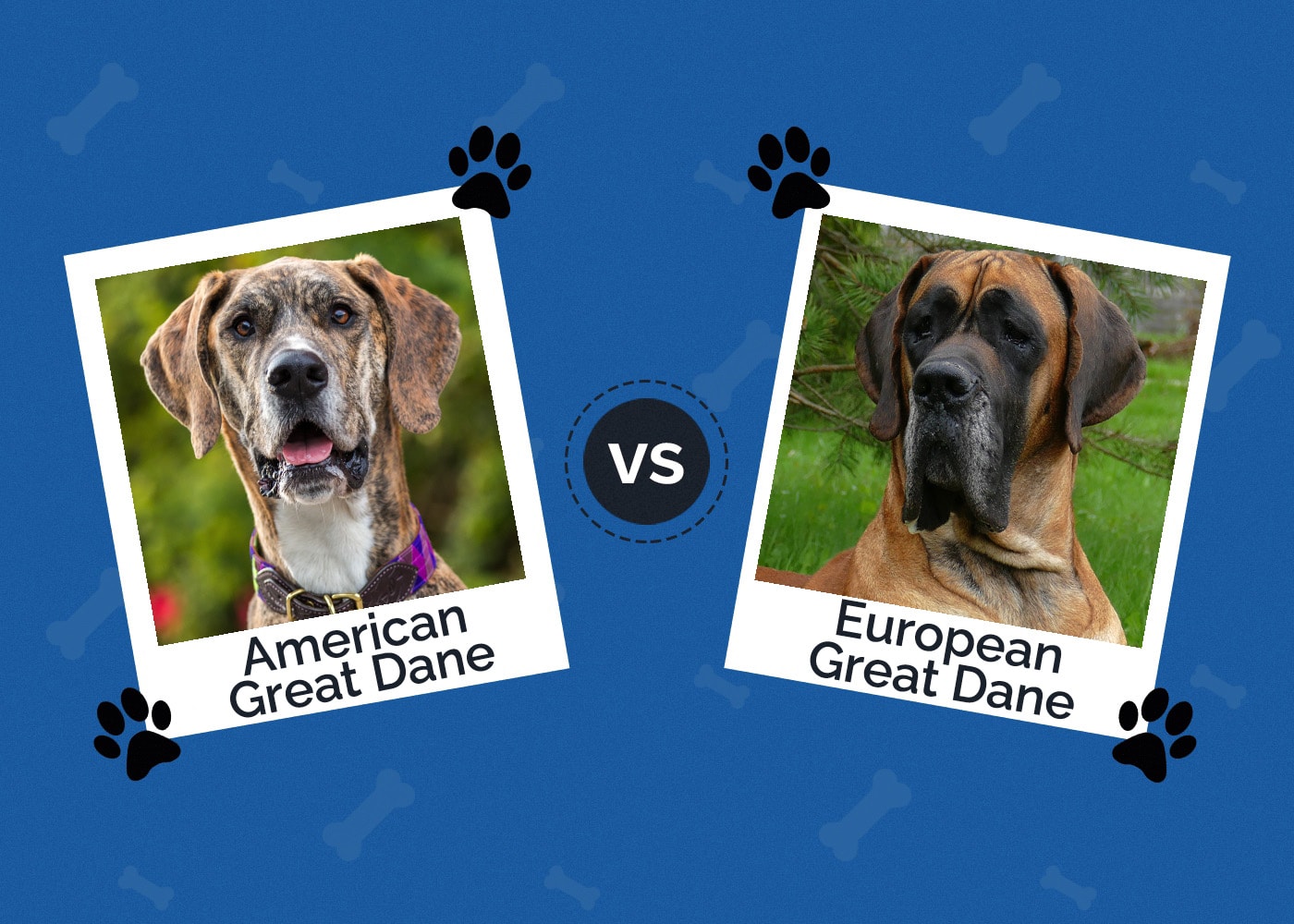
Though the American Kennel Club (AKC) and Fédération Cynologique Internationale (FCI) have similar but not identical breed standards for Great Danes, there are a few differences between American Great Danes and European Great Danes. Great Danes originated in Europe—in Germany, to be precise—but later became very popular elsewhere, including in the US.
Great Danes bred in the US are often described as being slightly different from European Great Danes in terms of appearance, size, weight, and temperament, though both types are still very similar. In this post, we’ll introduce you to the European and American Great Dane to clarify how they are alike and how they differ.

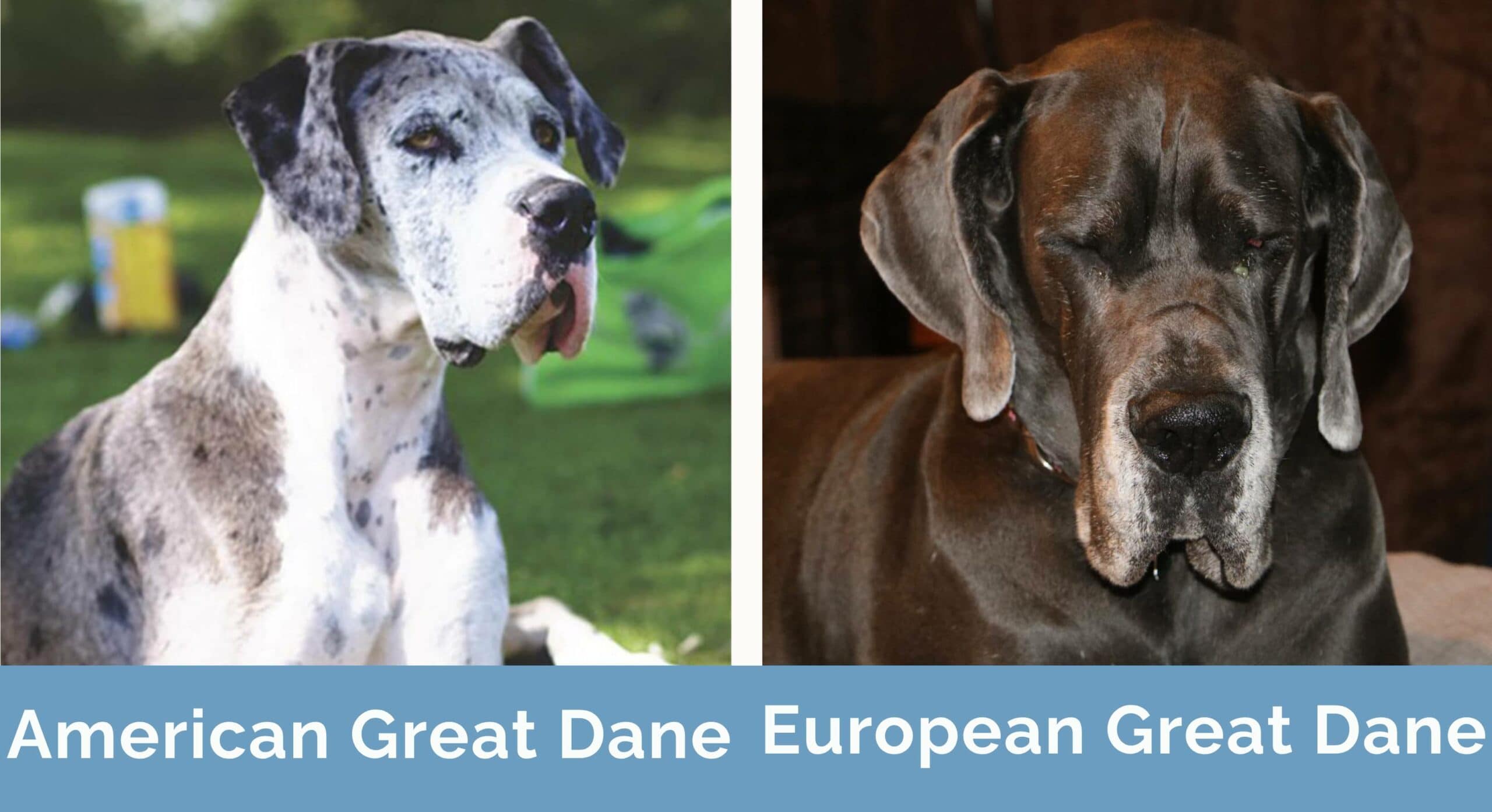
Visual Differences
At a Glance

European Great Dane Overview
Appearance
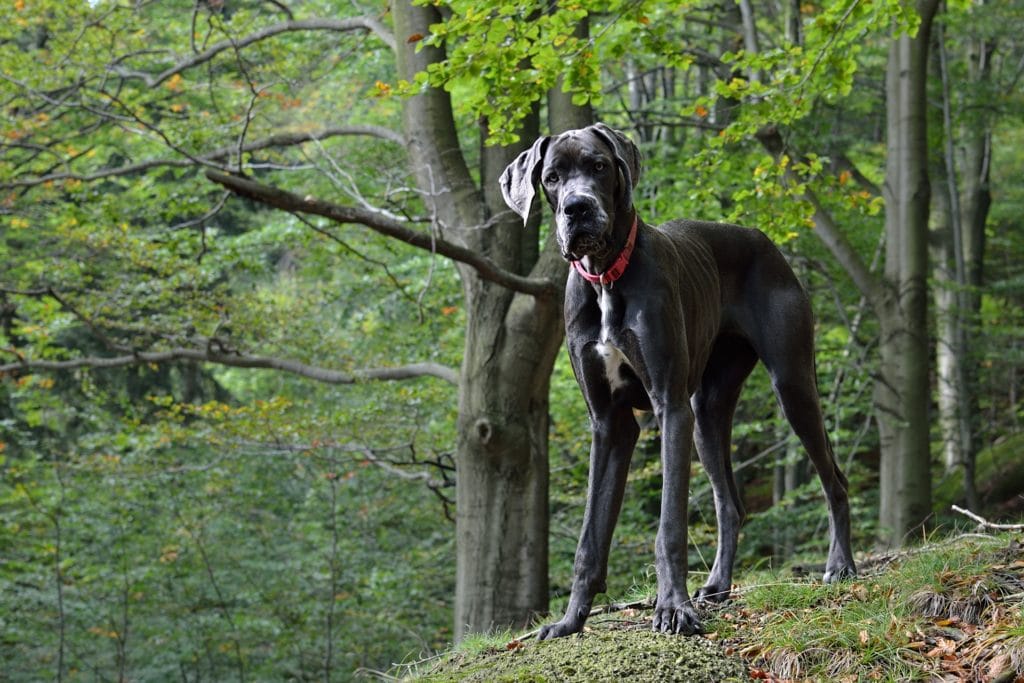
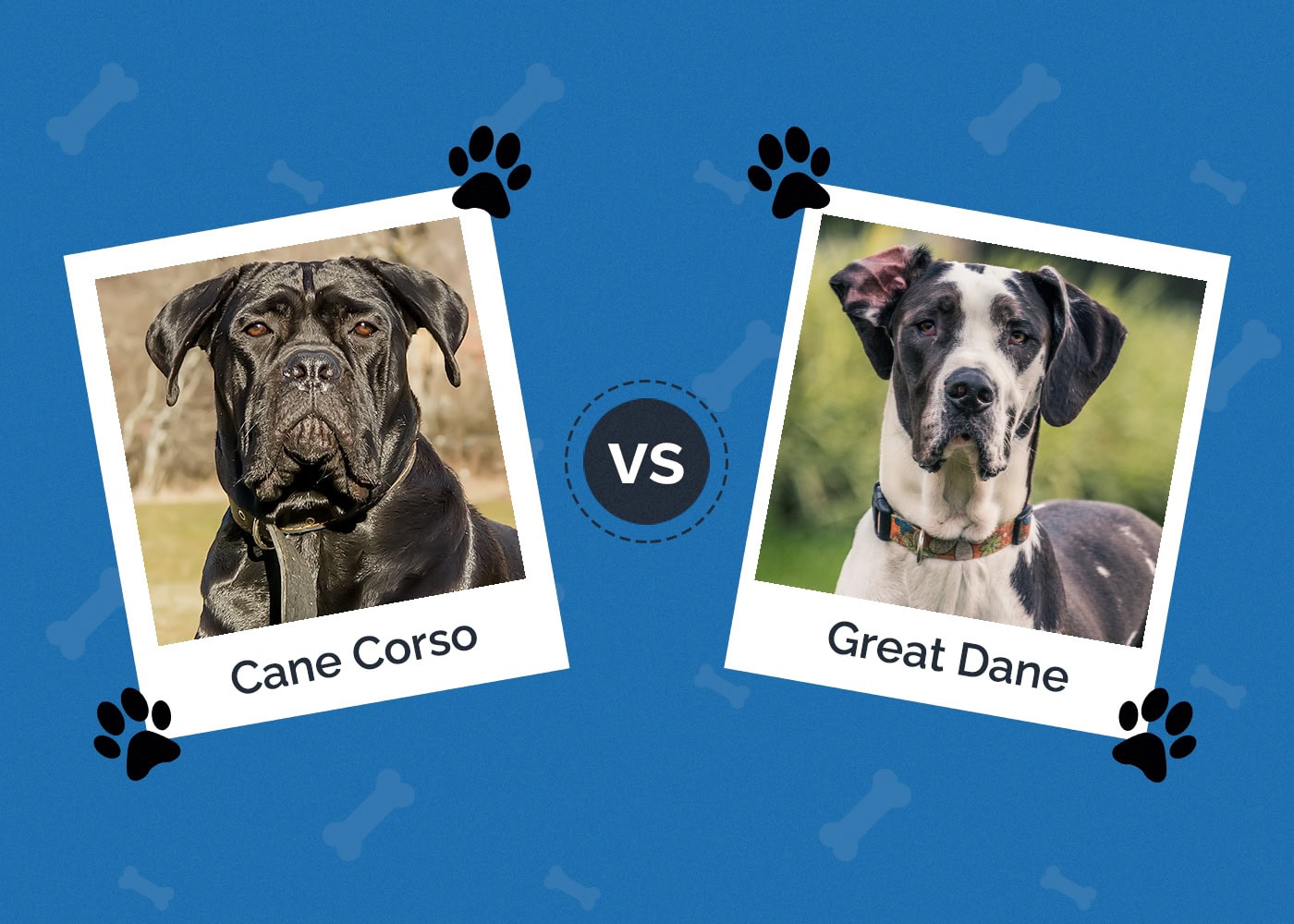
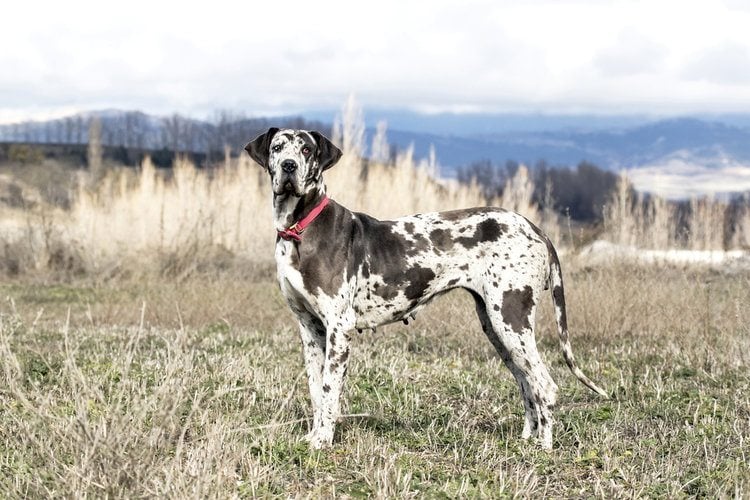
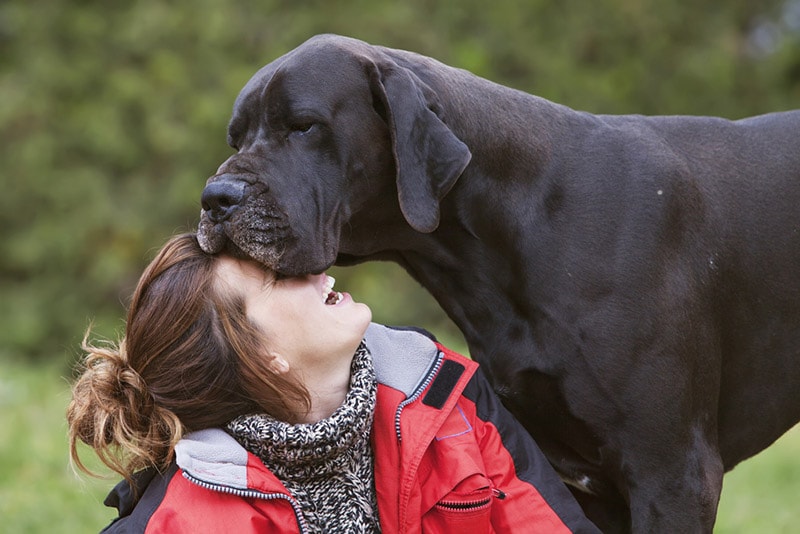
The European Great Dane is typically the larger and heavier of the two Danes, with some weighing well over 180 pounds or even more in some cases. Europeans have huge chests and appear somewhat bulkier and more “Mastiff-like” than American Great Danes do.
European Great Danes’ heads are also typically more square-shaped with rounder muzzles than those of Americans. In addition, the lips appear to hang more. Both have a stance that is confident, powerful, and self-assured.
Personality
Great Danes, whether American or European, usually have wonderful personalities—another thing that makes them so endearing. European Great Danes, however, are said to have a bit more chilled-out temperament-wise. Many have a certain calm and collected aura that adds to their noble, dignified appearance. With family, they’re typically affectionate and friendly.
European Great Danes are nevertheless very active dogs that need around 2 hours of exercise (adults only) per day. They appreciate having nice, open spaces like a large park, field, or a big yard to spend time freely roaming and running.
Just be mindful of not overexerting your Great Dane puppy. Great Dane puppies’ bones and joints are prone to damage if they’re expected to do too much high-impact exercise at an early age.
Training
European Great Danes are highly intelligent dogs that are very trainable. That said, they may be better suited to owners with prior experience rather than first-time dog owners because these large and powerful dogs can be difficult to manage if paired with an inexperienced owner who isn’t sure what to do.
This is also true for any dog breed, but if we factor in the Great Dane’s sheer size and power, it becomes all the more important that they’re properly trained. With appropriate positive reinforcement-based training, European Great Danes can be fantastic walking or hiking companions with lovely manners both on and off the leash.
Health & Care
Both types of Great Danes are prone to certain health conditions, one of the most serious being gastric dilatation-volvulus (bloat). Though bloat is often a minor annoyance in humans, in dogs it can be fatal. It occurs when gastric dilatation, which is stomach distention, progresses to the point where the stomach twists due to being full of either gas, fluid, or food.
Other Great Dane health conditions to watch out for include hip dysplasia, hypothyroidism, cardiac diseases, eye diseases, and autoimmune thyroiditis.
Suitable for:
The gentle and patient European Great Dane is typically a wonderful family dog. They're a huge (quite literally) commitment on all counts, though. For this reason, they might be better suited to an active family dedicated to training and socializing the European Great Dane, and who will make sure they have plenty of time and space to get their energy out.
It is also important to make sure you supervise your Great Dane around small children. Though not usually aggressive, dogs are often very calm and gentle around children. Great Danes—especially European Great Danes—are simply gigantic and may accidentally knock down small children just by passing them or during play.

American Great Dane Overview
Appearance
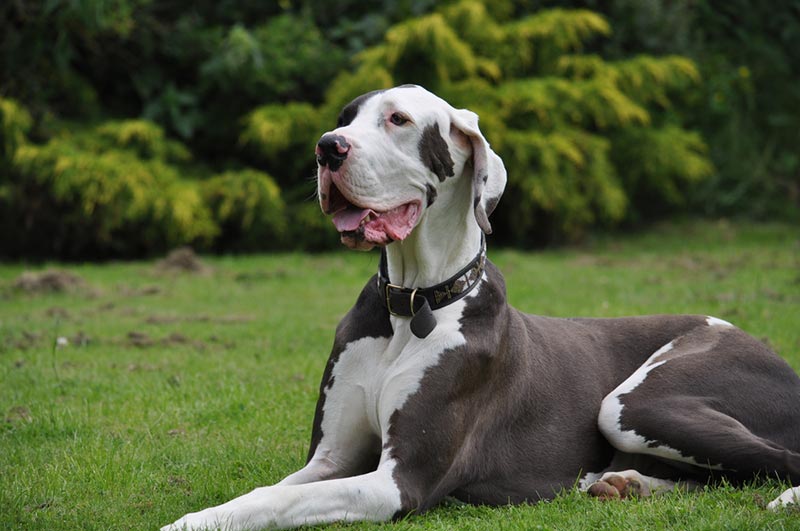
Appearance is where American Great Danes differ the most from Europeans. Though still huge dogs, you’ll notice that American Great Danes are typically smaller, lighter, and appear sleeker than European Great Danes.
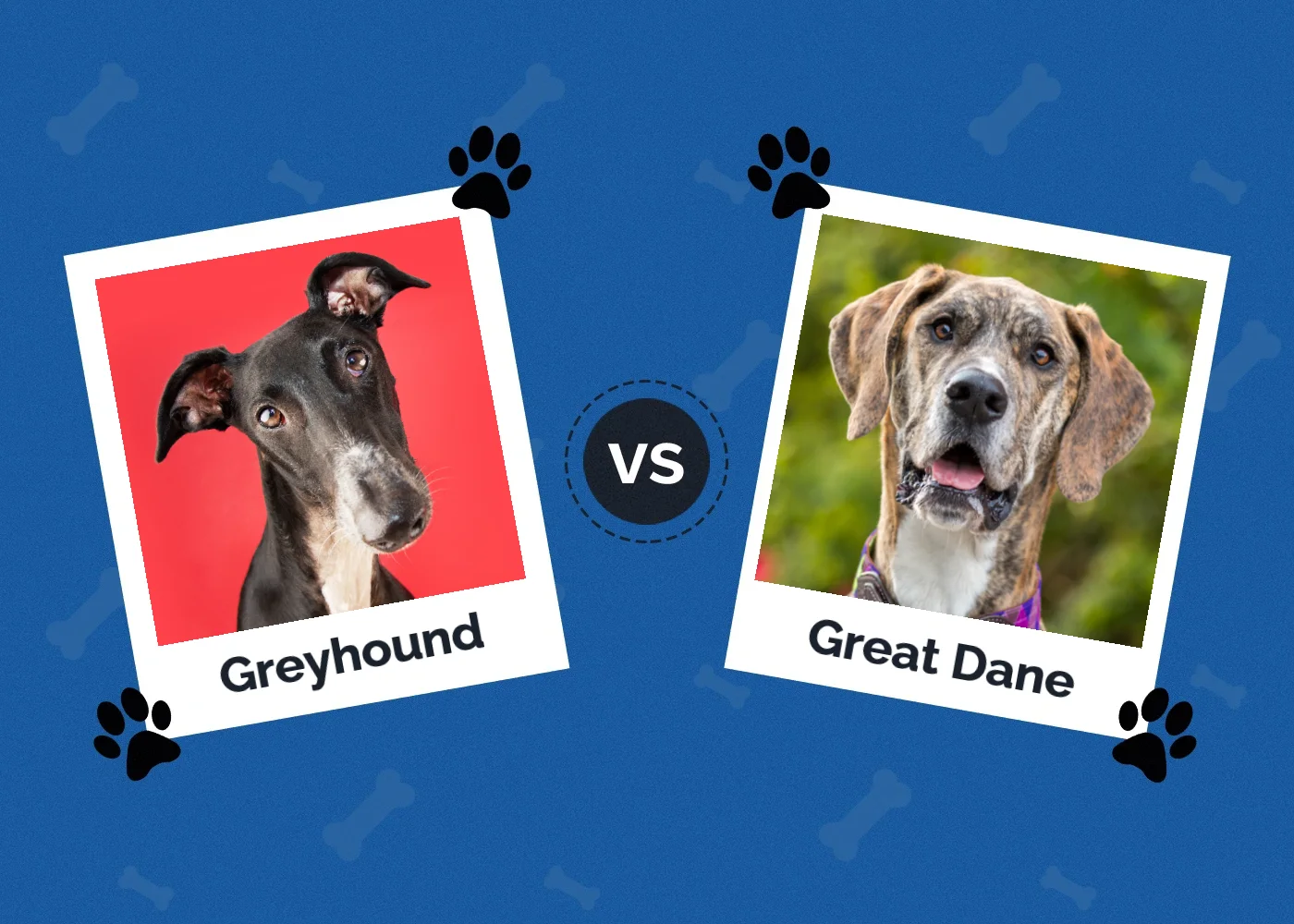
They also typically have more slender necks and bodies, narrower chests, and rectangular-shaped heads, whereas Europeans have square-shaped heads. The American has a sharper, less rounded muzzle, and the lips appear to be less droopy than those of the European. Moreover, they look a bit more Greyhound-like, whereas the European is more Mastiff-like in appearance.
Personality
To reiterate, both types of Great Dane are fantastic companion dogs when raised properly, but some have noticed slight differences in the American Great Dane’s temperament to that of the European. For one thing, the American is said to be more active than the European and more excitable, too—particularly when young.
Training
Like the European Great Dane, the American Great Dane is very smart and quick to learn. They respond well to positive reinforcement-based training and consistent guidance, so with kind, consistent training, they’re sure to flourish. However, since American Great Danes are said to be more active and excitable, they might prove a little more difficult to manage for first-time owners.
Grooming & Care
American Great Danes are susceptible to the same health conditions as Europeans—please check above for more information on this. On the other hand, Americans may tend to live a bit longer on average than European Great Danes.
In terms of grooming, their coats don’t shed much, so a weekly going-over with a brush should suffice to keep shedding under control. Be prepared for shedding seasons, though (spring and fall), as you can expect your Great Dane to shed more during these times and will require daily brushing to keep this under control.
In addition to coat maintenance, your Great Dane’s nails should be trimmed regularly to prevent pain and discomfort caused by nail overgrowth.
Suitable for:
American Great Danes might be a tad smaller and lighter than European Great Danes, but they’re just as big a commitment. Because of their size and strength, these dogs do best with owners who are confident, consistent, and committed to ongoing training and socialization. For this reason, they might also fit best into a family that has experience with dogs—particularly in terms of socializing and training them.
The active American Great Dane will need plenty of exercise each day to help prevent boredom and the development of unwanted behaviors, so a family that enjoys walking, hiking, and generally spending time outdoors would be perfect for the American Great Dane.

Which Type of Great Dane Is Right for You?
The type of Great Dane you choose really comes down to your preferences. If you have preferences in terms of appearance, size, and weight, this will make it easier for you to choose. If you don’t care about appearance, both types of Great Dane are very similar and are more alike than they are different. In short, they’re both Great Danes!
It’s also important to bear in mind that there are no guarantees when it comes to personality—you might get a super chilled American Great Dane or a highly-aroused European Great Dane. The best way to know if a dog is right for you is to actually meet them and get to know as much about them as possible, rather than going off descriptions of breeds or types.
Related Reads:
Featured Image Credit: (L) Tara Lynn and Co, Shutterstock | (R) Pavel Shlykov, Shutterstock
Get Hepper In Your Inbox


Pet care tips from our vets and experts, straight to your inbox.
You may opt-out at any time. View our Privacy Policy for more information.
Kit Copson is a freelance writer and lifelong animal lover with a strong interest in animal care. She has parented various furry beings over the years and is currently a proud cat mom of two—one skittish but adorable Domestic Shorthair and very chilled (unless hungry) Siamese and a —and dog mom of one—an adopted Bichon Poodle cross. When not writing about or spending time with pets, Kit can be found doodling in her sketchpad, reading, or more often than not, drinking tea.
Join the conversation
Ask a question, share your story, or send private feedback.