Hepper is reader-supported. When you buy via links on our site, we may earn an affiliate commission at no cost to you. Learn more.
Are Bearded Dragons Affectionate? Vet-Reviewed Emotional Science


In this article
When it comes to our pets, one of the many perks of owning one is the emotional and mental improvements that come from having something to care for. Part of the bond we create with them comes from being physically affectionate. Of course, this is expected with soft, cuddly animals like cats and dogs, but what about our scaly friends? Can pets like bearded dragons be affectionate too? Well, that depends on how you look at it and if you value science-based evidence over what owners of bearded dragons report. Studies suggest that although bearded dragons feel a range of emotions, there is no data to prove they are affectionate creatures.

Emotions of Bearded Dragons
While there are studies to support that reptiles can feel a range of emotions, most of them have to do with survival: fear, stress, anxiety, suffering, etc. That’s not to say that you can’t bond with your bearded dragon. They are able to be tamed, and doing things like offering treats, handling them regularly, and providing them with a safe, clean environment can build up their trust in you. However, to say that bearded dragons feel love or affection in the same sense that we do has no real scientific evidence to back it up.
What Bearded Dragon Owners Say
Many proud bearded dragon parents will share tales of their pet's distinct personalities. Some dragons prefer their solitude, occasionally even being a tad grumpy with their human companions. Others, on the other hand, seem to genuinely enjoy human company, demonstrating behaviors like:
- Curiosity
- Seeking comfort
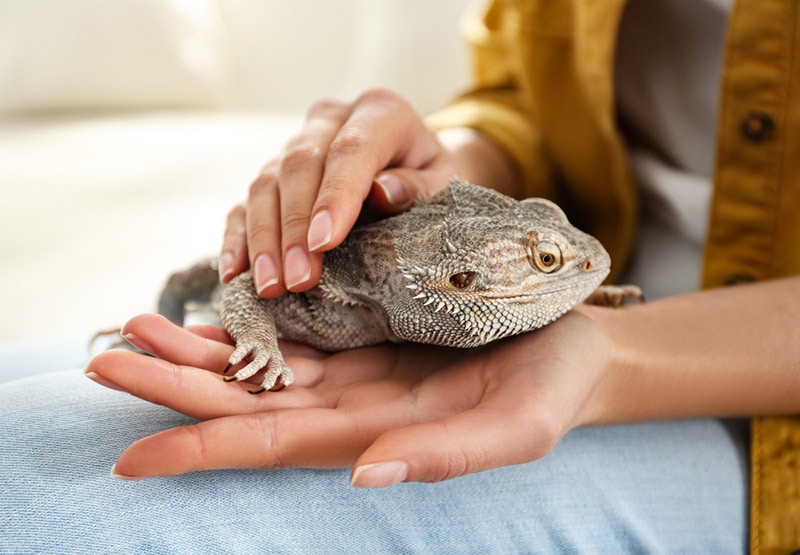
- Pleasure when stroked
- Excitement when their owner approaches
It is however important to note that these are perceptions of their owners or caretakers and not necessarily an accurate depiction of their state of mind.

Recent Research on Reptilian Emotions
Recent studies, particularly one from the University of Lincoln in the U.K., have begun to shed more light on this subject. In a fascinating experiment, a bearded dragon was taught to retrieve their food by opening a door. When other dragons watched and then tried, they successfully imitated the behavior. This suggests a level of social learning previously thought absent in such reptiles. However, that still doesn’t suggest that they can be as emotionally intelligent and affectionate as we’d like.
Pain and anxiety have been experimentally observed in bearded dragons 1. However, it is worth noting that a bearded dragon’s response to anxiety-inducing stimuli warrants further research. Likewise, understanding emotions in reptiles as a whole seems to be a research area that would definitely benefit from more investigation, as understanding their emotional cues and signs, and their grasp of emotions would definitely contribute towards animal welfare.
Can Bearded Dragons Show Affection?
The kind of affection bearded dragons display is, of course, different from the overt affection you'd get from a dog or cat. They might not wag their tails or purr, but there are several behaviors that suggest a bond with their owners, such as:
- Recognizing their owner’s presence
- Seeking them out for comfort
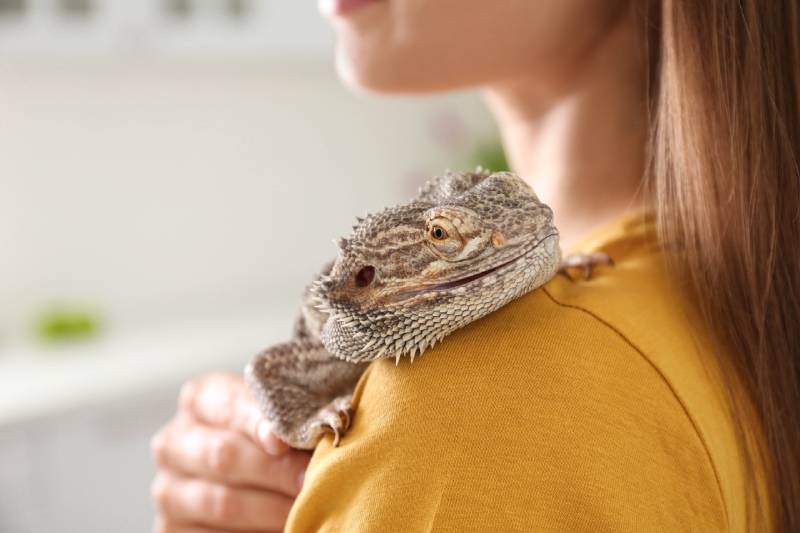
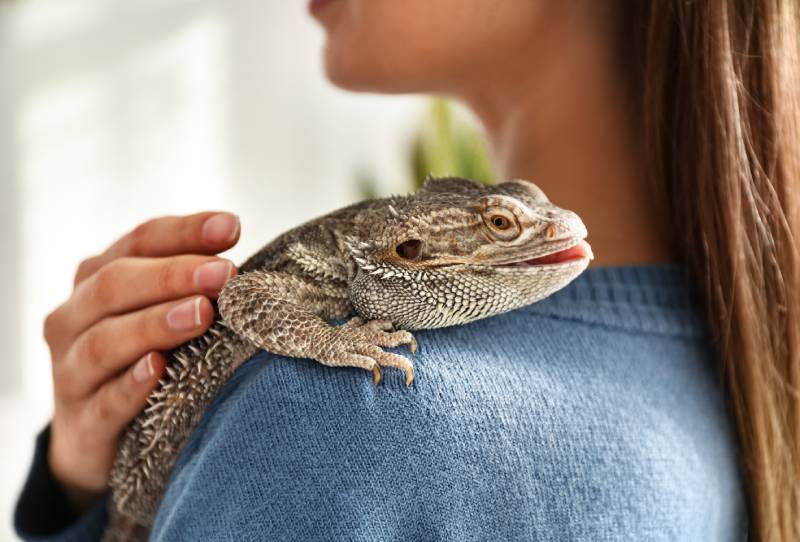
- Relaxing when stroked or handled
- Showing signs of jealousy or protectiveness when someone unfamiliar tries to handle them!
Nonetheless, these signs are purely anecdotal, and it’s not possible to claim that these are signs of affection, as doing so requires anthropomorphizing bearded dragons.
Understanding Your Dragon
Just like us, each bearded dragon is unique, with its own set of likes, dislikes, and quirks. Here's an anecdotal guide to deciphering their emotional language:
- Scratching at their tank: This could mean they're bored or curious. Maybe it's time for a little exploration session outside their enclosure.
- Arching or reaching towards you: They might want some attention or a gentle stroke.
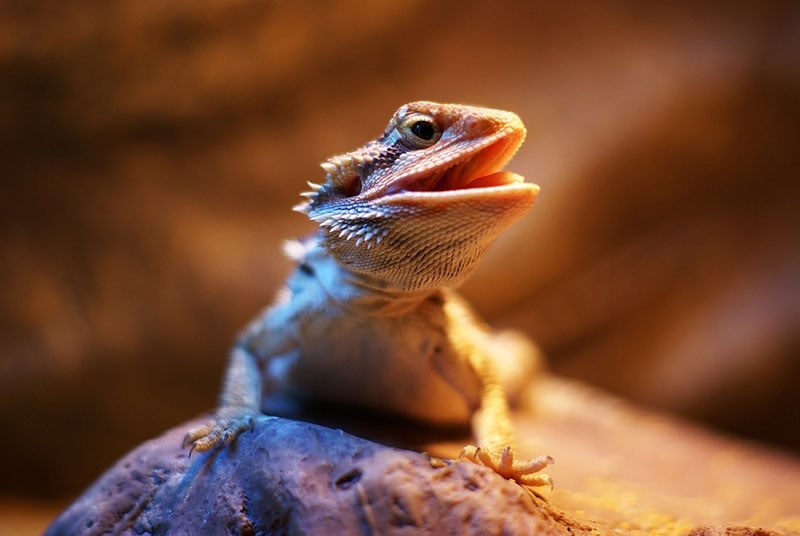
- Puffed-out beard or darkened color: It's usually their way of saying they're stressed or afraid. Give them some space.
- Hissing: Just like a cat, this is likely a sign of irritation or aggression. Approach with caution.
Please note that sexually mature, healthy male bearded dragons naturally tend to have darker beards during the breeding season.
If you're looking to foster a closer relationship with your dragon, here are some tips that may help you:
- Start young: Young bearded dragons can form strong bonds if introduced to human companionship early.
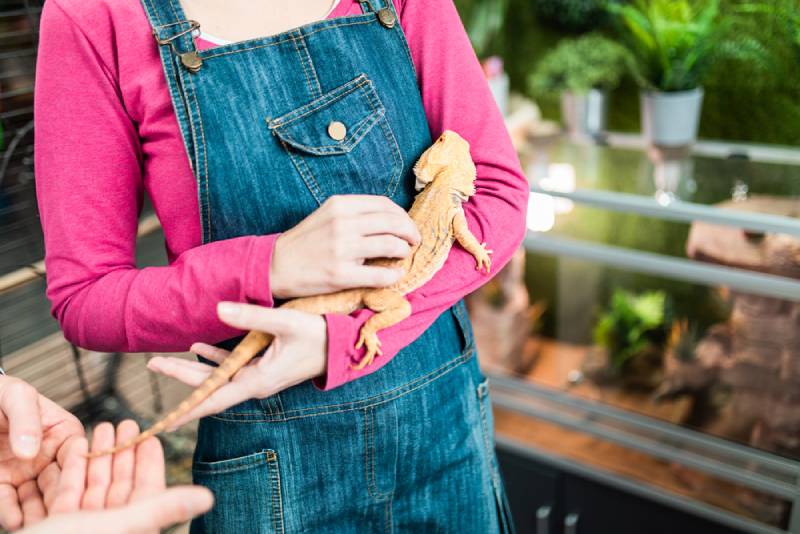
- Feed by hand: Associating yourself with food can accelerate the bonding process.
- Allow exploration: Let them roam safely in a secure environment. This can be a fun activity for both of you.
- Note their preferences: Every dragon is different. Some might love swimming, while others prefer to cozy up in a warm spot.
- Always keep their well-being in mind: Understand their cues, give them space when needed, and introduce them slowly to new experiences or people.
Conclusion
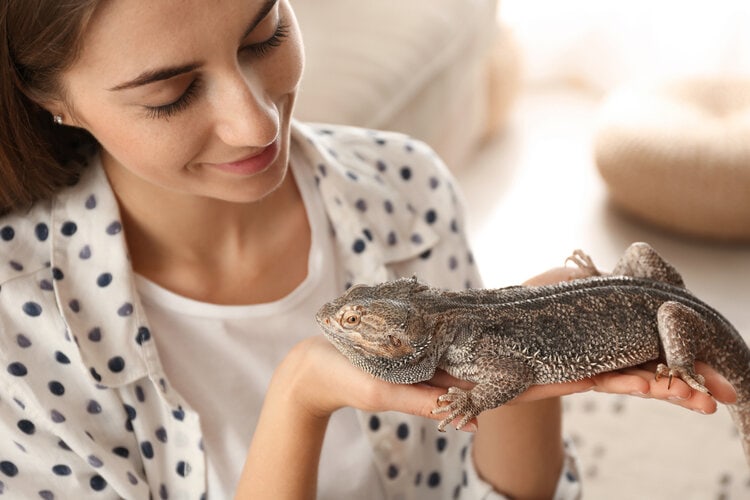
In the end, while bearded dragons might not express affection in ways we're typically accustomed to, and even though there is little scientific evidence to back up that they feel complex emotions that aren’t associated with survival, with patience and understanding, a bearded dragon can become a treasured and loving member of the family.
Featured Image Credit: New Africa, Shutterstock
Get Hepper In Your Inbox


Pet care tips from our vets and experts, straight to your inbox.
You may opt-out at any time. View our Privacy Policy for more information.
Melody Russell is an experienced pet enthusiast with a background in the animal care industry. She has worked at a zoo, served as a dedicated pet sitter, and has a passion for breeding and raising leopard geckos. As a versatile freelance writer, she excels in various genres, crafting captivating stories, informative articles, and engaging social media content. You can find her cat page, TheCommonKitties_, on Instagram, where she shares the adorable antics of her beloved feline companions. With her practical expertise and creative flair, she is eager to contribute her skills in pet care and writing to make a positive impact on the lives of animals.
Join the conversation
Ask a question, share your story, or send private feedback.