Hepper is reader-supported. When you buy via links on our site, we may earn an affiliate commission at no cost to you. Learn more.
Bearded Dragon vs Leopard Gecko: The Key Differences (With Pictures)
In this article
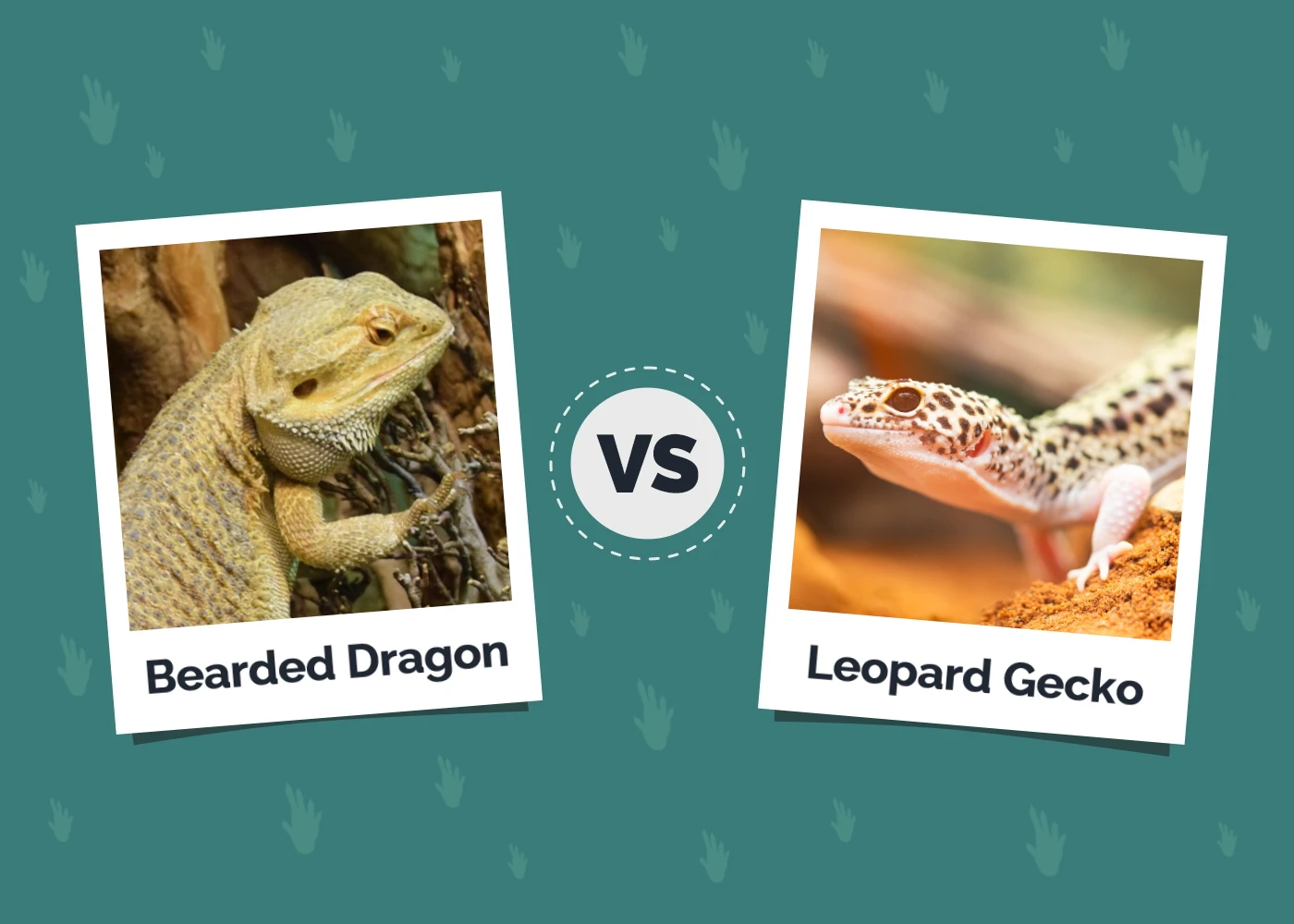
Are you grappling with the decision of getting a reptile as a pet and finding it hard to pick between the two most popular choices: bearded dragons and leopard geckos? Both these lizards are beginner-friendly and excellent companions, but they do have some significant differences. This article breaks down the six key distinctions between leopard geckos and bearded dragons to aid your decision-making process.
These remarkable reptiles have distinct physical features, diets, behaviors, and handling needs. They also require different enclosures and hail from disparate locations. We'll discuss these factors in detail, making it easier for you to make an informed choice.

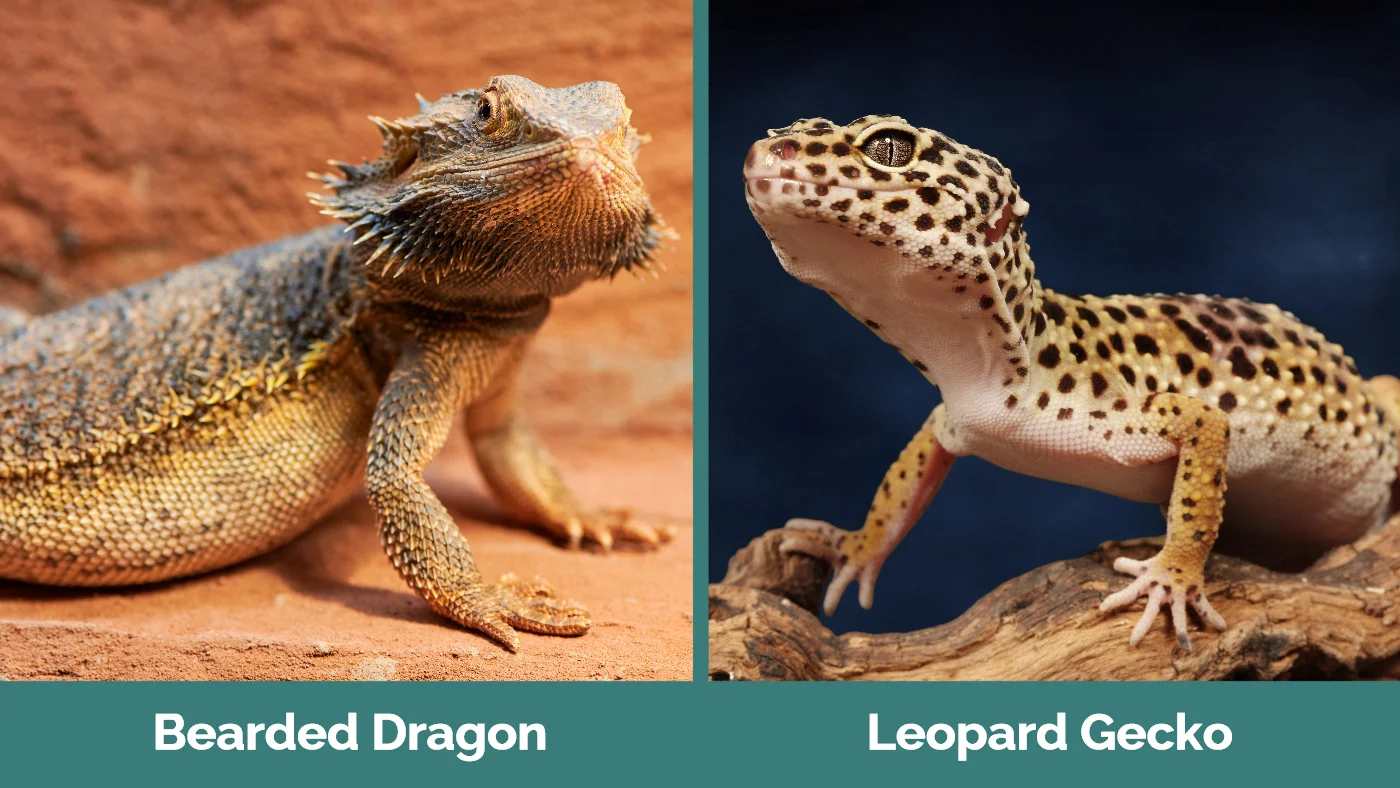
Visual Differences
At a Glance
Bearded Dragon Overview
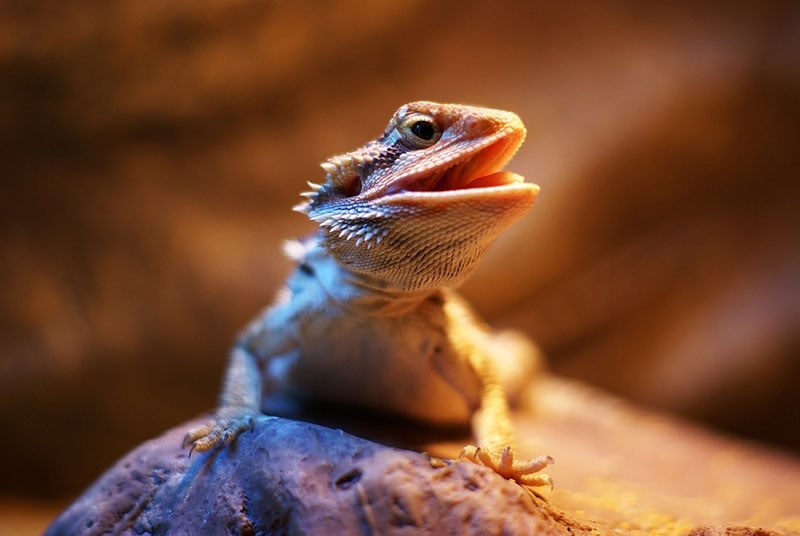
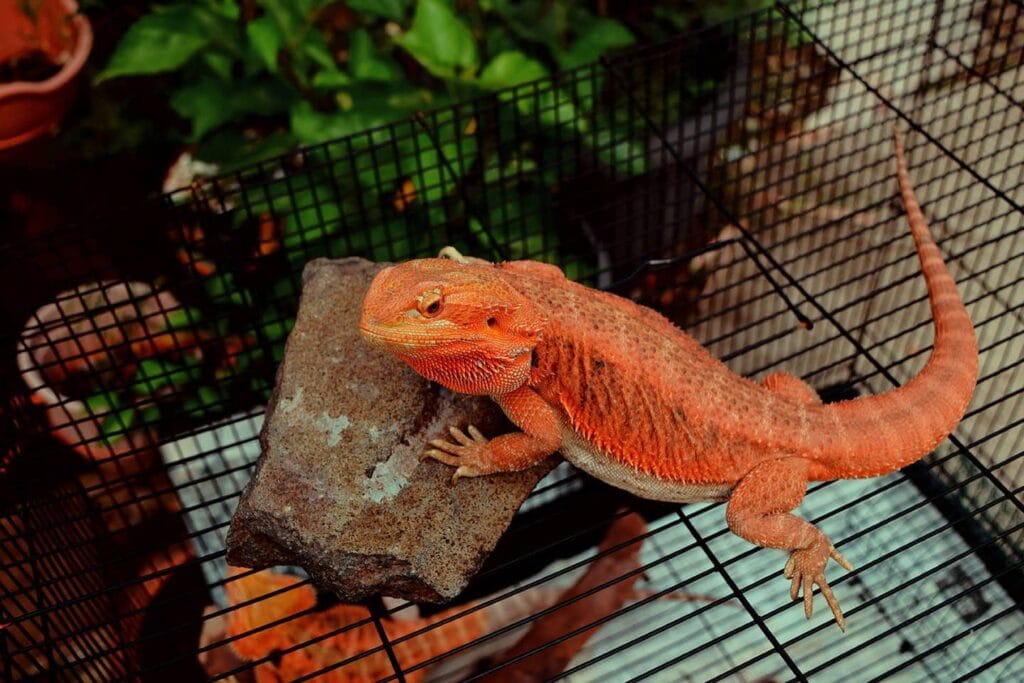
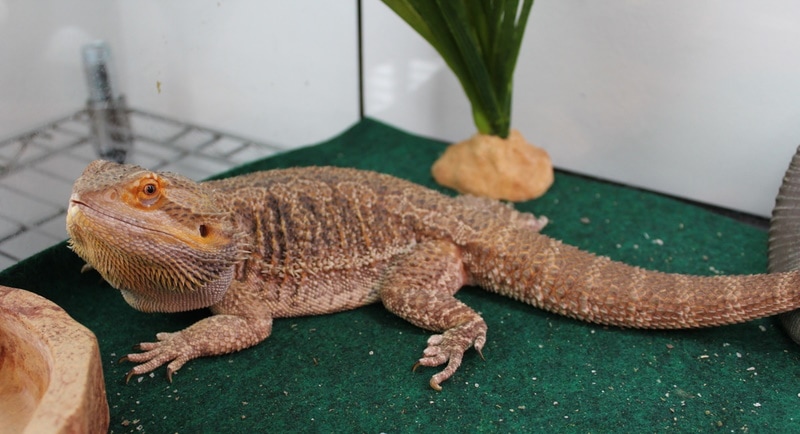
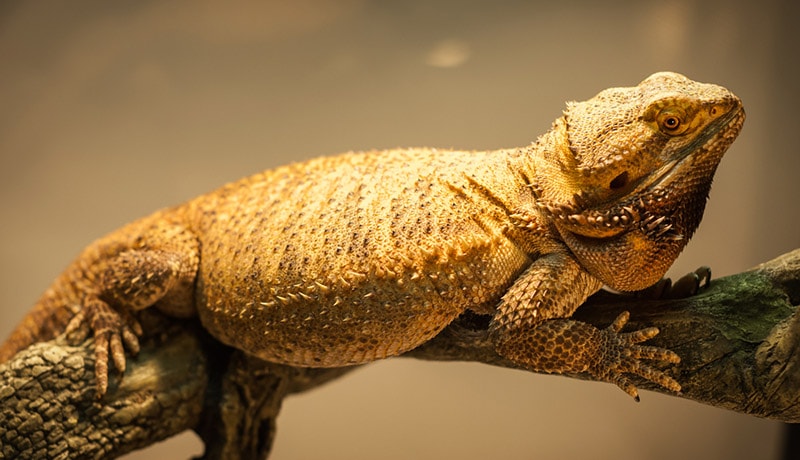
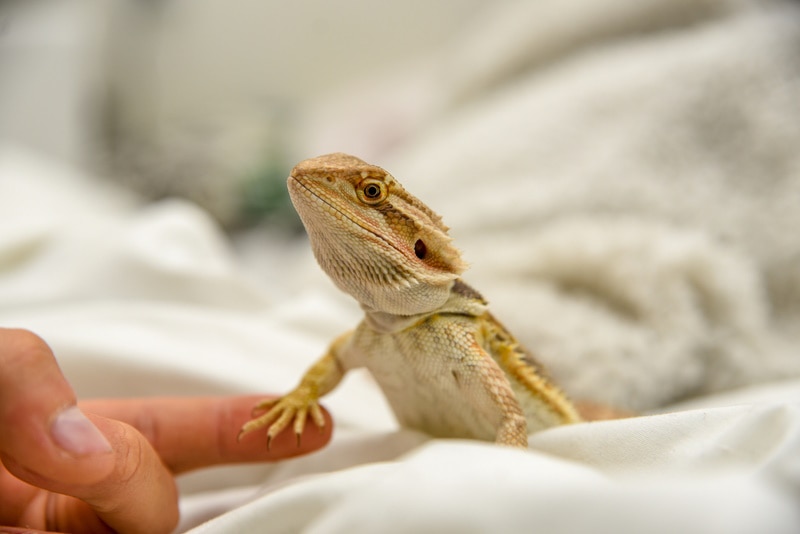
Bearded dragons are enchanting creatures that make for captivating pets. Hailing from the arid regions of Australia, these lizards have adapted to a warm, dry setup. Their distinctive feature, the “beard” of scales under their chin from which they derive their name, flares up when they feel threatened or excited, adding to their charm.
Personality / Character
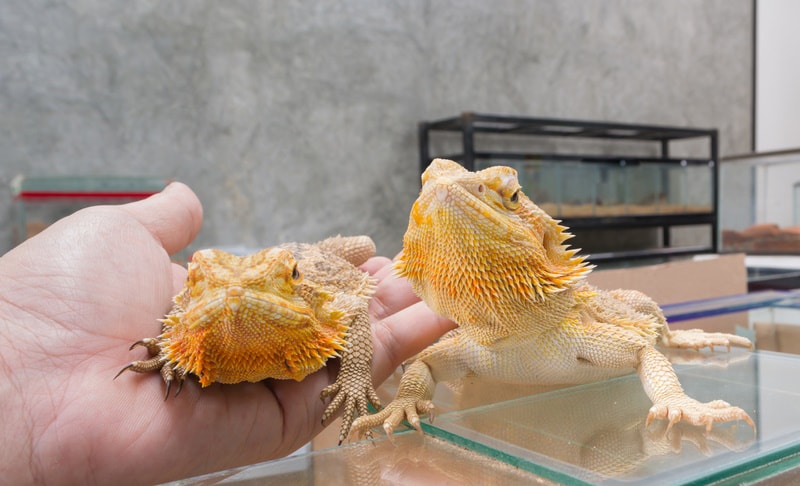
Bearded dragons have a surprisingly sociable disposition, especially for reptiles. Their friendly and calm demeanor stands out, making them excellent companions for pet owners of all ages. Unlike many of their reptilian counterparts, bearded dragons often exhibit curiosity and comfort around humans, sometimes showing affectionate behaviors such as arm-waving and head-bobbing.
Their outgoing personality is further accentuated by their diurnal nature. Being active during the day means that they are up and about when most people are, leading to more interactions and bonding opportunities.
Health & Care
Caring for bearded dragons involves meeting their dietary needs, which are remarkably straightforward given their omnivorous nature. They require a balanced diet that includes a variety of foods, such as insects, vegetables, and fruits. It's crucial to provide them with an assortment of live insects, including crickets, mealworms, and roaches, supplemented with fresh vegetables and fruits like carrots, peas, apples, and berries.
While their diet is relatively easy to manage, the enclosure setup for bearded dragons can be quite demanding. They need a spacious habitat that mimics their natural environment, complete with UVB lighting for bone health, a basking spot for warmth, and a gradient of temperatures throughout the enclosure to ensure their comfort.
Suitable For:
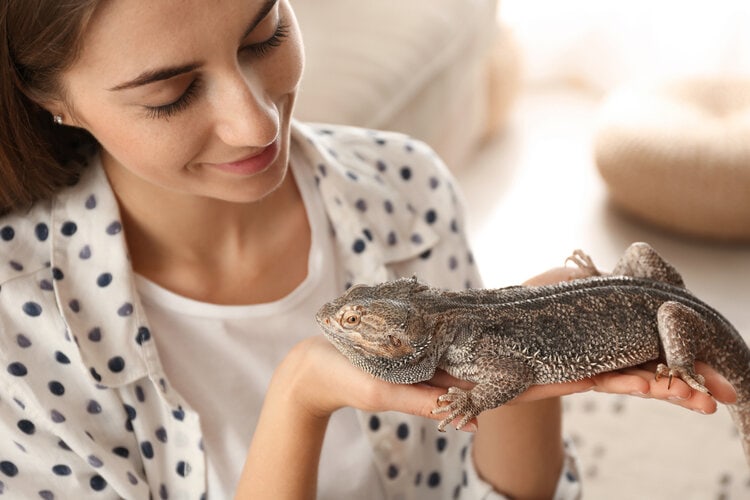
Bearded dragons make excellent pets for a wide range of people. They're particularly ideal for first-time reptile owners due to their docile nature and uncomplicated dietary requirements. These friendly lizards can also make a great addition to families with children, provided the kids are taught how to handle them gently and responsibly.

Leopard Gecko Overview
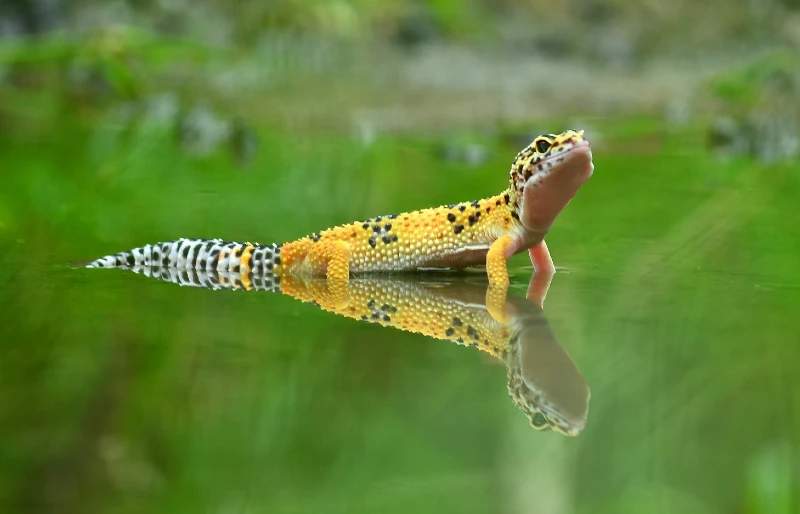
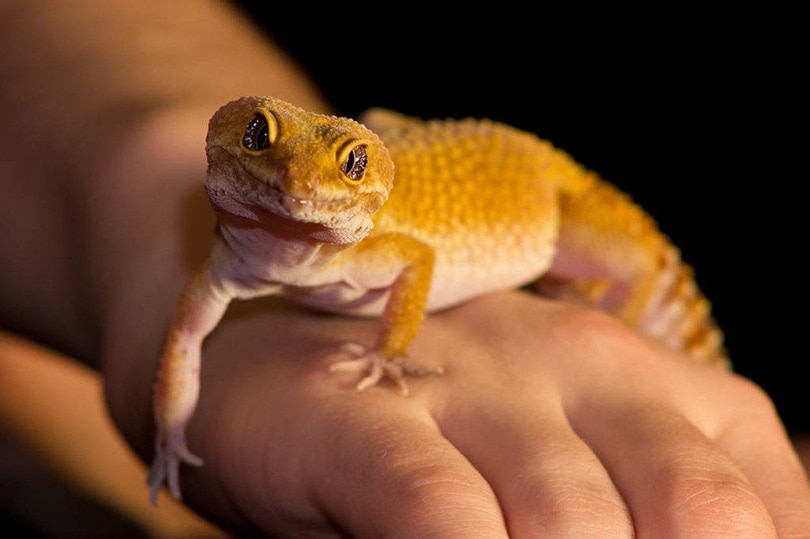
Leopard geckos are small yet fascinating creatures, notable for their leopard-like spots, giving them a unique and eye-catching appearance. Their eyes, which can glow beautifully under certain lighting conditions, add to their charm.
Personality / Character
Leopard geckos have a more reserved character compared to bearded dragons. While they may initially come off as introverted, these nocturnal creatures can socialize well with proper handling. Over time, they can grow comfortable enough around their human caregivers to be held and stroked gently. They also exhibit fascinating behaviors, such as tail wagging when they're excited or hunting for food.
Health & Care
As primarily insectivores, leopard geckos' diet consists mostly of live insects, such as mealworms, waxworms, and crickets. They don't require the same diversity of food as bearded dragons, making their feeding relatively straightforward.
Leopard geckos also require a comfortable environment to thrive. They prefer a warm, humid environment and need a heat source in their enclosure, typically in the form of a heat mat. Providing a moist hide area can also aid in shedding, which contributes to their overall health.
Suitable For:
Leopard geckos make a suitable pet for individuals who prefer a more compact pet and have the patience to handle their somewhat shy nature. Their smaller size and simpler habitat requirements compared to bearded dragons also make them an attractive option for those who have space constraints.
Exercise and Training
Both bearded dragons and leopard geckos require regular exercise but in different forms. Bearded dragons, being the more active of the two, enjoy climbing and exploring their environment. Leopard geckos, on the other hand, are ground-dwelling creatures that need space to roam around.
Training for both these creatures involves mostly handling them regularly to foster trust and socialization. This consistent interaction over time helps them become more comfortable and less stressed when being handled.
Which Breed Is Right for You?
Choosing between a bearded dragon and a leopard gecko ultimately comes down to your personal preferences and lifestyle. If you seek a larger, more outgoing pet that you can interact with throughout the day, a bearded dragon would be a more fitting choice. They are generally more sociable and offer more interactive opportunities during daylight hours.
On the other hand, if you're drawn to a smaller, more low-key pet and are content with most of their activity taking place at night, a leopard gecko would make a great companion. Their space-saving enclosure requirements and longevity can also be appealing.
Both breeds, despite their differences, require dedicated care, love, and attention. Regardless of your choice, both bearded dragons and leopard geckos can make fascinating companions, each offering a unique and rewarding experience in pet ownership.
See Also:
Iguana vs Bearded Dragon: The Main Differences (With Pictures)
Chameleon vs. Bearded Dragon: The Differences (With Pictures)
Sources
Featured Image Credit: Left - Arledas, Pixabay | Right - torstensimon, Pixabay
Get Hepper In Your Inbox


Pet care tips from our vets and experts, straight to your inbox.
You may opt-out at any time. View our Privacy Policy for more information.

Melody Russell is an experienced pet enthusiast with a background in the animal care industry. She has worked at a zoo, served as a dedicated pet sitter, and has a passion for breeding and raising leopard geckos. As a versatile freelance writer, she excels in various genres, crafting captivating stories, informative articles, and engaging social media content. You can find her cat page, TheCommonKitties_, on Instagram, where she shares the adorable antics of her beloved feline companions. With her practical expertise and creative flair, she is eager to contribute her skills in pet care and writing to make a positive impact on the lives of animals.
Join the conversation
Ask a question, share your story, or send private feedback.