Hepper is reader-supported. When you buy via links on our site, we may earn an affiliate commission at no cost to you. Learn more.
Are Cat Cafes Ethical? Animal Welfare Signs Explained

In this article
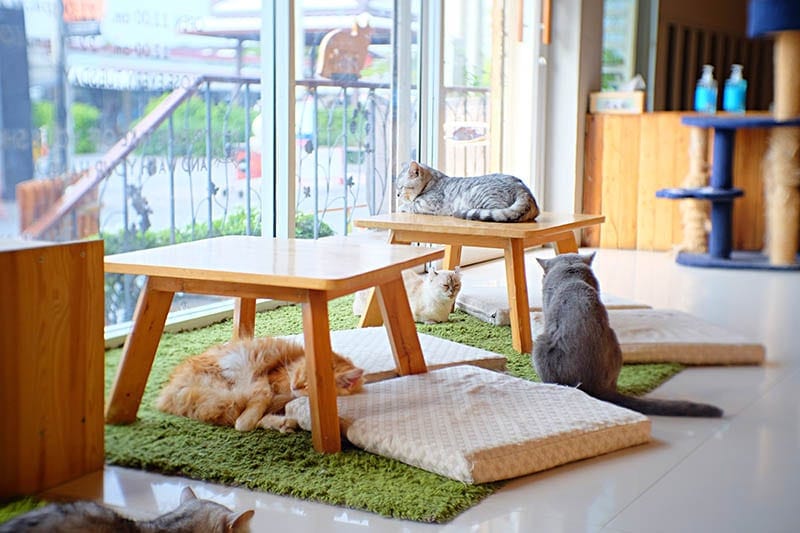
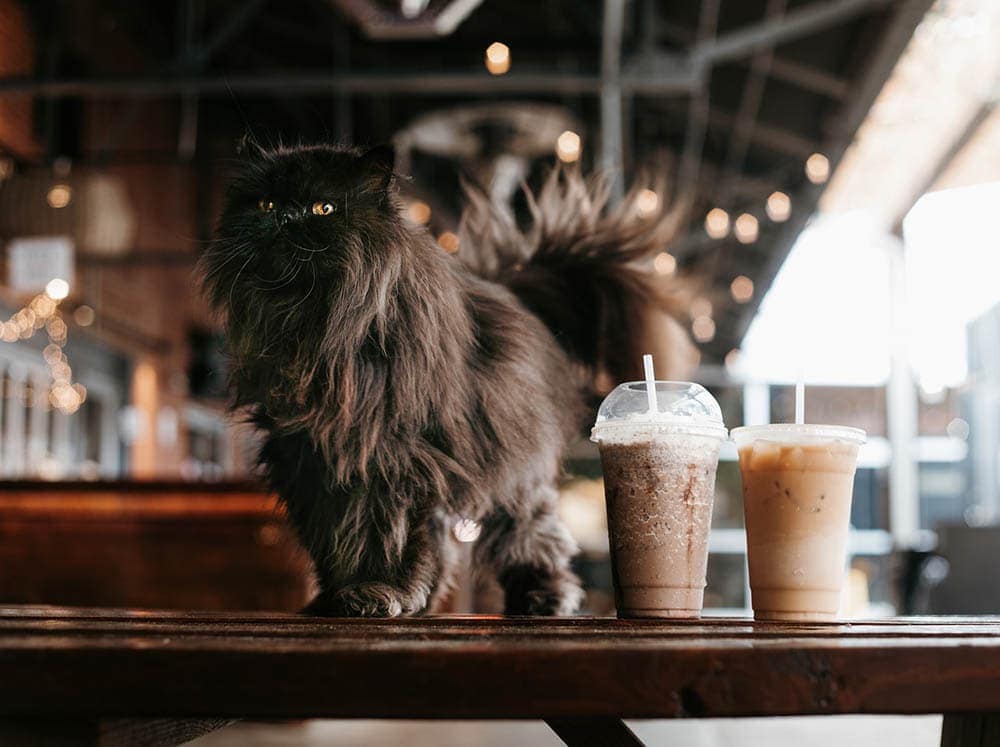
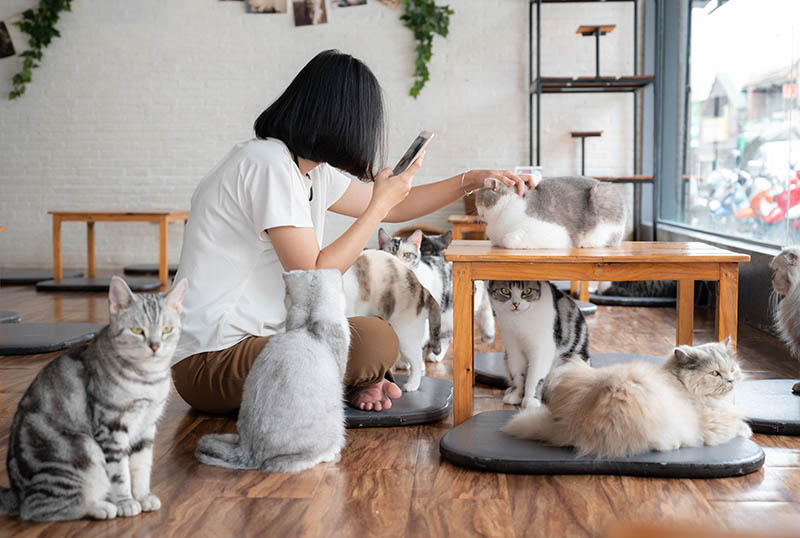
Cat cafes are becoming more popular and are often used to promote cat adoption. The question of whether they’re ethical or not will depend on the facility, meaning cat cafes can be ethical if they're done right. If the cafe adheres to providing humane care and treatment for cats, it’s safe to visit and support its cause. However, some may just be tourist traps or gimmicks. So, before you visit a cat cafe, make sure that it has ethical practices set in place. We've put together a set of signs to look for before you visit any cat cafe to ensure you're supporting one with ethical practices.

Signs of Ethical Cat Cafes
Cat cafes must show signs of taking the best possible care of their cats. These cafes will prioritize a cat’s well-being and ensure that the cafe is a safe environment for the cats, customers, and staff. Here are some signs of a good ethical cat cafe.
Houses Friendly, Socialized Cats
Not all cats will enjoy being in a cat cafe. When you think about the daily functioning of a cat cafe, it will include a lot of noise and new people constantly walking in and out.
Some cats may be able to adapt to the routine of a cat cafe because cafe staff will usually start with a morning routine to prepare the cafe before it opens its doors. Cat cafes will also have a morning, lunch, and afternoon rush at about the same time, and the cafe staff will also complete a closing routine at the end of the day.
Cats that have been socialized and have temperaments that enjoy being around people can thrive in a cat cafe. However, cats that tend to be more independent and more sensitive to noise will not enjoy being in a cat cafe.
So, cat cafes need to have a screening process in place for potential cat residents. A screening process will ensure that the cat has a personality and temperament that’ll enjoy living in a space that has heavier foot traffic and a little more noise.
Supported by Reputable Cat Welfare Organizations
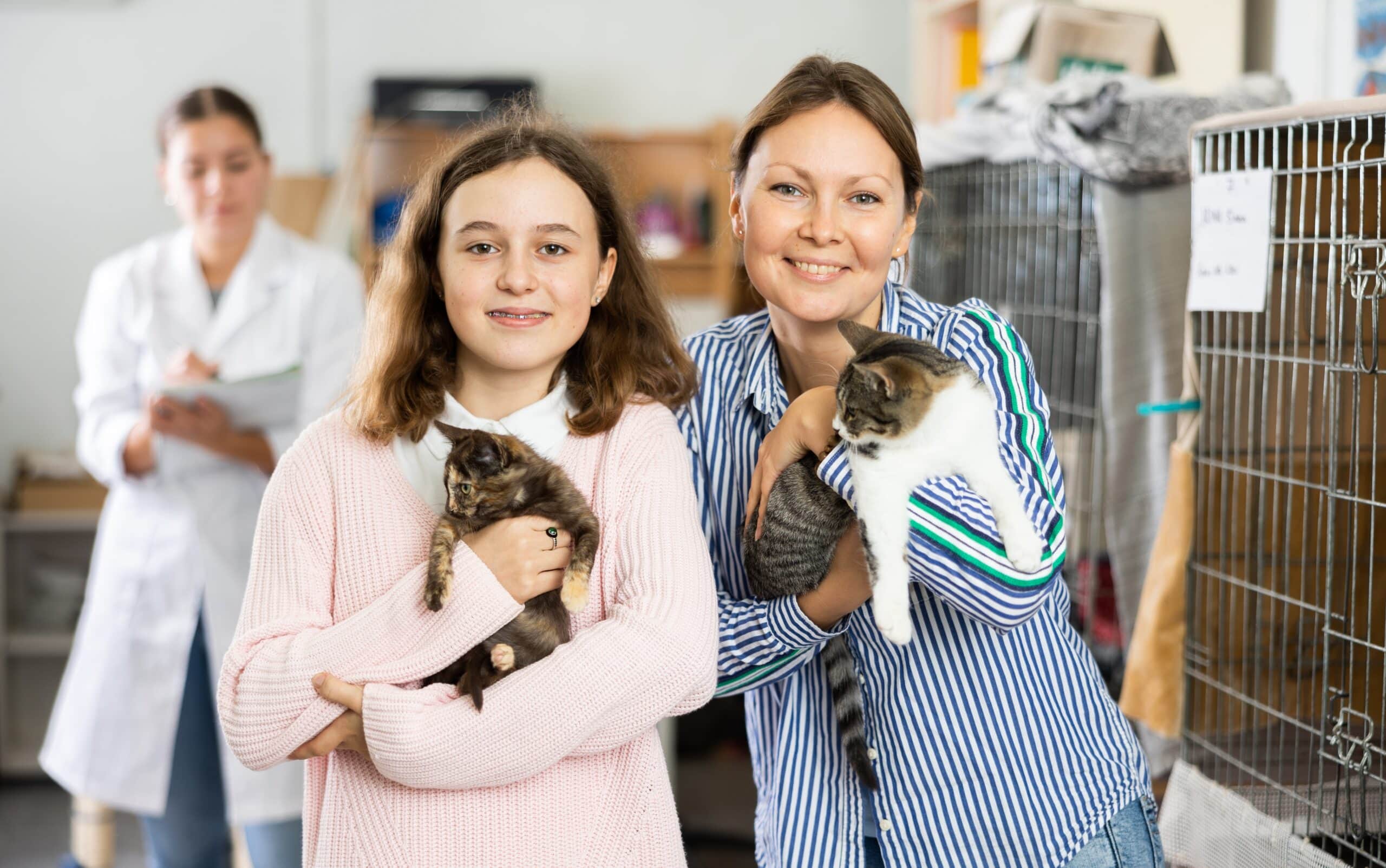
Many cat cafes operate to promote cat adoptions and often have cats that are looking for new homes. Such cafes will have support or partnerships with local cat welfare organizations, animal shelters, and rescues.
These organizations will work with the cat cafe to ensure that the cats in the cafe are living in suitable conditions and are happy to be there. They can also provide consultations on creating a cat-friendly atmosphere and lead training sessions with cafe staff to ensure that the cats and people coexist harmoniously.
Clean Environment
Cat owners will know from first-hand experience that it takes a lot of work to keep their homes clean when living with cats. Because cafes need to also adhere to local food safety laws, it takes extra work to ensure that the cafe is safe for both humans and cats.
Cat cafes need to be mindful of cat hair, cat litter tracking, and common odors associated with cats. Litter boxes should be stored in safe and secluded areas that are also easy for the cats to access. The cafe’s food storage areas should be restricted from cats. The facility also usually has to be cleaned and swept multiple times a day to maintain cleanliness and a safe eating environment for people.
Cafe Rules to Protect Cats
A responsible cat cafe will have its rules and policies regarding the cats posted in areas that are extremely visible to all customers. These rules will ensure that both the cats and humans have a safe experience inside the cafe.
The rules should allow the cats to approach people when they want to rather than being forced to interact with people when they don't feel like it. They will also give guidelines for proper interactions with cats and may have suggestions for customers to lower their voices and not make sudden movements that will disturb or startle the cats.
Cat cafes should have proof that all their cats are up to date with their vaccinations. The cats should also either be on preventative deworming medication or receive deworming treatment regularly.
Plenty of Hiding Spaces
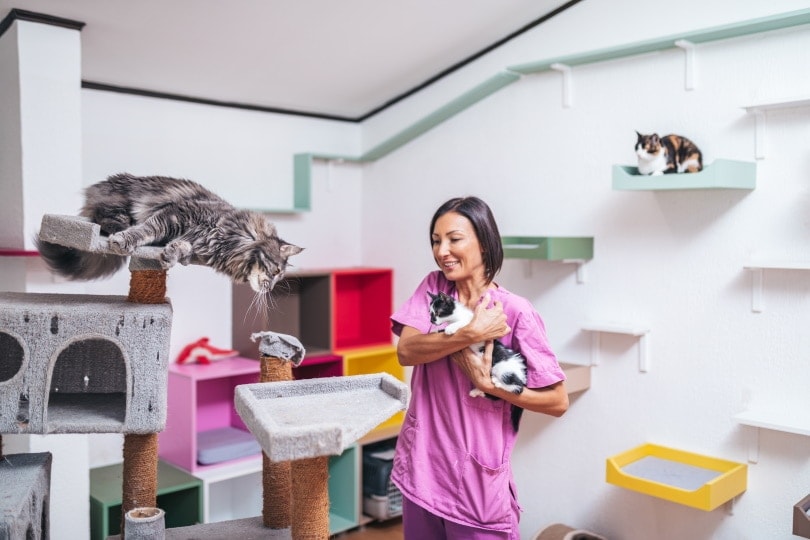
Cats are very observant creatures and like hiding spaces where they can nap or hide inside safely and watch their surrounding environment. A good cat cafe should have plenty of areas of refuge for cats that are difficult for customers to reach.
A cat-friendly environment will also have plenty of vertical spaces where cats can climb up and observe. These vertical spaces mustn’t be hovering above tables so that cats can’t land on top of tables and surprise customers.
Signs of Unethical Cat Cafes
It's an unfortunate reality that some people will open up cat cafes for profitable reasons rather than charitable ones. These cafes usually have unethical and inhumane conditions. The following are some red flags of unethical cat cafes.
Dirty Conditions
Since it takes a lot of work to keep cat cafes clean, it's easy to tell when a cafe doesn't prioritize cleanliness and sanitary conditions. Cat urine has a very distinct and strong smell, so if you smell any traces of its ammonia-like smell in a cafe, there's a good chance that the cafe doesn't provide very many litter boxes or safe spaces where cats can relieve themselves.
Make sure to check the floors and table tops to see if there's an unreasonable amount of cat hair. You should also be able to notice if the cafe staff is regularly wiping down and sweeping the cafe to ensure that it's kept clean.
Cats Look Distressed
Look for any signs of distress in the cats. Cats that are fearful, agitated, or angry will display certain signs. Anxious cats will look restless and try to look for a space to hide. They can also be trembling or engage in excessive self-grooming. They'll usually avoid eye contact and hold their tail very close to their bodies.
Agitated or angry cats often appear stiff with their rear end raised. They'll have constricted pupils and may even start growling. Some cats will be crouching and will have raised hair. Unhappy cats can often have bald spots due to anxiety and excessive self-grooming.
Staff Are Uninformed About Cats
The cafe staff, manager, and owner should all be very knowledgeable about their cats and show an interest in them. They should be happy to answer any questions that you have about them, especially if you're interested in adopting a cat.
A good cat cafe will ensure that it has the right people employed to provide the best care for its cats. The cats should also interact fairly comfortably with the cafe staff, especially if the cats have been there for a while.

Conclusion
Overall, you can find both ethical and unethical cat cafes. It's often more difficult to find an ethical cat cafe because it takes a lot of extra work to manage one and ensure that it's a safe environment for both cats and humans.
Before you enter a cat cafe, make sure to do some research on it to ensure that it's an ethical one. Make sure to avoid any cat cafes that show signs of unethical practices so that you don't end up supporting an establishment that does not have the safety and welfare of cats as one of its main priorities.
Featured Image Credit: Boyloso, Shutterstock
Get Hepper In Your Inbox


Pet care tips from our vets and experts, straight to your inbox.
You may opt-out at any time. View our Privacy Policy for more information.
Jessica is a freelance writer who spends most of her day reading and writing while her fluffy Cavapoo, Nora, naps beside her. She loves and appreciates pets and animals because there’s so much to learn from them, and they do so much for people. As a dog mom, she understands the special relationship that pet parents have with their pets. So, she loves sharing helpful information that people can use to better understand their pets. When she’s not writing, you can find her walking dogs, tending to her plant babies, or drinking her nth cup of coffee.
Join the conversation
Ask a question, share your story, or send private feedback.