Hepper is reader-supported. When you buy via links on our site, we may earn an affiliate commission at no cost to you. Learn more.
Is Christmas Cactus Poisonous To Cats? Keeping Your Cat Safe


In this article
Around the holidays, several plants are commonly found in decoration displays, including Christmas cactus. But is Christmas cactus poisonous to cats, or can you include this species in your festive decor? Christmas cactus is not toxic to cats, although you should discourage your cat from chewing on any plant.
We'll discuss why that's the case later in this article, as well as let you know what other popular holiday plants should get a "bah humbug!" from cat owners.

What Is Christmas Cactus?
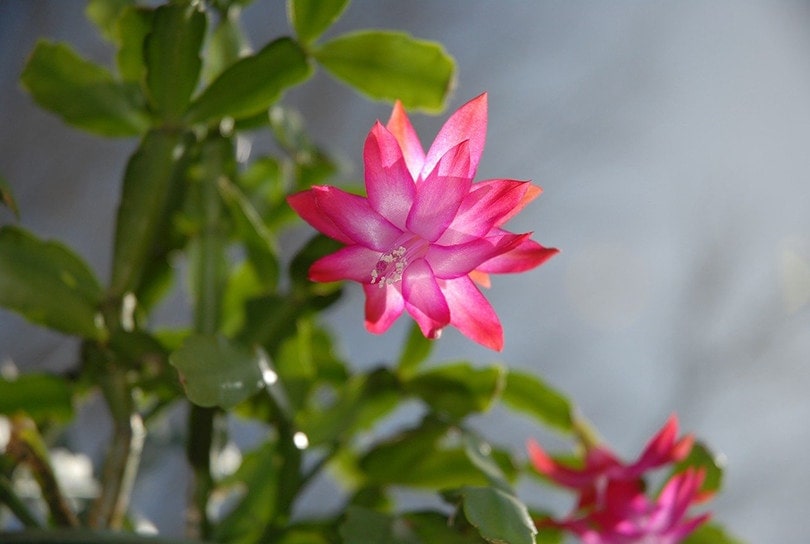
The Christmas cactus—also called crab cactus, Thanksgiving cactus, or holiday cactus—is a member of the (surprise!) cactus family. Although most people associate cacti with the desert, the Christmas cactus is a tropical plant that prefers a humid environment and moist soil. The name comes from the timing of their flower bloom, which typically occurs in fall or winter, around the holidays.
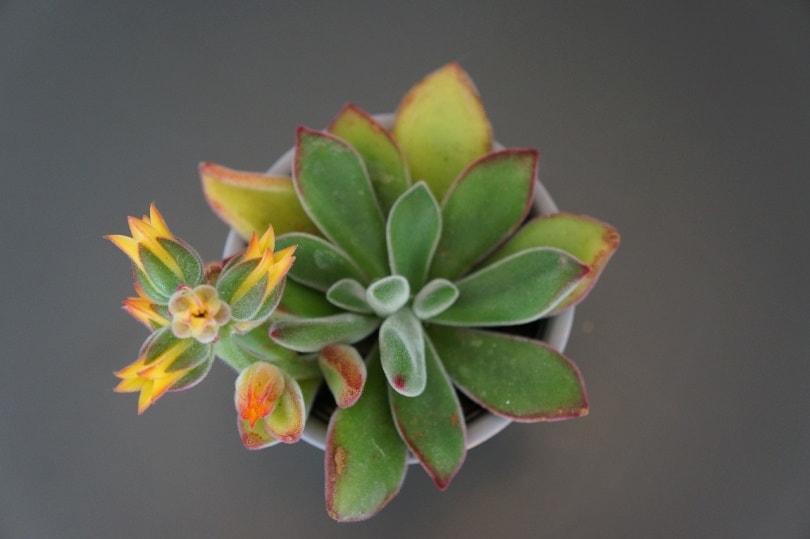
The Christmas cactus has green, leaf-shaped stems with curved points lining the edges. They bloom in a variety of colors including red, white, pink, orange, yellow, and purple.
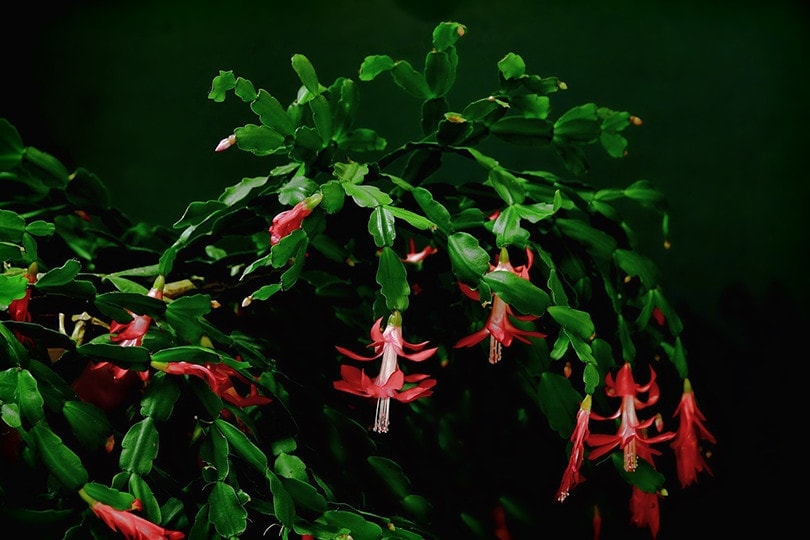
A Cat-Friendly Cactus
The Christmas cactus is listed as non-toxic to cats by the Animal Poison Control database. While this may reassure you that your cat won't be seriously harmed if they chew on a Christmas cactus, you should still take precautions, especially if your cat is a dedicated plant-eater.
Christmas cacti are fibrous, dense plants, and if your cat ingests large quantities of the plant, they could develop diarrhea or vomiting. The prickly stems could also irritate or injure your cat while chewing.
In addition, many fertilizers or potting soils contain toxic elements, posing a danger to your cat even if the plant itself doesn't. This threat is the main reason why cats should be discouraged from playing or chewing on even non-toxic plants. Many plants inhabit glass or ceramic pots, which could be dangerous if they're knocked over and broken by curious cats.
To be on the safe side, consider creating a hanging display of Christmas cacti or placing them in rooms or shelves out of reach of your cats. Be cautious when using any fertilizer on your plants to ensure your cat won’t come into contact with it.
What About Other Holiday Plants?
While you can feel relatively safe adding Christmas cacti to your holiday decor, the same is not true for some other well-known festive plants. Here are some winter holiday plants you should avoid if you have cats.
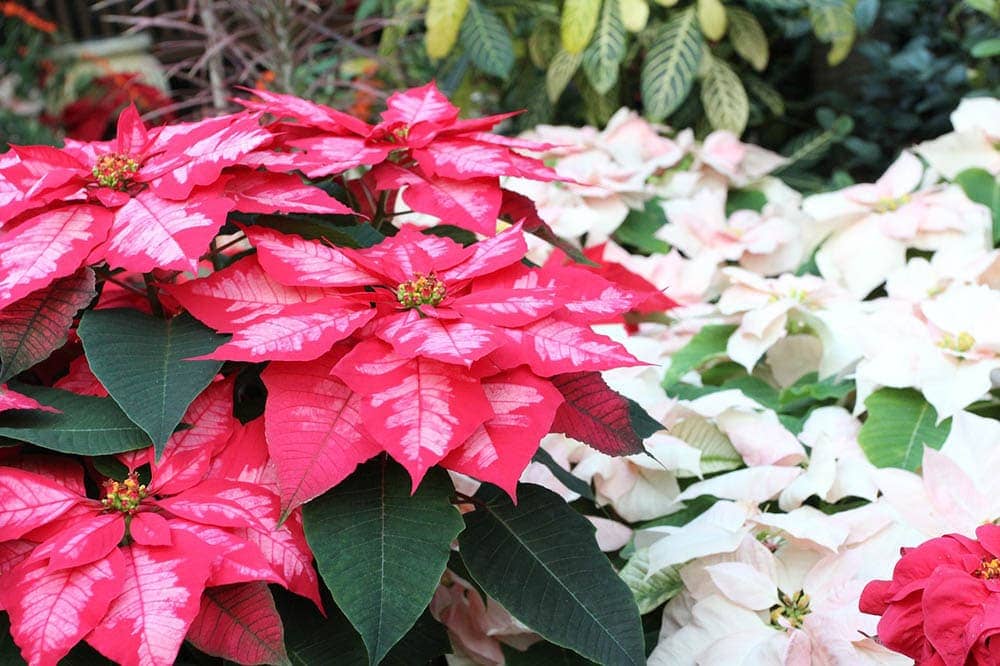
Poinsettia
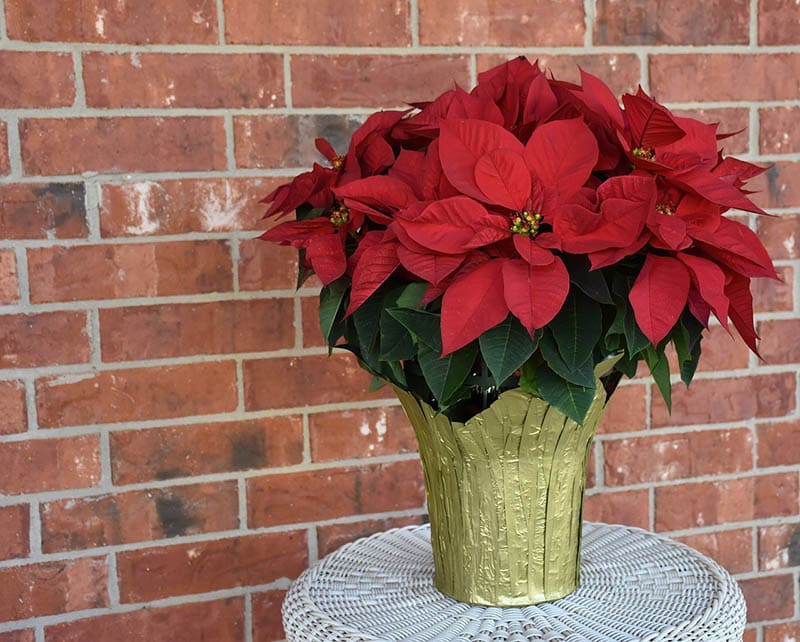
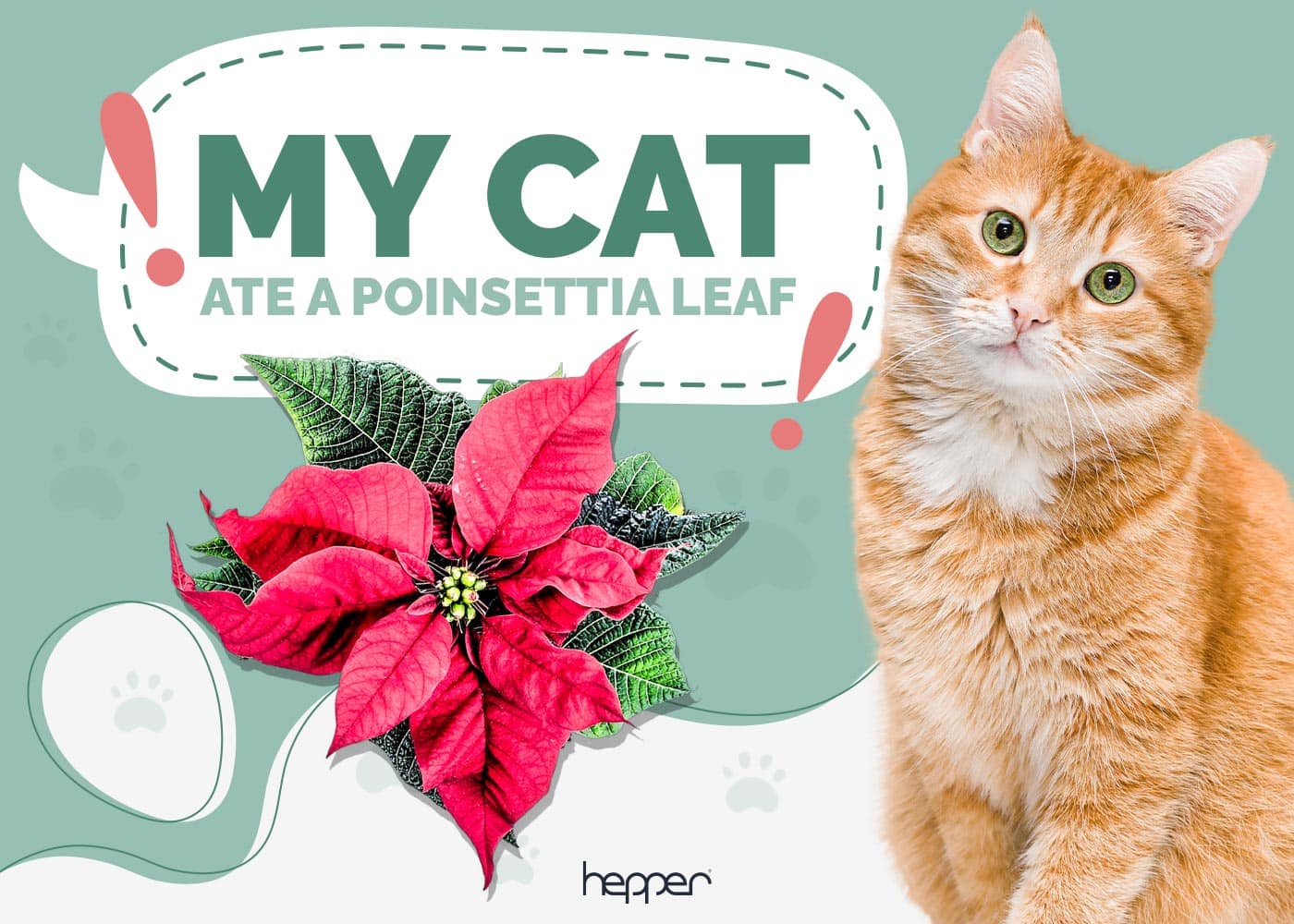
Brightly colored poinsettias aren't the most toxic holiday plant you could choose, but it's still a poor option for households with cats or young kids. Those vibrant leaves contain a bad-tasting, irritating sap that can cause mild dermatitis or eye irritation if contacted. Vomiting may occur, and your cat may suffer more damaging complications if they ingest many leaves.
Holly
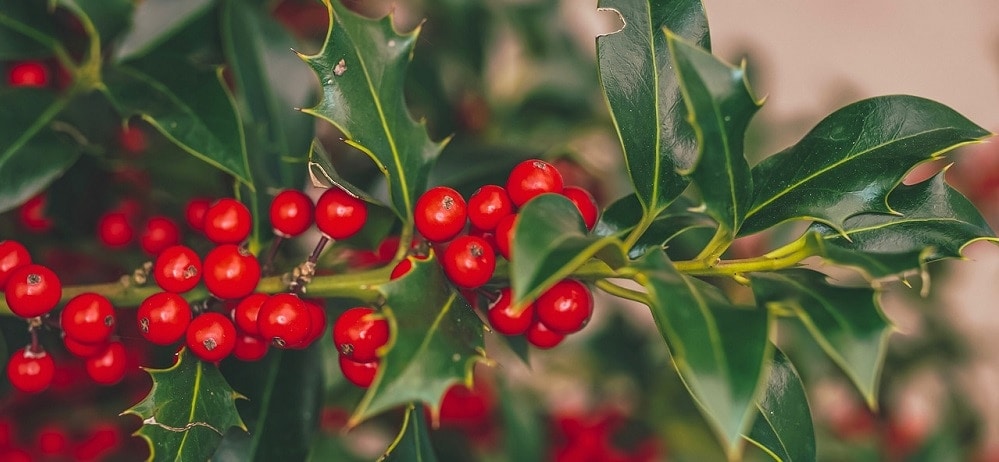
Both live and dried holly leaves, seeds, and berries are mildly toxic to cats. They contain substances that cause abdominal pain, drooling, and intestinal upset if ingested. The spikey leaves may also cause damage to the skin, or as they are swallowed.
Mistletoe
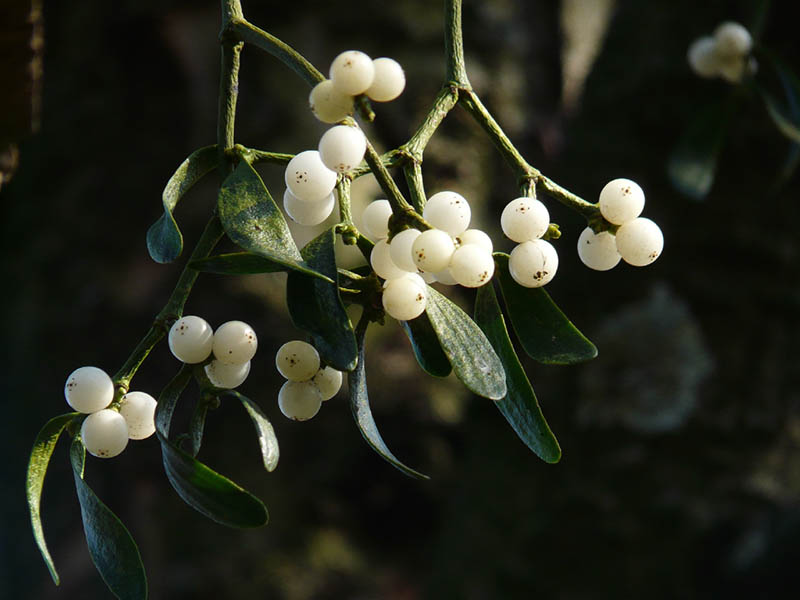
Smooching under the mistletoe is a popular tradition, but pet lovers will need to sacrifice this one, at least in their own home. Mistletoe is a semi-parasitic plant that lives on other trees. The European mistletoe Viscum album is the more common one used at Christmas and poisonings tend to be mild. Vomiting, diarrhea, and lethargy can be seen.
The American mistletoe Phoradendron can be more toxic when ingested, this plant causes intestinal upset, breathing problems, changes to blood pressure, and slowed heart rate. If the host tree that the mistletoe was growing on was toxic, signs can be seen associated with this also.
The Christmas Tree
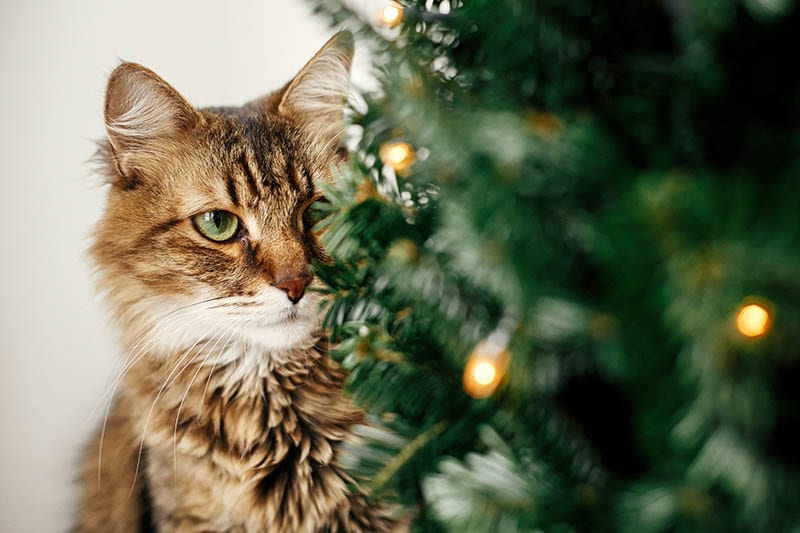
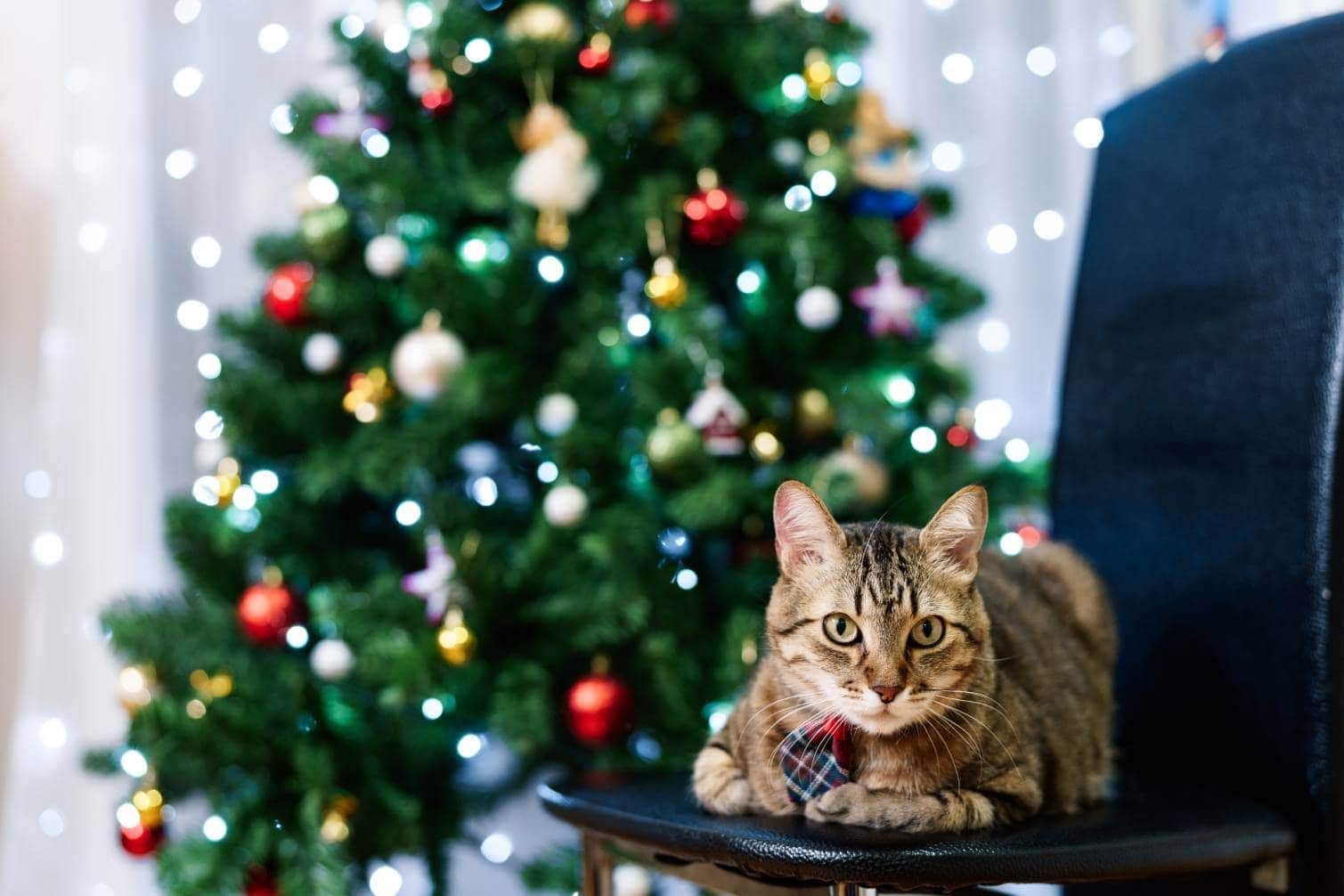
Yes, even your holiday tree can be dangerous to your cat, and not just if they climb up it and knock the whole thing over. Chewing on evergreen trees can irritate your cat’s mouth and stomach. The needles can also cause intestinal obstructions or damage.
The tree water often contains molds, fertilizers, and bacteria, all of which can make your cat sick. Don’t let your cat drink it. And, of course, watch out that your cat doesn’t chew on or break any glass ornaments that could injure them or chew on the twinkle light’s cord.
Conclusion
If you’re looking for a unique and colorful plant to gift the cat lover in your life, a Christmas cactus is an excellent option thanks to its non-toxic nature. Make sure the plant isn’t treated with any pesticides or fertilizers, however. With proper precautions, cats and Christmas cacti can both coexist and combine to lift the mood of their owners, especially during the dreary winter months.
Featured Image Credit: chakoteh, Pixabay
Get Hepper In Your Inbox


Pet care tips from our vets and experts, straight to your inbox.
You may opt-out at any time. View our Privacy Policy for more information.
A lifelong lover of all creatures great and small, Elizabeth got her first cat at 5 years old and at 14, she started working for her local veterinarian. After spending more than 20 years working as a veterinary nurse, Elizabeth decided to step away to become a stay-at-home parent to her daughter. Now, she is excited to share her knowledge with our pet parents. Elizabeth lives in Iowa with her family, including her two fur kids, Linnard, a husky mix and Algernon, the worldʻs most patient cat. When not writing, she enjoys reading, watching soccer, and spending time outdoors with her family.
Join the conversation
Ask a question, share your story, or send private feedback.